Hemp sodas, gummies and vapes are everywhere. What NC doctors say about risks
AI-generated summary reviewed by our newsroom.
- Hemp products proliferate in NC after 2018 and 2022 law changes; testing gaps persist.
- Lack of labeling and COA rules lets many products exceed legal THC limits, confuse buyers.
- Doctors,retailers urge dosing caution, youth safeguards, and stricter state regulations.
While recent changes to federal law may upend the hemp industry, the popularity of hemp products, including those that have intoxicating effects, has skyrocketed.
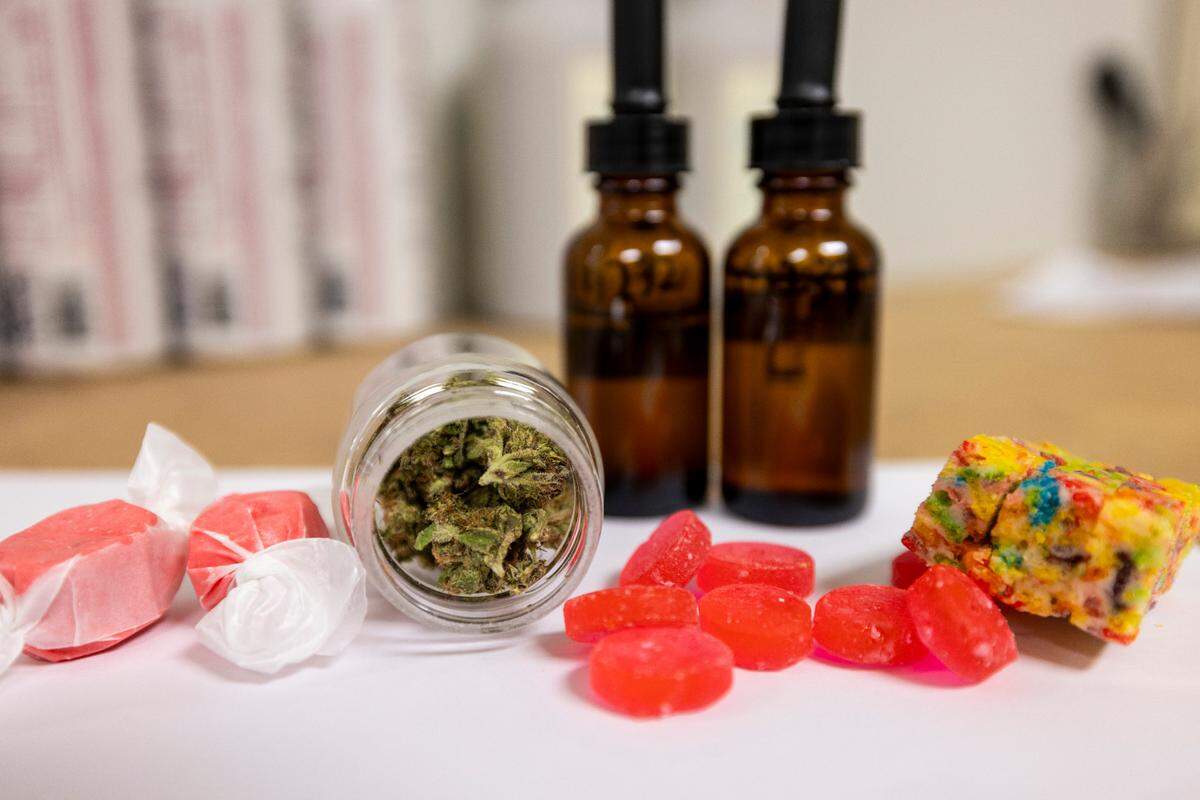
THC-infused sodas, seltzer and other drinks and a variety of gummies, sweets, vapes and oils have increased in popularity since hemp was legalized federally by the 2018 Farm Bill and North Carolina made it legal to grow and sell hemp in the state in 2022.
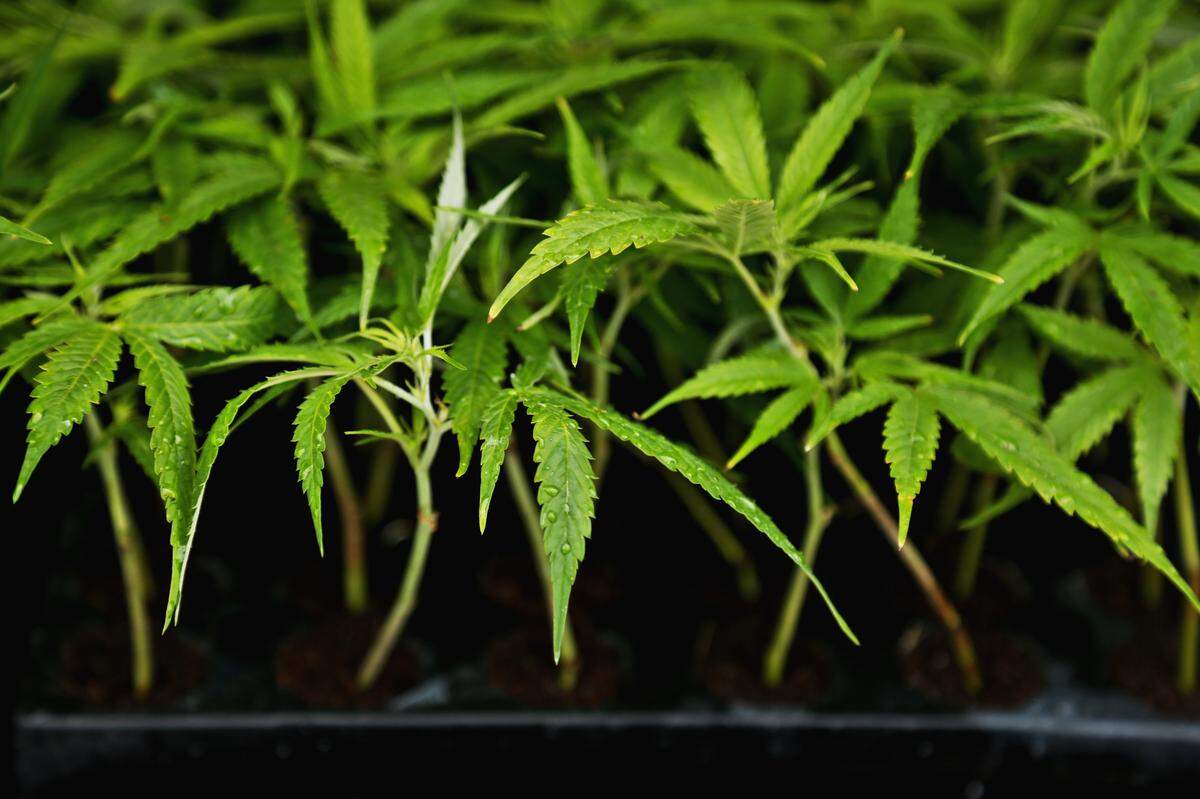
Hemp and marijuana are varieties of the same cannabis plant but are classified differently based on their tetrahydrocannabinol (THC) levels.
Delta-9, which is known to cause a high, is one of over 100 cannabinoids found in or derived from the plant. Another is CBD, which is not known to cause a high but can cause a person to feel sleepy, mellow or relaxed. Hemp must contain 0.3% or less delta-9 THC by dry weight under the federal law’s current definition.
Are these THC-infused products safe?
More and more people are using medical and recreational cannabis, but research of the risks and benefits has been limited, in part, due to marijuana being illegal on the federal level.
But there is some research available. For example, there is “moderate evidence” that CBD can help people with sleep disorders, anxiety, and fibromyalgia pain, according to an article from Harvard Medical School.
Area hospitals, including at Duke Health, have seen an increase in emergency room visits for cannabinoid hyperemesis syndrome, which causes severe and reoccurring nausea, vomiting and abdominal pain.
Different cannabinoids have different effects. The News & Observer spoke with experts to learn what you need to know to safely use hemp-related cannabis products
How do you want to feel?
Different cannabinoids have different effects, with some creating an intoxicating or high feeling. People considering hemp products should consider how they want to feel or what they are trying to accomplish, such as helping with sleep, relaxation or pain relief.
“If you’re new to this industry, and you’ve never been exposed to this before, there is a lot to learn,” said Nicole Burnette, founder and CEO of Queen Hemp Company.
How do you want to take the product?
The method of consumption matters. An edible like a gummy can take 60 to 90 minutes before people start feeling the effects. A THC-infused drink can hit much faster.
People also have individual tolerances and can’t base the amount they think they should take based on their weight, Burnette said.
Start with a low dose
People should start with a very low dose and not increase the dosage too soon, said John Boccella, co-owner of The Hemp Company, which has two stores in Wake County. His staff encourage customers to follow a “one-cut” rule.
“If you’ve got to cut a gummy into 10 pieces, that gummy is too strong for you,” he said. “We want people to have a good experience and get the right effect for what their needs are and not have a bad experience.”
Not all products are the same
People shouldn’t assume that because they’ve had intoxicating products before or in other locations it will result in the same effect.
“People will come in all the time, and they’ll say, ‘Give me the strongest thing you got,’ because they just moved here from a ‘legal state,’” Boccella said. “And that is a customer that we need to make sure is properly educated on all the different cannabinoids and their potencies and how it all really works. Many times they don’t really understand what any of these products are really capable of.”
Find knowledgeable stores and employees
People should seek out stores whose employees know what they are selling, said Phil Dixon, an attorney and professor at UNC School of Government.
“If you walk into any of these places, you should be able to have a conversation with the people that are there,” he said. “And they should be knowledgeable about the products they’re selling. And, if they aren’t, you don’t need to be in that store.”
People should avoid mixing cannabis products with alcohol or other drugs, and not use cannabis when they are alone.
Look for a breakdown of what’s in the product
Determining what’s in products sold in North Carolina can be incredibly difficult. There are no requirements for retailers for labeling or for providing a certificate of analysis, or COA, outlining what’s in their products.
In a report to the state Advisory Council on Cannabis, N.C. Alcohol Law Enforcement reported seizing and submitting 293 items to test their THC levels, with 269 of them testing above the legal THC limit for hemp. That means 92% of the samples tested would be defined as illegal marijuana.
Customers have brought in gummies bought online to Boccella asking why they didn’t work or didn’t have the intended effect.
“I’m like, ‘Did you have a COA?’” he said. “’Did you look at the lab?’ And they say, ‘No, they don’t have a lab.’ They’re just selling people gummies because there are no laws. There’s no regulation. There’s nothing to protect people. So it sounds self-serving to say just shop at The Hemp Company, but that’s why we are here.”
Some retailers provide a COA with their products, and all the hemp retailers The N&O spoke with said that was one way to help verify their efficacy.
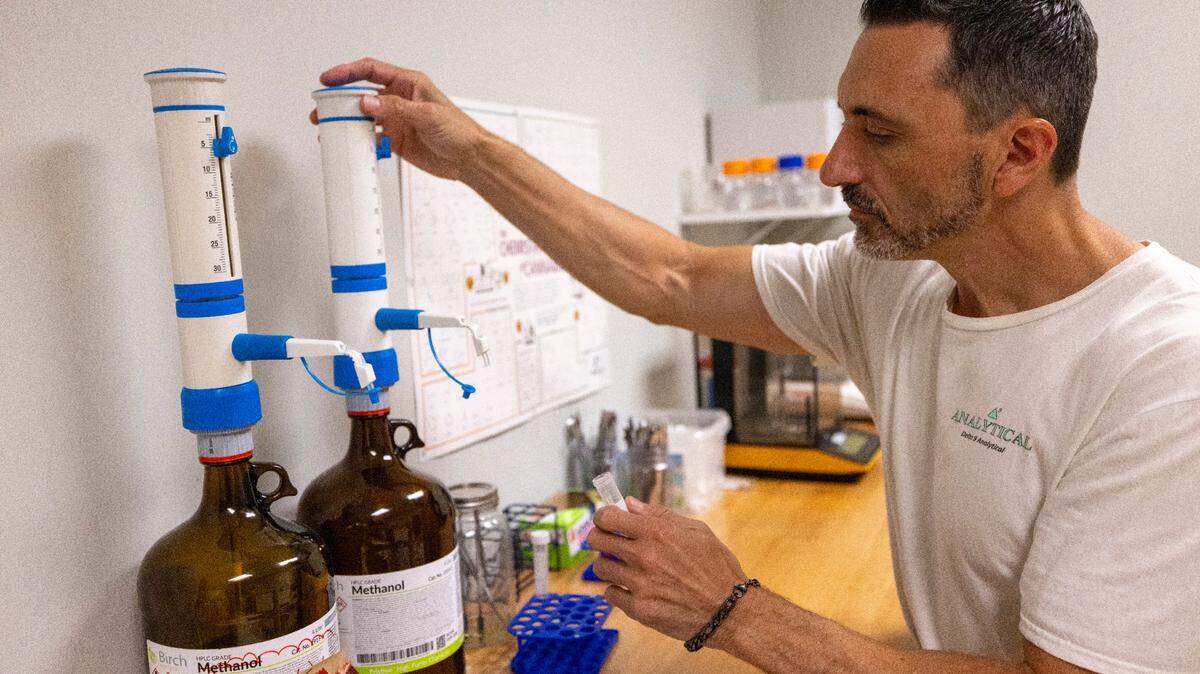
Frank Maurio is co-owner of Delta 9 Analytical, a Raleigh lab that tests and provides certificates of analysis for hemp growers, wholesalers, retailers and law enforcement.
Maurio does recommend customers look for a COA, but said they can be “fraudulent as hell nowadays.” He encourages people to check the dates, batch numbers and whether the COA was requested by the seller or manufacturer. But he acknowledged it was a lot of work on the customer’s side.
“I would want to see if it was in the store owner’s name,” he said. “That means they took this product, they brought it to the lab, and they had it tested on their own. They didn’t rely on a COA received from whoever they purchased it from.”
He encouraged people to call the laboratories on the COA if they had questions, and to find stores with employees who will answer their questions.
Prevent access to children
It’s legal to sell hemp products to minors, though many retailers say they do not.
Recently, a Johnston County store owner and his business partner were charged with drug trafficking after six minors reportedly bought 1,000 milligram THC gummies from a vape store in Garner. Lab testing found the products purchased by an undercover ALE agent were above the legal limit for THC in hemp.
“These are getting passed around at high schools and things like that,” said Haw River Police Chief Toby Harrison, the 2026 president of the N.C. Association of Chiefs of Police.
His biggest concern is children and teenagers getting hold of the products, and he urged parents to research the products they use and talk to their children about the potential dangers.
Parents also need to make sure they keep all intoxicating products locked up, said Todd Floyd, CEO of Hempies, a North Carolina-based company with nine retail stores.
“It’s parents’ responsibilities to keep alcohol and things like that away from children,” Floyd said. “The same thing goes for THC. You don’t just leave it out for your children to consume like that. It’s not different than any other intoxicating product like cigarettes, alcohol, whatever the case may be.”
They bought an “expensive” system that scans driver’s licenses to verify they aren’t given fake IDs, and they card everyone at Hempies regardless of the requirements, he said.
All the hemp retailers The N&O spoke to said they would support banning sales of hemp products to people under 21, requiring certificates of analysis and “common-sense” labeling to accurately describe what people are consuming.
“If people are going to consume these and purchase them, they need to know what they are getting, right?” Harrison said. “They [should] know exactly what the chemical makeup is in [these products], and they’re not marketing it as something else, and you’re getting something else.”
This story was originally published March 12, 2026 at 7:30 AM.