With hemp rules tightening, users worry about access to THC-infused products
AI-generated summary reviewed by our newsroom.
- Delta-8 gummies helped a 74-year-old when prescriptions failed.
- New hemp definition (Nov 2026) industry says could harm delta-8 businesses.
- Market growth and poor labeling, plus varied dosing, raise concerns.
READ MORE
The hemp industry & North Carolina
A new federal definition of hemp could upend the hemp industry. It comes as the popularity of hemp products, like THC-infused sodas, gummies, vapes and oils, has skyrocketed. But some in the hemp industry worry that the new laws could cause a “total collapse” of their livelihood. These stories explain the situation with experts sharing the risks of using the products.
Expand All
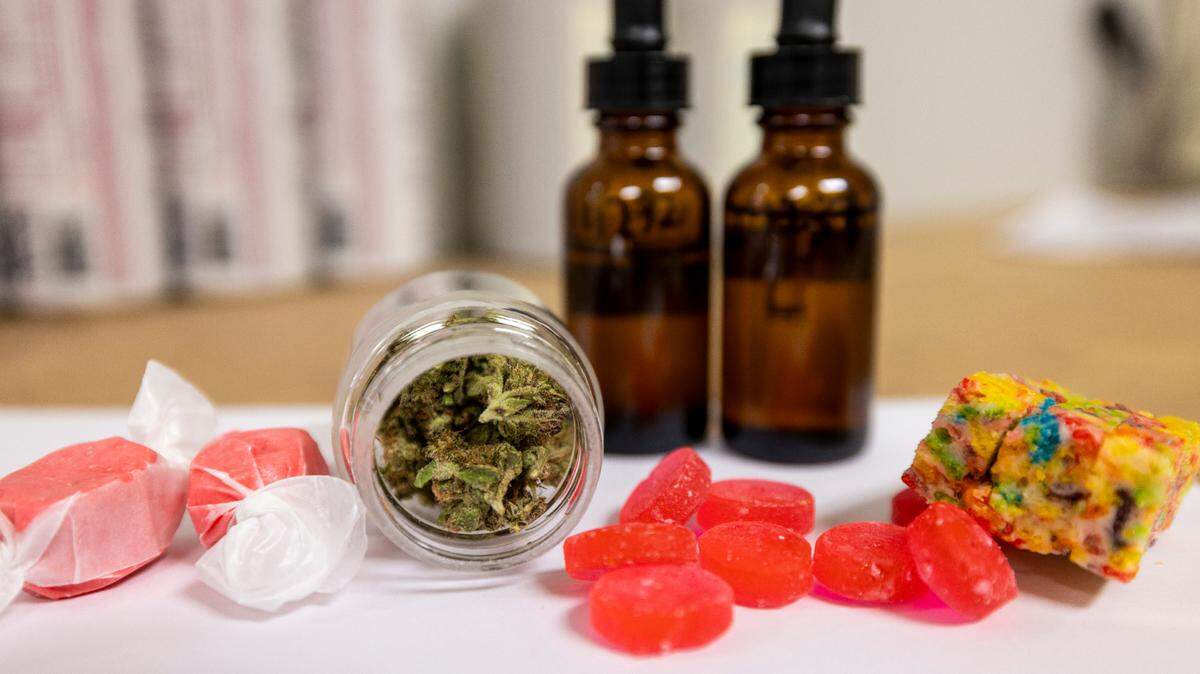
Cannabis products grow in popularity, but pose risks. What to know about THC.
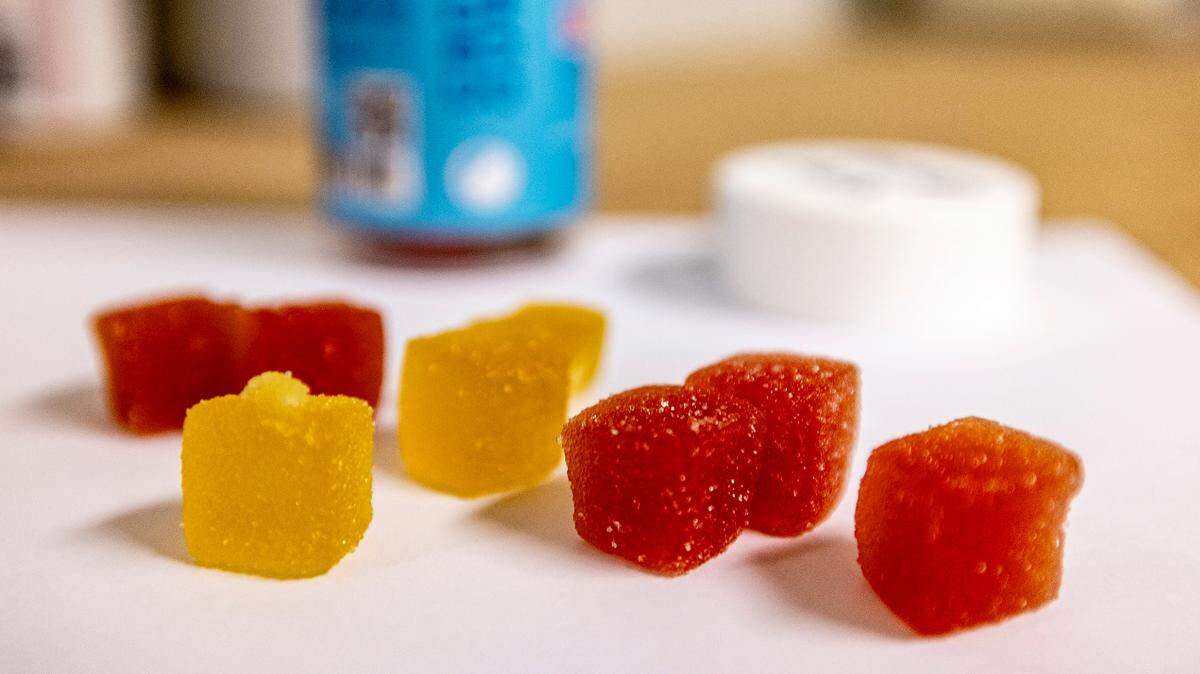
NC hemp shop owners fear ‘total collapse’ of industry under new federal law

Hemp sodas, gummies and vapes are everywhere. What NC doctors say about risks
With hemp rules tightening, users worry about access to THC-infused products
Ambien. Melatonin. Magnesium. Klonopin. Trazodone.
None of the prescriptions and over-the-counter sleep aids worked for 74-year-old Ruth Renfro. The one thing that helped, she said, were Delta-8 THC gummies.
“If I don’t get my rest, I just feel out of sorts the next morning,” said Renfro, a retired high school and college educator who lives in Western North Carolina. “And I would think a lot of people agree with me.”
She’s taken half a gummy each night, about 12.5 mg, and has nearly every night over the last eight years, she said, and prefers it over past prescriptions.
“I just don’t want to have to take those,” she said. “I have found what works for me, and if I’m not allowed to get that anymore, it’s going to be a bad, bad day.”
Hemp comes from the same cannabis plant as marijuana, but the two are classified differently based on their tetrahydrocannabinol (THC) levels. Hemp must contain 0.3% or less of Delta-9 THC, by dry weight under the federal law’s current definition.
Delta-9, the psychoactive cannabinoid responsible for the high in marijuana, is one of over 100 cannabinoids found in or derived from the plant. Delta-8 is another cannabinoid that has a calming effect that causes euphoria and can cause mild intoxication for some people.
The federal government changed the definition of hemp last fall. It goes into effect in November, prompting concerns from those in the hemp industry, who say it will kill their businesses and leave customers looking for black-market alternatives.
Whitney Economics, a cannabis and hemp consulting, data and economic research company, expected legal adult-use and medical sales to top $31.4 billion in 2024. A forecast calls for it to grow to $67.2 billion in 2030, but that was before the changes at the federal level.
.JPG "RAL_THCBEV-NE-012726-RTW (1).JPG")
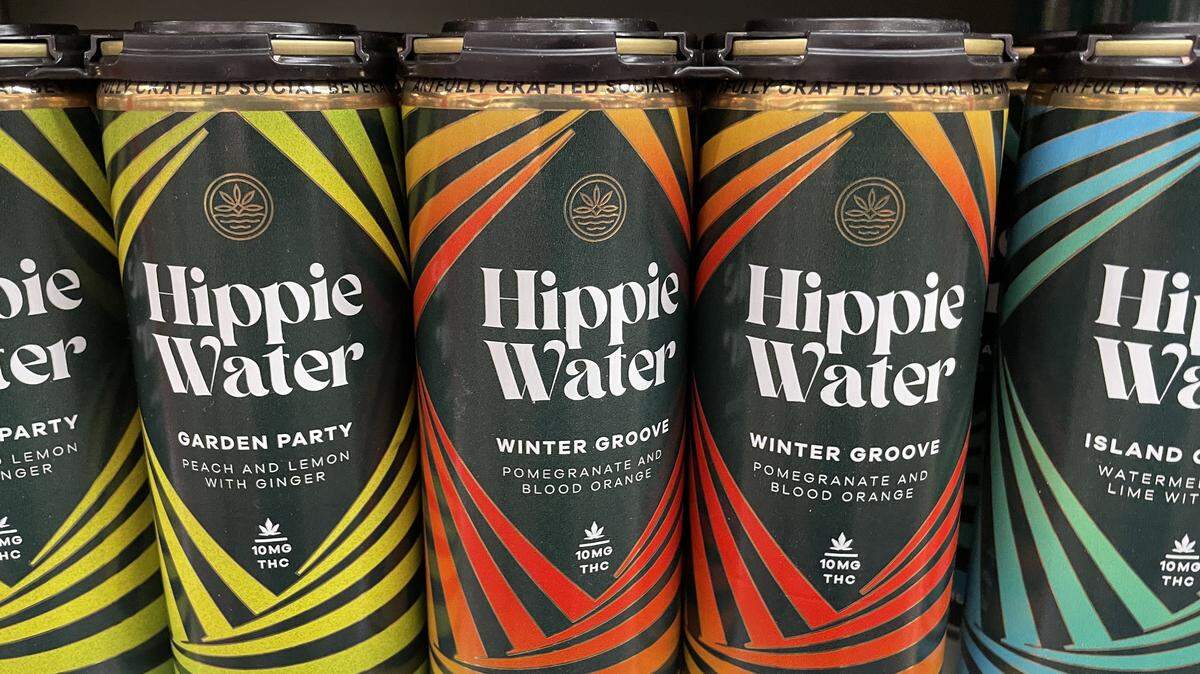
Gummies and THC-infused beverages
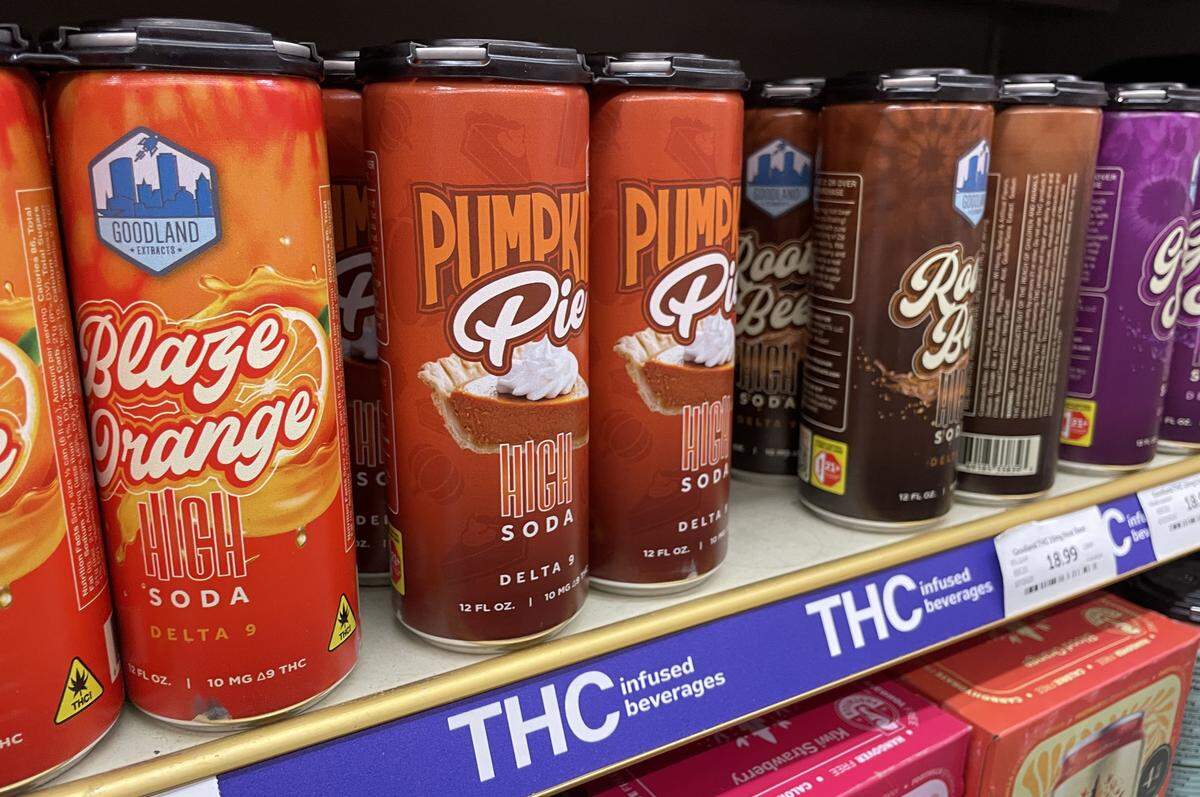
Inside dispensaries and hemp stores, the shelves are lined with hemp flower, brightly colored packages of gummies and THC-infused beverages.
The market for hemp-infused beverages has boomed partly because there is still stigma around cannabis in general, and a beverage is more approachable to people, said John Boccella, who co-owns The Hemp Company, which has two stores in Wake County.
“The beverages are some of my favorite products, actually, and that’s really the main way that I choose to consume at this point in my life,” he said. “It’s very simple. It’s very convenient. You can sit down at home, and you can turn on the game and have a drink and just relax. And you’re good, you know? You don’t wake up with a hangover, and you’re not destroying your liver or any other problems that you know are typically associated with alcohol.”
But regardless of the method someone chooses to consume cannabis or hemp, they should start slowly and in a safe environment, he said.
“We’re in a ‘Super Size Me’ kind of society where bigger, better, stronger is good,” Boccella said. “And that’s, generally, not the case.”
There are also no packaging or labelling standards, and it can be confusing for first-time customers. For instance, a bag of gummies may say 1,000 milligrams on the bag, but it’s because the bag has 50 gummies at 20 mg each, Boccella said. Other brands may just state the dosage per item.
Renfro’s brother also uses Delta-8 gummies to help him sleep, and many of her Ashe County neighbors use THC products. She doesn’t experience intoxication, but gets sleepy. And a little thirsty.
“You just feel relaxed,” she said. “And I just go on to sleep, which is heaven for me anyway.”
This story was originally published March 12, 2026 at 8:00 AM.