Cannabis products grow in popularity, but pose risks. What to know about THC.
AI-generated summary reviewed by our newsroom.
- Hemp market growth since 2022 spurred jobs and $1.1B in potential sales.
- Emergency visits for under-18s rose 924% from 2017 to 2025.
- Regulatory gaps persist; federal THC caps (0.4 mg/package) could curb many products.
READ MORE
The hemp industry & North Carolina
A new federal definition of hemp could upend the hemp industry. It comes as the popularity of hemp products, like THC-infused sodas, gummies, vapes and oils, has skyrocketed. But some in the hemp industry worry that the new laws could cause a “total collapse” of their livelihood. These stories explain the situation with experts sharing the risks of using the products.
Expand All
Cannabis products grow in popularity, but pose risks. What to know about THC.
NC hemp shop owners fear ‘total collapse’ of industry under new federal law
Hemp sodas, gummies and vapes are everywhere. What NC doctors say about risks
With hemp rules tightening, users worry about access to THC-infused products
Hemp-derived gummies and other products proliferated after the state approved the production and sale of less-powerful cannabinoids in 2022, but so did the danger they pose to children.
A 2023 national cannabinoid report estimated there were 328,000 hemp industry jobs in North Carolina and over $13 billion in wages, ranking the state sixth nationwide for the number of hemp suppliers.
North Carolina produced just over 19% of U.S. hemp in 2023, the report said, with potential sales estimated at over $1.1 billion based on market and population data. The potential state sales tax revenue was estimated at $36 million.
Until recently, the hemp industry encountered few rules, including no required age checks for purchase of hemp products or licensing of sellers. In June, recognizing a need to protect children, N.C. Gov. Josh Stein formed the N.C. Advisory Council on Cannabis to recommend changes.
Later this year, new federal rules will go into effect that could further tighten restrictions on hemp, experts say, outlawing many hemp products sold today.
Toxic levels of THC, the primary psychoactive compound in cannabis, can cause children to experience anxiety, dizziness, tremors, confusion, hallucinations, vomiting, and unconsciousness.
In North Carolina, the total rate of emergency department visits related to cannabis consumption and involving children under 18 grew by 924% between 2017 and 2025, to over 30 visits per 100,000 residents, N.C. Department of Health and Human Services data shows.
The highest rates of emergency room visits were among teens, ages 15-17, followed by preschool-age children, the data shows.
Haw River Police Chief Toby Harrison, the 2026 president of the N.C. Association of Chiefs of Police, said one of his biggest concerns is these types of products getting into the hands of children and teenagers.
“These are getting passed around at high schools and things like that,” he said, urging parents to research THC products and talk to their children about the potential risks.
Some retailers are being held accountable, including two Triangle area store owners arrested Jan. 22 after an Alcohol Law Enforcement investigation that found THC gummies and flower exceeding the state’s legal limit of 0.3% of Delta-9 THC, which creates the high when users consume cannabis products, including hemp.
What cannabis products are legal in North Carolina?
Both hemp and marijuana come from the Cannabis sativa plant, but contain different levels of THC, or tetrahydrocannabinol. The 2018 Farm Bill legalized hemp nationwide, and in 2022, it became legal to grow and sell hemp in North Carolina.
The state has not legalized marijuana, but hemp products that contain 0.3% or less of Delta-9 THC by dry weight are legal. Marijuana can have THC levels as high as 90%, experts say, but it’s hard to tell the difference by looking at the product.
What is the difference between THC and CBD?
Cannabis sativa contains over 100 types of cannabinoids, but the two most common types are THC, which causes psychoactive effects, and CBD, which is thought to have therapeutic effects. Both can cause a person to fail a drug screening test.
THC can also be addictive, and in severe cases, lead to cannabis use disorder, affecting a person’s ability to function at home or work and causing health problems, experts say. Products sold to consumers can contain one or more of several Delta compounds:
- Delta-8 THC: A mild form with calming effects that causes euphoria and mild intoxication, but less anxiety and paranoia.
- Delta-9 THC: Responsible for the more intense “high,” Delta-9 is also the primary psychoactive compound in illegal marijuana. It can increase appetite and impair coordination and reaction time.
- Delta-10 THC: The mildest compound, Delta-10 THC can be stimulating and mildly intoxicating but is found in very small amounts, usually combined with Delta-8 or Delta-9.
- Delta-11 THC: Rare but can be blended with Delta-8 or Delta-10. There is very little research about its effects.
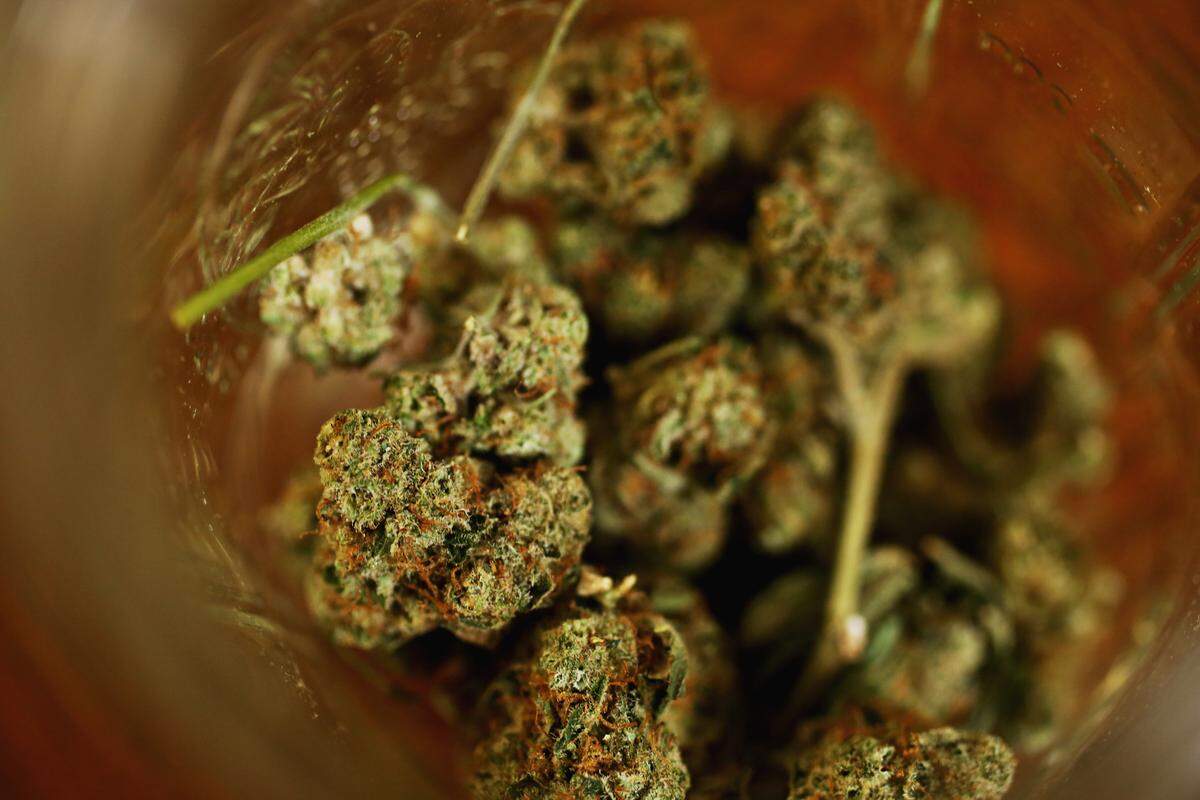
- THCa: Tetrahydrocannabinolic acid, or THCa, is found in THC “flower,” which is the dried plant and can be smoked. It’s not intoxicating in the raw form, but smoking or vaping converts THCa to Delta-9 THC, sometimes at higher concentrations. That puts it in a legal gray area under the 2018 Farm Bill that legalized lower-level hemp.
- THCP: Tetrahydrocannabiphorol, or THCP, is legal and often more potent than Delta-9 THC, so users are encouraged to start with smaller doses. It’s found naturally in very small amounts, so commercial products are usually synthesized chemically.
What products can be sold and where?
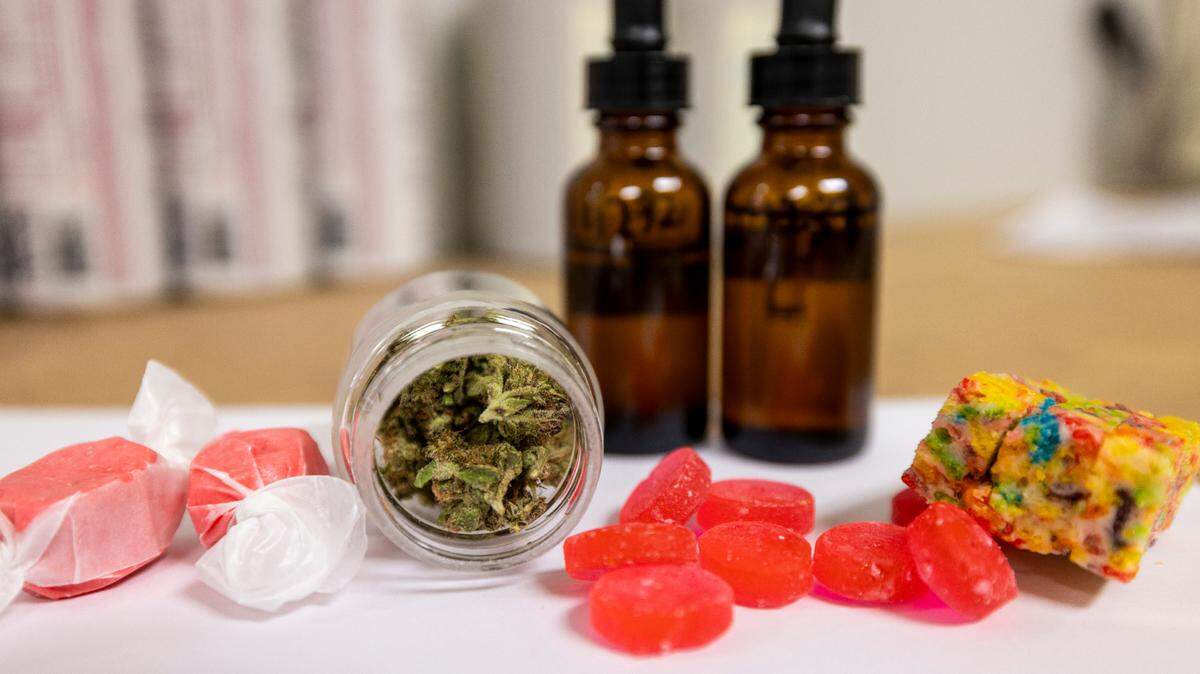
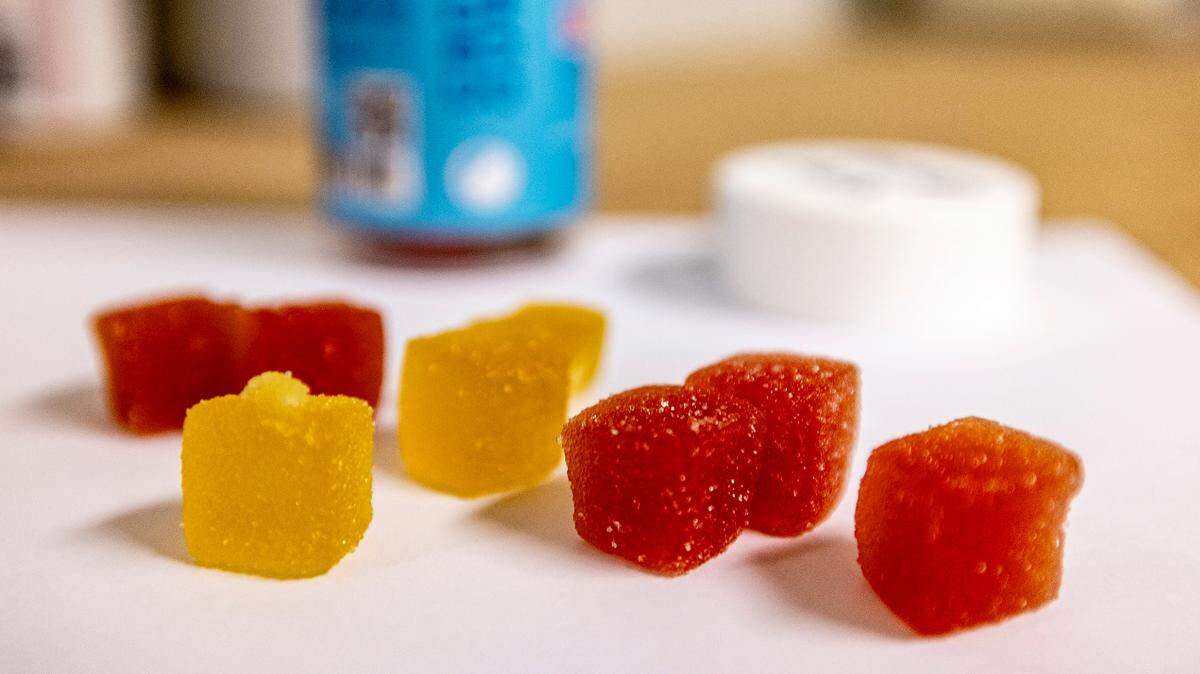
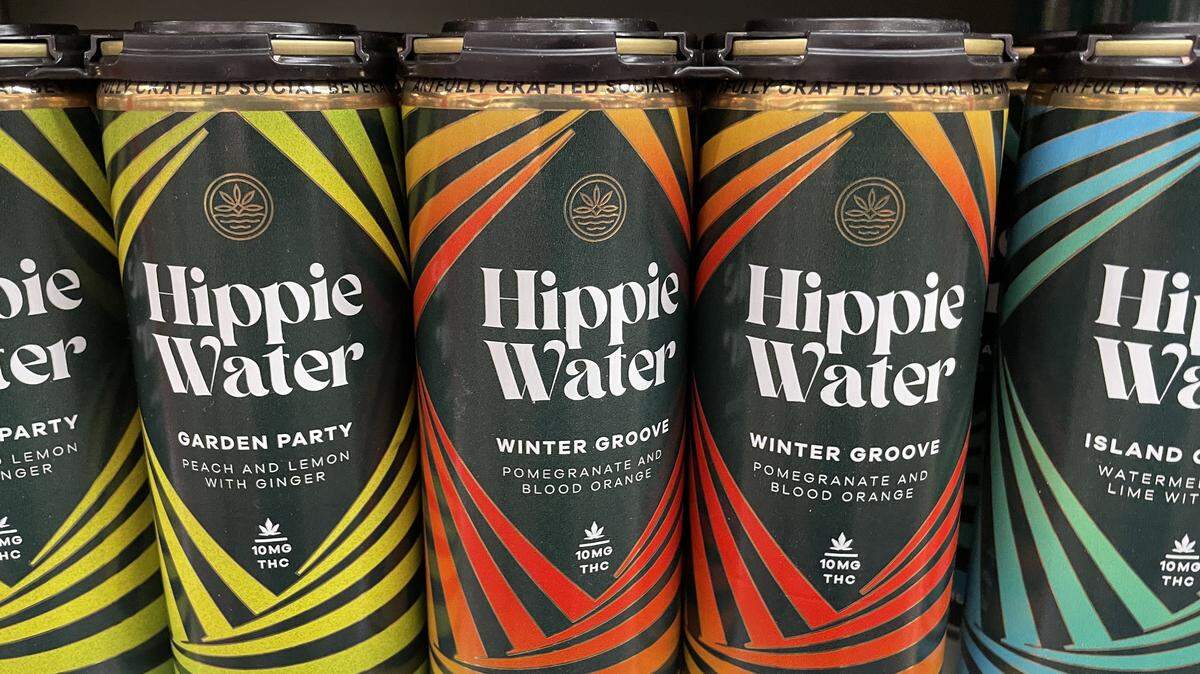
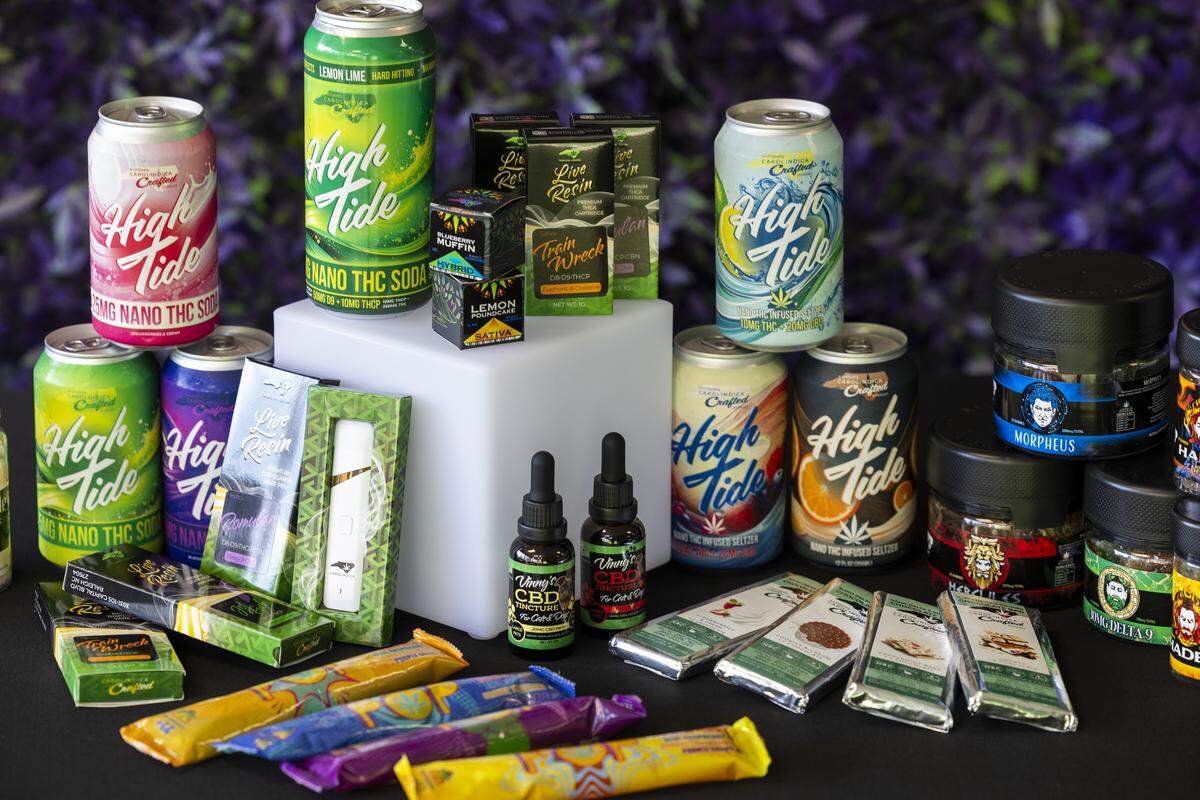
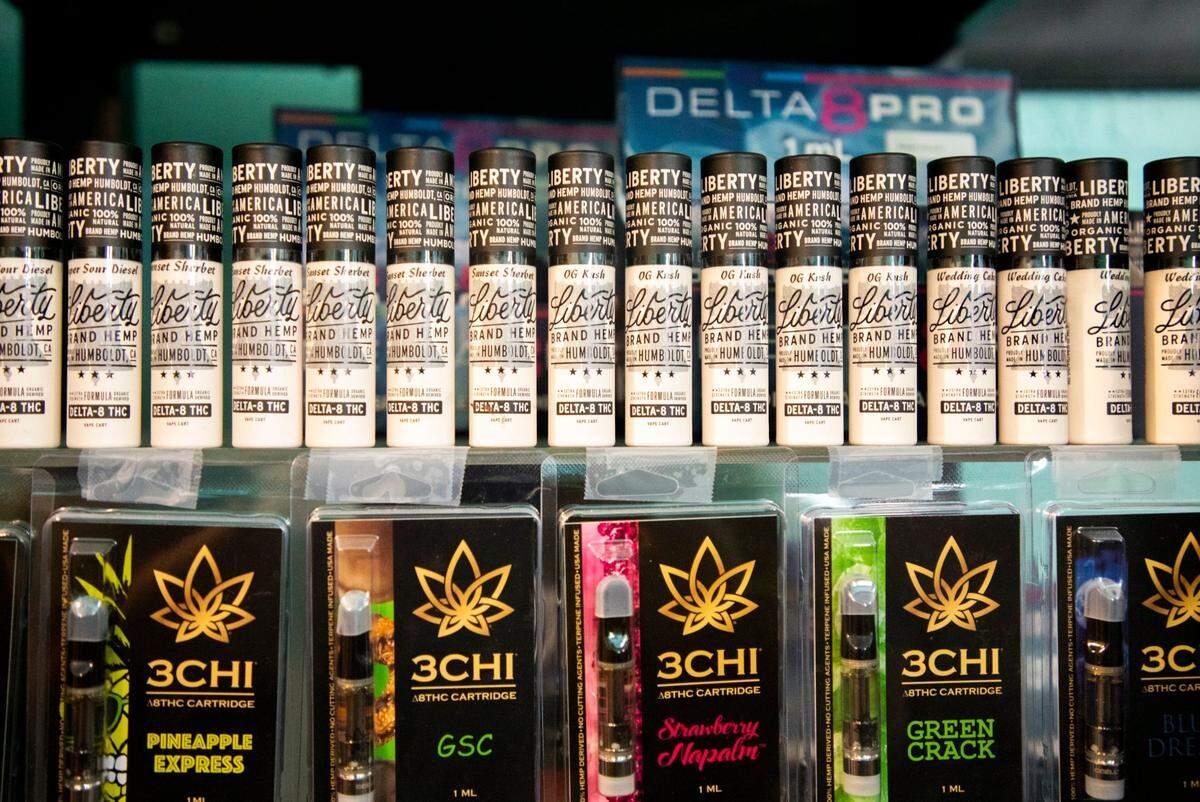
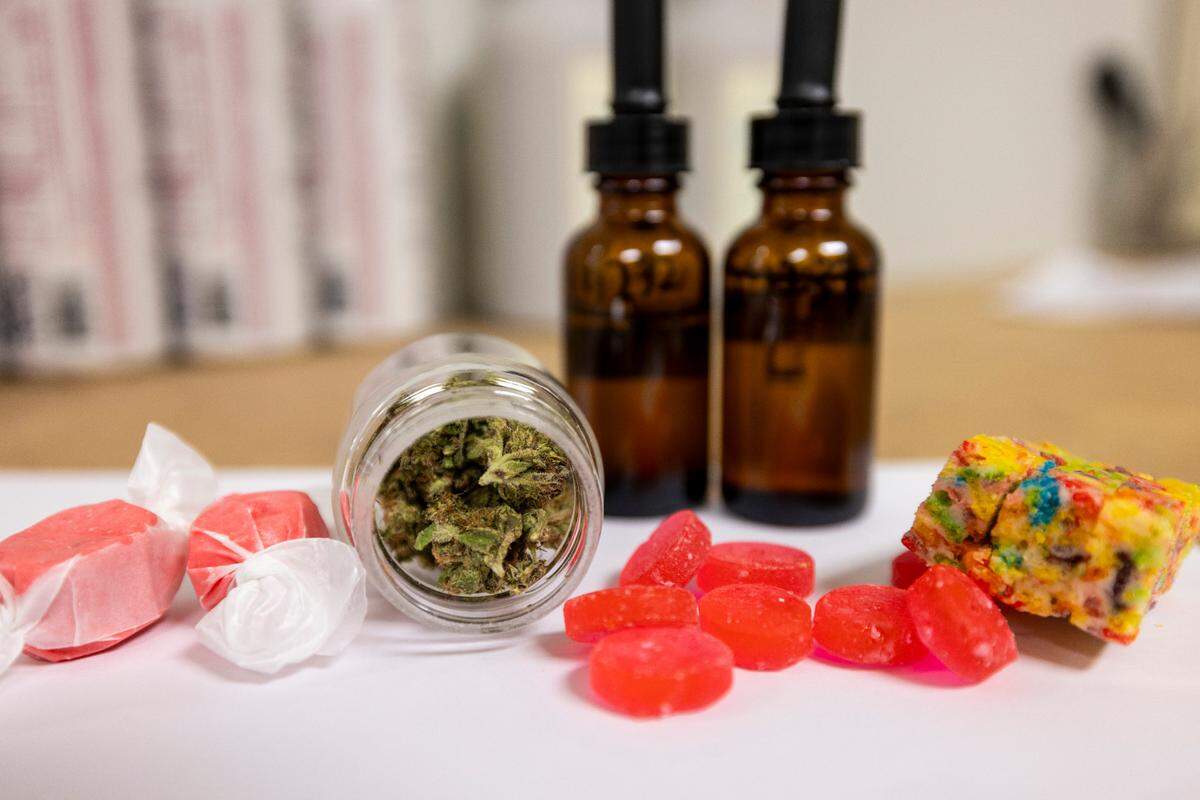
Since 2022, the number and type of products has grown, but the most common are beverages, gummies and sweets, vapes and flower. Hemp-derived products are sold in specialty stores, vape shops, or online, and also can be found at some convenience stores, groceries, gas stations and bars.
THC-infused and CBD-infused beverages are also available in some national retailers like Total Wine and Target.
Who can buy THC products?
N.C. lawmakers debated but failed to implement a change last year that would have limited the sale of THC products to people age 21 and older. Some stores have their own policies, but it is still legal for minors to buy and possess those products.
Can cannabis products be used safely?
Elyse Powell, executive director of the N.C. Harm Reduction Coalition, offered these tips for adults who might use hemp-derived cannabis products:
- Start with a low dosage and increase it slowly.
- Never use cannabis when you are alone.
- Edibles and oils are safer than smoking cannabis.
- Don’t mix cannabis with alcohol or other drugs.
- Read labels and learn about the products and dosages before you consume.
Does smoking or vaping increase the effects?
Yes, but to varying degrees.
THC products do not become illegal when smoked or heated, but the process can cause the THC content to exceed legal limits, leaving some users more intoxicated than they expected. Other potential effects include rapid heart rate, dizziness or nausea, anxiety, paranoia, and impaired motor skills, depending on the user’s tolerance, experience with the drug, and the dosage.
How are state, federal laws changing?
The state legislature failed to pass several changes in 2025 to regulate THC products, including labeling and advertising rules, a ban on packaging and advertising that appeals to children, and a ban on THC products on school property and university campuses.
But new federal laws could take effect later this year that cap total THC at 0.4 mg per package, in addition to the 0.3% THC threshold. Business owners expect that to dramatically affect sales of THCa flower and stronger edible products.
The new laws could also affect sales of “full spectrum” CBD products.
“Most hemp products — if not all — that we see on the market today would become illegal under federal law,” UNC professor Phil Dixon said in a blog post last year. “We have gone from an expansive definition of hemp to a very restrictive one on the federal level. It’s like going from essentially zero regulation to a near-total ban.”
Reporter Anna Roman contributed to this article.
This story was originally published March 12, 2026 at 5:15 AM.