Call me crazy, but I have doubts about VinFast’s new NC factory timeline
I’m Brian Gordon, tech reporter for The News & Observer, and this is Open Source, a weekly newsletter on business, labor and technology in North Carolina.
Like many Durham residents, I own a Durham Bulls baseball cap. It’s navy with the signature snorting bull charging through an orange “D.” Sun has bleached the brim a bit, but it’s still in good shape. I don’t want to lose it and certainly don’t want to consume it. However, if the Vietnamese carmaker VinFast actually makes electric vehicles at its long-promised North Carolina factory by 2028, as the company this week reiterated it will, then I’ll eat my hat.
Why am I skeptical, even after VinFast this month submitted a new plant building permit?
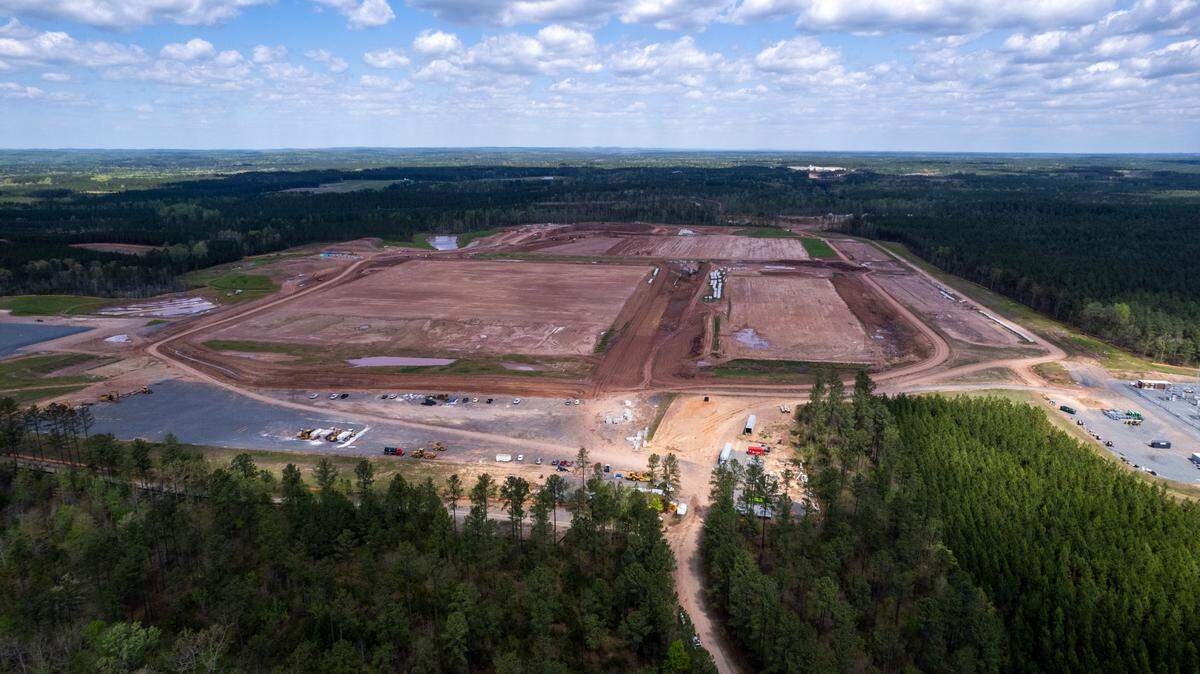
First, it is really difficult to introduce a new car brand into the crowded North American auto market, as VinFast itself has seen. Four years ago this month, the company vowed to open a plant in Chatham County by 2024 and employ 7,500 people there at full capacity by 2027. Today, the site 30 miles southwest of Raleigh remains empty.
Dinged by horrendous reviews of its inaugural EV, the VF8, VinFast reported delivering 3,800 vehicles to the U.S. in 2024. The company declined to share updated figures this week, though more than eight in 10 cars it sold last year were in its home country (many to businesses affiliated with its billionaire CEO). VinFast hopes this geographic distribution will change, but it’s not like American electric vehicle demand is scorching.
“The environment for EVs right now in the US is tough for the best EVs, and the VF8 was not the best EV,” Ezra Dyer, a senior editor for Car and Driver who lives in Southern Pines, told me. “You still see them around Raleigh at least, but it’s when someone sees one, they post a photo of it on Instagram. Like, ‘Look what I saw.’ That’s not what you want as a car company.”
Second, VinFast has spent the past two years seeming to pivot away from the continent. Former VinFast employees described the young company’s initial North American rollout as chaotic — with media relations blunders, a rushed vehicle, and top-down decision-making from Hanoi hindering daily functions. Businesses can learn, and VinFast certainly faced a steep cultural gap, but the carmaker hadn’t brought up its North Carolina plans in recent earnings calls, instead highlighting factory projects in India and Indonesia.
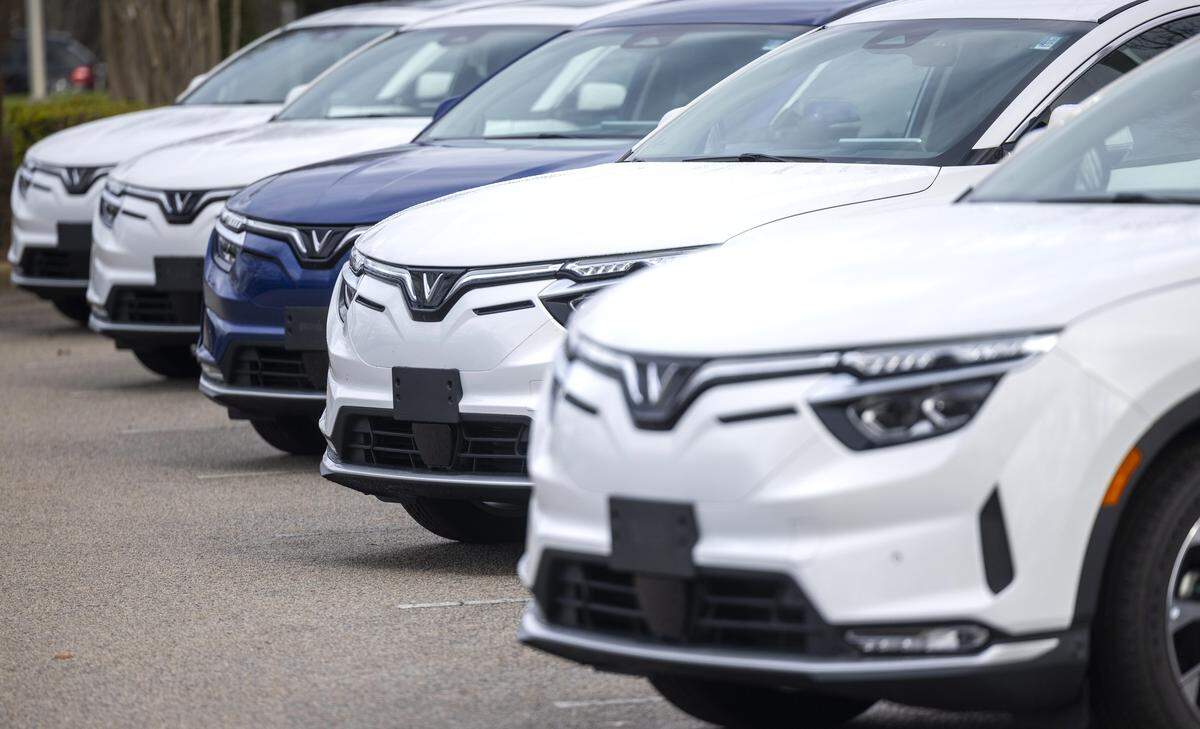
The company closed a handful of U.S. dealerships in 2025, with the industry outlet Automotive News reporting that Leith VinFast in Cary stopped selling vehicles. VinFast once leased space in the same downtown Raleigh office building as The N&O. It’s not clear the office was routinely occupied, and today, the company’s name no longer appears in the lobby directory.
More signs of a company shifting away: Last year, VinFast declined to make Brook Taylor, its head of manufacturing and government relations in the U.S., available to discuss the company’s North Carolina timeline. And in a LinkedIn post a few months ago announcing his departure from the company, VinFast’s U.S. spokesperson Jeff Holland wrote, “I truly wish we could have realized the full scope of the ambitious plans we initially set out to accomplish.”
VinFast’s (and North Carolina’s) site buyback considerations
This all seemed like a chapter closing. So it was surprising to hear VinFast tell investors Monday that its dormant North Carolina plans were back on. And that construction would resume this year. “VinFast remains committed to its North Carolina project and has recently resumed development activities,” a company spokesperson wrote this week in a WhatsApp message.
On March 6, the company filed a permit to Chatham County for a 774,400-square-foot “manufacturing building.” This permit application was for a foundation only and doesn’t include any vertical construction above one level. VinFast submitted building permits in the past, before subsequently delaying its project by four years, so a filing alone is no guarantee. But this latest effort could signal it’s again serious about North Carolina — especially with one Chatham economic official relaying that VinFast now seeks to open a more realistic 1,400-employee facility.
Or this is all a sign the company doesn’t want North Carolina to claw back money. In March 2022, VinFast received $1.25 billion in combined state and county incentives, including up to $125 million to reimburse the company for upfront site preparation. As of July 2024, the state had paid VinFast $51.7 million, taxpayer dollars North Carolina can demand back if VinFast doesn’t eventually employ 3,875 local workers. And come July 1, the state can force VinFast to sell North Carolina all or part of the site, which sits near the community of Moncure and could be desirable to other businesses.
“Ultimately, we’ll proceed in a way that advances the full economic development potential of that industrial site,” N.C. Department of Commerce spokesperson David Rhoades told me in an email Tuesday.
VinFast continues to lose a tremendous amount of money — $2.85 billion last year, including a $236 million write-down on its Chatham County land. Its CEO, Pham Nhat Vuong, is Vietnam’s wealthiest person; it’s not clear what amount of money will deter his automotive pursuits.
Perhaps he’ll even stomach enough losses to make a North Carolina factory real. In which case, I’ll look silly, and North Carolina will celebrate its first-ever major car plant. But I promised to eat my Bulls cap if VinFast starts Chatham County production by 2028. That would mean the company’s latest U.S. timeline unfolds without a major hitch. And I’ve seen no evidence to believe that will happen.
Clearing my cache
- Is the SaaSpocalypse upon us? AI disruption fears have plunged the stock prices of “software as a service” companies like the Wilmington bank software provider nCino. In an N&O interview, nCino’s chief technology officer said what he believes investors get wrong about this AI threat.
- German industrial manufacturer Siemens promises to add 350 jobs in two booming Raleigh bedroom communities, Wendell and Knightdale, where the company aims to make equipment for data centers. And by booming towns, I mean booming: Wendell had fewer than 2,300 residents when Siemens opened its first office there in 1980. Today, the local population tops 20,000.
- North Carolina’s Family Dollar will close a distribution center near Charlotte, resulting in 373 layoffs. Dollar Tree sold the struggling discount store brand last year to private equity firms.
- The U.S. Senate and House passed bills to restart the Small Business Innovation Research (SBIR) and Small Business Technology Transfer (oddly initialed STTR), steps Triangle stakeholders have championed after the programs lapsed in September.
- Red Storm Entertainment in Cary is closing its game development division and laying off 105 workers. The studio was cofounded by best-selling author Tom Clancy.
National Tech Happenings
- #FiberisChanging. A private equity firm is acquiring Google Fiber, an internet provider that arrived in the Triangle with t-shirts and a hashtag 11 years ago and has since stretched into North Carolina towns. Stonepeak will merge GFiber with its company Astound Broadband while Google’s parent Alphabet keeps a minority share.
- A federal judge has blocked the Justice Department’s subpoenas to Federal Reserve Chair Jerome Powell, noting the government presented “essentially zero evidence” into any criminal activity.
- The Trump administration has charged a $10 billion transaction fee for facilitating the sale of TikTok to U.S. investors, including payments from Oracle and the tech-focused private equity firm Silver Lake. Not a shock to say it’s controversial.
Thanks for reading!
This story was originally published March 20, 2026 at 7:00 AM.