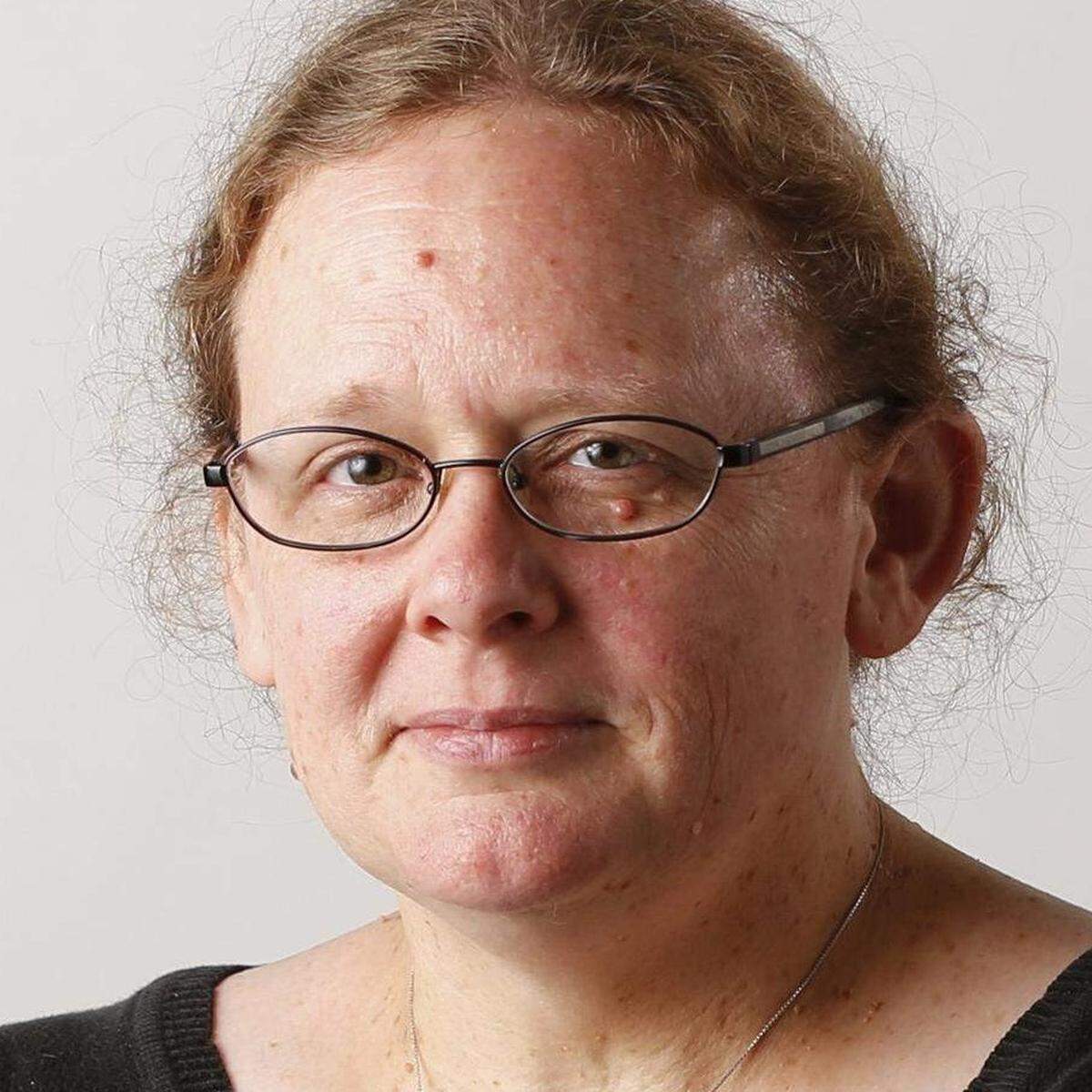
Why this retired UNC professor is selling his estate to fund racism education
AI-generated summary reviewed by our newsroom.
- 88-year-old retired social psychologist lists Chapel Hill estate to fund racism center.
- Proceeds will fund a small center to display his family and slavery materials.
- Property marketed for redevelopment under recent zoning reforms enabling 'missing middle'.
At 88, Bibb Latané — the retired social psychologist known for studying the “bystander effect” and modern theories of social influence — is preparing to sell most of his family’s estate in Chapel Hill’s historic district.
The proceeds, he says, will be channeled into what he now sees as his life’s final project: advancing the study of racism and slavery.
As the descendant of former slave owners, “the motivation comes from a long reflection on my own family history,” he told The News & Observer in an email.
“Like many old Southern families, [it’s] intertwined with the history of slavery in this country.”
Over decades, he’s acquired a cluster of properties in Chapel Hill’s Cameron-McCauley Historic District. The four parcels at 213, 215, 219 and 223 McCauley St. hold five single-family homes dating back to the 1840s and early 1900s — four of which are registered historic structures.
Amid the town’s new zoning changes, adopted in January, it’s prime real estate for redevelopment. It sits south of the Franklin Street business district near UNC’s campus and The Carolina Inn.
This month, Grasty Realty listed the assemblage for $7 million. (It’s valued at $3.86 million, according to deed records.)
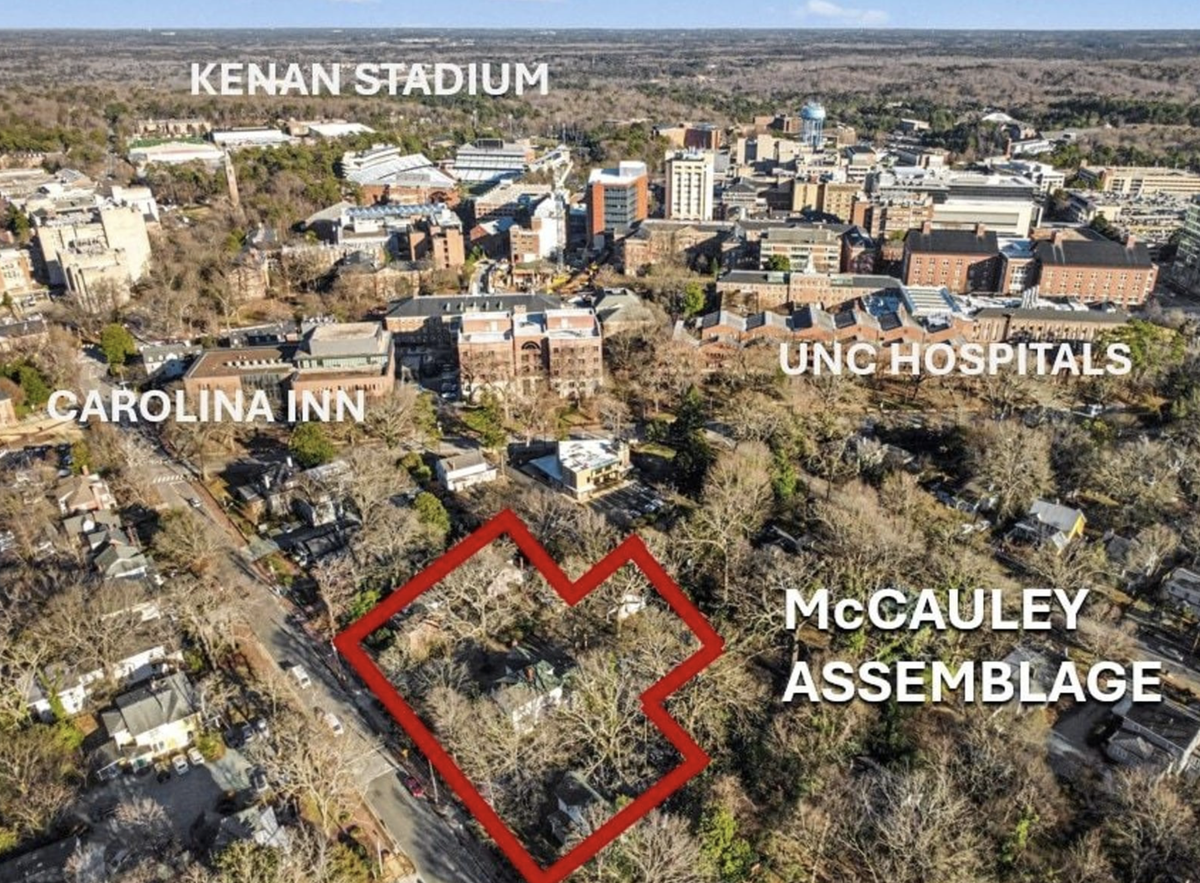
Latané says the revenue will fund his newly established “Center for Understanding Racism and Slavery,” a small research and educational center that he plans to run from his home at 212 Vance St., just around the corner from the properties.
Over the years, he’s accumulated a collection of paintings, period furniture, lithographs, books, documents and artifacts relating to his family’s past and to the broader history of slavery and race relations in the South. He wants to put them on display for the public.
“The goal is not to assign blame across centuries,” he said. Instead, he wants to show how these systems emerged, and how their legacies remain embedded in the present.
“If the sale of these properties helps make that educational mission possible, then I would regard that as a worthwhile outcome,” he said.
A family’s legacy of slavery
Latané doesn’t shy from his own family’s past.
One branch, the Latanés, entered Virginia in 1701, when a Huguenot refugee dispatched by the bishop of London took charge of a parish in Tappahannock and was granted land worked by enslaved people.
The family continued to hold enslaved people for more than a century. A later descendant — killed during J.E.B. Stuart’s famed cavalry ride to Gettysburg — was immortalized in “The Burial of Latané,” a lithograph historians say helped popularize the “Lost Cause,” a post-Civil War ideology that recast the Confederacy’s motives and legacy in a heroic light.
Latané traces his family’s other branch, the Wyatts and Bibbs, to Sir Francis Wyatt, Virginia’s first royal governor, who acquired his first enslaved person in 1623. His great‑grandson, William Wyatt Bibb, became Alabama’s first governor and presided over the violent removal of Native American nations and the expansion of a cotton economy built on enslaved labor, a system that fueled the rise of American capitalism.
“When you trace those lines across the centuries, you see participation in the slave system from the colonial period through the Civil War, followed by the long aftermath of segregation and racial inequality,” Latané said.
“The question that eventually presented itself to me was quite simple: What does one do with that knowledge? My answer has been to try, insofar as possible, to turn something troubling into something constructive.”
Rare 1.24-acre listing in Chapel Hill’s historic core could test ‘missing middle’ era
High‑stakes housing test: Can Chapel Hill add density without losing its past?
This story was originally published March 19, 2026 at 7:30 AM.