High‑stakes housing test: Can Chapel Hill add density without losing its past?
AI-generated summary reviewed by our newsroom.
- Sale of five McCauley Street homes on four lots tests zoning, market.
- Town pushes missing‑middle housing while HDC reviews preserve district exteriors.
- Preservation advocates cite renovation and ADUs as cost‑effective alternatives.
Historic properties don’t always stay frozen in time, instead growing and changing to meet modern needs, a process that can lead to renovation and demolition.
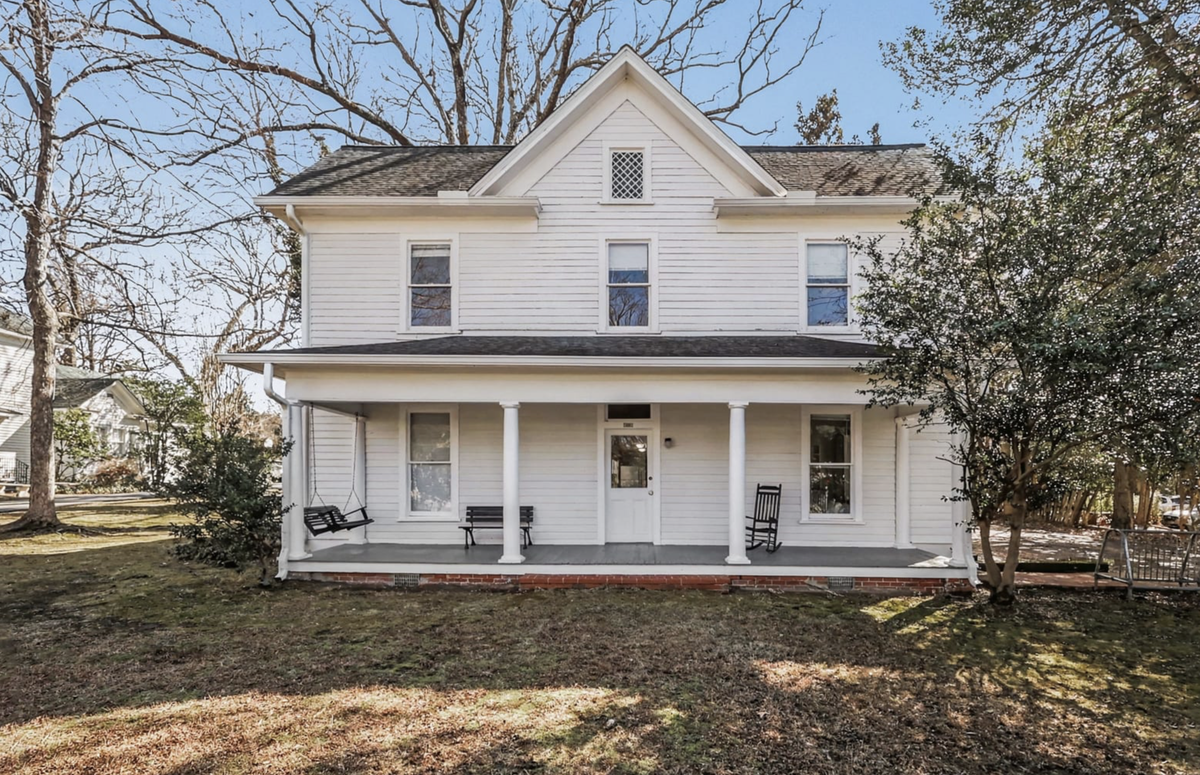
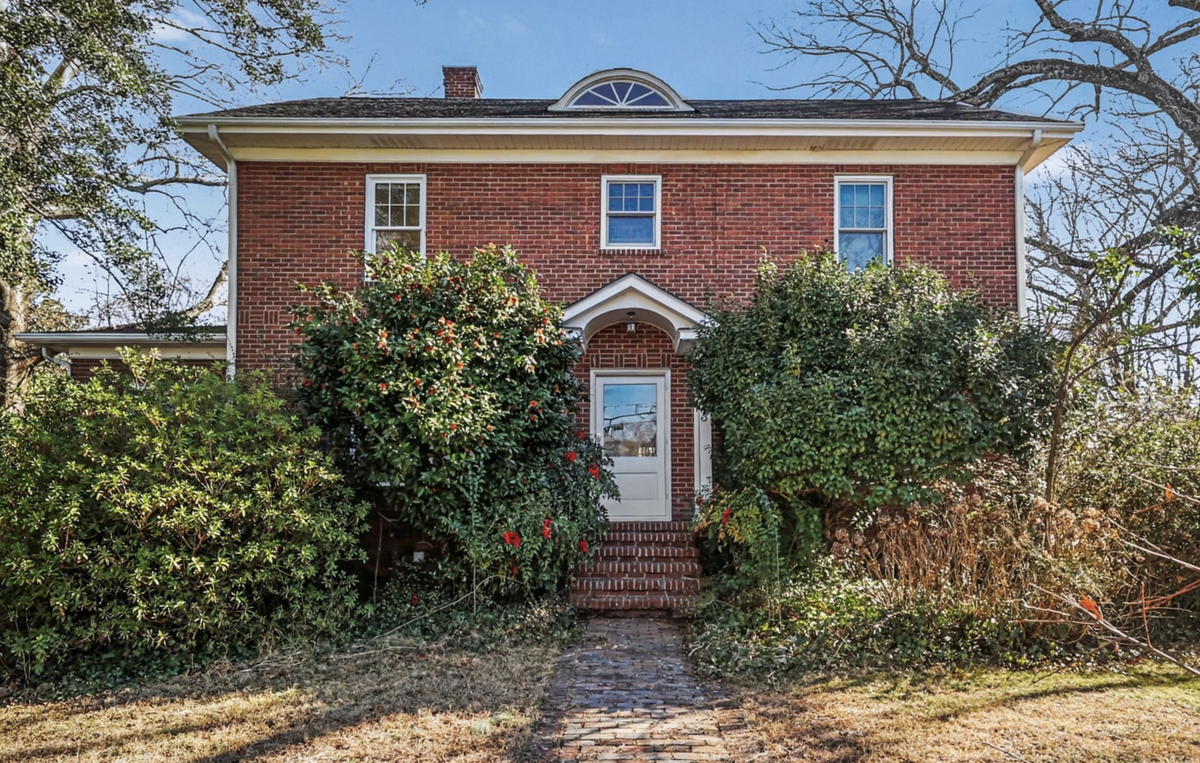
That means anything is possible with a 1.24-acre site composed of four lots and five homes that were recently listed for sale in Chapel Hill’s Cameron-McCauley Local Historic District.
Located in the 200 block of McCauley Street, the homes are a short walk to UNC-Chapel Hill’s campus and downtown, and are part of the West Chapel Hill National Register Historic District.
Landowner Bibb Latané wants to use sale proceeds to support his Center for Understanding Slavery and Racism, established last year to preserve historical and personal records, research slavery and systemic racism, and promote dialogue and understanding.
Latané acquired the land around his Vance Street home over the last 40 years. Four homes — rentals built between 1907 and 1934 — contribute to the National Register designation.
A new owner could keep them as rentals or make changes. Realtor Tom Grasty thinks that makes the sale a real-world test of Chapel Hill’s recent zoning changes, another step in the town’s attempt to simplify its historically time-consuming and expensive development approval process.
Single-family homes comprise over 40% of Chapel Hill’s housing, selling for a median price of $650,000-plus. The town wants dense and smaller homes that cost less because there’s less material involved or more people sharing land costs.
Latané’s land “is sitting right where everybody would love to build something, and it’s such a large parcel. There’s a lot of upside and opportunity, I think, to expand beyond simply rental properties,” Grasty said.

Opportunity in Chapel Hill zoning changes
Town staff declined to talk about what a new owner could do with Latané’s land. Grasty confirmed that most of the interest from buyers so far has been in continuing to use the homes as rental investments.
Chapel Hill’s Town Council initiated changes to get missing middle, or diverse, housing types in 2021. It first allowed duplexes and backyard cottages in single-family neighborhoods after a protracted and sometimes hostile public conversation. When that didn’t attract infill housing, the council approved more changes in January.
The McCauley Street lots are zoned R-4, allowing single and multifamily housing at roughly 11 homes per acre. Buildings can be 34 feet tall at the street and 60 feet tall at the lot’s core. Lots can be as small as 4,000 square feet, and homes can share driveways.
Phillip Lyons, with the nonprofit Preservation Chapel Hill, said he hasn’t heard about new infill projects or plans to replace historic homes, despite homeowners who sought in the past to demolish homes in the Franklin-Rosemary and Gimghoul historic districts.
Water leaks, vacancies and neglect are bigger threats, while infill and demolition can meet resistance, he said.
“So far, I think the [town’s Historic District Commission] has done a really good job with what they are supposed to do,” Lyons said.
Benefits to historic home preservation
Chapel Hill’s historic districts surround UNC’s campus, a reflection of how the town historically served faculty and students. Cameron-McCauley was laid out in the mid-1800s when lots were large and included space for grazing cattle, Lyons said.
Cathleen Turner, regional director of Preservation NC’s Piedmont Office, said the market and the buyers will determine the future of the McCauley Street homes, but losing them “would put a huge hole in the streetscape.”
“In a historic district like Chapel Hill, you’ve got a wonderful variety of architecture, but they each play well with one another,” Turner said. “There’s a rhythm to the streetscape” that would be disrupted by “tearing everything down and putting up something more monolithic,” she added.
Accessory dwelling units, such as backyard cottages, are also part of Chapel Hill’s historic landscape, and in Durham and Raleigh, duplexes and quadplexes “that are context appropriate” can be found in historic areas, she said.
“We are not inventing anything new here. So as far as Chapel Hill efforts [to create] that gentle density, that means not tearing everything down and building new, but adding to what we’ve got, which I think is the responsible thing to do,” Turner said.
National historic designation does not prohibit demolition or changes. In Chapel Hill, the Historic District Commission (HDC) reviews building exteriors in local districts for harmony with the neighborhood.
Approved projects get a certificate of appropriateness, and town staff confirms that construction meets zoning rules. If demolition plans are denied, that only protects a structure for 365 days while the HDC negotiates with owners. The Town Council only gets involved when projects exceed 20,000 square feet of building space or disturb an acre or more of land.
State and federal tax credits can reimburse owners of historic properties for up to 15% to 20% of the renovation cost. Preservation NC also has free technical experts available to help, Turner said.
She contends it can be more environmentally sustainable and cost-effective to preserve historic buildings, when accounting for the rising cost of materials and labor, dump fees, and community impact. A moderately sized home can send 62 tons of demolition debris to the landfill, she said.
“With more creativity and thought and respect for the community context, you can have a successful infill project without erasing what’s there,” Turner said.
NC push for more affordable housing
Chapel Hill is not the only N.C. town looking for creative solutions to the housing crisis, prompting state lawmakers to file dozens of bills in the General Assembly to address the growing need.
In Raleigh, city leaders have seen more teardowns of older homes since implementing policies to encourage infill housing. Durham has also updated its policies, but, as The News & Observer reported, more housing doesn’t necessarily mean more affordable.
Emila Sutton, Raleigh’s housing and neighborhood director, recently told the City Council that 2021-22 policy changes to attract so-called “missing middle” housing are starting to push rents lower.
It has also led to lawsuits, in one case, letting six homeowners in Raleigh’s Hayes Barton neighborhood advance their challenge to the city’s rules. However, the N.C. Court of Appeals let the developer start building the 17 controversial townhouses.
Durham approved the Expanding Housing Choices initiative in 2019, making it easier to build smaller homes, duplexes, and ADUs. Habitat for Humanity of Durham reported in October that more ADU permits were issued, but duplexes remained rare.
Another Durham policy — SCAD, or Simplifying Codes for Affordable Development — made highly contested zoning updates similar to Chapel Hill’s recent changes.
Rare 1.24-acre listing in Chapel Hill’s historic core could test ‘missing middle’ era
Why this retired UNC professor is selling his estate to fund racism education
This story was originally published March 19, 2026 at 7:30 AM.