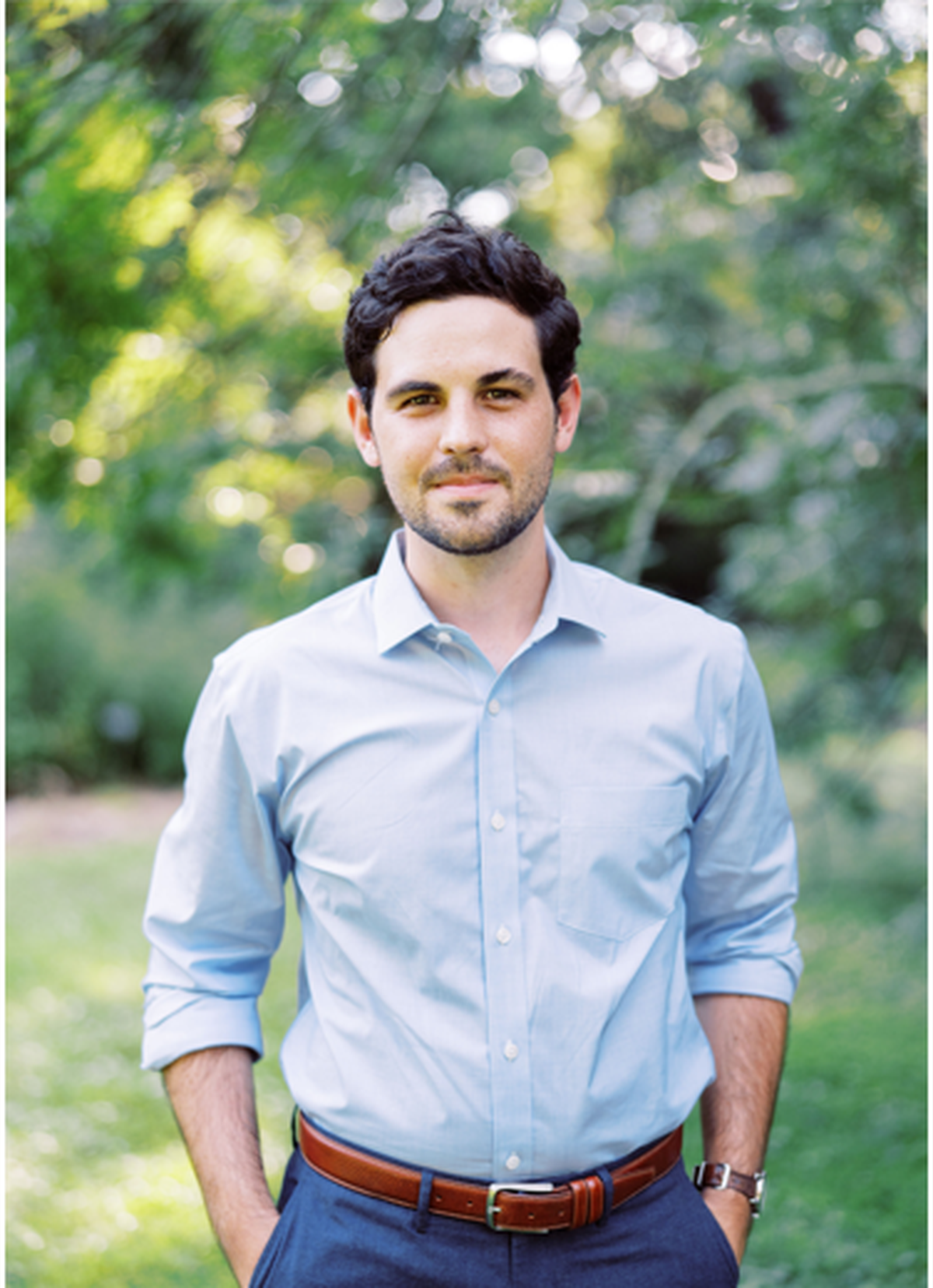
An entrepreneur placed a help-wanted ad in the Triangle. Applicants convinced him to move
READ MORE
The lure of losing a housing bargain
The Triangle housing market is setting price records every month. But it still looks like a good buy to people moving from other places along the East and West coasts. How does the Triangle’s record-high median home price look like a “deal” to so many migrants? This is The N&O’s special report.
Expand All
The Triangle housing bargain: Record home prices look like a deal from the West Coast

North Carolina has good home prices but low inventory — even when you can afford to compete

Raleigh needs more nightlife if it wants to keep attracting newcomers
An entrepreneur placed a help-wanted ad in the Triangle. Applicants convinced him to move
The idea of moving to the Triangle started when Ryan Bethencourt opened a Raleigh-based job for his plant-based dog-food company Wild Earth.
He had struggled to find applicants for customer success roles based in the Bay Area, and he figured the area’s cost of living had begun to dissuade many from applying for entry-level positions.
“In the Bay Area, we got maybe 10 applicants,” Bethencourt, 42, said. “But in the Triangle we got like 300 applicants. I mean, it was just like night and day.”
He was so struck by the response that he was on a plane to the Triangle a few weeks later. “It was the middle of the pandemic,” he said, “but I saw just an incredible quality of life here. There’s talent everywhere, great universities, great companies and great cost of living.”
A little more than a year after that first visit, it is hard to find someone who has typified pandemic-era migration more than Bethencourt.
He not only decided to ditch his small house in Oakland, California, for the Triangle, but also officially opened a second headquarters for Wild Earth in downtown Durham. It now has 15 employees in the Bull City.
Last September, he bought a four-bedroom home in Hope Valley Farms, a neighborhood in South Durham, for $400,000.
“The cost of living was such a huge problem in the Bay Area,” he said. “I mean if you moved from the Bay Area to the Triangle, you can buy a house for half of what you might have paid for in the Bay Area, sometimes a third of what you paid for in the Bay Area, and have double or triple the amount of space.”
Extra space was important to Bethencourt because he is now working from home more than he ever has. For the price of his suburban Durham home, he would probably be looking at a one-bedroom apartment in San Francisco.
But, at the end of the day, his move to the Triangle wasn’t simply about the cost of living, he said. That may have put his decision over the top, but without what he sees as a startup scene about to explode, he wouldn’t have considered the area.
“I think the awareness of the Triangle is only starting to pop up around the country,” he said.
This story was produced with financial support from a coalition of partners led by Innovate Raleigh as part of an independent journalism fellowship program. The N&O maintains full editorial control of the work. Learn more; go to bit.ly/newsinnovate
This story was originally published November 14, 2021 at 6:00 AM.