Black families are less likely than white families to own homes in NC. Here’s why.
READ MORE
Rising home prices, rising rents
Soaring rents versus unaffordable housing costs — in the Triangle, it’s an increasingly urgent dilemma, especially for lower-income buyers. With the median home price in Wake County now around $350,000, here’s how rising prices affect the rental market, plus some solutions for the future. This is The News & Observer’s special report on housing costs.
Expand All
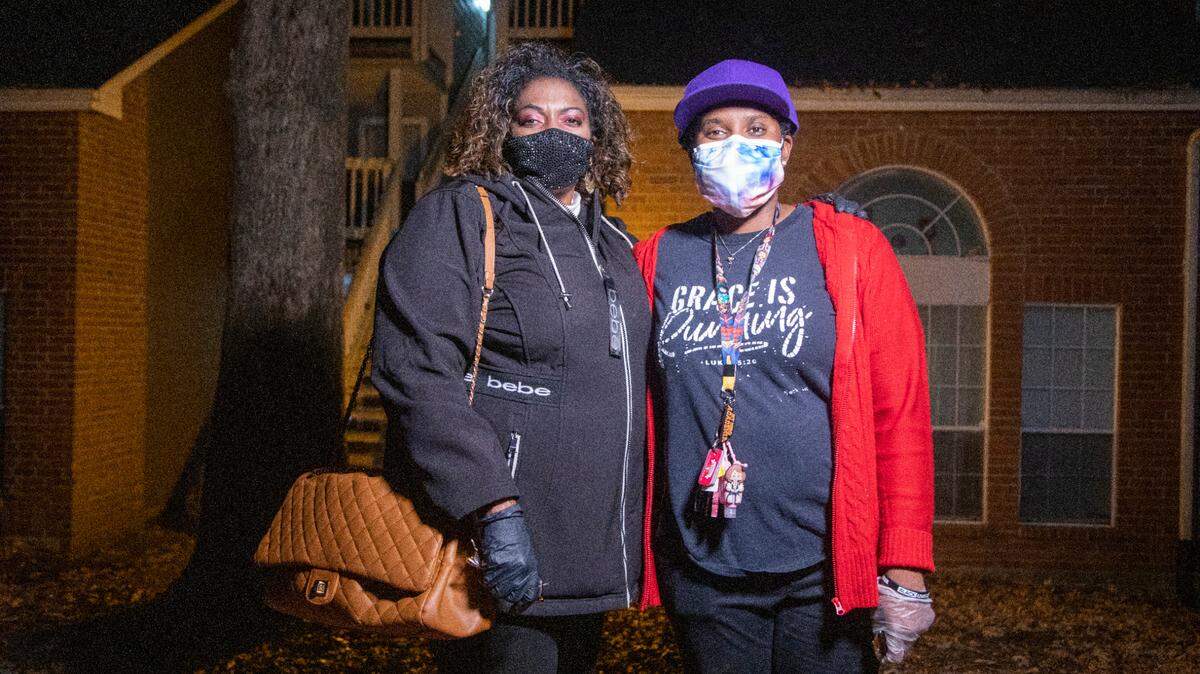
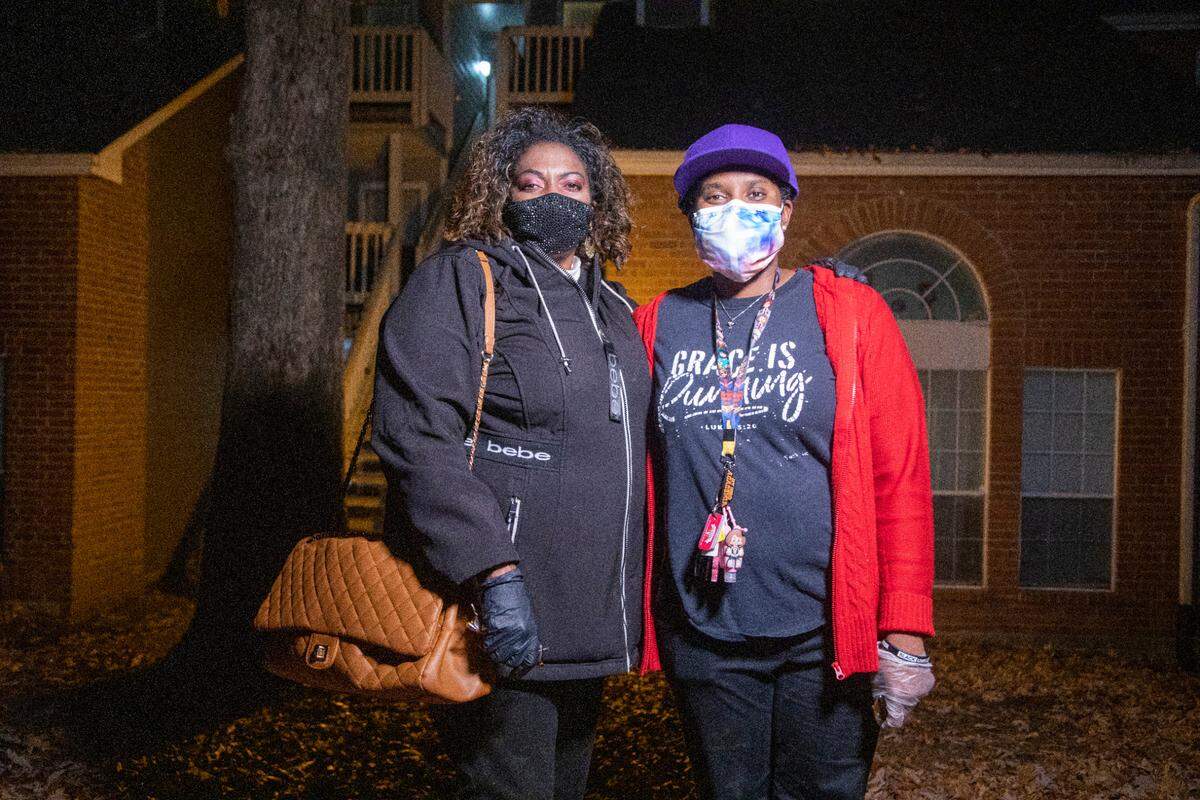
Before Marcia Cloud moved to Cary from Texas to find more affordable housing, she owned a home in Houston.
But Cloud, a 58-year-old Black woman, defaulted on her loan in 2010 and lost her home. She was one of many Americans who defaulted on their subprime mortgages in the wake of the Great Recession of 2008. But it was far worse for Black homeowners.
Nationwide, 790 of every 10,000 home loans made to Black households between 2005 and 2008, went into foreclosure between 2007 and 2009, according to the Center for Responsible Lending.
For white households, that rate was 452.
Now without a home, Cloud struggles to pay her $1,200 monthly rent for her Cary apartment.
In Wake County, 42% of renter households pay more than 30% of their income on housing, according to the N.C. Housing Coalition. For homeowners, it’s 17%.
And renters in Wake and the rest of North Carolina are disproportionately Black.
Among all Black households in the state, 47% own their home, according to the N.C. Housing Finance Agency. For white households, it’s 75%.
A history of racist policies — such as redlining
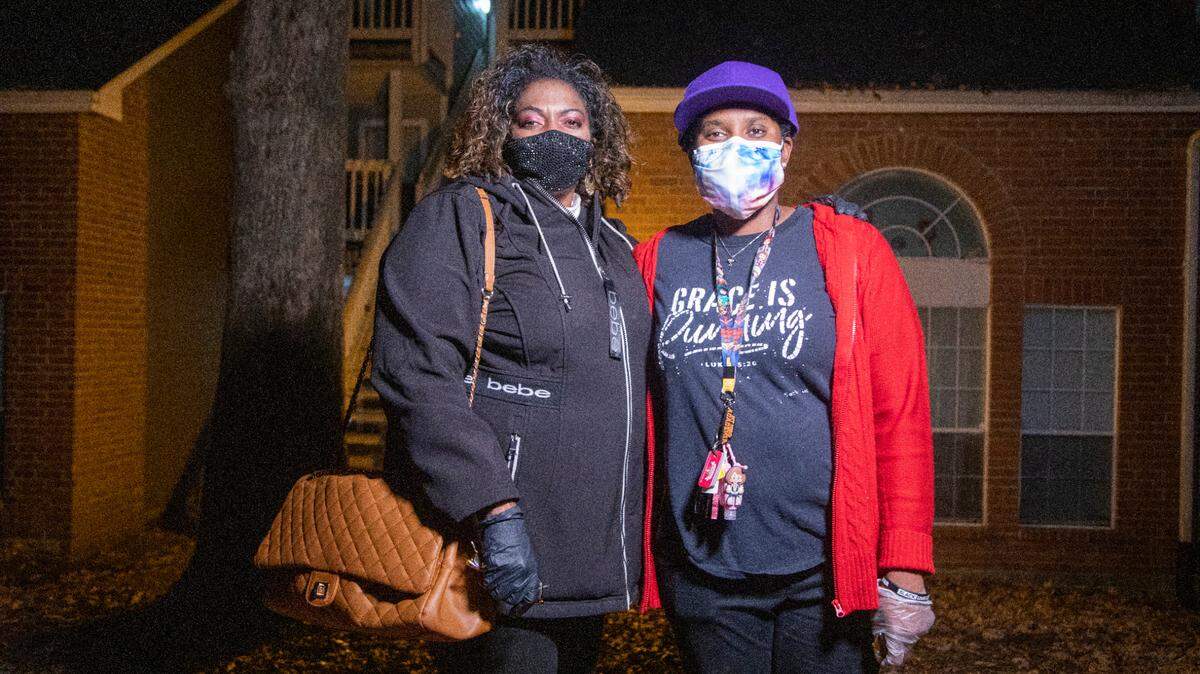
Carmen Cauthen, a local historian, said a history of racist policies is to blame for the racial gap in home ownership and wealth.
“I hear people say all the time, ‘Well slavery was however many years ago. You ought to be over that by now.’ It’s not about being over it. It’s the effects that came from it. If people weren’t taught to read and write. If people didn’t have any money. That doesn’t just disappear overnight,” she said.
Cauthen cited policies in the past such as redlining, a practice where lenders didn’t grant mortgages to residents of Black neighborhoods. On maps, these neighborhoods were shaded in red, hence the name “redlining.”
Cauthen, a Black woman, also pointed out that the Federal Housing Administration refused to finance low-interest loans for Black families in the mid-20th century.
More locally, she said, lots for houses in white neighborhoods in Raleigh are larger than those in Black neighborhoods. This meant that houses owned by white families tended to increase in value more over time.
“Your family was able to build wealth and leave you and your siblings the house, which you could either continue to hold or sell and divide the money, or rent and divide the money. That enables you to build wealth,” Cauthen said.
“From that standpoint, most white people don’t recognize that. They don’t know that. If your family was only able to rent and never purchase a home, then you didn’t have that first basic step that we use in America to build wealth. That’s a huge difference.”
‘We didn’t inherit anything’
Cloud, who was only the second generation in her family to own a home, said this history of racist policies affected how much wealth her family could build.
“It took a long time for us to buy homes in our family, in the Black community, a long time,” she said.
Cloud said her parents were relatively successful. They bought a home in New York, but by the time Cloud was in high school, they had to sell it and move back South to care for her elderly grandparents.
“We didn’t inherit anything. We didn’t get anything,” she said.
Cauthen said this is common for Black families, especially if they are first generation home buyers.
“Some people, yes, it has made a difference for them. They’re already living somewhere else. They can use that as rental property. But in some cases, that property is not of value to you anymore. Because you have to pay off whatever is required to take care of the elder,” she said.
And the wealth that accrues in a home isn’t always of value for a first- or second-generation home buyer, Cauthen said, because the value often isn’t enough to afford a home in the current market.
“If you are still living in your home, and you sell it because you can make a profit, and you were the second or third generation living in the house, where are you going to go?” she said.
Some stuck renting
Samuel Gunter, executive director of the N.C. Housing Coalition, said the racism in housing policy was built on the faulty assumption that Black people moving to a neighborhood would decrease home values. He said this mindset hurts white people as well.
“We have artificially created scarcity and created fear that ‘them’ moving in — it’s going to impact our property values, which is this one tool that we have to build wealth,” Gunter said. “The ways that we have exclusionary zoned our housing — all of it has meant that we all suffer because of it, right? It’s not just people of color. We all lose. Our path forward is together. But the only way that we can get there together is if we reckon with what we did and how we got to the place we got.”
Cauthen said we have to look at our past to create a better future.
“It all builds on where it came from, and we’re a foolish society if we don’t think that we need to look at our past to inform our future and our present. Every other society does, so why can’t America do the same thing?” she said.
Cloud said she’ll be stuck renting for the time being. She doesn’t have the capital to invest in a home.
“If we ever get a house, it won’t be anytime soon,” she said.
This story was originally published January 5, 2022 at 6:00 AM.