What to do about high housing costs in NC? Here’s what experts and local leaders say.
READ MORE
Rising home prices, rising rents
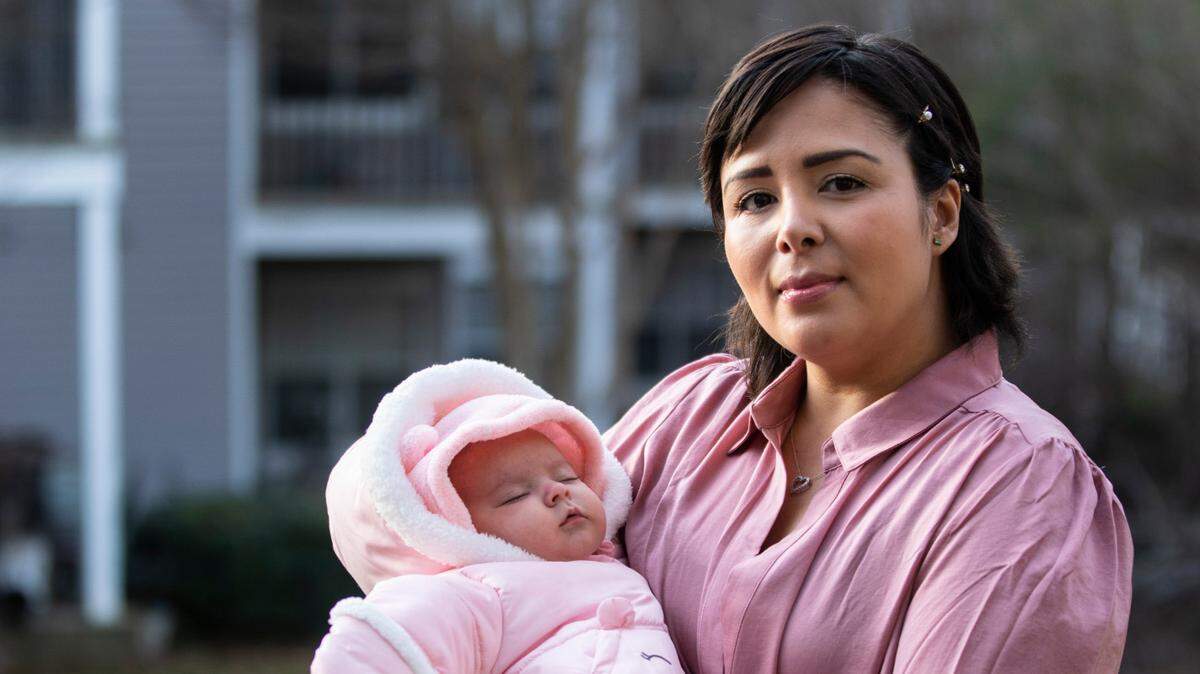
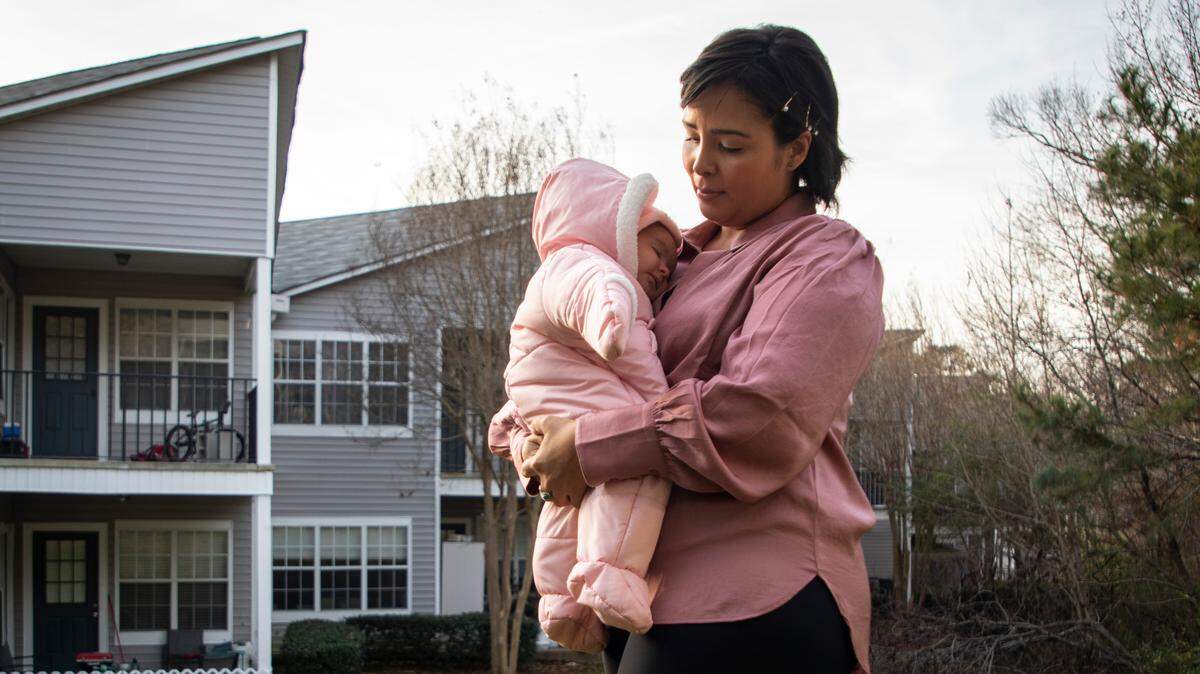
Soaring rents versus unaffordable housing costs — in the Triangle, it’s an increasingly urgent dilemma, especially for lower-income buyers. With the median home price in Wake County now around $350,000, here’s how rising prices affect the rental market, plus some solutions for the future. This is The News & Observer’s special report on housing costs.
Expand All
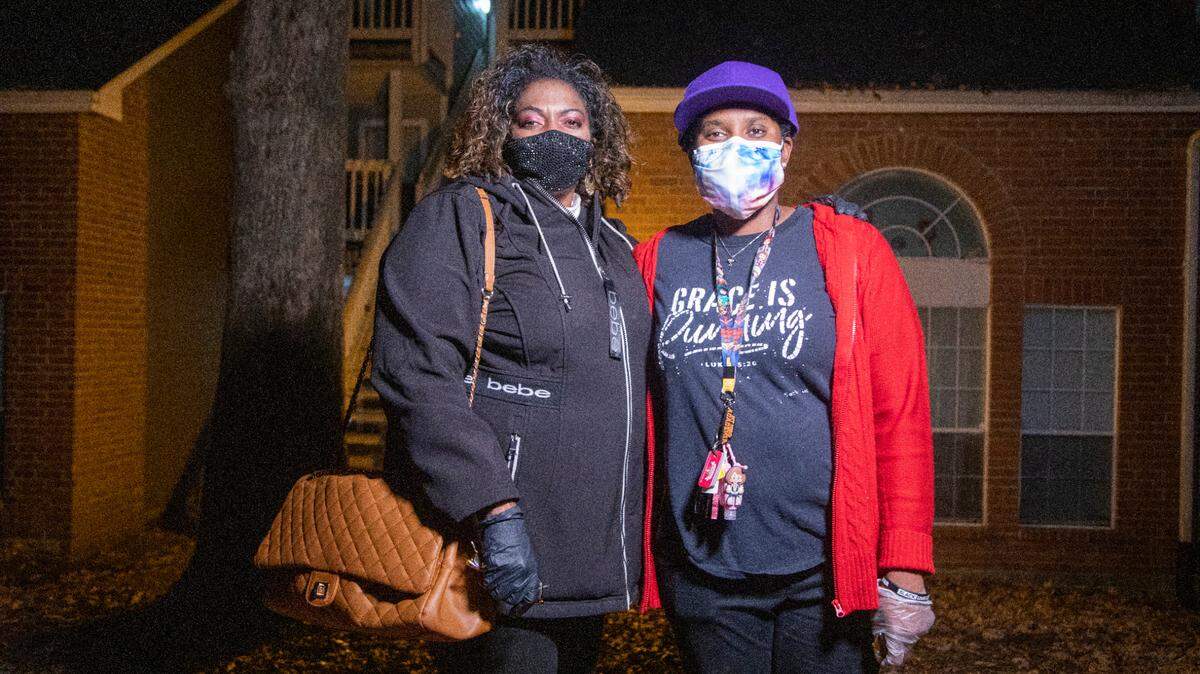
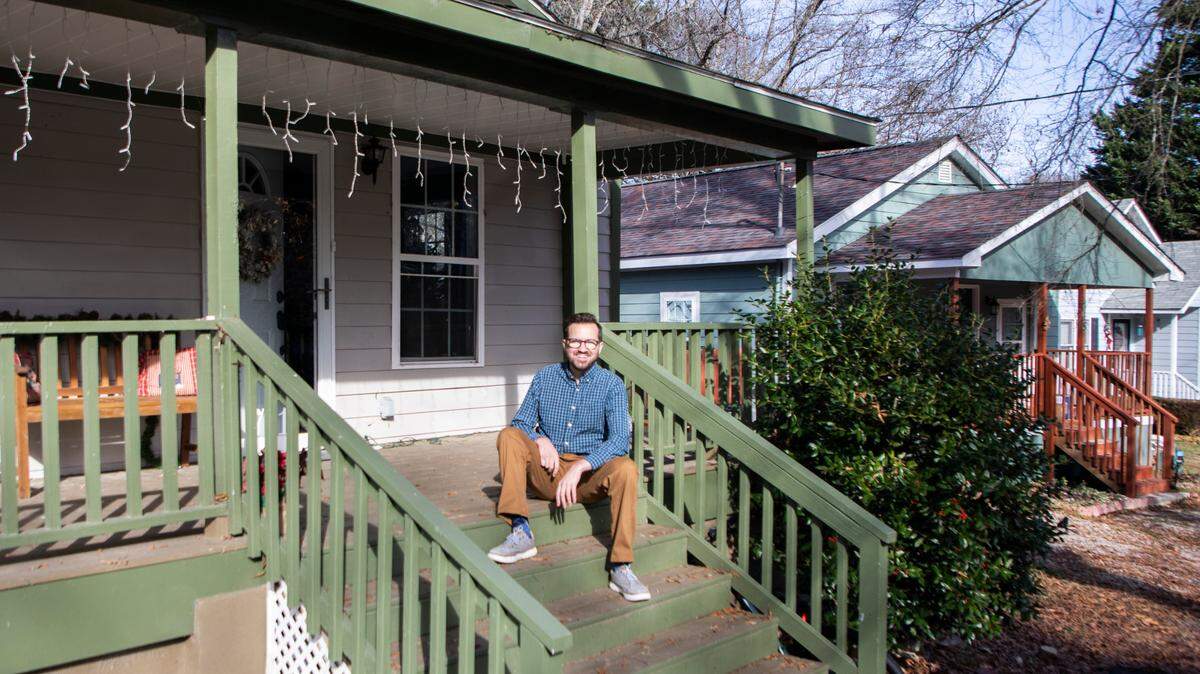
With increasing home values and rising rents, access to affordable housing in the Triangle is diminishing, especially at lower income levels.
Dustin Engelken, government affairs director at the Triangle Apartment Association, said local governments need to get involved.
“It’s tough for people when the rent’s going up every month,” Engelken said. “It’s getting harder and harder to find a place to live. And we obviously knew there was an affordability problem for a lot of our folks, even before the pandemic, but it’s not something that’s going to change overnight. It’s going to require a lot of public dollars.”
What can public dollars do to increase affordability? Here’s what municipalities can do, according to what experts and local leaders told The News & Observer.
The need for more supply
“We don’t have enough supply for the population we have and that we’re anticipating coming in,” Engelken said.
Many advocate for more dense housing so that there are more units per acre, which would increase the supply with each new residential construction.
Raleigh City Council member Patrick Buffkin said dense housing could also help families financially.
“Dense development around our heavy transit corridors, particularly those that will be future bus rapid transit corridors, will help in two ways,” Buffkin said. “We bring more units to market. And we give families the opportunity or option to have one car or maybe no cars because they have access to reliable frequent public transit.
“Those two household expenses — housing and transportation — are deep. For most families, that’s the two biggest expenses that they have in their monthly budget.”
Engelken said the community needs housing of all types, along with the denser housing.
“A small apartment building, a quadplex, smaller types of projects that might provide a little bit more affordable-end product. I think those things are all important. And even single-family homes, every bit of housing you can throw at the problem here,” he said.
One challenge in building dense units is a matter of public and political will.
In a mid-October poll from Elon University that asked respondents if they would support rezoning to allow more houses per acre, 60% said “no.”
Engelken said phrasing what a dense neighborhood would look like in a different way can sway public opinion.
“If you asked someone if they want to live in a dense neighborhood with large buildings and lots of people, there’s going to be a fair amount of people who say they’re not into that. If you ask if you want to live in a walkable neighborhood with amenities that are easy to access, then you’re going to get a lot of people that say yes. Those are the same thing, but it’s all in the way that you ask,” he said.
What local government can do to increase supply
Housing experts say that more public funding needs to be put into the construction and subsidization of public housing.
And municipalities in the Triangle are doing that.
In 2020, voters approved Raleigh’s $80 million affordable housing bond. Before that, Durham passed a $95 million housing bond in 2019.
“You’ve seen Raleigh and Durham both pass historic housing bonds over the last couple of years. Wake County has dramatically ramped up their investments in affordable housing,” Engelken said. “That’s great. We need more.”
Raleigh City Council member Corey Branch said it will take time for the housing market to see the effects of the bond.
“We have to give that time to kind of mature and see how it grows and what adjustments we may need to make along that path,” Branch said. “Then working with our partners in the community and our nonprofits in the community to also assist. This is going to take partnering to help us resolve.”
Engelken added that municipalities need to also do what they can to streamline construction regulations and other costs that go into producing housing that is market-ready.
“It’s a little bit of everything,” he said. “If you expect the private market to produce all the housing needed at all income levels, that’s not going to happen for a variety of reasons. Likewise, if you expect the government to do it all, that’s not going to happen for a variety of reasons. So it’s a yes-and approach in my mind.”
What about those at lower income levels?
Even if more supply is added to the market, there are some whose incomes are so low that no type of market maneuver will reach them, said Samuel Gunter, executive director at the N.C. Housing Coalition.
“Folks are talking about affordable housing a lot more now because that cost burden is creeping up into middle income brackets,” he said. “It has always been hard for folks at the lowest end of the income spectrum.… Adding supply — one of the inevitable results of that is a decrease in costs. With the caveat that we’ll still have to make special intervention at the lowest end of the income spectrum.”
Larry Jarvis, housing and neighborhoods director with the city of Raleigh, said the Low-Income Housing Tax Credit program, or LIHTC, has historically been the best way to provide affordable housing at lower incomes.
“It’s all a matter of economics, and at the end of the day, it’s got to make economic sense to whoever is creating that unit,” he said. “The average subsidy per unit, it’s around $125,000. Somebody is going to have to, you know, bridge that gap.”
Jarvis said the city of Raleigh typically invests around $7 million a year in gap financing to developers of low-income housing projects.
LIHTC is a federal program, administered at the state level by the N.C. Housing Finance Agency, that allows eligible property owners a tax credit of about 9% if they offer units at below-market rates at 60% or below the area median income.
“That is the primary way that affordable rental units are created today,” Jarvis said.
But the tax credits are limited. Out of all the proposals submitted to the N.C. Housing Finance Agency, just one in four are accepted.
The state agency selects properties based on location, local housing needs and ability to serve the lowest-income tenants, among several other criteria.
The program is not sufficient, Gunter said, in reaching more people at the lower income level below 60%.
“Reaching down to folks at lower incomes,” he said. “That is going to take more than the Low Income Housing Tax Credit.”
This story was originally published January 5, 2022 at 6:00 AM.