Farm Aid comes back to Raleigh, putting the issues of NC farmers back in the spotlight
READ MORE
Farm Aid 2022
The fundraising concert started by Willie Nelson and friends in 1985 returns to North Carolina. Most of those who go will be there for the music. But they’ll also hear a familiar tune: America needs to save its family farms.
Expand All
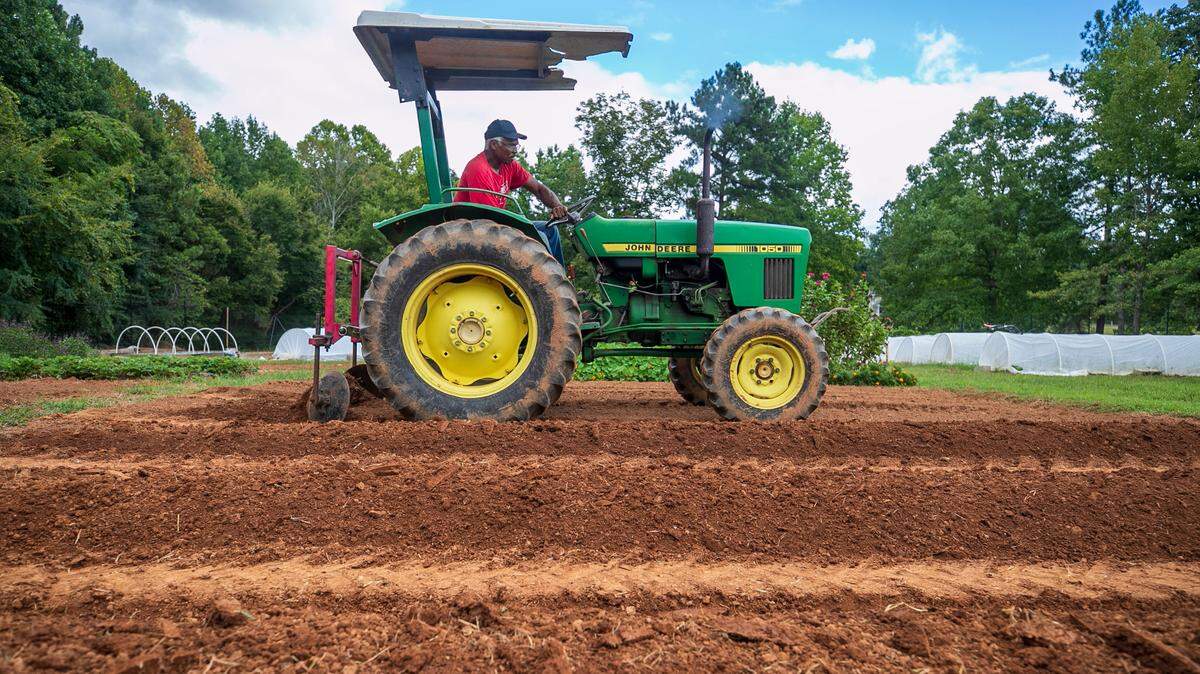
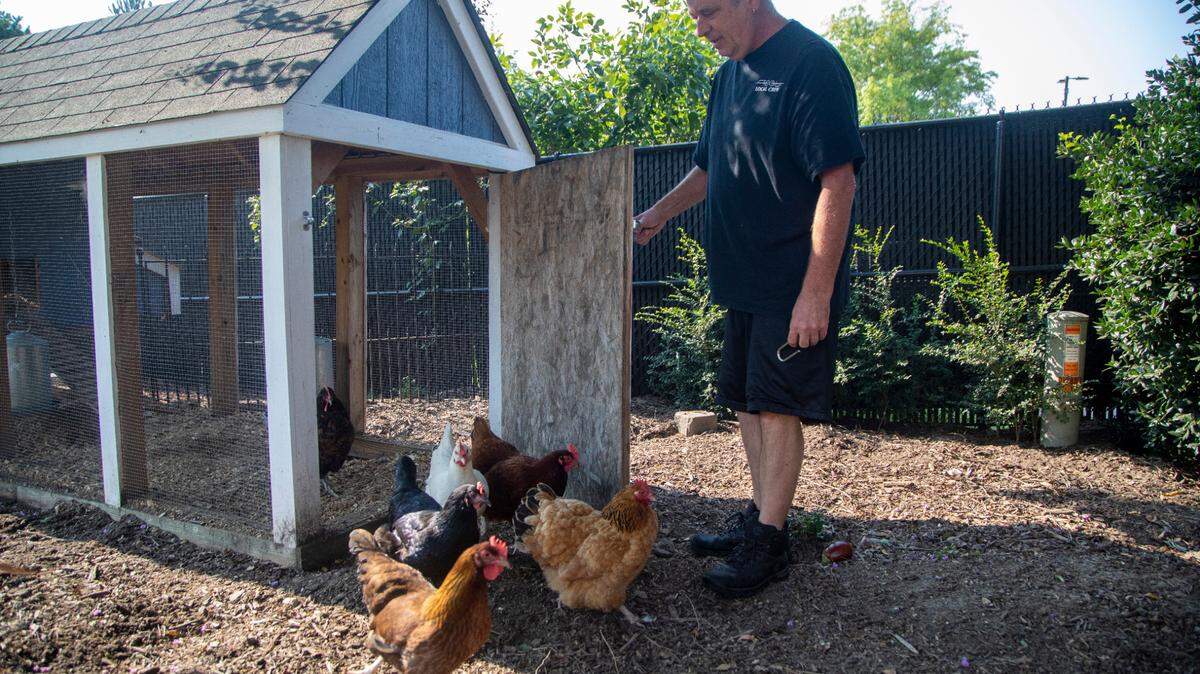
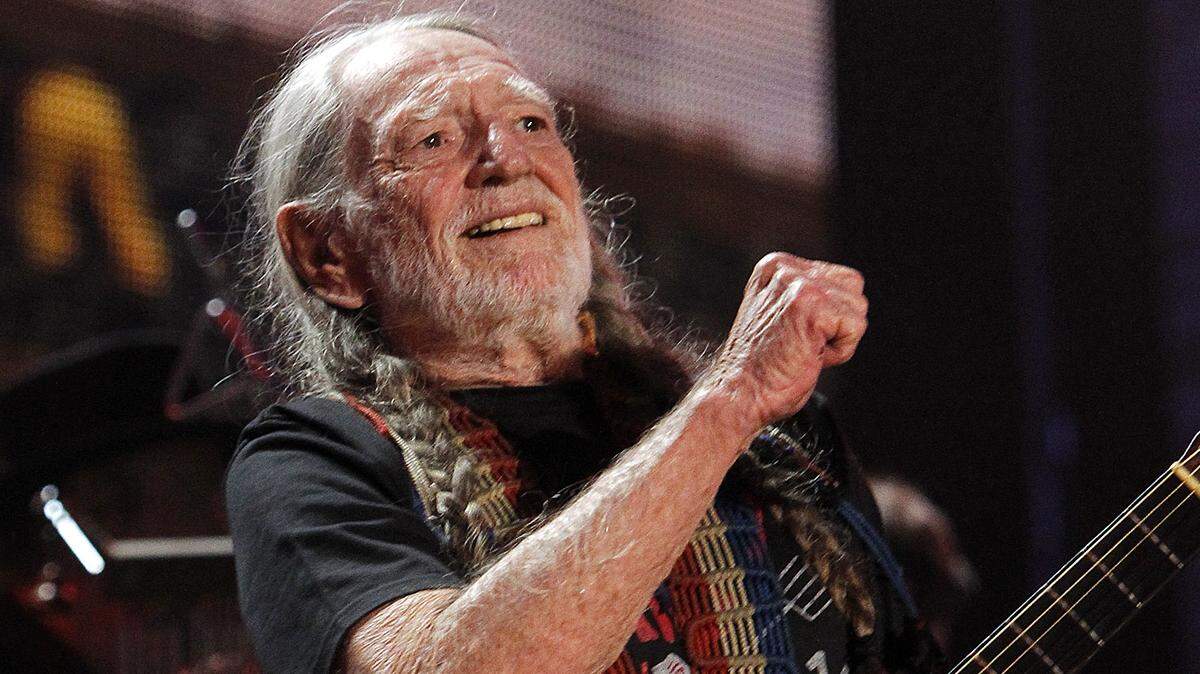
Farm Aid, the fundraising concert started by Willie Nelson and friends in 1985, returns to North Carolina on Saturday to do what no federal legislation, consumer trend or good crop year can.
For a day, it will use country music to turn farmers into rock stars.
“We’re looking forward to that,” said Tom Savage, who will attend the show with his wife, Linda, for the first time this year.
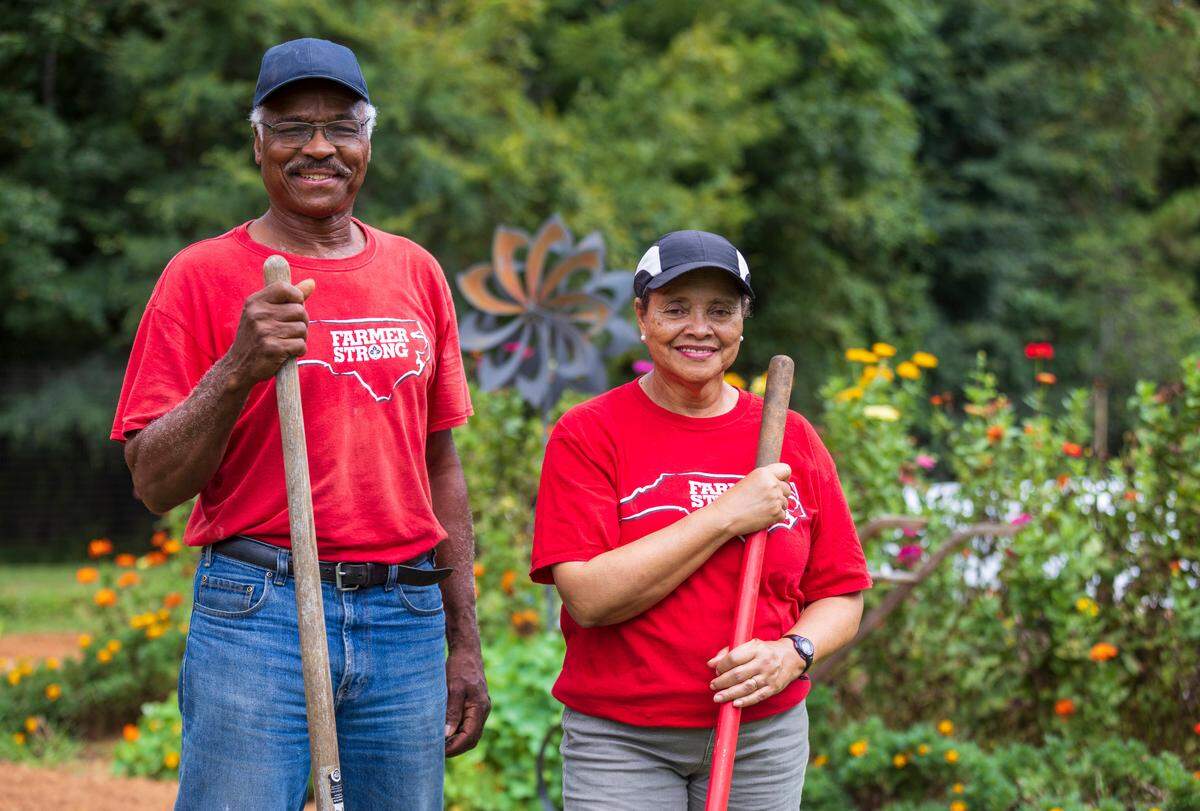
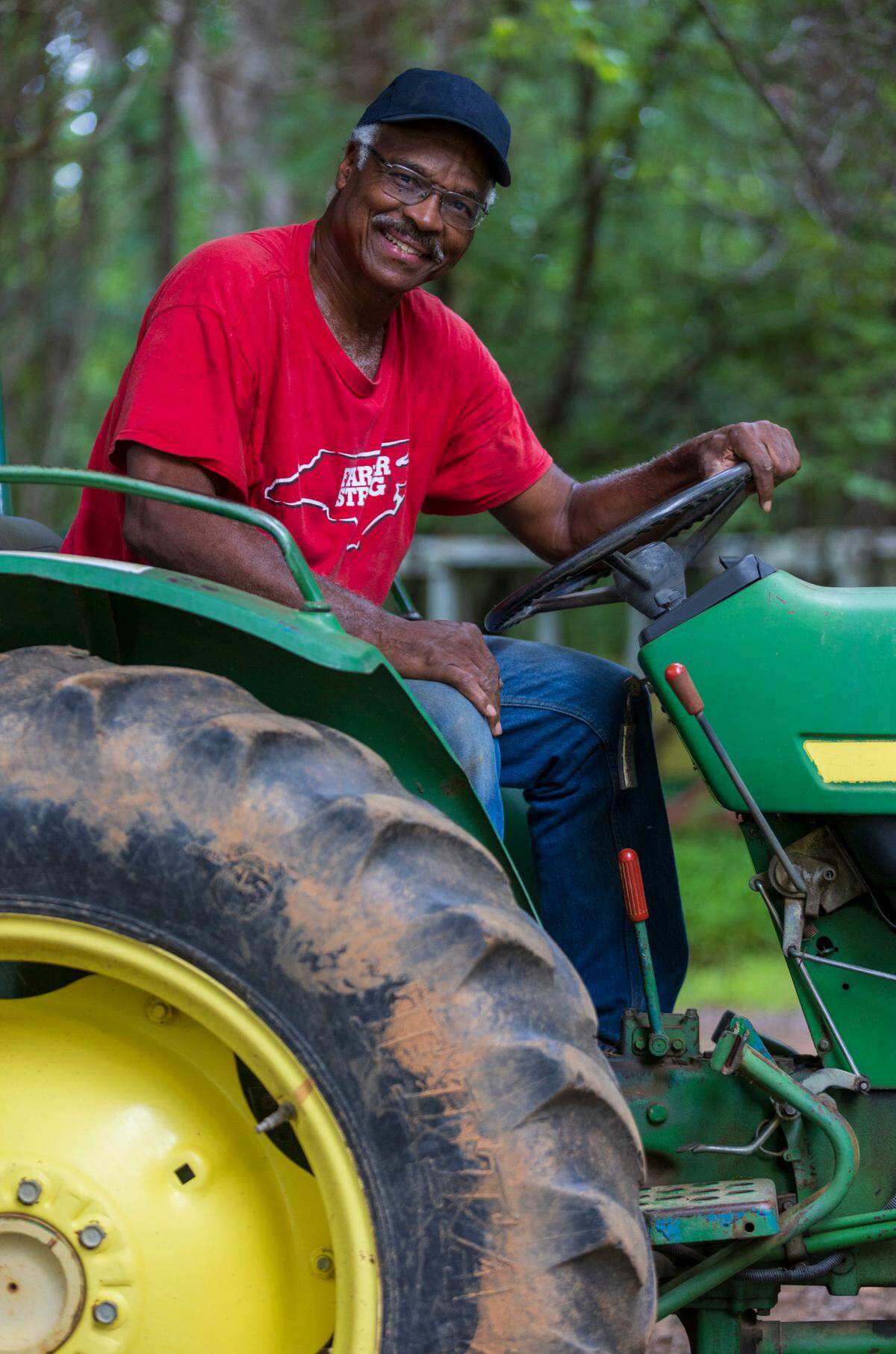
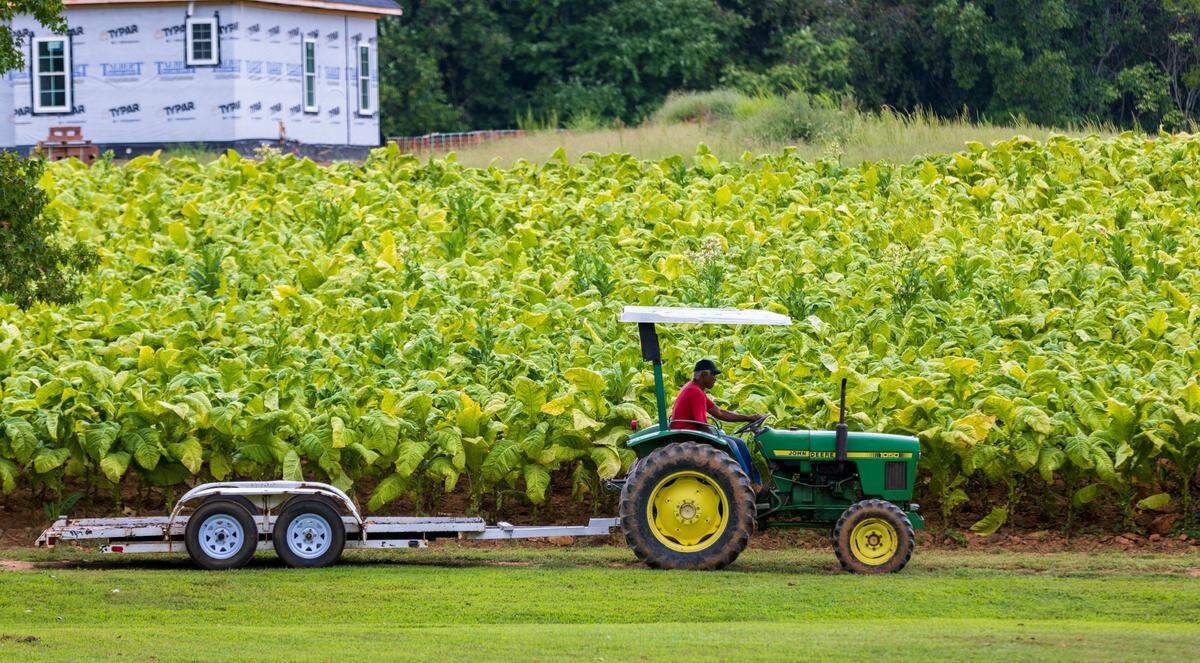
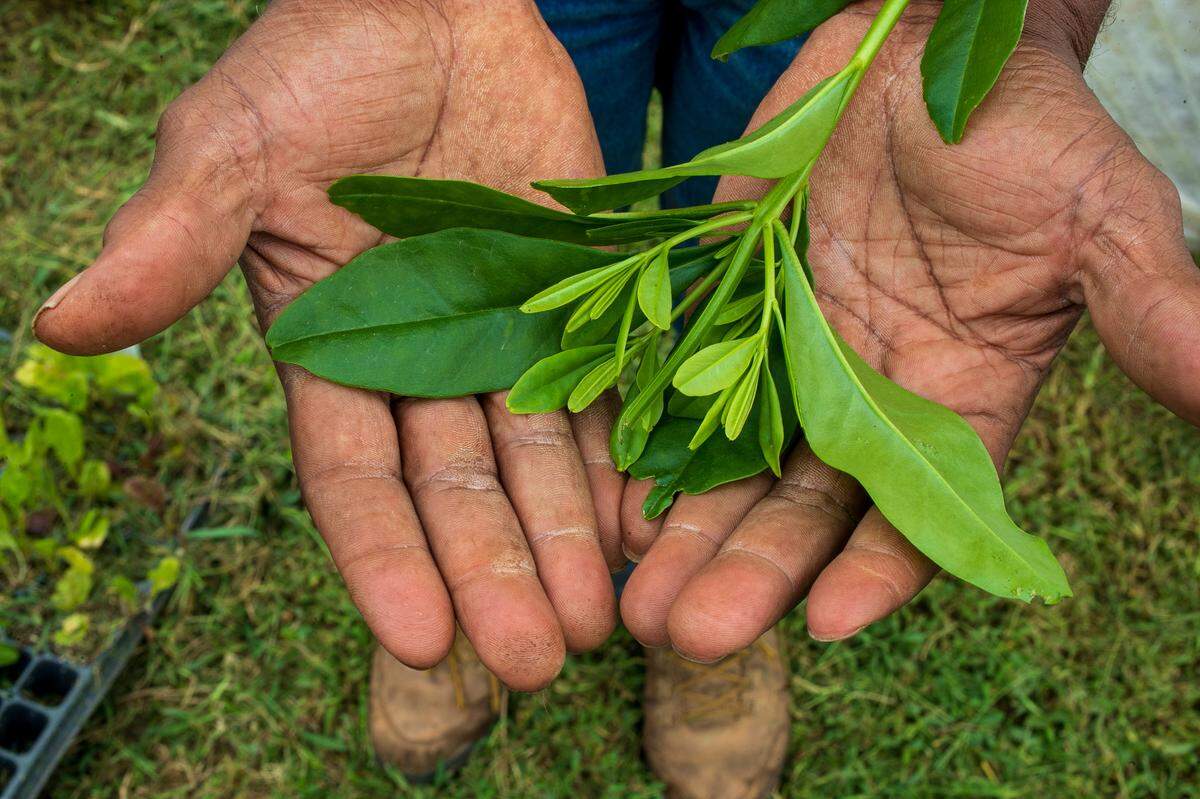
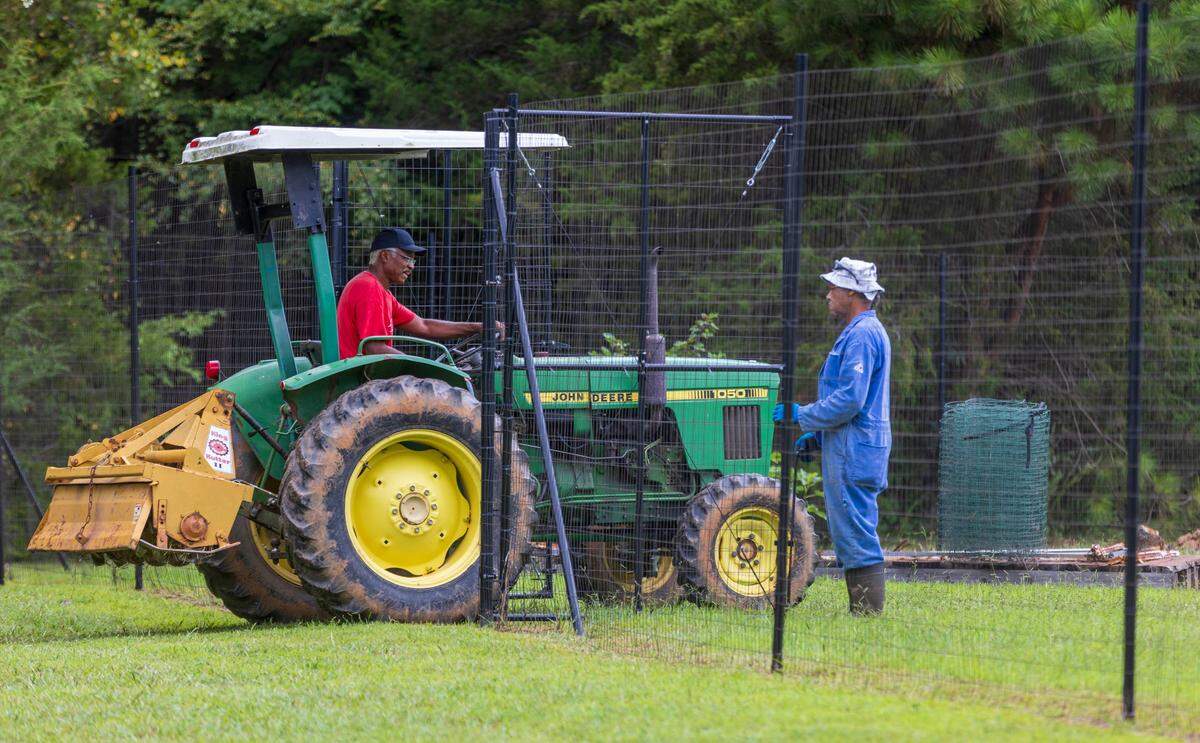
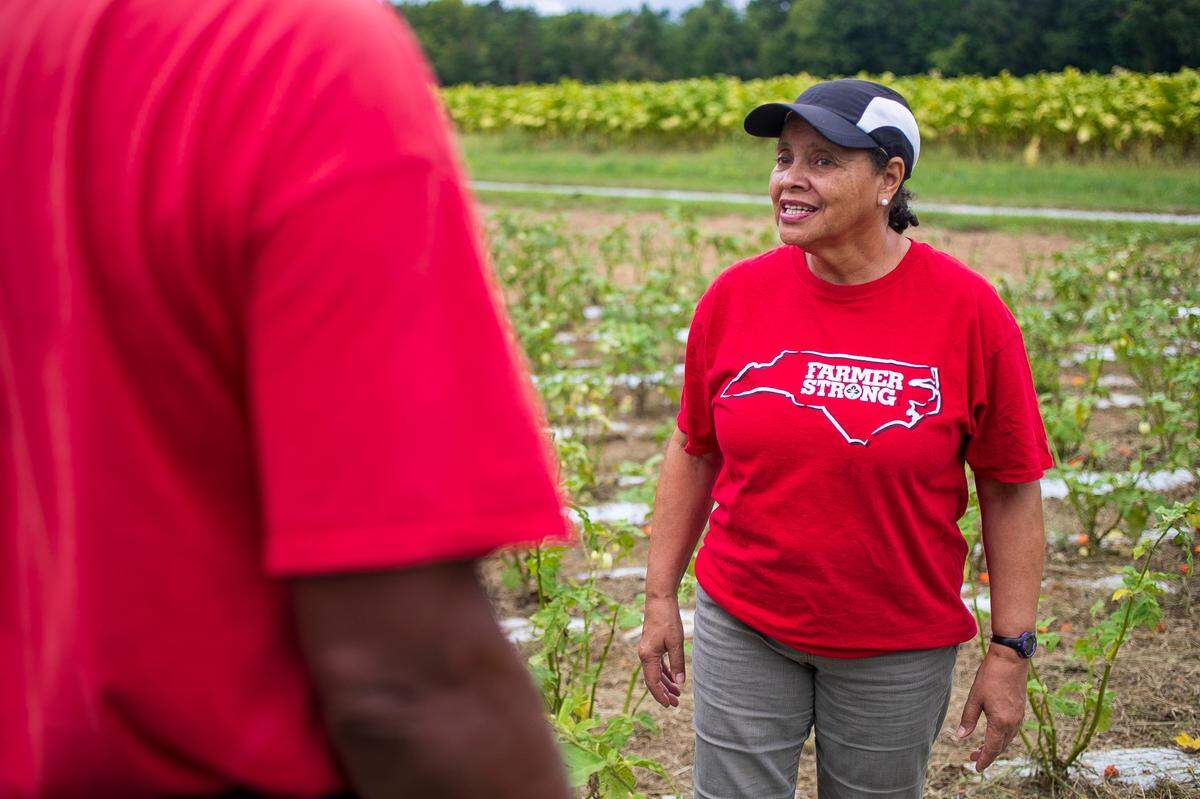
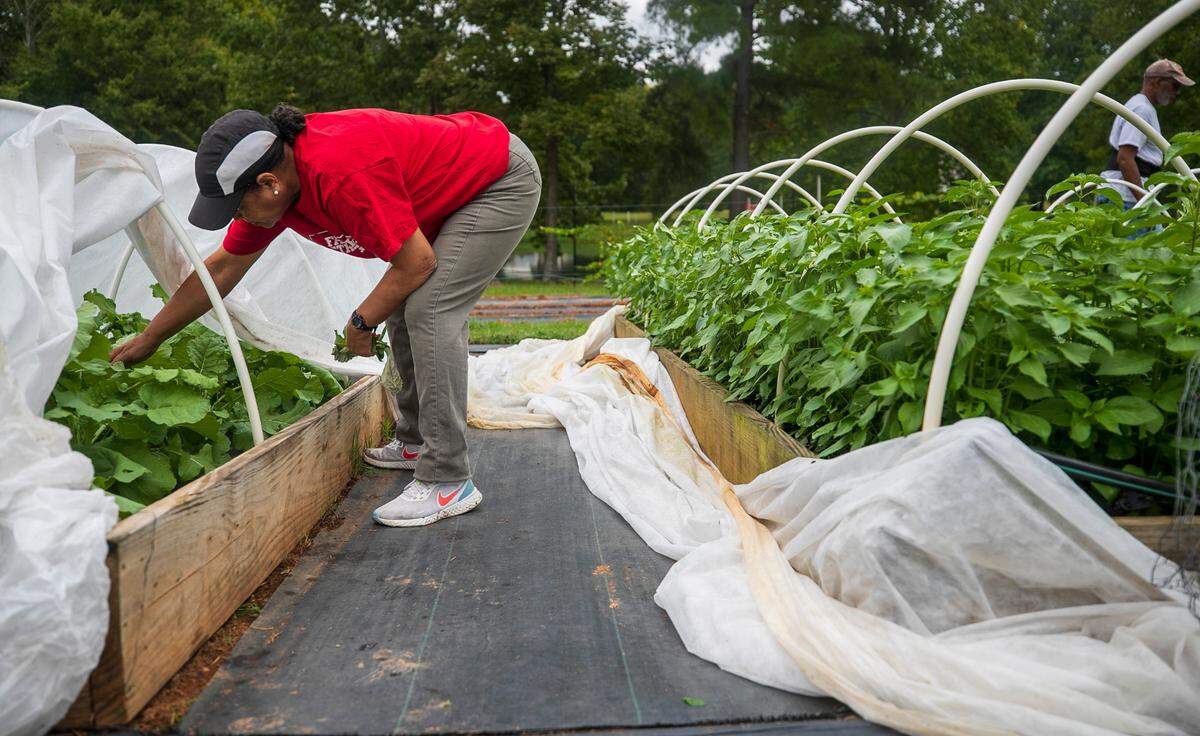
Savage, 70, turned his lifelong gardening habit into a nearly full-time farming enterprise after retiring from an IT job a few years ago. He and Linda gradually have been turning their 45 acres in the Person County community of Hurdle Mills into a source of organic ethnic herbs, greens and other winter vegetables, and a low-key tourism attraction for people interested in growing their own.
Saving family farms
While the Savages believe producing healthful food and selling it directly to consumers is important, they’re excited to be celebrated for the work along with other North Carolina growers at Farm Aid 2022.
The one-day festival at Coastal Credit Union Music Park at Walnut Creek in Raleigh will feature donated performances by a dozen bands, including founders Nelson and John Mellencamp, along with Chris Stapleton, Sheryl Crow, Dave Matthews and Margo Price. There also will be interactive exhibits and demonstrations by food and farm groups, and concessions offering food made with products from farms in North Carolina and neighboring states.
Most of the 20,000 or so people attending the sold-out event likely will be there primarily for the music. If they’re really listening, they’ll also hear a familiar tune about how America needs to save its family farms.
“Every year, Willie is on the stage and says, ‘We don’t want to be here,’” said Jennifer Fahy, spokeswoman for Farm Aid, based in Boston. “Well, they do want to be there, but they wish there wasn’t the need. No one imagined we’d be doing this for 37 years.”
Live Aid to Farm Aid
The idea for Farm Aid came from another cause-oriented festival, Live Aid, held in July 1985 to raise money for victims of the deadly two-year-long famine in Ethiopia. During Live Aid, performer Bob Dylan mentioned that American farmers also were suffering and could use help paying their mortgages.
Farm Aid was held two months later at Memorial Stadium in Champaign, Ill., with 80,000 fans and more than 50 bands or performers. Later, Nelson and others said they thought funding from the event — which came to $9 million — could solve farmers’ most critical problems.
The issues proved more complicated and intractable, and in the decades since, farmers’ troubles have persisted and morphed.
In 1985, farmers were in a historic crisis, up to their tractor axles in debt they took on to buy land and machinery to expand production, largely at the urging of big agribusiness companies they believed would pay strong prices for their goods to be sold overseas.
But the markets didn’t materialize. Record production levels resulted in glutted markets and falling prices. Interest rates rose. And U.S. farmers went bankrupt at a rate not seen since the Great Depression; nearly 800 farms per week from 1980 through 1987 went bankrupt, were foreclosed or restructured, according to the U.S. Department of Agriculture.
Farm Aid’s previous time in Raleigh
In 2014, the first time Farm Aid came to Raleigh, the United Nations had declared it the International Year of Family Farming, hoping to promote policies that would help small farmers eradicate hunger, reduce rural poverty and stabilize global food supplies through sustainable production.
In the U.S, the “good food” movement had sparked interest in healthful foods produced by growers reducing their use of chemicals and water, and treating their workers fairly. Young people were becoming interested in farming again.
But by then, development pressures were pushing the cost of land out of their reach.
Eight years later, with Farm Aid musicians’ crews and equipment headed back to Walnut Creek to set up for the concert, the USDA predicts that while farmers will get higher cash prices for their products in 2022, most of them will see a lower net income than last year because federal COVID-19 relief money has dried up and production costs have soared. According to the USDA, those growing wheat, cotton and specialty crops will see the largest drops in income this year.
The $1 million or so that Farm Aid now brings in each year still can’t fix all the troubles farmers face. But by the end of December, Fahy said, the organization will announce the grants it will make with the money to grassroots farm groups across the country.
In turn, those groups will use the money to provide direct aid to farmers such as small emergency cash grants to help them navigate financial or legal issues or get access to mental health counseling services. The groups also conduct public awareness campaigns around farm issues and push for policy change.
‘Attention to the issues’
“A million dollars spread across the country is not supplying everything that farmers need,” said Margaret Krome-Lukens, policy director for the Rural Advancement Foundation International (RAFI), a farm advocacy group based in Pittsboro. RAFI relies on grants from Farm Aid for some of its work to help keep struggling farmers, including Black farmers and others who have faced discrimination by the USDA and private lenders, from losing their land.
RAFI is one of many groups that educates the public about how farming issues affect everyone, not just growers, and urges the public to get involved in the political process that shapes the farm industry.
“One of the strengths of Farm Aid is how it brings attention to the issues that farmers are dealing with,” Krome-Lukens said.
Besides runaway production costs due to inflation, small and mid-sized farmers are worried about:
▪ High labor costs and labor shortages.
▪ Competition from investors buying up rural land that historically has been used for farming, driving prices higher and creating a cost barrier to young people who might go into farming.
▪ Uneven access to markets, with smaller producers unable to compete with huge corporate farms for big institutional contracts.
▪ The effects of global warming, including weather-related disasters such as drought, flooding, fires and hurricanes.
▪ The terms of the federal Farm Bill when it’s reauthorized in 2023, including whether Congress will act to make agricultural credit more fair and accessible, especially for people of color and young farmers, whether conservative Republicans will be successful in separating SNAP (the Supplemental Nutrition Assistance Program) funding from the Farm Bill, and whether it will offer farmers any protection against corporate abuses, especially in contract livestock production.
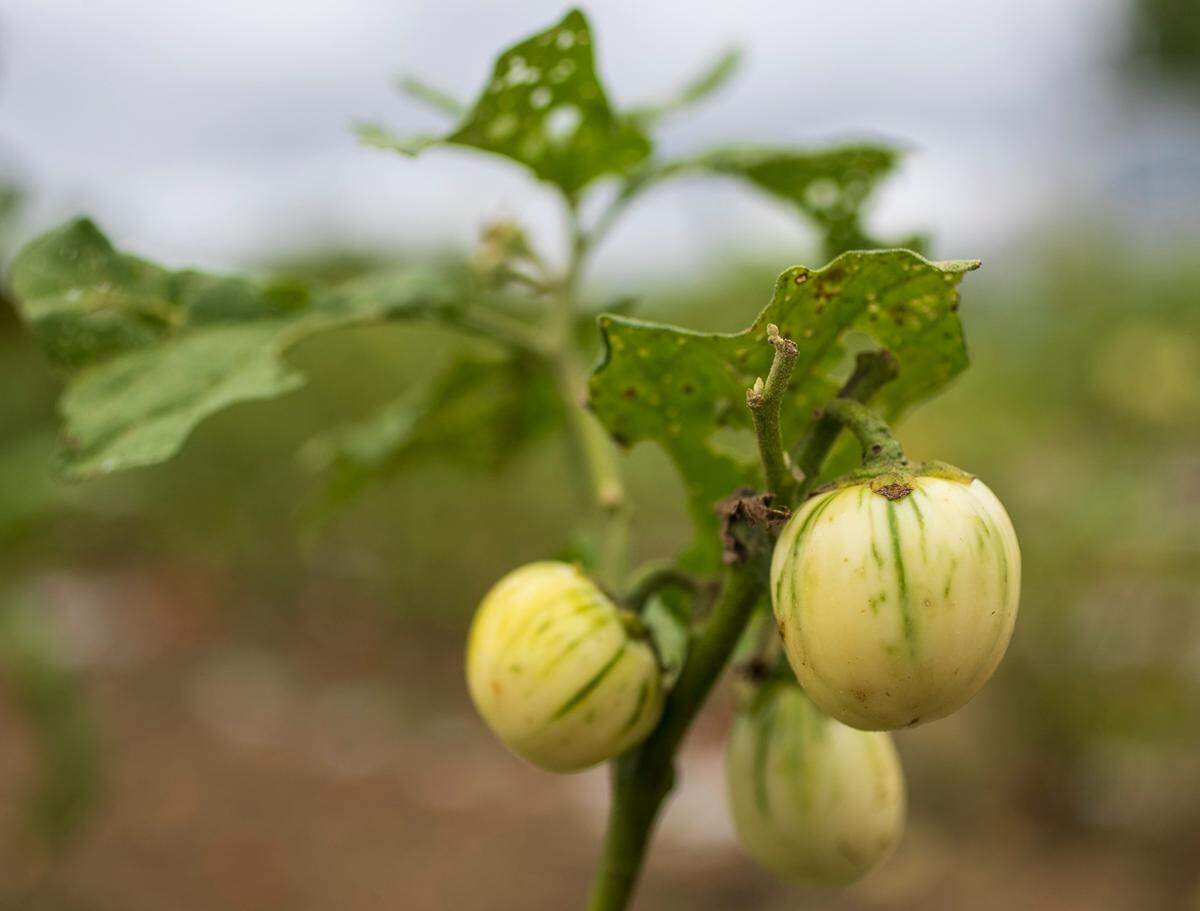
That’s all in addition to the daily and seasonal concerns about rainfall, pests and diseases that affect crops and animals, such as the avian flu that hit some flocks of turkeys and chickens in two North Carolina counties this year.
It’s enough to make a farmer want to call the Farm Aid hotline to ask for advice.
What concert-goers can do
The music lovers who attend Farm Aid can get as involved as they want in learning about agriculture in North Carolina and beyond between the time the gates open at noon Saturday and when the last encore ends sometime after 11 p.m.
During set changes, they can visit the Homegrown Village where food and farm groups from across the country will have State Fair-style exhibits about soil, water, energy, food and farming, with games, art and other activities. Farmers and activists will be in the area to talk about what they do and why and the issues important to them. Gardeners and growers will conduct seed swaps.
If they get excited about an issue, there will be a booth where people can find out who their representative in Congress is, then call their office to leave a message.
Edna Rodriguez, RAFI-USA’s executive director, said activists from across the country meet in the Homegrown Village each year and make new connections.
“We learn from each other,” she said.
If they prefer, audience members can stay focused on the music, which ranges from country to blues to rock, and only engage with the theme when farmers’ stories are told through videos on stage, when the performers make a point to talk about farming, or when hunger hits.
As it has for years, Farm Aid now uses the annual concert to showcase farm products from the state where the festival is being held. There is an emphasis on small- to mid-sized producers. Farm Aid guarantees that farmers are paid a fair price for what they sell to the event.
The products are used both in catering services for the musicians and crews, and in the Homegrown Concessions, where festival patrons buy their meals and snacks.
“We’ve had a pizza-free show for quite a while,” said Glenda Yoder, in charge of Homegrown Concessions for Farm Aid, before reciting a list of some of the raw ingredients and menu items planned for Saturday.
Food from North Carolina farmers
Yoder said that in North Carolina, vendors are working with two companies that aggregate products from farmers across the state: Happy Dirt, a produce distributor that carries dozens of fresh, organic, local seasonal fruits and vegetables, and Firsthand Foods, a women-owned food hub that distributes pasture-raised beef, pork and lamb from N.C. farms. Both are based in Durham.
Dishes this year will include burgers, brats and sausages; tomato sandwiches served on bread baked by Weaver Street Market using North Carolina-grown grains; fish and shrimp tacos; North Carolina-made ice cream, and this year’s “Grains, Beans & Greens Bowl,” featuring a heritage okra variety called Motherland okra, black-eyed peas, jalapeno cornbread and slaw.
While Farm Aid doesn’t make money off the food — profits accrue to the venue, Fahy said — the organization makes sure the farms meet an ecological standard, in keeping with the theme of agricultural sustainability. No factory farm meats, no genetically modified cooking oil.
Utensils and serving containers must all be compostable.
Jared Cates, policy director for the Carolina Farm Stewardship Association in Pittsboro, one of dozens of groups Farm Aid has awarded grants over the years, said supply-chain problems caused by the COVID-19 pandemic — and lingering still — should have proved to Americans that small and mid-sized farms are critical to the country’s survival. In North Carolina, agriculture and agri-business together still account for a sixth of the state’s income and employment, more than any other one economic sector, state officials say.
“Farming is a social good and is not recognized as such,” Cates said. “Culturally and economically we need to look at farming differently. We need to look at the conservation of our soils and our nutrients, our water supplies — everything — in a more holistic way.
“Because without farming, what do we have?” Cates asked. “We cannot outsource our food to everyone else. If we outsource all our food, we are totally at the whims of global fluctuations. We have to have soils that can give us the nutrients to sustain ourselves. We don’t see it as that type of emergency because it’s not that dire yet. If we had a dust bowl sweeping into New York right now, people might wake up.”
Produce to the people in need
Some of the work his organization does is to help smaller farmers find places to market their goods. During the pandemic, North Carolina farmers needed places to sell their produce and people across the state who were suffering financially needed fresh fruits and vegetables. Using grants from the state legislature and with help from the state and federal departments of agriculture, the group started FarmsSHARE to distribute produce to people in need across the state.
Cates’ group will be at Farm Aid on Saturday, explaining why it’s important to support farmers. People who stop by the Stewardship Association’s booth can stand there long enough to cool off under the water mister and make a phone call to their representative in Congress. Somebody with the group will get the number.
“That’s really what Farm Aid does,” Cates said. “It creates this opportunity for people to learn something really important while having a good time.”
This story was originally published September 21, 2022 at 6:00 AM.