With traveling Green Book exhibit, NC shares legacy of what was a lifeline for many
READ MORE
Black History Month
Celebrate Black History Month in the Triangle with this guide of stories on its roots in North Carolina, a list of events, Black-owned businesses and restaurants you should know about and much more.
Expand All
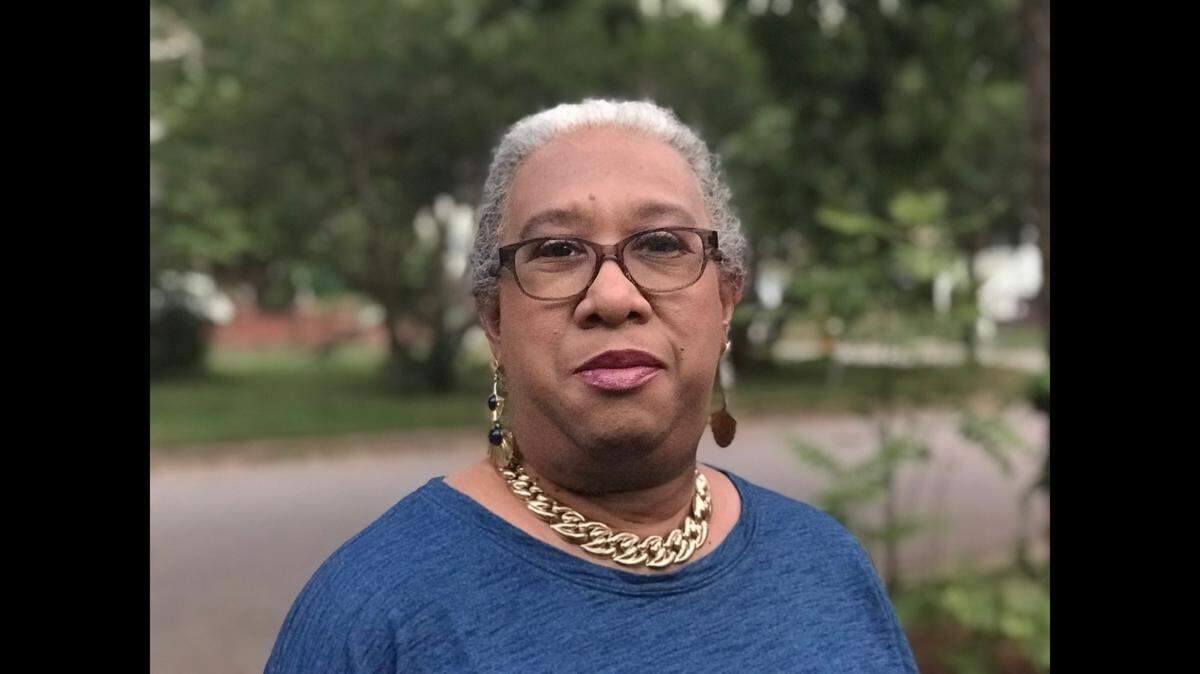
Even as a little girl looking out from the plush back seat of her father’s late-model Chrysler New Yorker, Jereann King Johnson could read the lay of the land between her family’s home in Bainbridge, Georgia, and her uncle’s house in Birmingham, Alabama, in the late 1950s.
It was 250 miles of Don’t Stop.
“My father would pull the car up to the back door and he would put the Bible open to a certain verse on the dashboard,” Johnson recalls. “My mother would have gotten up at 4 in the morning and packed everything we would need into the lunch basket so we wouldn’t have to stop for anything. And we would get in the car and he would say, ‘Let’s motor.’”
They were great adventures, those family trips, whether to stay a few days with Uncle Leroy in Alabama, to buy barbering equipment in Kentucky or to visit her mom’s sister all the way in Chicago.
But they also were fraught with the danger of violence and humiliation for a Black family that even a child understood.
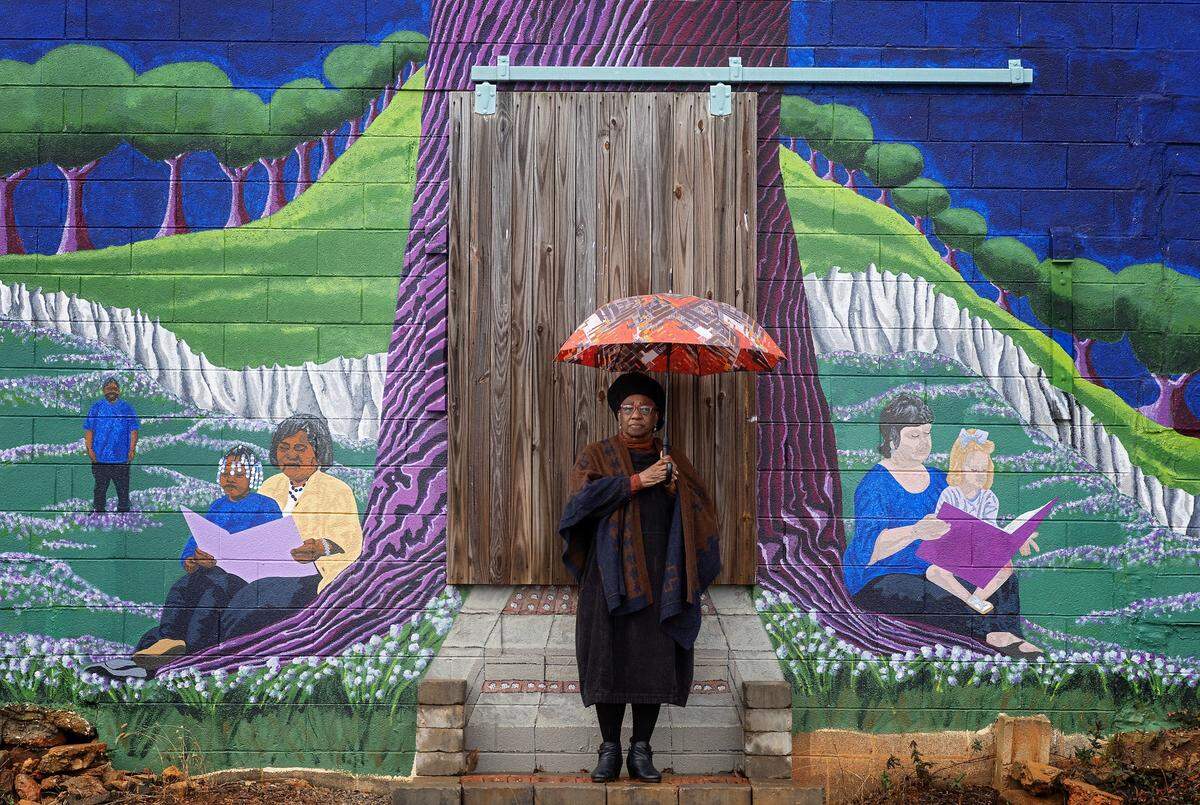
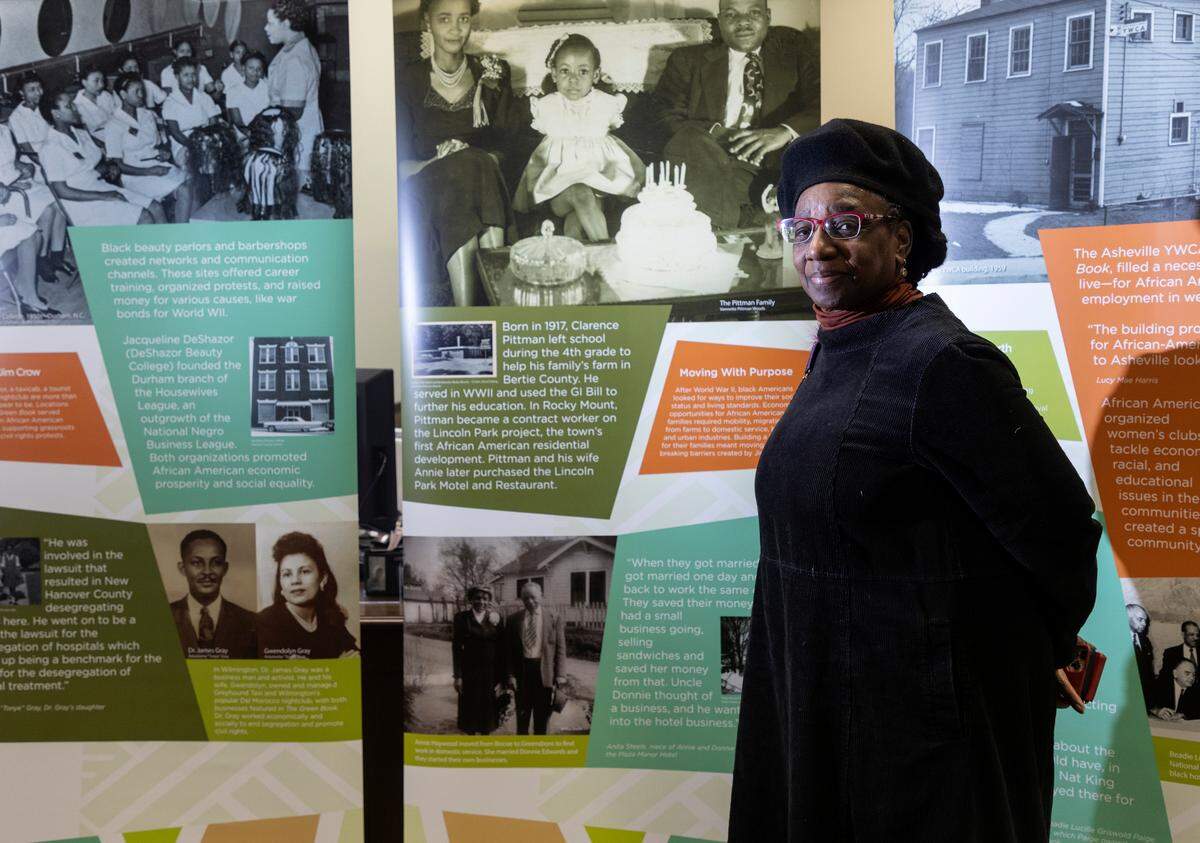
Johnson, now 70, remembered those trips as she studied North Carolina’s traveling exhibit called “Oasis Spaces: African American Travel in NC, 1936-1966,” when it came to the Warren County Memorial Library in Warrenton, where she lives.
Remembering the Green Book
Based on the Negro Motorist Green Book, the exhibit was organized by the N.C. African American Heritage Commission with funding from the federal Institute of Museum and Library Services.
The Commission, part of the state Department of Cultural and Natural Resources, developed the exhibit after the release of the movie “Green Book” in 2018, based on the story of renowned pianist Don Shirley’s early 1960s concert tour through the South. Under Jim Crow, Shirley performed on stages in venues where — as a black audience member — he would have been forced to enter through a side or rear “Colored” entrance and sit in the balcony while whites enjoyed the better seats on the floor.
In the towns where he played and on the highways stretching between, Shirley also could be denied a hotel room, a meal, a drink, a haircut, access to a tailor shop or a department store.
The Green Book was designed to help Black travelers avoid those businesses by naming ones where they were welcome.
Victor Hugo Green published the first Green Book in 1936 while he was working for the Postal Service in New York. Until then, there had been guides published for Jewish travelers, who also faced restrictions, and for whites who wanted inside information about places they went for vacation or business. But Green wrote in the introduction to his inaugural guide that while such books had been written for Black travelers, most had gone out of business.
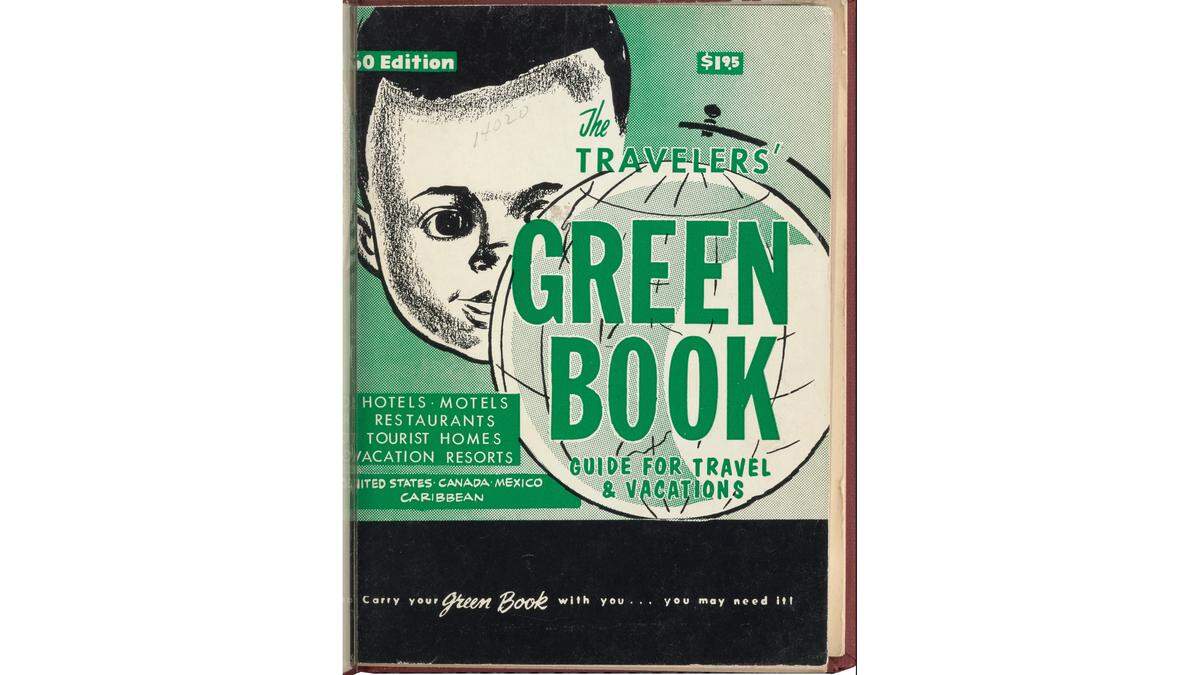
Green hoped “to save the travelers of his race as many difficulties and embarrassments as possible,” the book said.
The inaugural Green Book focused on metropolitan New York, familiar to Green and relatively easy for him to research. Response to the book was so strong that Green realized immediately he needed to publish a national version.
In 1940 and ‘41, the Green Book was sponsored by the U.S. Travel Bureau, which promoted travel and tourism as a way to help the country recover from the Great Depression.
It wasn’t the only way Black travelers learned where they would be welcome; recommendations traveled by word of mouth through business and family contacts, and city and county business directories, such as one printed in Greenville, N.C., sometimes marked Black-owned enterprises with an asterisk or the letter C.
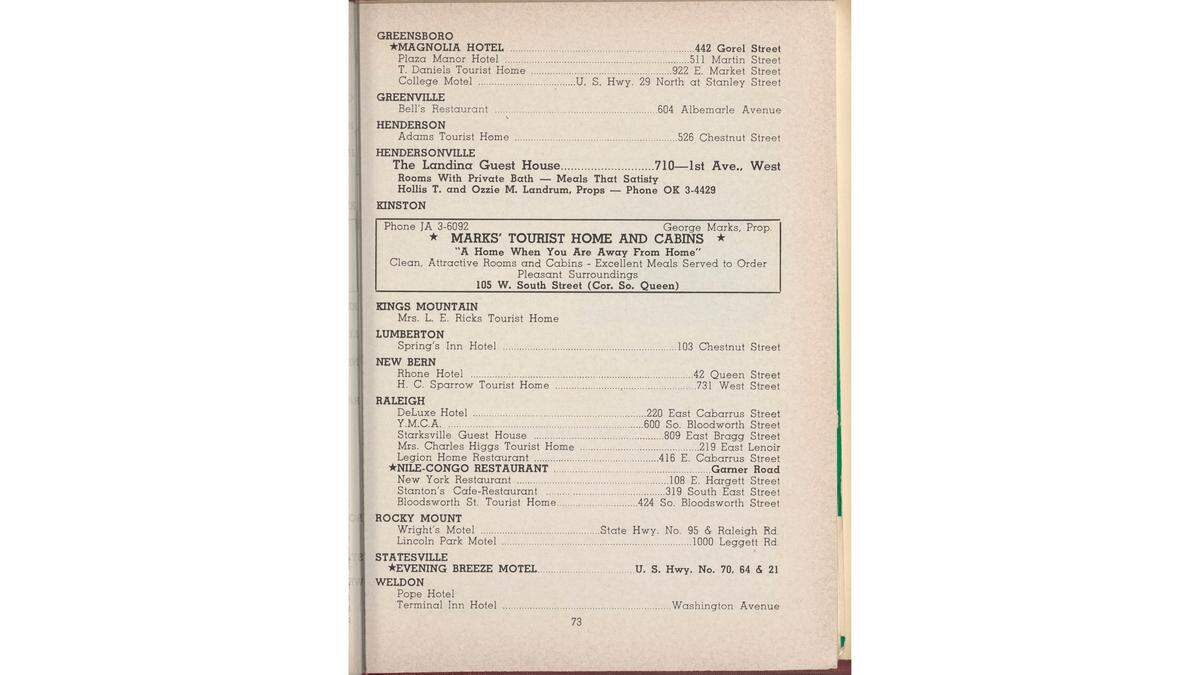
But the Green Book was handy, printed at a compact 5x7 inches that could easily be stashed above a visor, in the glove box, a purse or jacket pocket. It offered driving tips, featured advertisements and listed the dates and places of national conventions for professional and fraternal groups. Patrons could subscribe to the Green Book and have copies delivered by mail, or pick them up at Esso Stations, named for the phonetic pronunciation of the “S” and “O” of Standard Oil, the parent company. The book noted that Esso not only served Black customers but franchised to Black entrepreneurs.
Green Book listings were alphabetical by state and then by cities within each state. Despite Green’s invitations for readers to submit information about sites that weren’t already listed and his dispatching teams to travel the country to do additional research, the listings were only a partial representation of what might be available in a given place.
‘You just had to be careful’
Johnson, the Warrenton woman, remembers her family starting their trips at daybreak. That was so they could get farther down the road, all the way to their destination, if possible, before “sundowner rules” took effect.
The picnic basket full of frozen water bottles, sandwiches and snacks? Those were to prevent being told a restaurant couldn’t serve “people like us,” Johnson said: Black people.
They couldn’t even count on being allowed to use a restroom, opting to pull to the shoulder where Johnson’s mother would shield her daughters from the view of passersby.
But even if they were just going shopping an hour away in Albany, Georgia, there were potential dangers for Black travelers in those days of Jim Crow, when racial segregation was enforced in nearly every aspect of life in the South starting immediately after the Civil War lasting nearly a century.
To get to Albany from Bainbridge, Johnsons’ family had to go through Newton, Georgia, in then-notorious Baker County. Newton was known as a speed trap in those days, and all drivers had better stick to the limits. But Black drivers, in particular, took pains not to be noticed; Baker County had been the site of at least 10 lynchings of Black people between 1877 and 1950, including three who were snatched from the jail in the middle of Newton in 1907.
“You just had to be very careful,” Johnson said. “Everybody would be real still and you just sat, and you crept —crept! — through. If the speed limit said 35, you went 25.”
When she was 6 years old, Johnson and her sister went to Albany shopping with their mother. On the way back, passing slowly through Newton, they came up on a traffic stop, where an officer had a car pulled to the side of the road.
“My mother just freaked out. She was terrified,” Johnson said. “She knew that was not good. And so she pulled all the way into the other lane, the oncoming lane, to get around it. And the policeman stopped doing what he was doing with that person and got in the car and came and pulled my mother over.”
The officer told Johnson’s mother to get out of the car, addressing her as “Auntie,” a term used by whites at the time to diminish Black women.
The insult outraged Johnson’s sister, who was 17 and had been riding in the front with their mother.
“Her name is not Auntie,” Johnson said her sister informed the officer. “She said, ‘It’s Mrs. King,’ and she pushed him. He pushed her back, and they arrested her,” taking her to the jail in Newton.
Her mother became hysterical, Johnson said. With her youngest still in the car, she drove straight to Bainbridge to find her husband at his barbershop.
“You left her there?” she remembers him shouting, one of the few times she ever saw him upset with her mother. “How could you leave her there? She could be dead.”
He quickly rounded up a group of friends and they all went to the jail in Newton, where King got out of the car and announced, “I’m here to get my child.”
It was clear the group was prepared for a confrontation, Johnson said.
The officers released her sister.
The Green Book in North Carolina
Over the course of its three-decade run, the Green Book listed 327 places in North Carolina, from the Savoy Hotel at Eagle and Market Streets in Asheville to the Vanity Box Beauty Parlor on 13th Street in Wilmington.
In between were YMCAs that rented rooms, “tourist homes” that might offer a spare bedroom or just a couch, a blanket and pillow. There were music venues, movie theaters, restaurants, taverns, taxi services and auto mechanics.
Over the years, 20 sites were listed in Raleigh, most in the area around East Hargett Street that was known as “Black Main Street.”
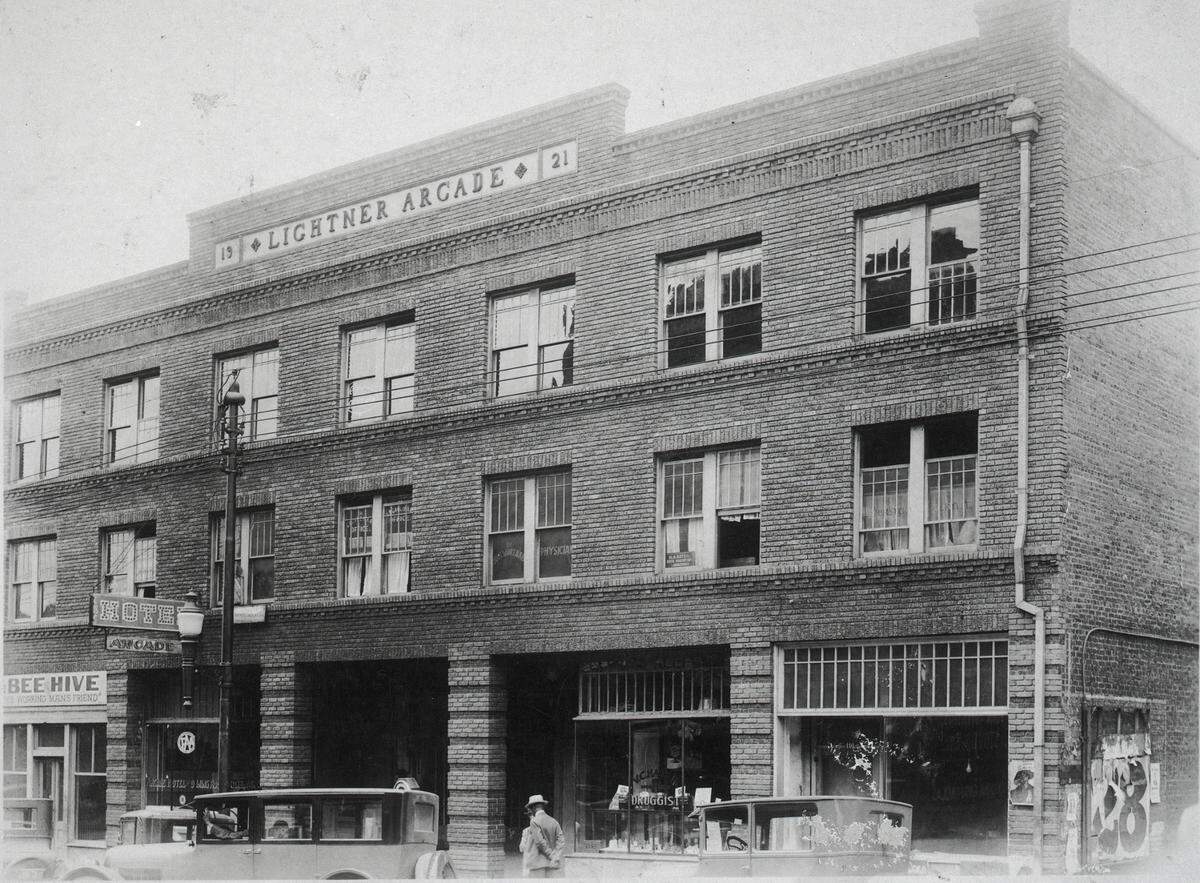
The district included more than 50 businesses, with the social center at The Arcade Hotel. It was built in 1921 by funeral home operator Calvin Lightner and at different times featured a dining room, amusement center, tailor shop and drug store. On the third floor was a ballroom where Cab Calloway, Count Basie and Duke Ellington played.
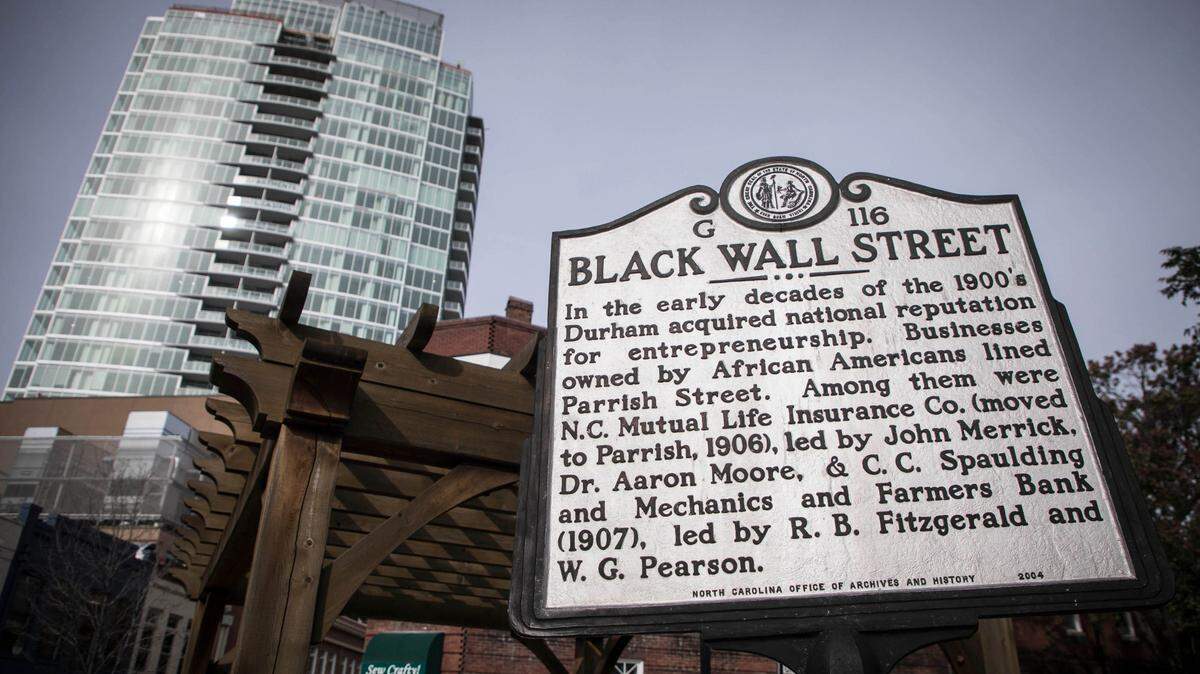
Durham also had 20 sites listed in the Green Book over the years that helped make up “Black Wall Street,” the heart of which was the original Hayti district, a city within the city. What started as a residential district for Black tobacco factory workers and other laborers after the Civil War eventually grew to more than 200 businesses along Fayetteville, Pettigrew and Pine Streets.
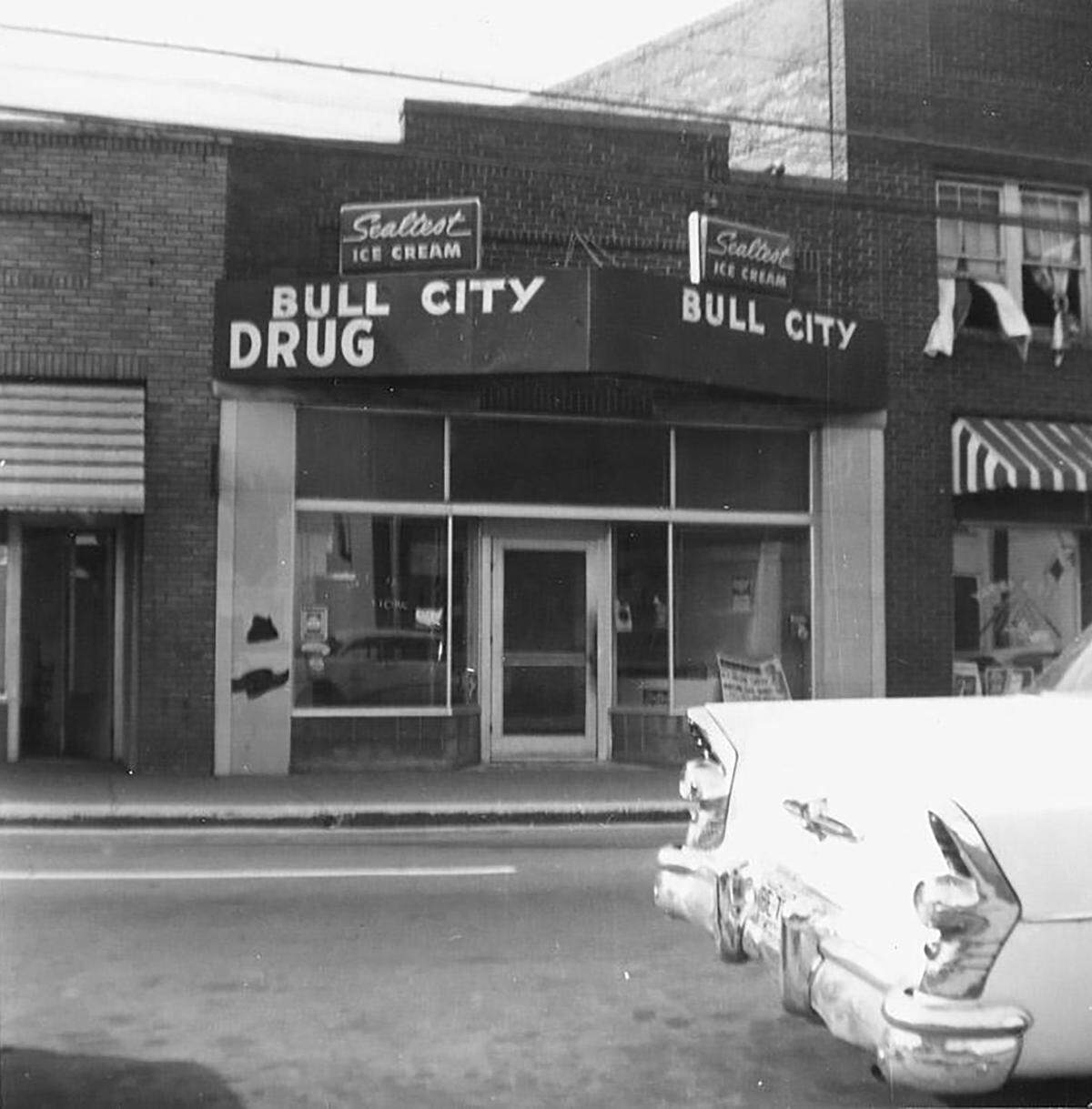
By the early decades of the 1900s, visitors could find a room in the Biltmore Hotel, read books at the library, attend services at St. Joseph’s AME Church, go to movies at Regal Theater, even seek medical care at Lincoln Hospital and have prescriptions filled at a drug store.
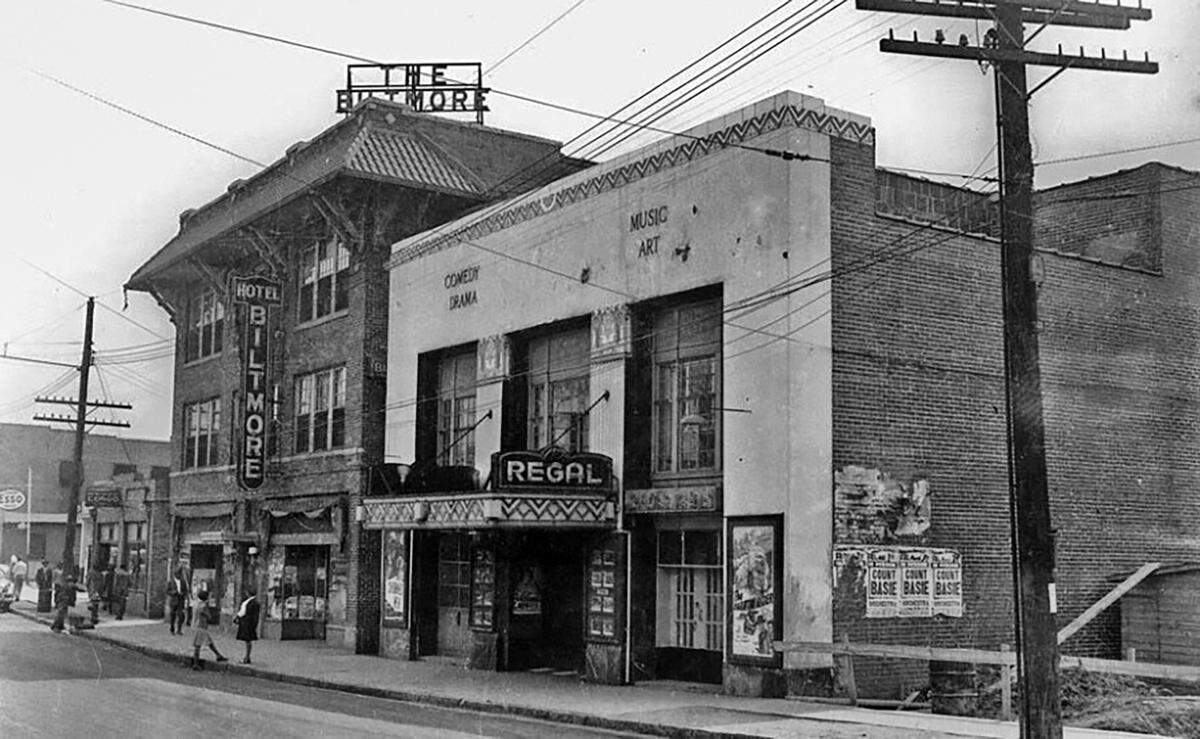
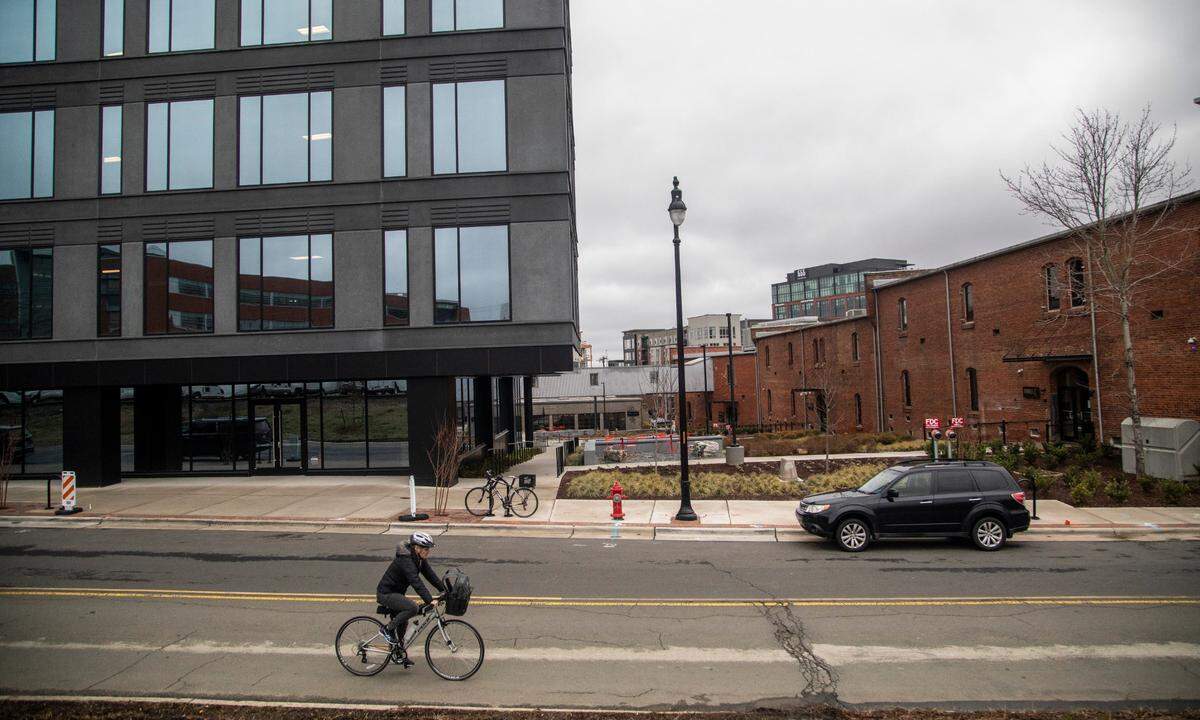
While Orange County had no listings in the Green Book, African Americans had a community along the banks of the Eno River in Hillsborough that included a boarding house, a cobbler, a funeral home and other businesses, according to the Alliance for Historic Hillsborough, which has created a walking tour that includes the area.
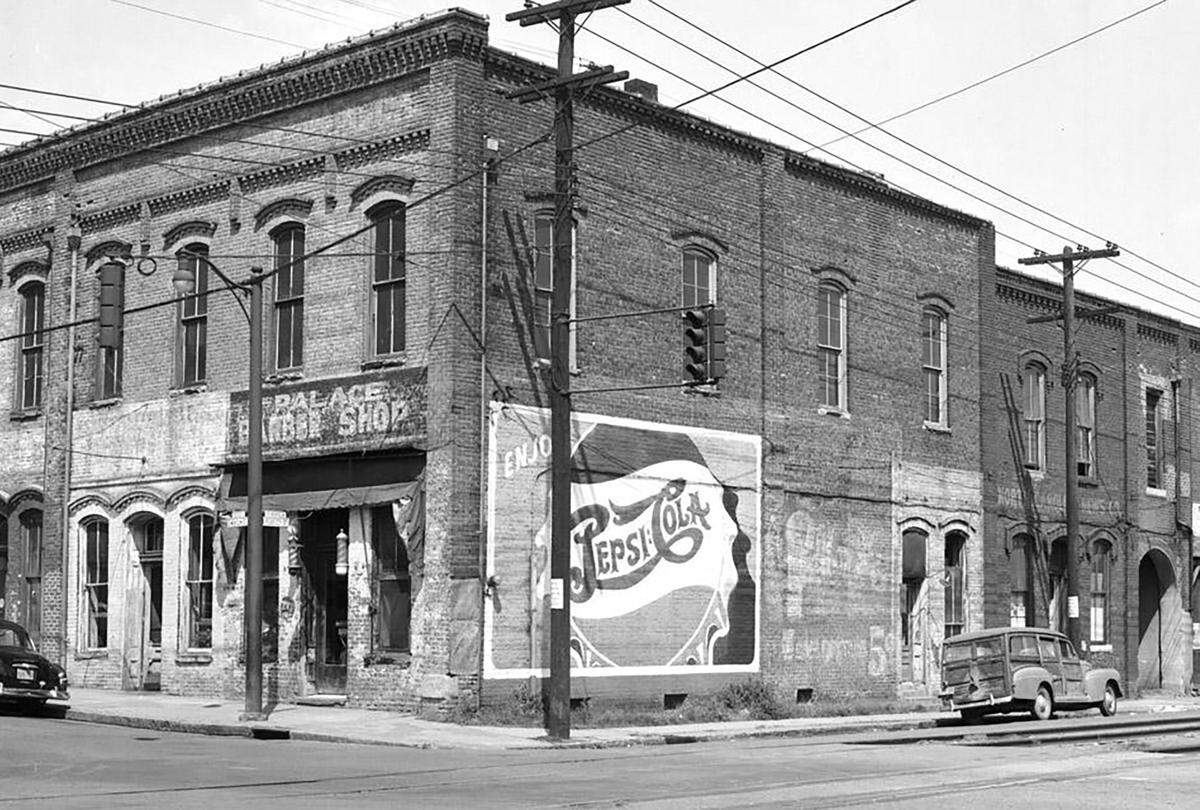
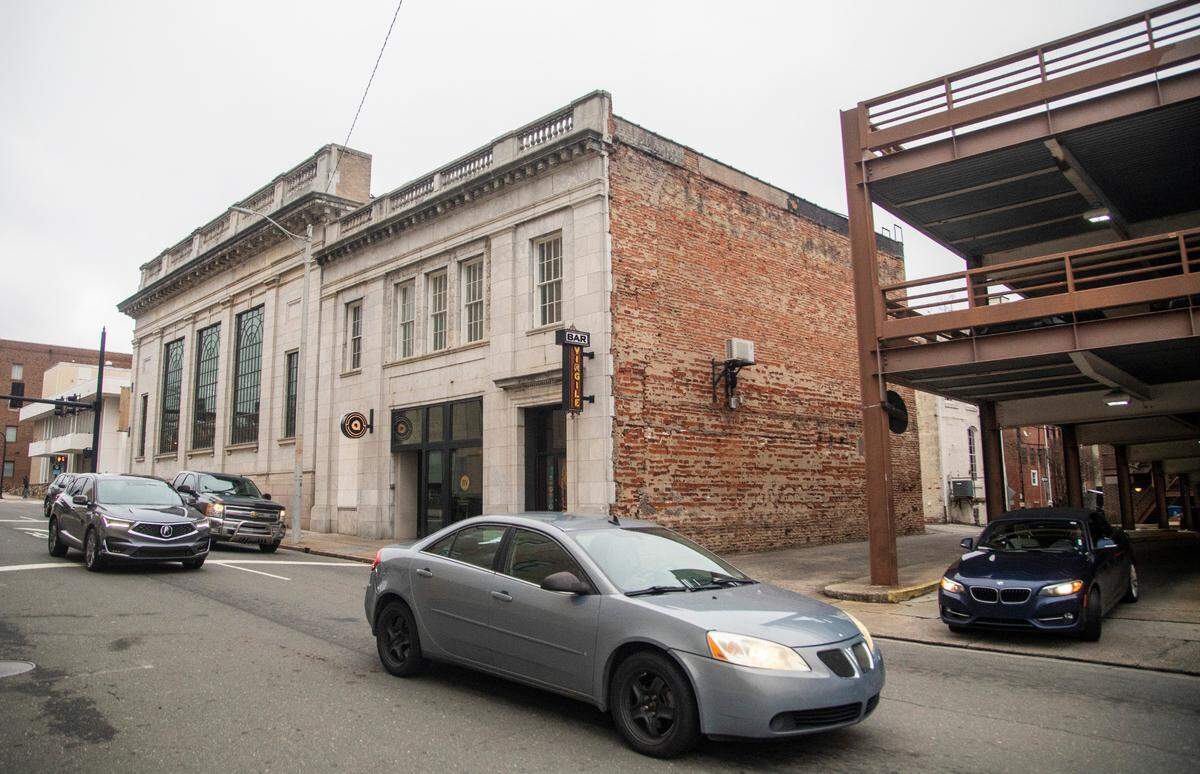
Sanford, in Lee County, which drew north-south travelers off U.S. 1, had just four Green Book listings: a mechanic, a hotel, a drug store and a beauty parlor. But there were many more businesses owned by Blacks in the commercial district centered around Wall Street and Pearl Street, about three blocks south of the train station downtown. A National Register historic district application says the area had barber shops, restaurants, stores, service stations, a funeral home, dance halls, a theater, an ice house and a newspaper. African American professionals also maintained offices in this area, including doctors, dentists, pharmacists and lawyers. There was a boarding house just for teachers.
Longtime radio reporter Margaret Murchison, who was born in Sanford in 1948 and lives there still, remembers Bland’s Drug Store, opened around 1920 and listed in the Green Book from 1947 to 1955.
Murchison and her friends hung out there as teenagers in the early 1960s, sharing drinks from the soda fountain and listening to the do-wop singers who performed on the sidewalk across from Knott’s Funeral Home.
A Sanford protest movement
Also in the Wall Street district were several Black churches, including St. James African Methodist Episcopal, that served a critical role in the local Civil Rights movement, the push to integrate public facilities and institutions and gain equal access to services.
Murchison joined in the movement in 1963 when she was attending 9th grade in the all-Black K-through-12 Wicker School.
“We decided we want to get the restaurants open,” Murchison remembers, and she and others met for months at St. James Church for training.
“We were learning freedom songs, and how to fall and go limp without getting hurt,” she said. “We couldn’t go out and do anything until we got trained.”
As the movement grew, the training moved to nearby Blandonia Presbyterian Church, Murchison said. “We worked and worked until finally we decided we were ready to go into the street.”
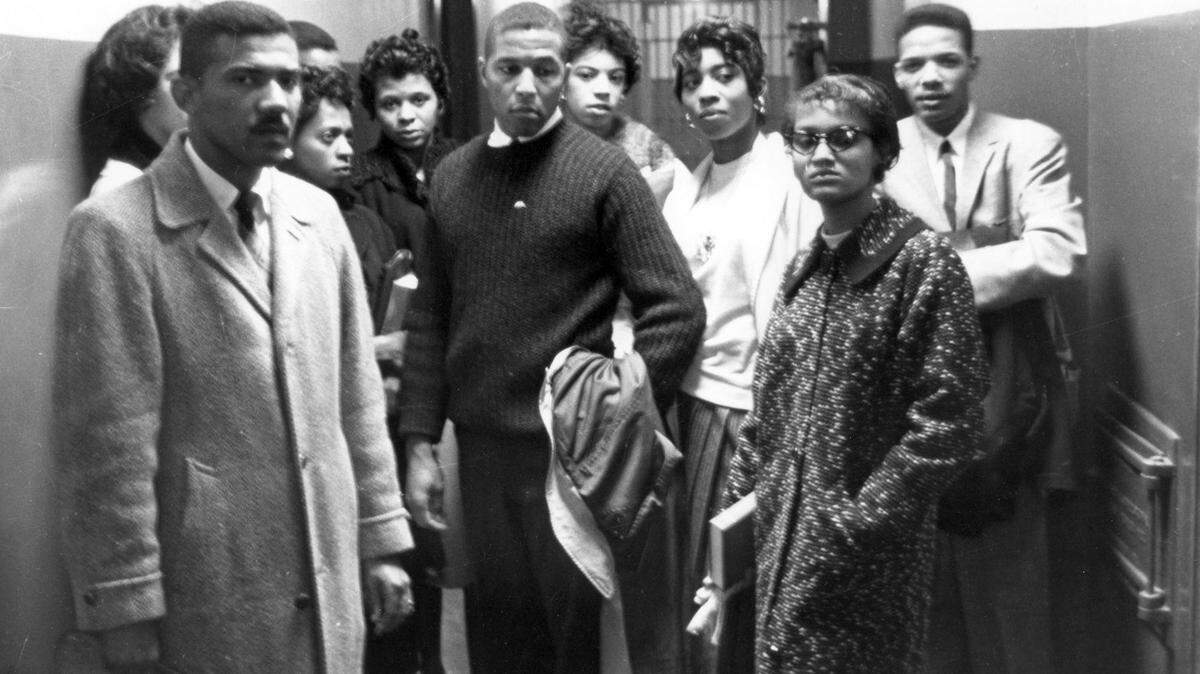
The day came when the first wave of protesters was sent into a whites-only downtown restaurant to ask to be served.
“Nobody had any money, but we knew to take a dime with us in case somebody let us buy a drink,” said Murchison, who wasn’t in the first group. Denied service, they sat down on the floor and sang, “We Shall Not Be Moved,” until they were all arrested.
The next day, Murchison was in the crowd that marched to Matthew’s Grill, in pairs. When they got there, the mother of one of Murchison’s classmates who worked as a dishwasher at the restaurant came out and begged the students to leave, saying they could not be served. They sat down and started singing.
A group of men responded, Murchison said, carrying long guns and sticks and at least one of them fired, grazing the leg of Murchison’s partner. Jet Magazine was the only news outlet that wrote about it, she said, and the police denied it had happened, saying the girl was injured by a stick with a nail in it.
The NAACP in Raleigh got involved, providing bail money for those who got arrested whose parents couldn’t afford to get them out of jail. The protests continued for months, as they did across the South, until finally the city relented.
Green Book ‘resonates with people’
Each edition of the Green Book included a note that said, hopefully, “There will be a day sometime in the near future when this guide will not have to be published. That is when we as a race will have equal opportunities and privileges in the United States. It will be a great day for us to suspend this publication for then we can go wherever we please and without embarrassment.”
The Civil Rights Act of 1964 ended segregation in public places and banned employment discrimination on the basis of race, color, religion, sex or national origin. The Green Book ended publication with its combined 1966-67 edition.
By then, many Green Book-listed businesses already had disappeared. Desegregation hastened their decline. Urban renewal projects carried out from the 1950s to the 1970s frequently involved building highways through Black business districts; one of them, the construction of the Durham Freeway in the 1960s, obliterated much of Hayti, and another in downtown Raleigh took out parts of Black Main Street there.
Free to patronize nearly any business they chose, Black customers joined their white counterparts at suburban shopping centers and office parks.
All that remains of most Green Book listings are historical photos, reprints of some Green Book editions by a California comic book company, and digital copies on the website of the New York Public Library.
The state’s traveling exhibit — actually there are two, exactly the same — is an eight-panel standup version of the web presentation that comes with reprints of eight Green Book editions. When she displayed it at Warren County Memorial Library, Library Director Christy Bondy also put out copies of Alexander Ramsey Calvin’s children’s book called “Ruth and the Green Book,” along with Gretchen Sorin’s Driving While Black” and “The Overground Railroad” by Lesa Cline-Ransom and James Ransom.
The exhibit goes up next on the ground floor of Joyner Library at East Carolina University in Greenville, which opened as an all-white university and didn’t accept its first Black student until 1962. The public is welcome to visit the library and can park in the deck next to the building.
Jennifer Daugherty, who oversees the North Carolina Collection at Joyner Library, said she asked for the exhibit to come to campus because, “The Green Book is an artifact that resonates with people. The fact that you had to have a book to be able to safely travel, to go on vacation, something that people do all the time. Most people have probably never thought that, ‘Oh, there was a time in this country when some people could not safely travel. They could not even stop to use a bathroom.’
“And that history really isn’t that far away.”
This story was originally published February 8, 2023 at 6:00 AM.