Farmers’ almanacs accurately predicted most recent NC winter storm a year before it hit
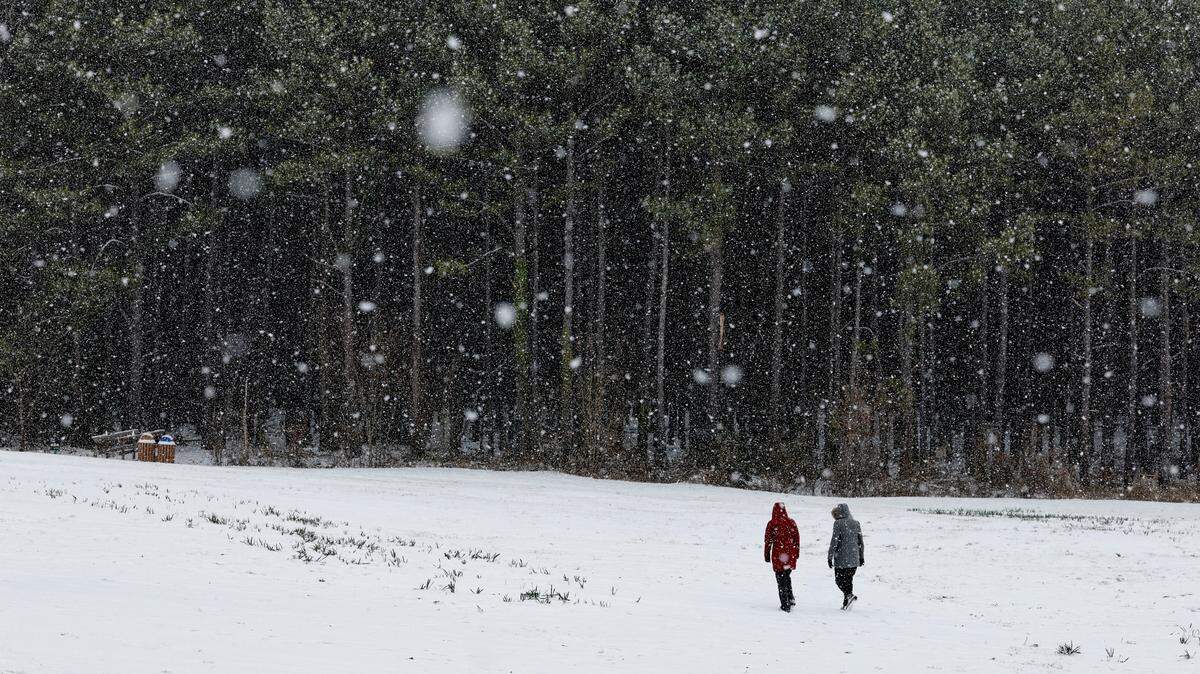
Did you hear it, in the hush of the snow day this week, as you stared into the gray winter sky watching the fluffy flakes drift lazily down?
A quiet voice, but confident, a little self-satisfied. It whispered, “We told you so.”
It might have had a Northeastern accent, like a great-grandfather in Maine or an aunt in New Hampshire, bringing to mind someone who cleans under their nails with the bent tip of a garden trowel and has a freezer full of homemade chicken pot pies.
It was the voice of the American farmer — or at least, the favorite journal of the American farmer, the almanac, that once-a-year publication that appeals now as much to the urban garden center shopper as to the man who plucks it from a spinner rack every autumn at the Tractor Supply.
In fact there are two, each in print for more than 200 years: the Farmers’ Almanac, launched in 1818, and the Old Farmer’s Almanac, first published in 1792.
Along with sage advice on when is the best time to castrate farm animals, how to deal with invasive jumping worms and the ideal moon cycle in which to plant Brussels sprouts, the almanacs lay out a year’s worth of weather forecasting in every issue.
They don’t always get it right; some critics say they’re only a little better than 50% on target.
But they called this one.
The Farmers’ Almanac called NC’s February snow
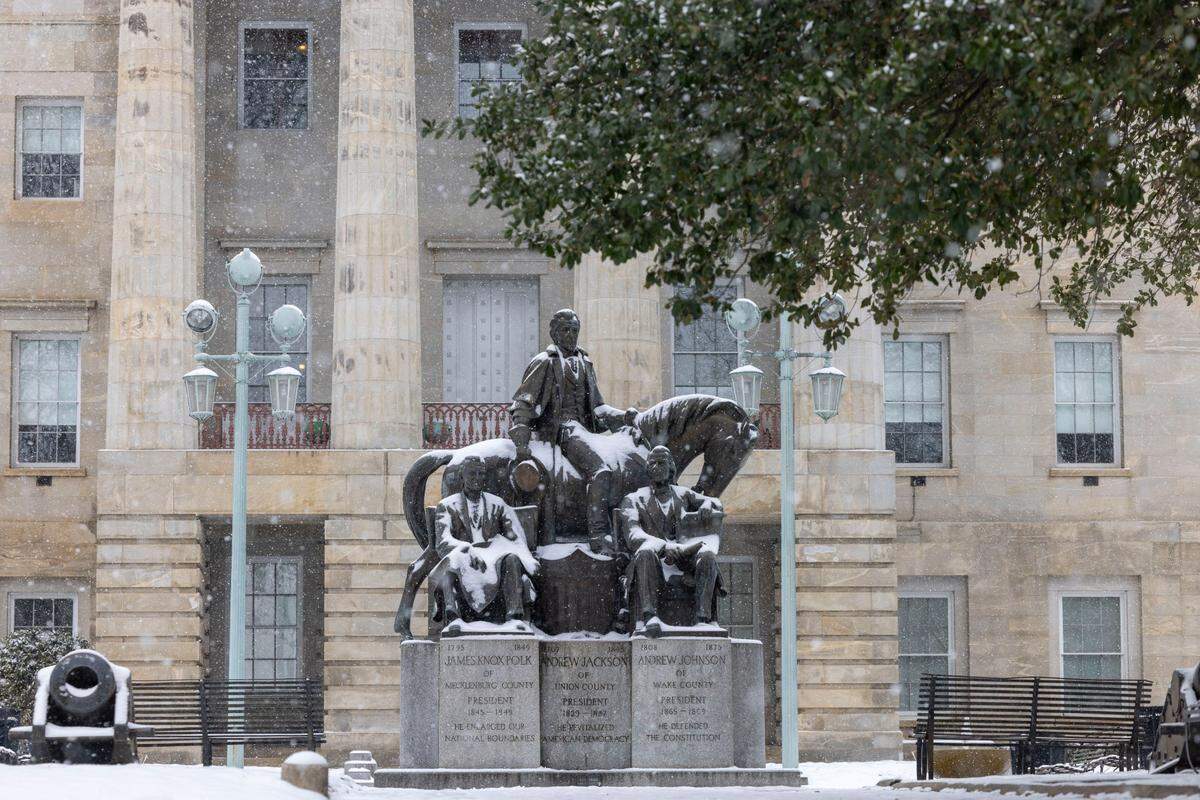
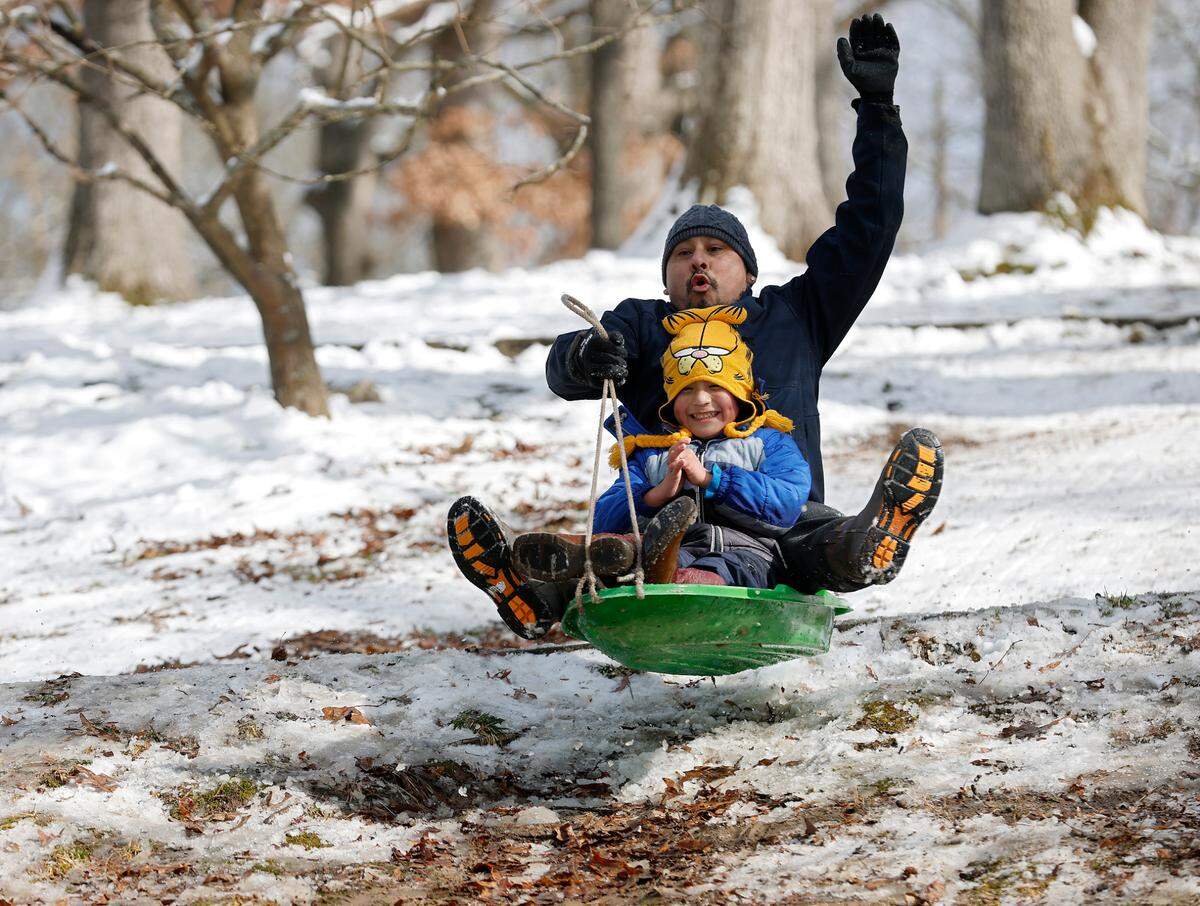
Yes. More than 12 months before a low-pressure system from the Gulf met a polar blast over North Carolina and spread snow and ice from Kernersville to Corolla Feb. 19 and 20, 2025, both almanacs had winter storms on their radar for the week.
For Feb. 19-26, in its prediction for the Southeast (which includes North Carolina), the Old Farmer’s Almanac said, “Snow, heavy north; very cold.”
Its competitor, the Farmers’ Almanac, said, wet snow was possible over Presidents’ Day weekend, Feb. 16-19; that a storm would track from the central Gulf to the Mid-Atlantic coast from Feb. 20-23; and areas on the north side of the storm’s track could see snow or a wintry mix.
Is the Farmers’ Almanac accurate for weather?
The National Weather Service won’t make specific forecasts more than a week out, saying such guidance is unreliable because of all the complicating factors that can shift a storm’s track hundreds of miles in one direction or another on short notice. The agency’s cousin at the National Oceanic and Atmospheric Administration, the Climate Prediction Center, does forecast seasonal trends, saying whether temperatures and precipitation, for example, are likely to run above or below average over the next few months.
Commercial weather apps and private-sector forecasters can afford to be more cavalier. If they’re wrong, they can blame it on the variability of computer models from around the world (and, anyway, they aren’t likely to get called before Congress to explain when they swing big and miss).
The almanacs don’t divulge too much about how they make their forecasts. A 2023 story in Scientific American said the almanacs consider solar activity, lunar cycles, ocean tides and wind patterns, along with historical weather patterns and current data from NOAA about La Niña and El Niño phases.
Vacation planning
For decades, I’ve planned events and vacations using almanac forecasts and so far, I haven’t been evacuated from the coast for an unforeseen hurricane. It didn’t rain on my wedding or my parents’ 50th anniversary party.
When I bought my two almanacs last year, I got excited over how many times they called for snow and have been delighted when they were right.
But February is almost over, and this would be a good time for spring to make an appearance.
According to their forecasts, our end of North Carolina won’t see any more snow this winter.
Won’t the jumping worms be glad to know.
This story was originally published February 21, 2025 at 4:49 PM.