Judge deemed NC teacher’s accused slayer ‘mentally ill’ but denied request to commit
AI-generated summary reviewed by our newsroom.
- Judge ruled Camacho mentally ill and unable to assist counsel; denied commitment.
- District attorney sought involuntary commitment; judge said danger standard not met.
- Camacho faces murder charge; records show schizophrenia, homelessness, repeated arrests.
READ MORE
Teacher slain in Raleigh
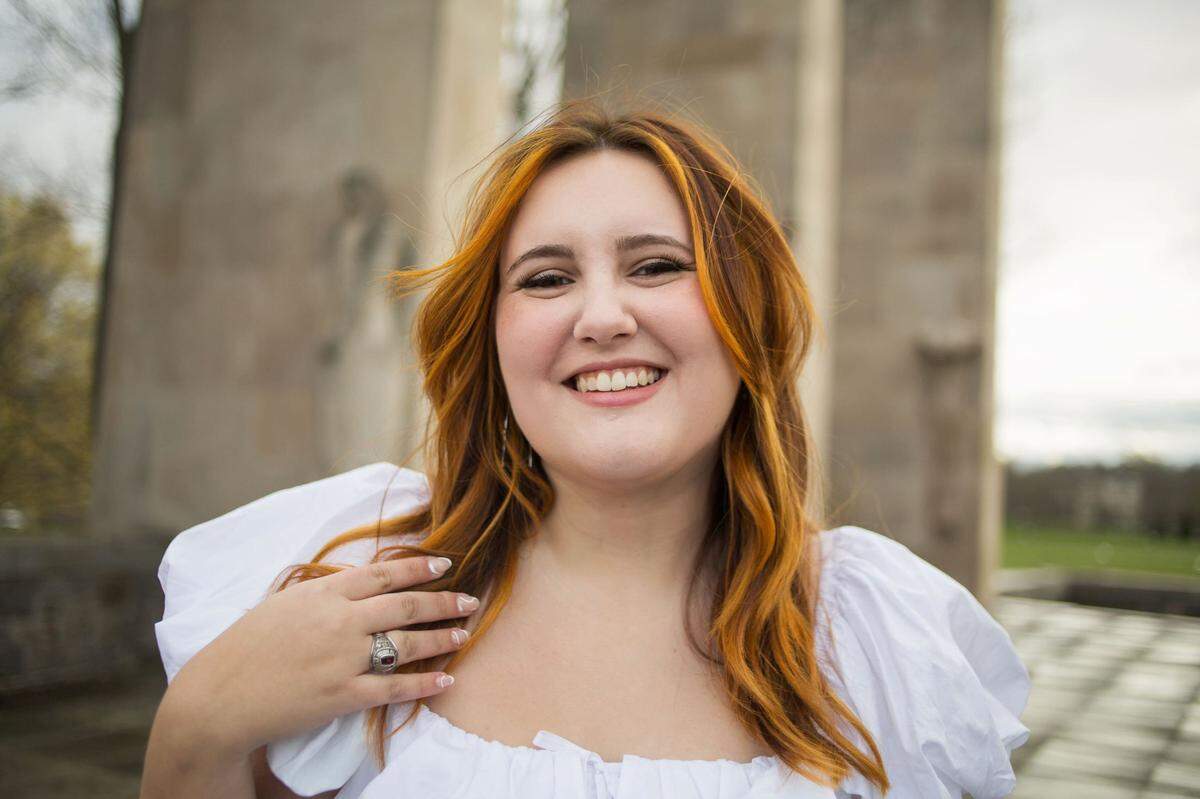
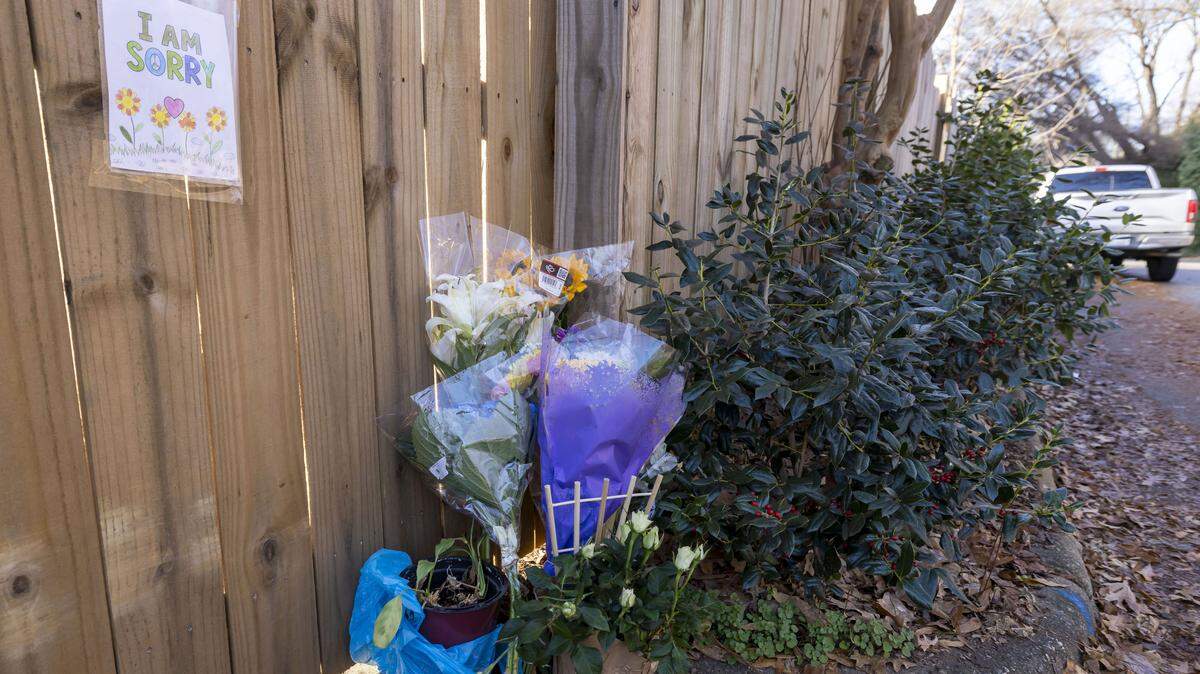
Zoe Welsh, a well-known teacher at Raleigh’s Ravenscroft School, was killed in a burglary at her home off of St. Mary’s Street early Jan. 3, 2026. Ryan Camacho has been charged with her murder, with court records showing he has a long history of mental health troubles. Here’s ongoing coverage from The News & Observer.
Expand All
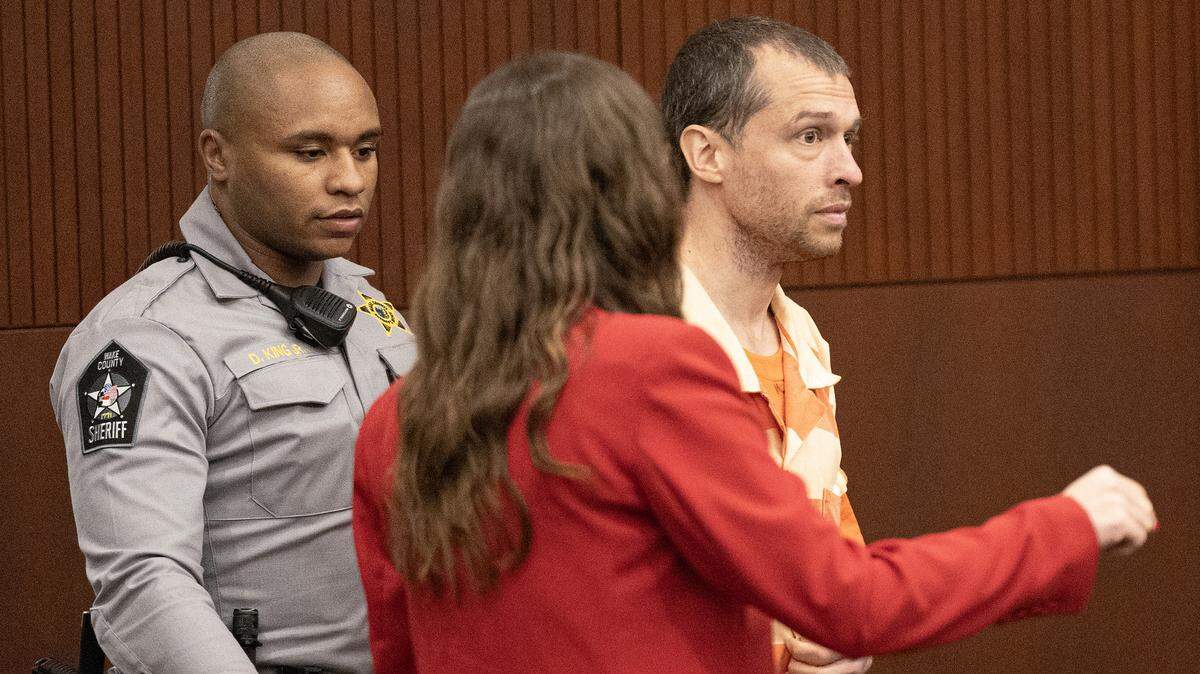
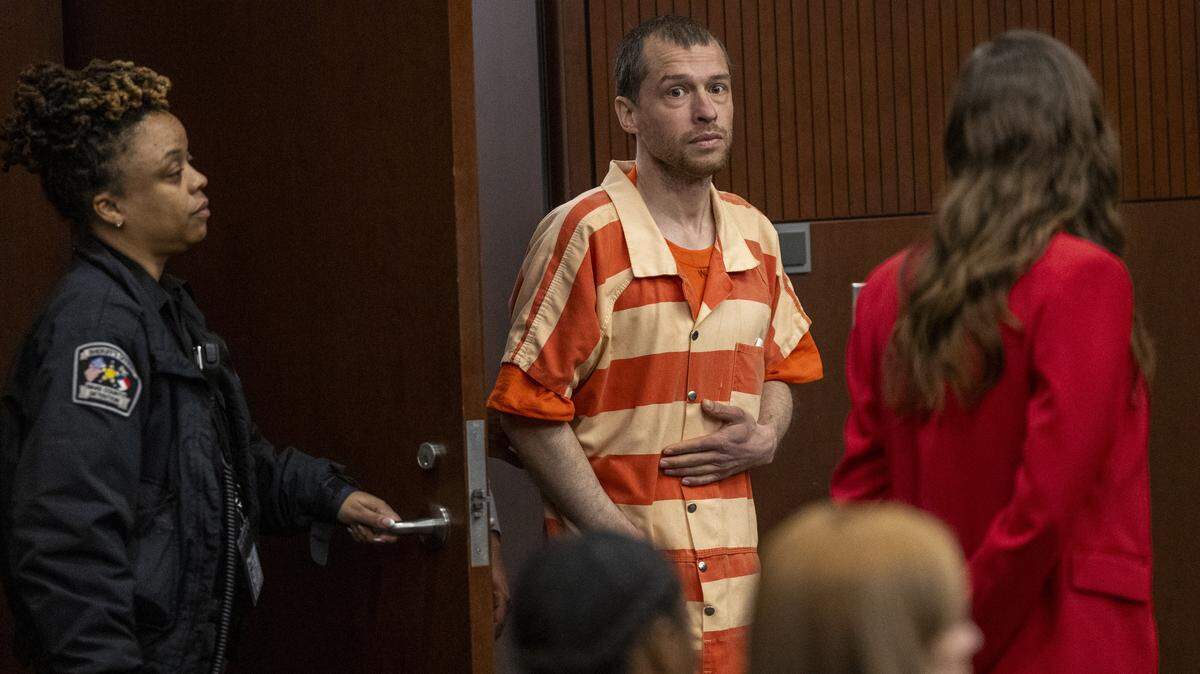
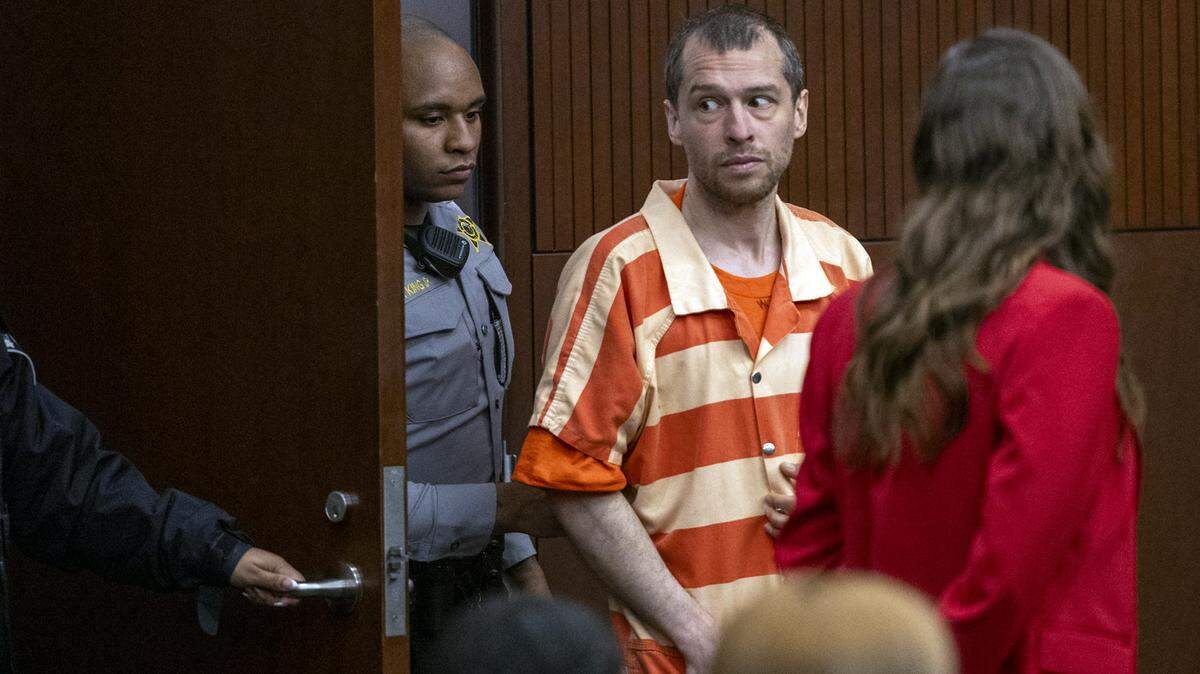
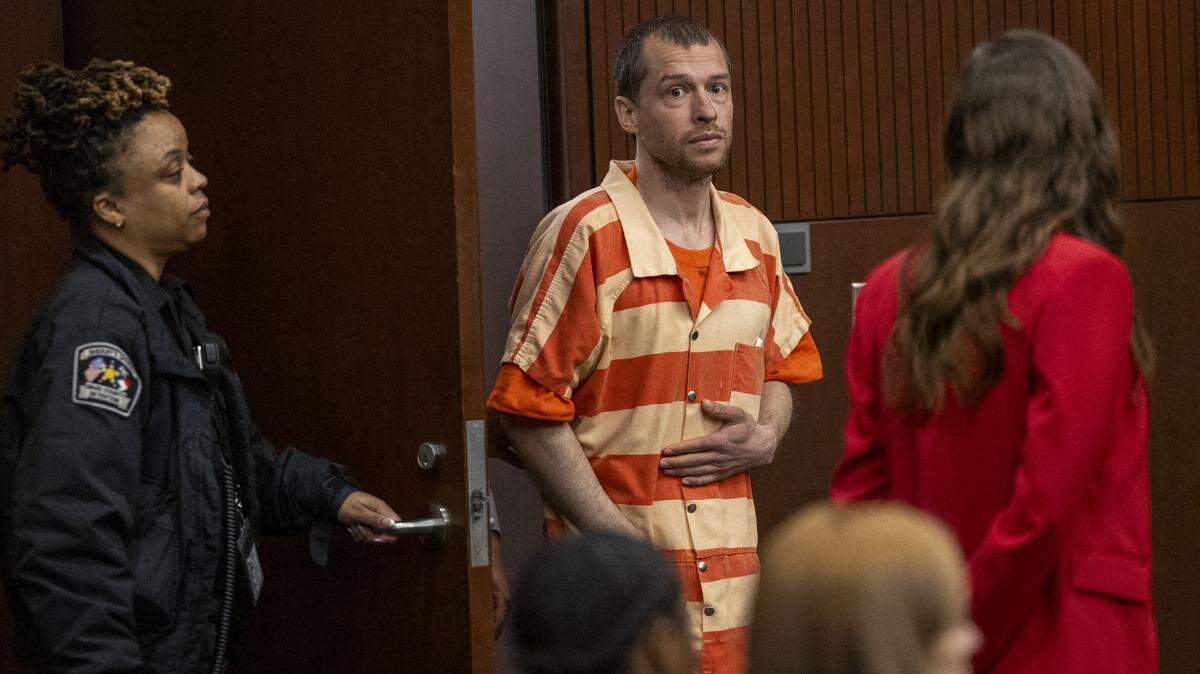
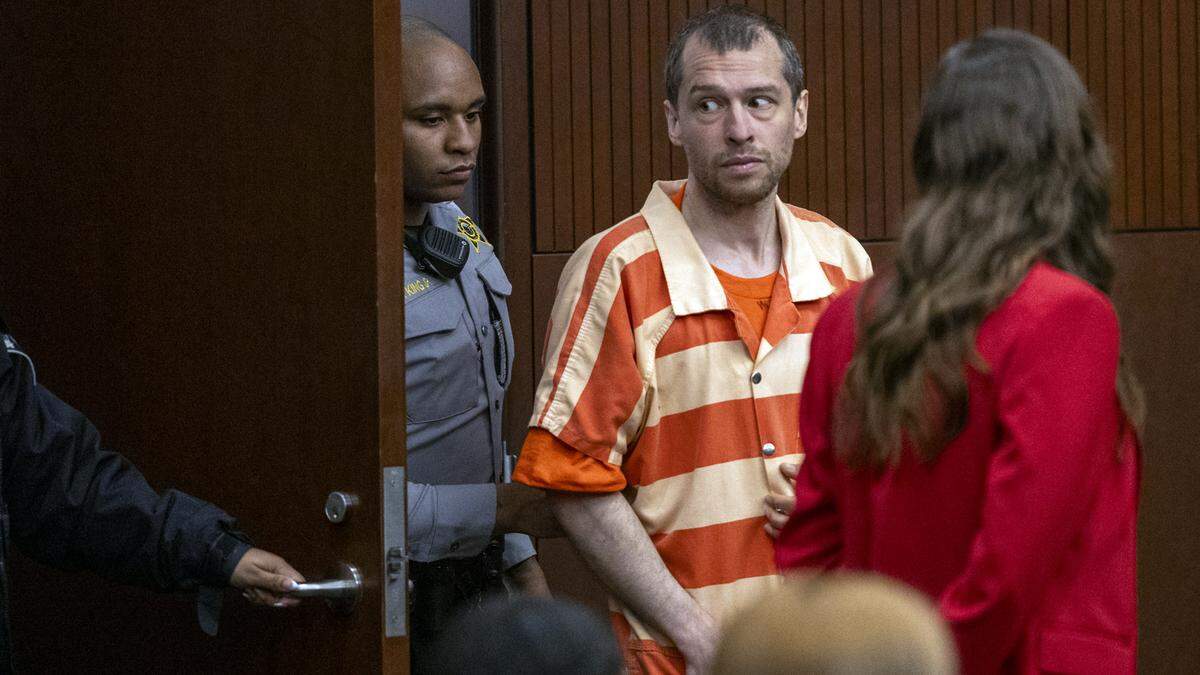
In December, a District Court judge ruled that Ryan Camacho was “mentally ill” and unable to assist his attorney in a “rational and reasonable matter,” a decision that came while Camacho was refusing to speak, come to court or leave his Wake County jail cell.
But Judge Louis Meyer III also ruled that Camacho fell short of the standard for involuntary commitment, which would have placed him in mental health care against his will — a move sought by the district attorney.
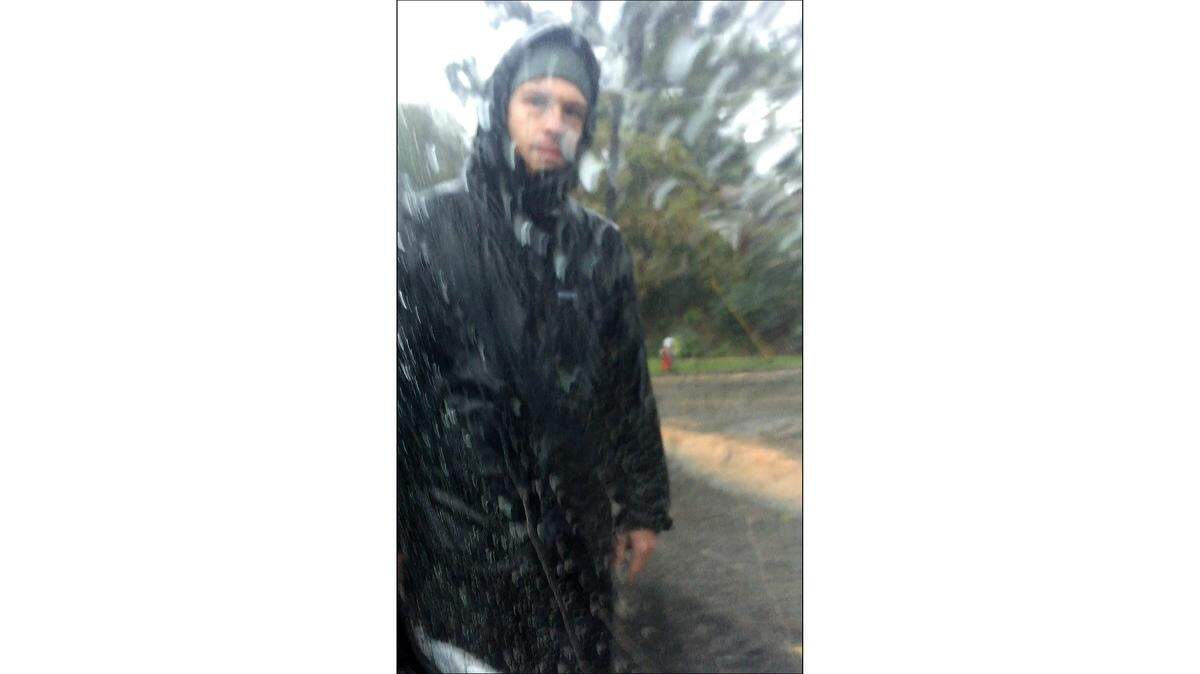
Less than a month later, Camacho, now 36, stands charged with breaking into Wake County teacher Zoe Welsh’s house near Fred Fletcher Park in Raleigh and killing her while she called 911.
The hearing in December on a string of misdemeanor charges against Camacho takes on greater meaning now that he is accused of murder, and it highlights the difficulties involved in handling defendants with a history of mental illness.
Meyer did not return The N&O’s call Wednesday.
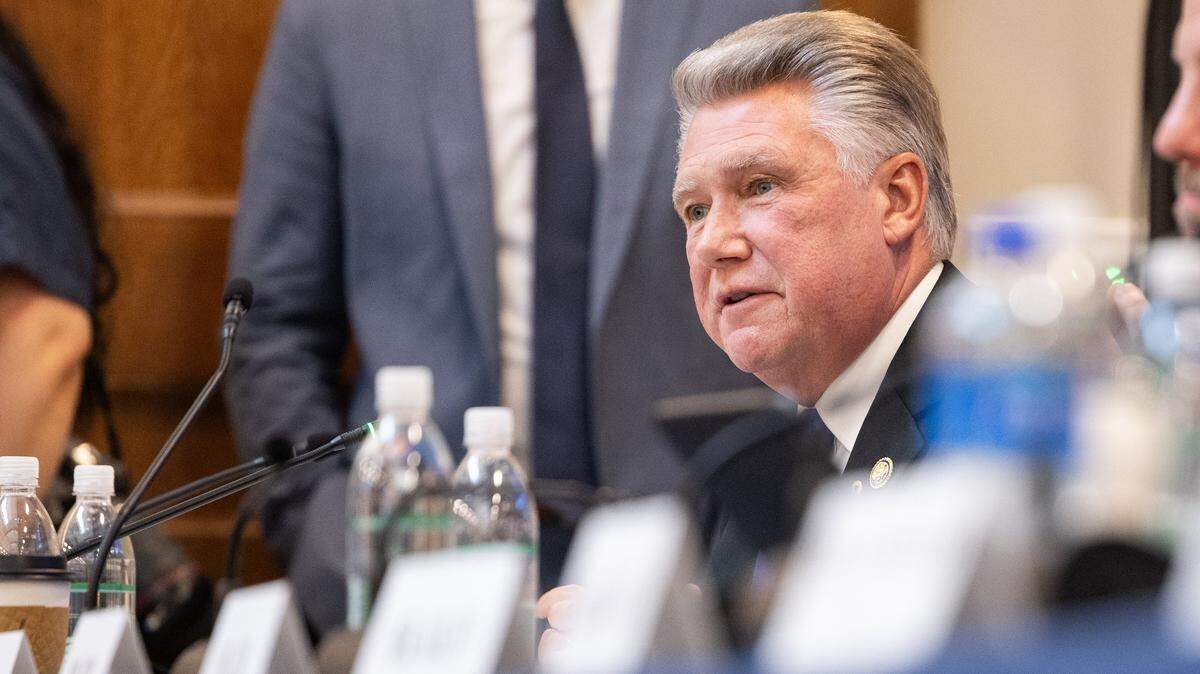
“The judge did not feel like the danger to self or others had been met,” said District Attorney Lorrin Freeman, whose office sought to commit Camacho. “That is a high bar.”
Out in a few days
The man charged with killing Welsh has a long history of mental health troubles, including being diagnosed with schizophrenia, and has bounced between homelessness and jail for over a decade, court records show.
In November, a forensic evaluator unsuccessfully attempted to examine Camacho while he awaited trial on breaking and entering and larceny charges.
She noted that his mother was working with several mental health programs, one being Alliance Health, and that she had been appointed his legal guardian.
But Camacho would neither speak to the evaluator nor come to court, making her unable to determine his mental capacity. His public defender filed similar court documents, noting Camacho’s unwillingness to speak.
No written transcript or recording of the Dec. 4 hearing exists, but Meyer signed court documents that day stating both that Camacho was unable to proceed in the case against him, being mentally ill, and that he should not be committed.
“We had a different opinion about it,” Freeman said of the decision. “I do think that most families who have been in the position of trying to get someone mental health help will tell you that a lot of them run into that same hurdle.”
For decades, the legal system nationwide has shifted against placing people into mental institutions for long periods of time.
Camacho’s mother had him involuntarily committed in 2016 after a stalking charge, court documents show, then again in 2018 after he refused to eat or leave his room.
Freeman pointed out that when a person is considered for involuntary commitment, the risk that the person will harm someone must be shown to be imminent and relevant to the current situation; it cannot be based on something the person did weeks or months earlier.
“A lot of times,” Freeman said, “what we see is people may go to be committed but are back out within a matter of a few days.”
This story was originally published January 7, 2026 at 5:02 PM.