Court records: Wake teacher’s accused killer has violent history and schizophrenia
AI-generated summary reviewed by our newsroom.
- Ryan Camacho is accused of killing Raleigh teacher Zoe Welsh.
- Court records show he had been declared incompetent because of mental illness.
- Camacho was most recently released from jail in December.
READ MORE
Teacher slain in Raleigh
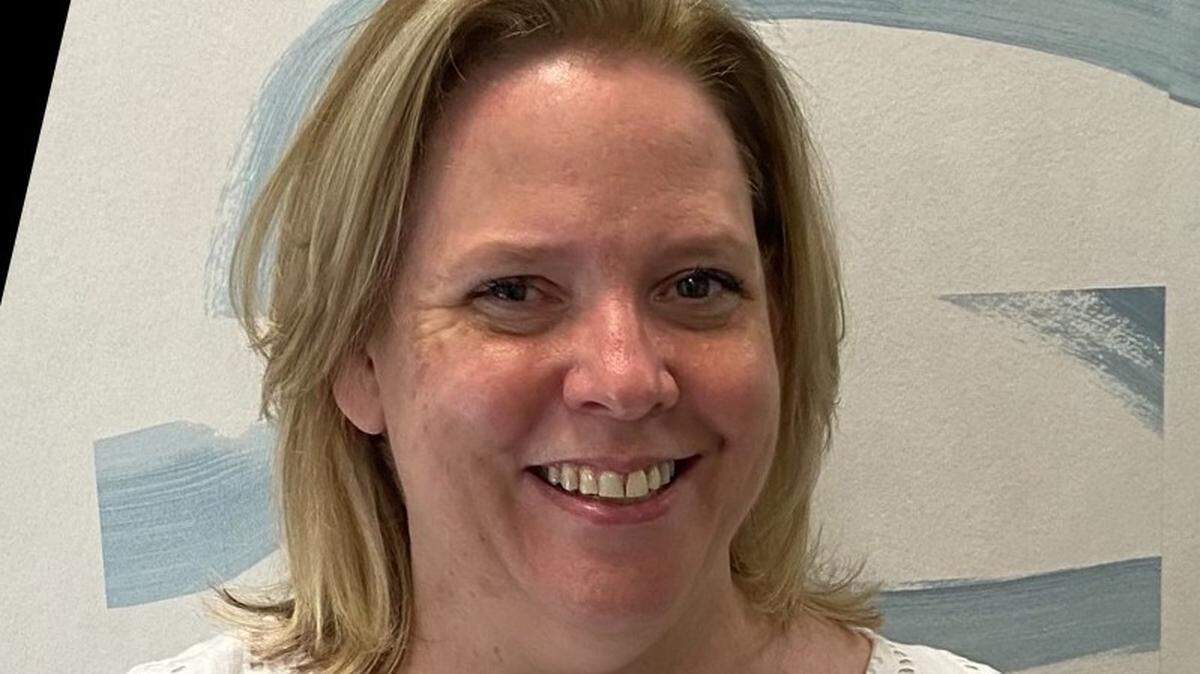
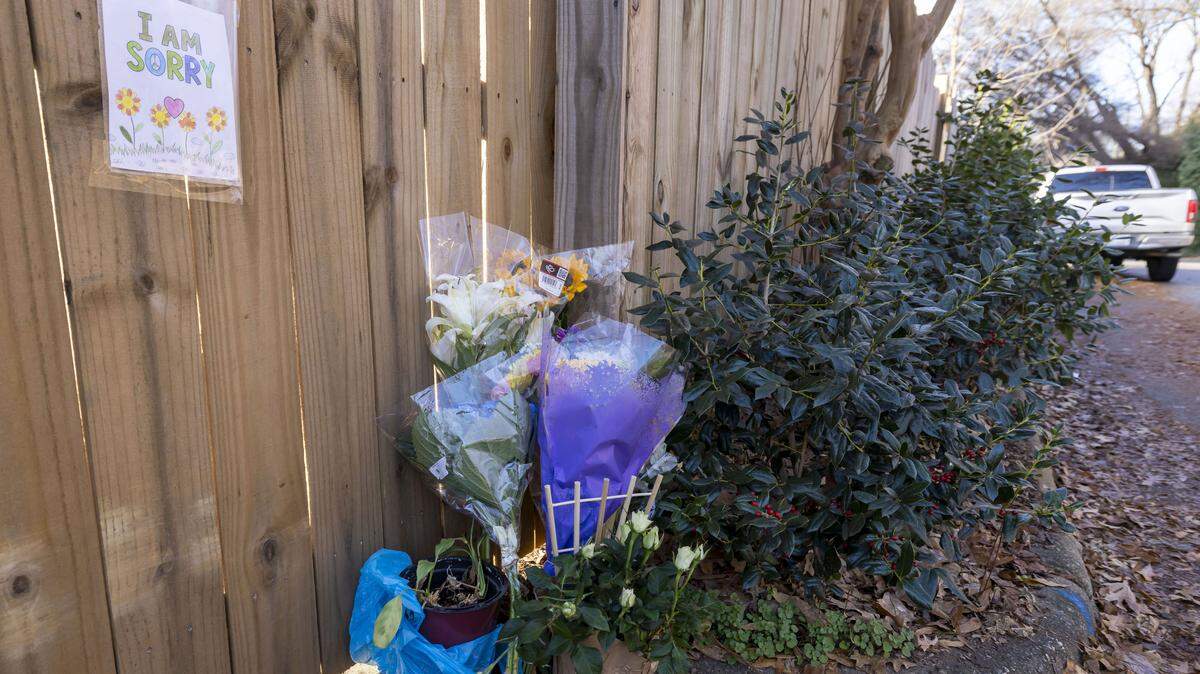
Zoe Welsh, a well-known teacher at Raleigh’s Ravenscroft School, was killed in a burglary at her home off of St. Mary’s Street early Jan. 3, 2026. Ryan Camacho has been charged with her murder, with court records showing he has a long history of mental health troubles. Here’s ongoing coverage from The News & Observer.
Expand All
The man charged with killing Wake County teacher Zoe Welsh has a long history of mental health troubles, including being diagnosed with schizophrenia, and has bounced between homelessness and jail for over a decade, court records show.
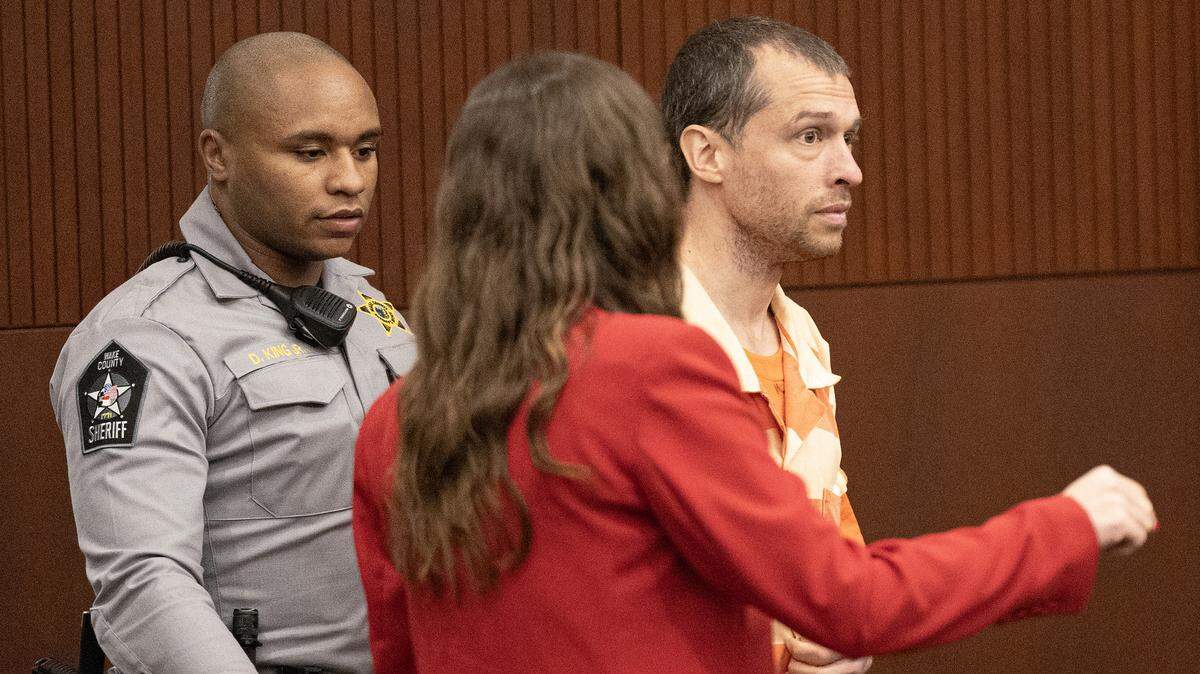
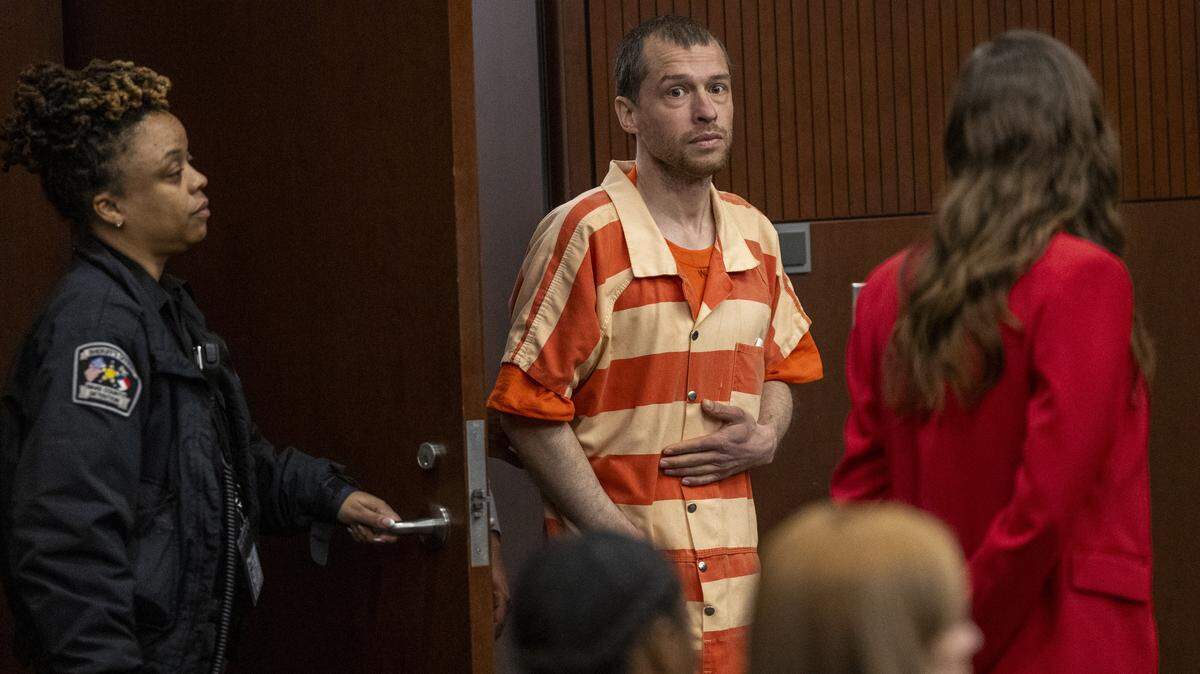
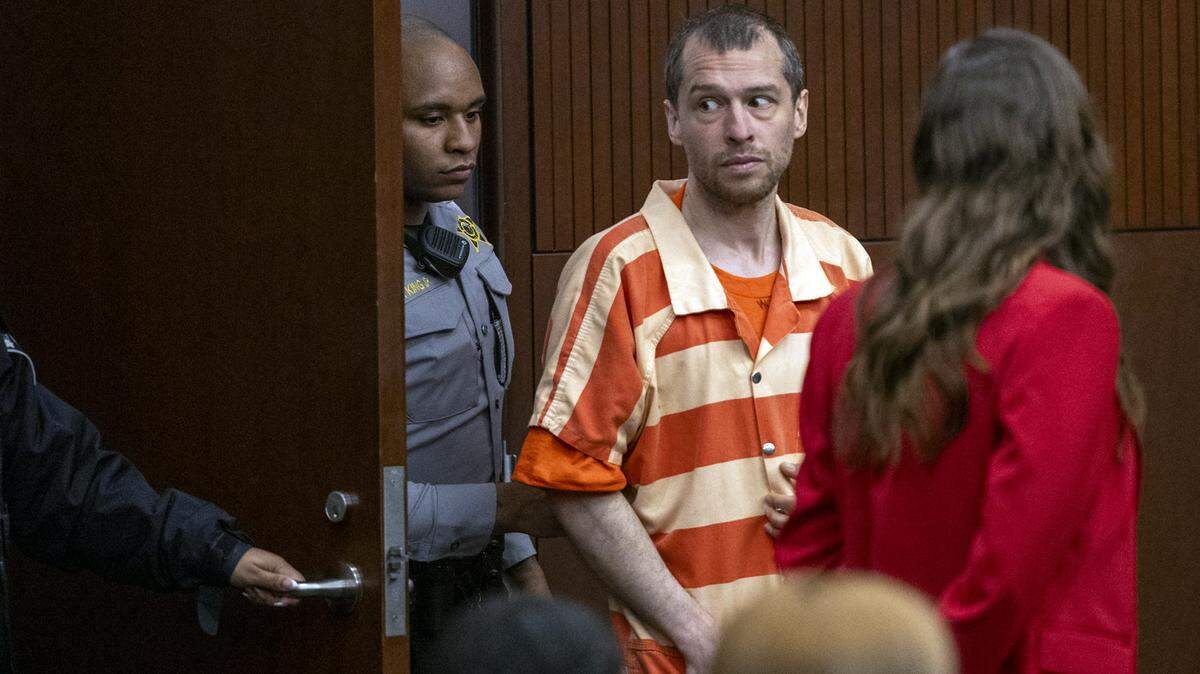
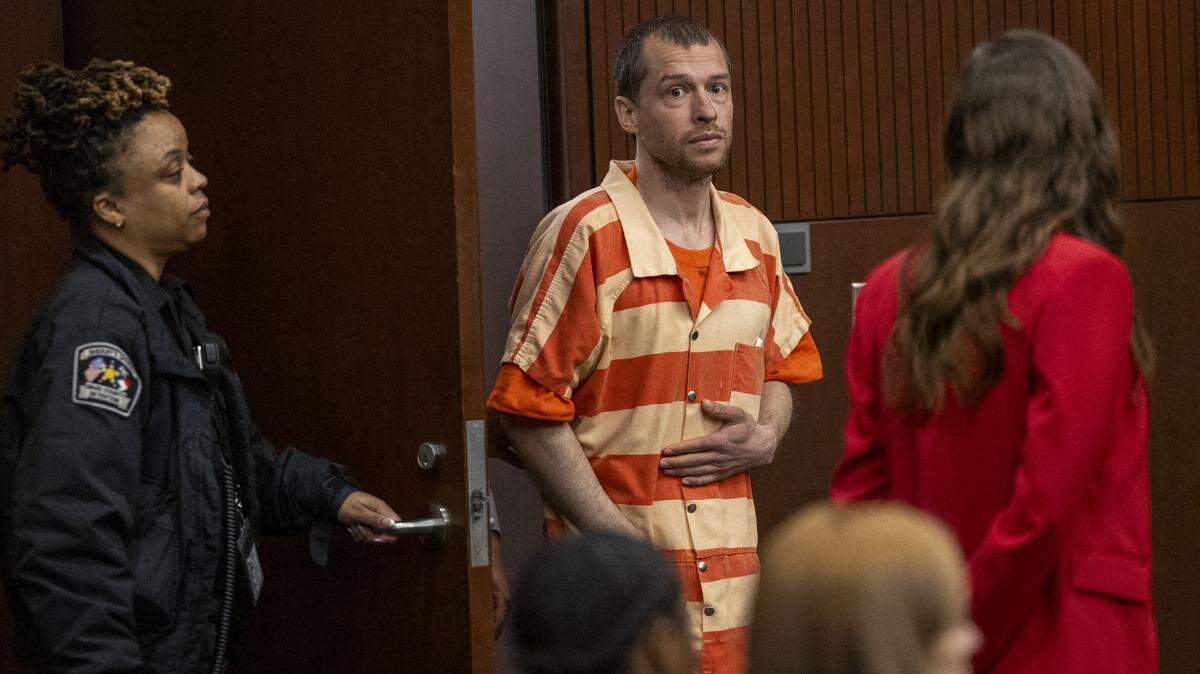
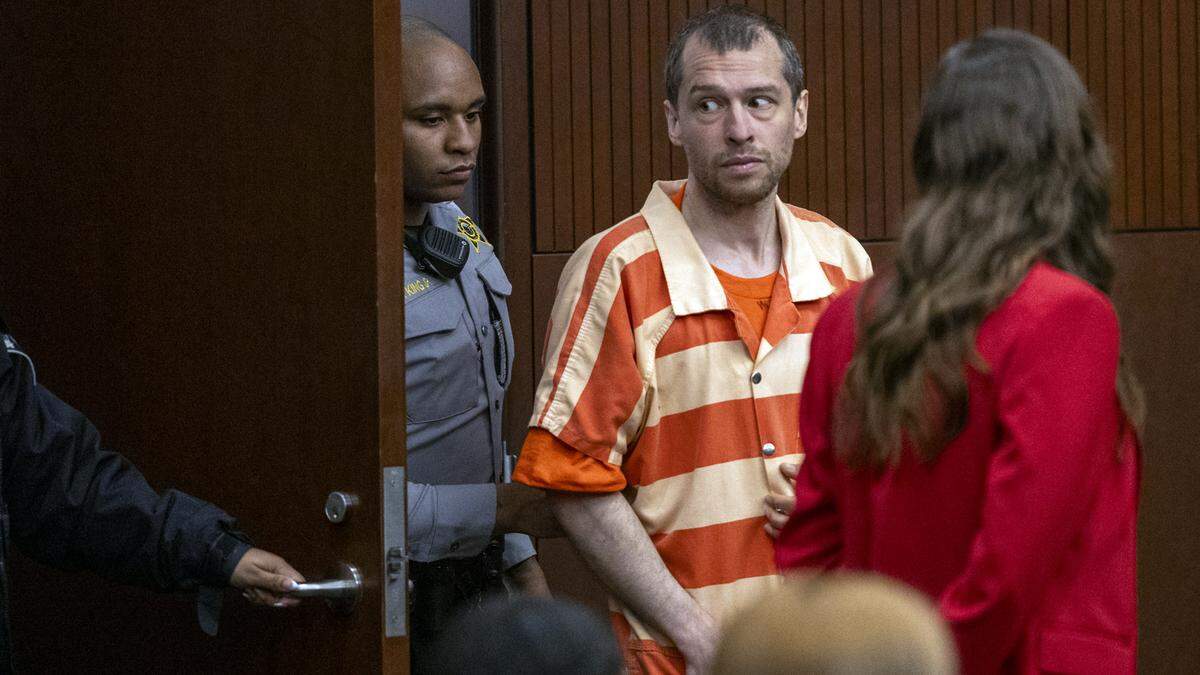
Ryan Camacho, 36, made his first appearance in Wake County court Monday on murder and felony burglary charges, accused of killing Welsh in her home Saturday while she called 911.
But his history of violence and mental illness dates to 2005, when he was first charged with assault with a deadly weapon in two separate incidents in Raleigh, court records show. Those charges were dismissed by the Wake County District Attorney’s Office in June 2006.
It’s not clear from public records what Camacho’s early adulthood was like, though his mother wrote in court documents he was sent to wilderness camp and other programs for oppositional defiant disorder as a teen. Court records show he accumulated another misdemeanor larceny charge in 2005 and was extradited to California in 2010 in a “grand theft” case. Upon returning from California, he lived with his mother in Raleigh and avoided anything more serious than a speeding ticket until 2016, when his mental health reportedly took a turn for the worse.
According to petitions filed in Wake County Superior Court by his mother, Camacho began experiencing delusions in August 2016. After he allegedly threatened a neighbor, Camacho’s mother had him involuntarily committed; he then moved out and became homeless, his mother wrote in court documents.
That change marked the start of years of criminal charges and stays in jail and prison. In December 2016, Camacho was arrested on a charge of property damage in Raleigh. Two months later, he faced multiple trespassing charges and a charge of misdemeanor stalking in Raleigh, court records show.
The Wake County District Attorney’s Office dismissed most of the charges against Camacho in March 2017, according to court records. He pleaded guilty to injury to real property and injury to personal property and was sentenced to 33 days in jail and a year of supervised probation.
But less than two weeks later, Camacho trespassed again in Raleigh and was arrested. He remained in jail until May 2017, when he pleaded guilty to second-degree trespassing and was sentenced to time served, according to court records.
2017-18: Mother sought to declare him incompetent
In August 2017, Camacho’s mother filed a petition to have him declared incompetent.
“He was arrested for stalking the neighbors and has been involved in knife incidents in the past,” she wrote. “He needs psychiatric help.”
But she quickly asked for her request to be dismissed, even as Camacho bounced between the Wake County jail, a homeless shelter and Central Regional Hospital in Butner, court records show. Her request was granted in October 2017.
Camacho was released from Central Regional Hospital in November 2017 and moved back in with his mother, according to court documents. But weeks later, he reportedly spent all of his money to fly to Saipan in the Western Pacific, saying he needed to escape from the CIA. By mid-January 2018, she’d had him involuntarily committed to UNC Wake after he locked himself in his room, refused to eat and threatened suicide, court documents show.
Camacho’s mother petitioned again Jan. 26, 2018, to have him declared incompetent, and he was deemed at least partially incompetent in March 2018.
“[Camacho’s] delusions have included believing that neighbors in his mother’s townhome were stalking him, as well as a persistent belief that the CIA is controlling his thoughts, speech and behavior through mind-control,” his temporary guardian wrote in 2018.
But the cycle began again when his competency was restored in August 2018 and Camacho, diagnosed with schizophrenia by this point, allegedly stopped taking his medication, according to court documents.
Schizophrenia is a severe mental illness, but most people who have it are not violent, according to the National Institute of Mental Health. Overall, people with schizophrenia are more likely to be harmed by others than to harm others, according to its website.
2021: Attempted prison escape
In January 2019, Camacho acquired multiple felony charges after firing into occupied property in Raleigh months earlier. He was arrested and held on $100,000 bail until he pleaded guilty to two charges in November 2019, court records show.
Prosecutors initially made a deal, dismissing five of his charges and allowing him to serve five years of supervised probation instead of prison time in exchange for his guilty plea, according to court records. But after he acquired new charges related to a break-in in Durham County in 2021, he was rearrested and had to serve a sentence of a minimum of two years and a maximum of 41 months because he had violated his probation.
In August 2021, Camacho tried to escape from prison in Salisbury, earning a new charge. He was taken to the psychiatric unit at Raleigh’s Central Prison the next day, court records indicate. Five days later, his mother again petitioned for her son to be declared incompetent.
Camacho submitted an Alford plea, meaning he acknowledged there was enough evidence to convict him but didn’t plead guilty, in the attempted escape charge and received a mitigated sentence of six months. He again came under his mother’s guardianship after being declared incompetent in December 2021.
Because of his probation violations in his other cases, Camacho wasn’t released from prison until January 2024. Within a week, he’d already committed two break-ins in Durham County, though he wasn’t charged until March 2024, court records show.
His thefts appeared to stick to small items like water and Clif bars, according to court documents. Still, Camacho was back in jail in Durham County by April 2024, where he remained as a judge awaited the findings of a forensic evaluation of his mental health.
2025: More break-ins, more charges
The findings of that evaluation aren’t public record, but Camacho was ordered to undergo another mental health evaluation when he pleaded guilty in November 2024 to six theft-related charges in Durham County.
He was placed on supervised probation for a year and ordered to undergo 120 days of electronic monitoring. It’s not clear if he complied.
In the spring of 2025, court records show, Camacho was jailed under $10,000 bail after breaking into an HOA’s clubhouse and a Durham home, stealing a case of drinking water and a $2 beer, respectively.
His bail was lowered to $1 after his first appearance, though a magistrate noted his 10 pending court cases, court documents show. Judge Dorothy Hairston Mitchell sentenced him to 120 days in Durham County’s Misdemeanant Confinement Program in July, with 113 days of credit for time served.
By the start of August, Camacho was back in trouble, this time allegedly breaking into a Raleigh property and stealing two pillows. He remained in jail under $10,000 bail, and his public defender requested a hearing on his capacity to proceed in November, court records show.
Again, it’s not clear what that evaluation found. But on Dec. 4, the Wake County District Attorney’s Office dismissed the charges of misdemeanor larceny, breaking or entering and injury to real property against Camacho in Wake County. Judge Louis B. Meyer III denied the motion to have Camacho committed, according to Wake County District Attorney Lorrin Freeman.
“Following a hearing to have him involuntarily committed which was denied, the Assistant District Attorney dismissed the charges because the defendant had been in custody for 120 days and was not capable of proceeding,” Freeman wrote in an email Tuesday.
Less than a month later, Zoe Welsh would be dead.
North Carolina’s 988 Suicide & Crisis Lifeline provides free, private support 24 hours a day, seven days a week. Call 988 or (800) 273-8255 For the Veterans Crisis Line, press 1. For support in Spanish, press 2. Everyone else, stay on the line or press 0. You will be connected with a caring and qualified counselor ready to support you.
This story was originally published January 6, 2026 at 8:00 AM.
CORRECTION: Correction: This article has been updated to reflect that the Wake County District Attorney’s Office dismissed charges against Camacho in December.