What’s all the buzz about bees? Find out at Durham Bee Day
AI-generated summary reviewed by our newsroom.
- Durham Bee Day, hosted by Keep Durham Beautiful, is June 13 at Durham Farmers Market.
- The event features hands-on activities, a bee parade, live bees and free plants.
- Organizers suggest bringing a hat, water, sunscreen, and a bag for the farmers market.
Every June, Durham Central Park comes alive with buzzing bands of yellow and black, the aroma of warm, golden honey and native plants bursting with color.
This is Bee Day, an annual celebration where the community gathers to honor pollinators, learn from local experts and have a little fun (and maybe a little honey, too).
This year’s Bee Day, hosted by Keep Durham Beautiful as part of its Bee City USA initiative, takes place Saturday at the Durham Farmer’s Market, located at Durham Central Park. Admission is free.
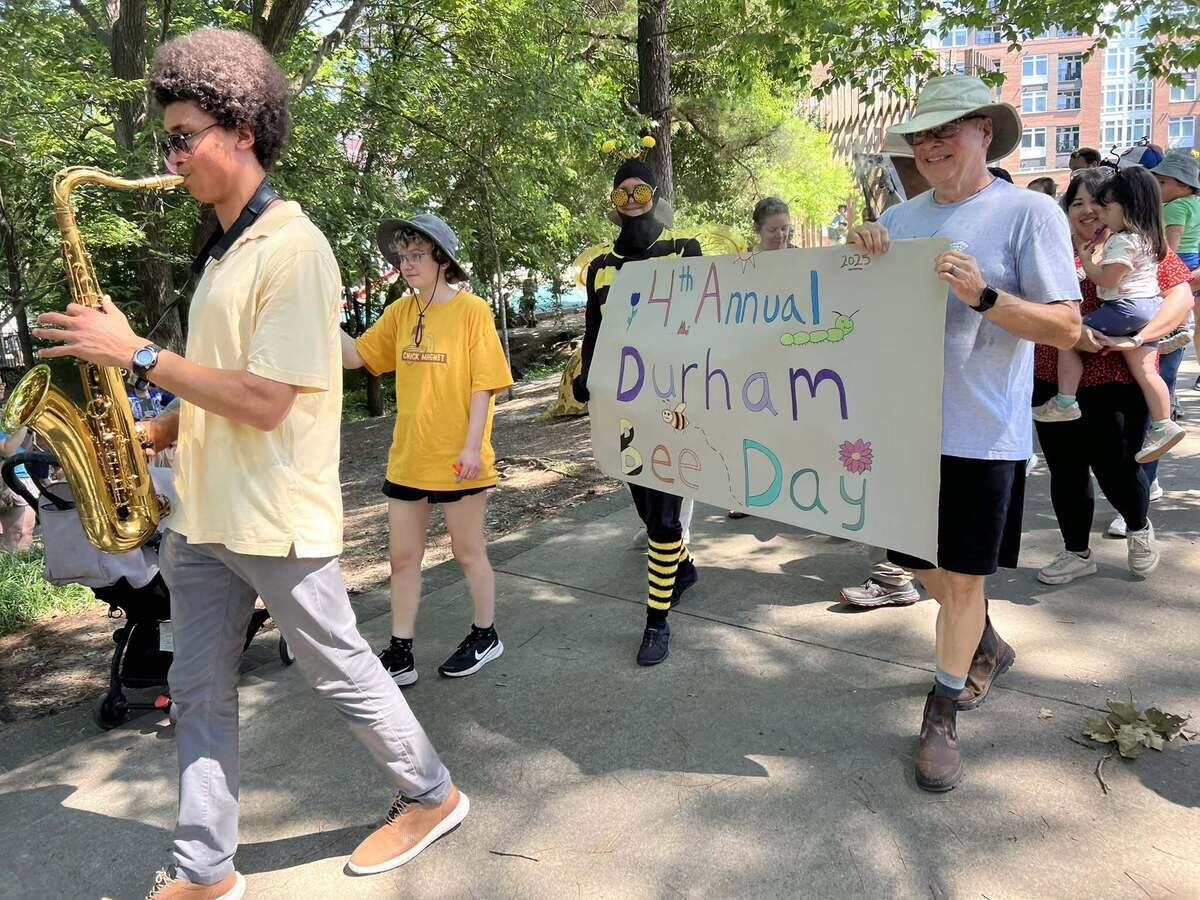
“I’m always really stoked by how many people really get into it with their choice of clothing,” said Dawn Keyser, program organizer at Keep Durham Beautiful. “People even dress their dogs up.”
Why bees matter, and why they need help
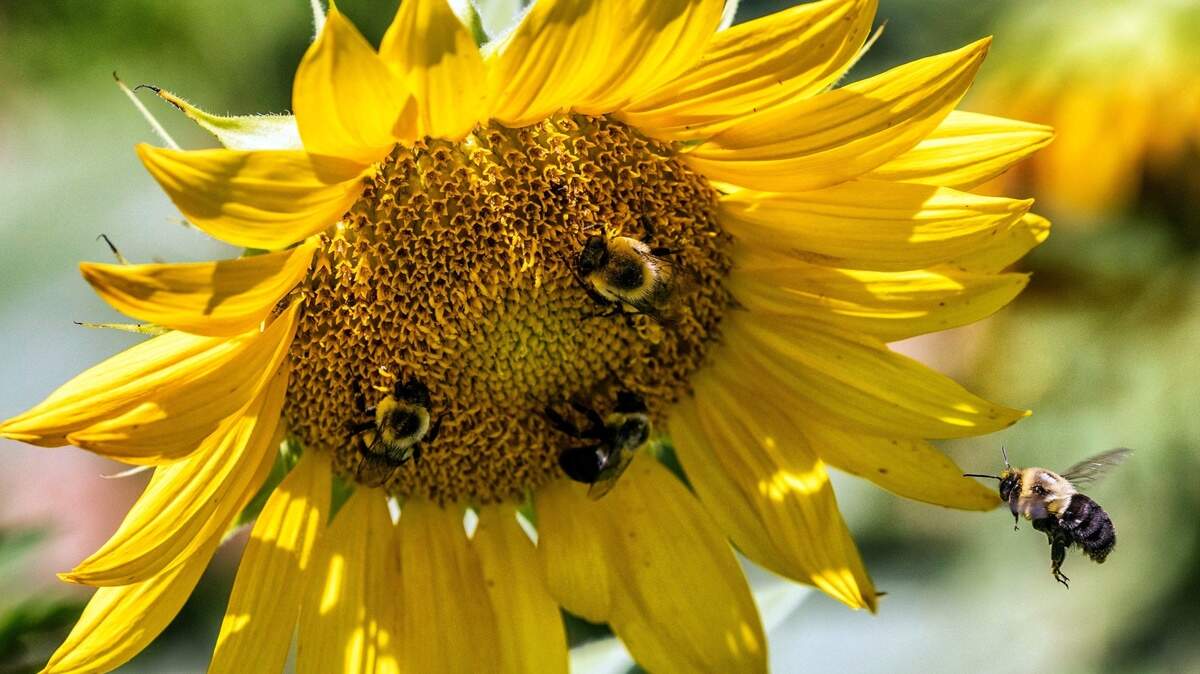
Bees are among the world’s most vital animals. They pollinate over 85% of all flowering plants and help produce around one in three bites of food.
But bees are in trouble. Honey bees, key pollinators of many agricultural crops, face growing threats, particularly from the infamous varroa mite, an invasive, widespread parasite that weakens colonies and makes them susceptible to diseases. Beekeepers now lose over 30% of colonies each year.
Many native bees are also in decline. While the U.S. hosts over 4,000 native, mostly solitary bee species, one in four are at risk of extinction. The situation is similarly dire for native bumblebees, which are essential pollinators of many crops such as tomatoes, peppers and cranberries.
The rusty patched bumblebee, once widespread in North Carolina, hasn’t been seen in the state since 2006. It became the first insect in U.S. history to receive federal protection under the Endangered Species Act in 2017.
A parade of costumes, bees and community
Those are key messages that will be shared Saturday, but in an accessible way.
Starting at 9 a.m., visitors will find hands-on, family-friendly activities at every turn. There are bee costumes, free plants and even live bees. Attendees can meet local beekeepers, learn about pollinator conservation and explore a native pollinator garden.
If attendees don’t have a bug costume yet, they should arrive early if they’d like to make one. The bee parade starts at 10:30 a.m.
“The kids really enjoy the antennae,” said Keyser. “Every year, they literally run out of the pipe cleaners to make the antennae with.”
A wide mix of groups with a focus on plants, insects and conservation will be on site to offer presentations, materials and merchandise.
“Burt’s Bees is a really strong supporter of ours,” said Keyser of the Durham-based company. “They donate their lip balm every year to give away during the event.”
How to help bees
Supporting pollinators begins with simple, local actions. Planting native flowers creates essential habitat for honey bees and native species alike. The North Carolina Native Plant Society, which will be present at Bee Day, offers lists of native plants.
Reducing pesticide and herbicide use further protects these vital insects. Sharing knowledge about bees and their importance can help inspire others to join the effort.
For those eager to take action, Bee Day brings these ideas to life by offering free seeds and plants, opportunities to connect with pollinator advocates, and practical ways to make Durham a more bee-friendly city.
“It’s fun,” Keyser said. “If you are concerned about bees, you can learn more about local organizations that are doing the work to protect pollinator species. It’s a good way to meet like-minded folks.”
Keyser also offered advice for coming prepared: “Wear a hat, wear sunscreen, bring bags to shop at the farmers market, and plan to walk around with your new plant.”
For event information, see keepdurhambeautiful.org.