Do carpenter bees sting? Can they destroy your home? Fact-checking 7 NC myths
AI-generated summary reviewed by our newsroom.
- As carpenter bees emerge in the spring, we fact check common beliefs.
- Carpenter bees rarely sting, and it would take decades to cause extensive damage to wood.
- The insects are native pollinators, and their larvae provide nutrition for other animals.
Carpenter bees are drilling into North Carolina porches and decks this spring, bringing plenty of misconceptions along with them. From whether they’ll sting you to how much damage they can really do, experts set the record straight.
Myth #1: Carpenter bees eat wood.
Verdict: False
Female carpenter bees dig into wood, but it’s not because they’re hungry. Instead, they chew up the wood and spit it out.
“They actually do not eat it and do not get nutrition from it like termites do,” Christopher Hayes, assistant professor and extension specialist at N.C. State University, told The News & Observer in a Thursday, April 23 phone interview.
So, why do they make holes in wood in the first place? Females dig to create nesting chambers, “expelling sawdust and sometimes using it as partitions between brood cells” where they lay their eggs, Gabriela Garrison, Eastern Piedmont habitat conservation coordinator for the N.C. Wildlife Resources Commission, told The N&O in a Wednesday, April 22 email.
It turns out, nectar and pollen are the only sources of food for carpenter bees.
Myth #2: Carpenter bees are pollinators.
Verdict: True
Though holes that carpenter bees leave behind can be a headache, the insects play a valuable role in North Carolina.
They are native pollinators, and their larvae are an important food source for birds and other animals. So, experts advise against killing the bees if you can avoid it.
“It’s perfectly understandable why you would want them gone, because they are damaging your property,” Hayes said. “But ultimately they are pollinators. And so it’s important to highlight that they do have a benefit to the ecosystem.”
To help keep carpenter bees away from your home, experts have recommended painting exposed wood or putting up fake wasp nests. But these and other methods can have mixed results, The News & Observer previously reported.

Other carpenter bee myths versus facts
In mid-April, The N&O asked experts to answer questions about carpenter bees. The information they shared debunked some common beliefs and revealed that other beliefs have some elements of truth.
FULL STORY: Carpenter bees can dig into your NC deck or porch. How to keep them away
Here are 5 other myths The N&O previously debunked:
• Myth #3: They’ll sting you: Not necessarily. Males don’t have stingers at all. Females rarely sting unless “confined in your hand or are highly agitated,” according to the N.C. State Extension.
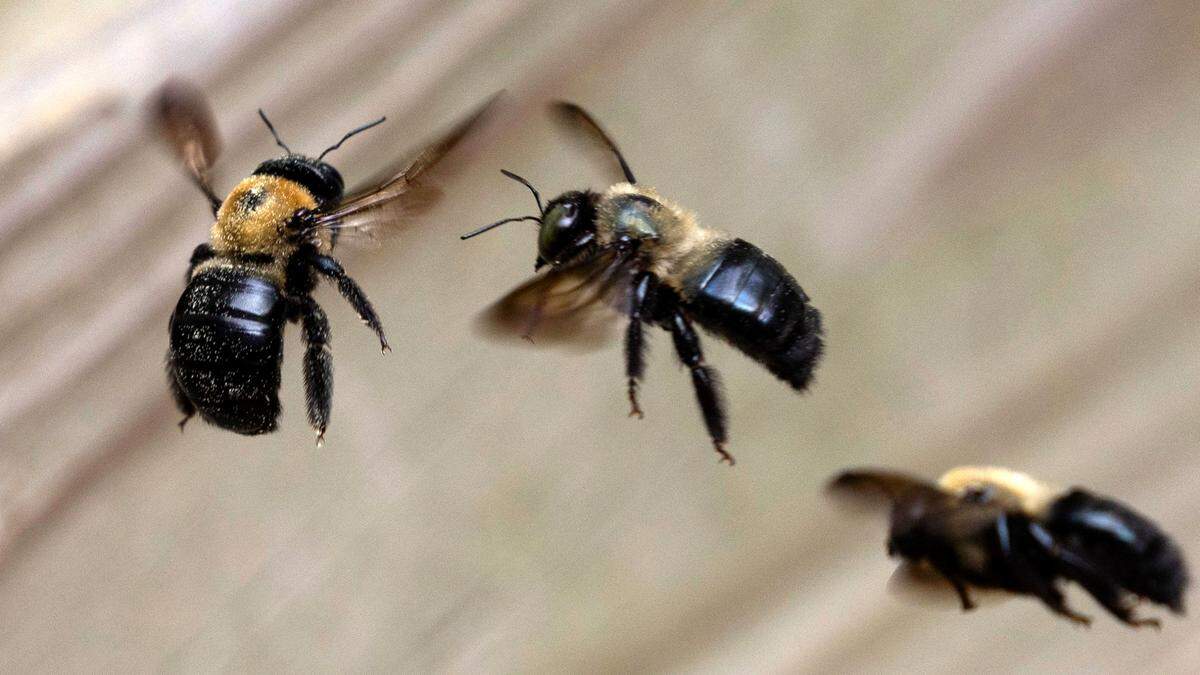
• Myth #4: They’re aggressive: “Carpenter bees are not aggressive,” Garrison said. Males may hover near your face, but they can’t sting.
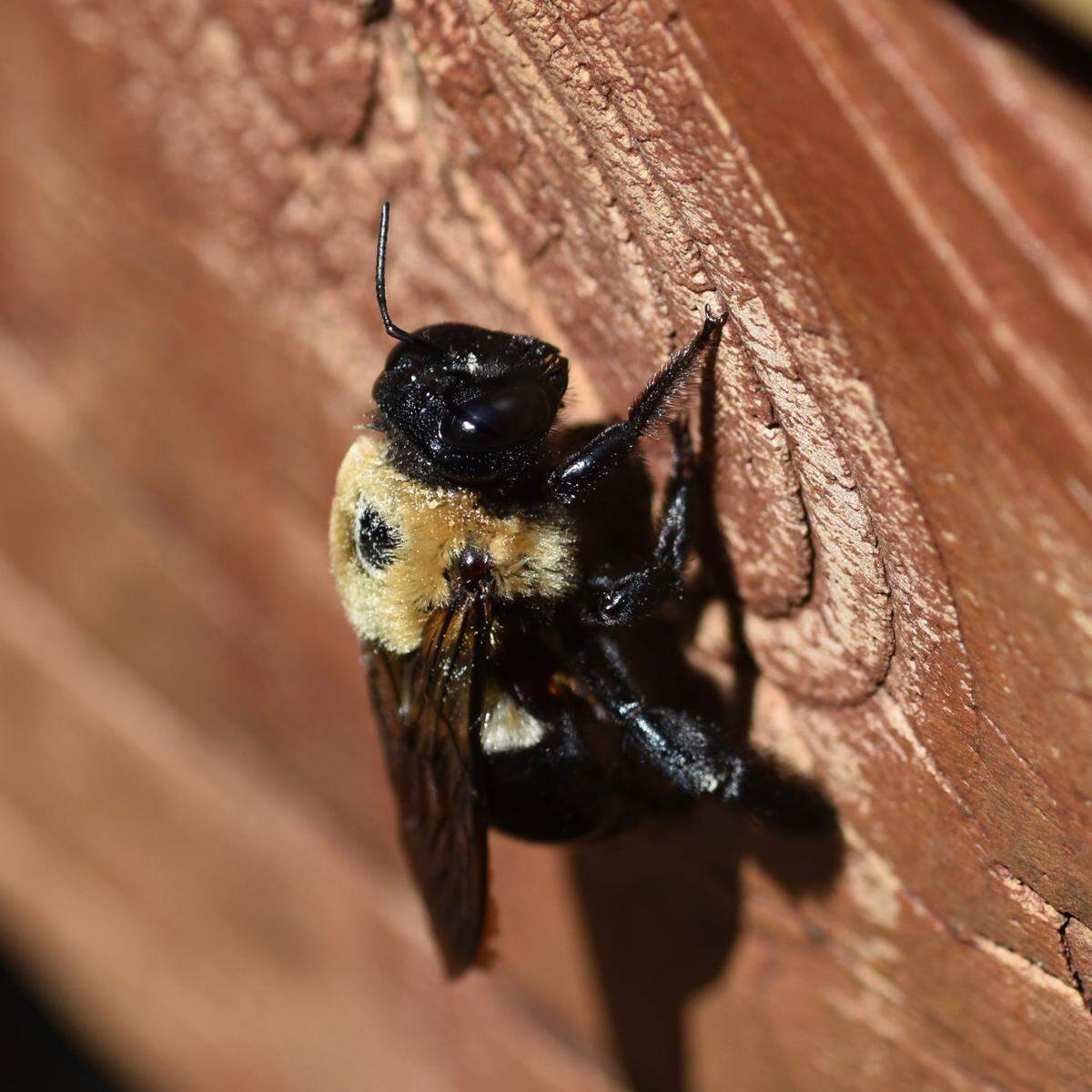
• Myth #5: They’ll destroy your home: It would take decades of intense activity to wear down a structure, according to Hayes. But they can hurt your property’s appearance and value.
• Myth #6: You can’t tell carpenter bees and bumblebees apart: Carpenter bees have a “hairless black abdomen,” unlike fuzzy bumblebees, according to the N.C. State Extension.
• Myth #7: You can easily get rid of them: The N.C. State Extension says it’s often difficult to prevent carpenter bee activity. Spraying bees while they’re in the air isn’t effective, and you can’t predict where they’ll drill next.
The summary points above were compiled with the help of AI tools and edited by journalists. The source reporting referenced above was written and edited entirely by journalists.