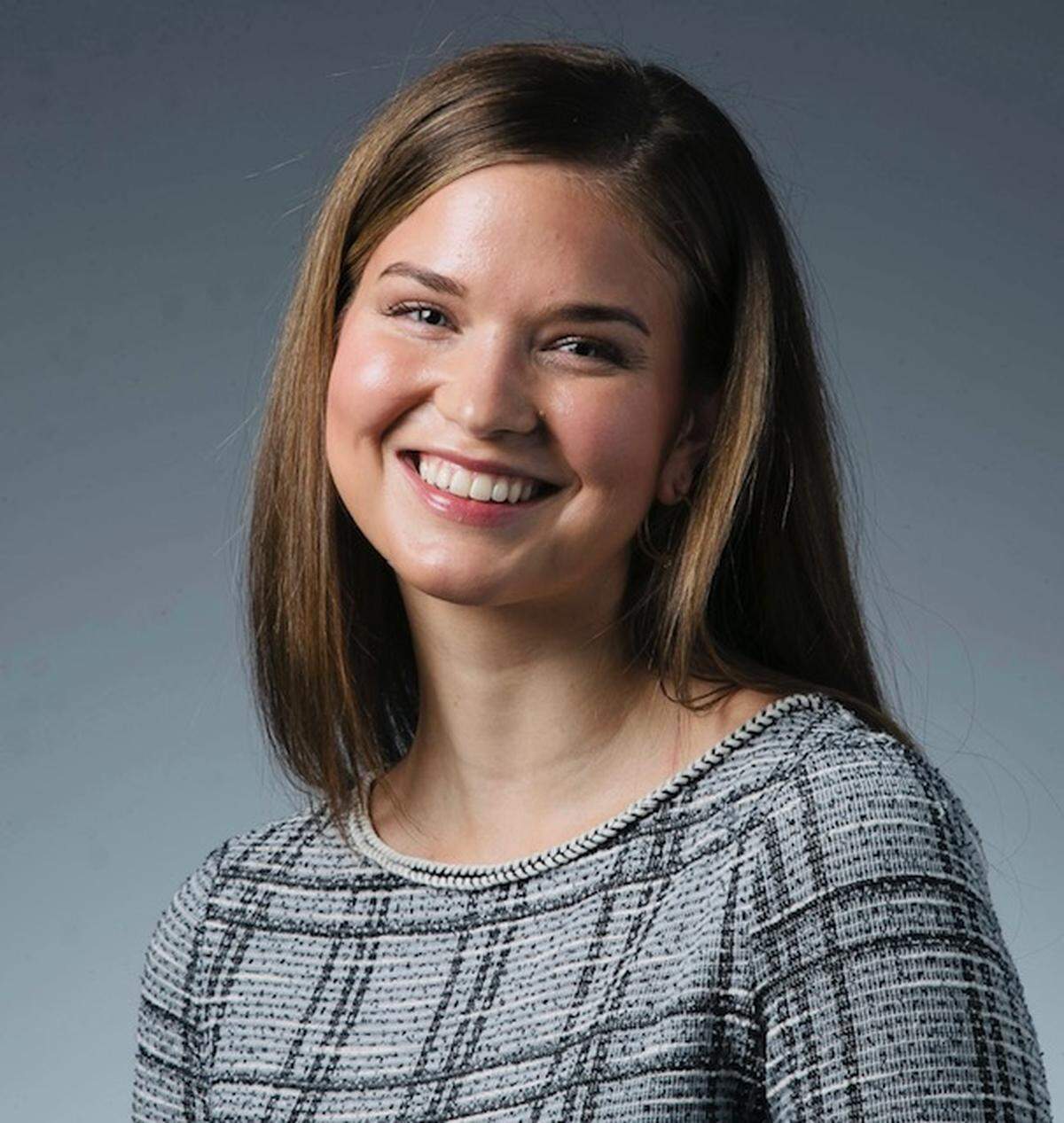
‘Representation matters. You want to be what you see’: Leader of all-female school board
READ MORE
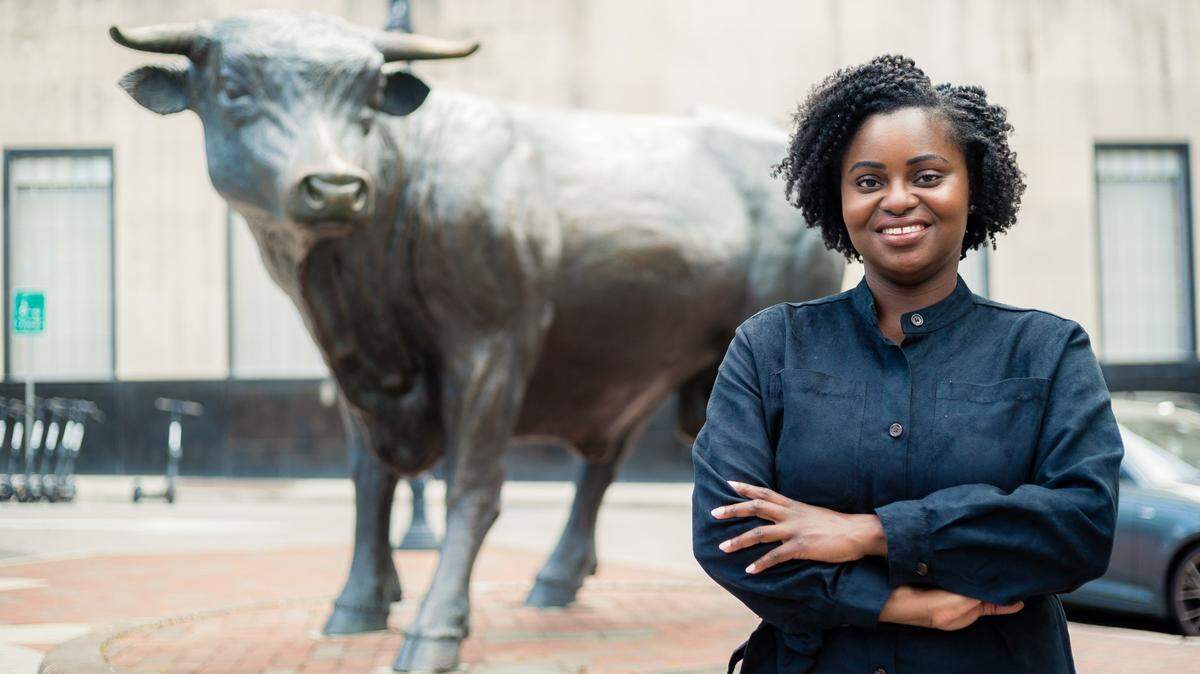
Black women take charge
The News & Observer sat down with eight women leaders in Durham to explore their paths to leadership and their hopes for the next generation.
Expand All
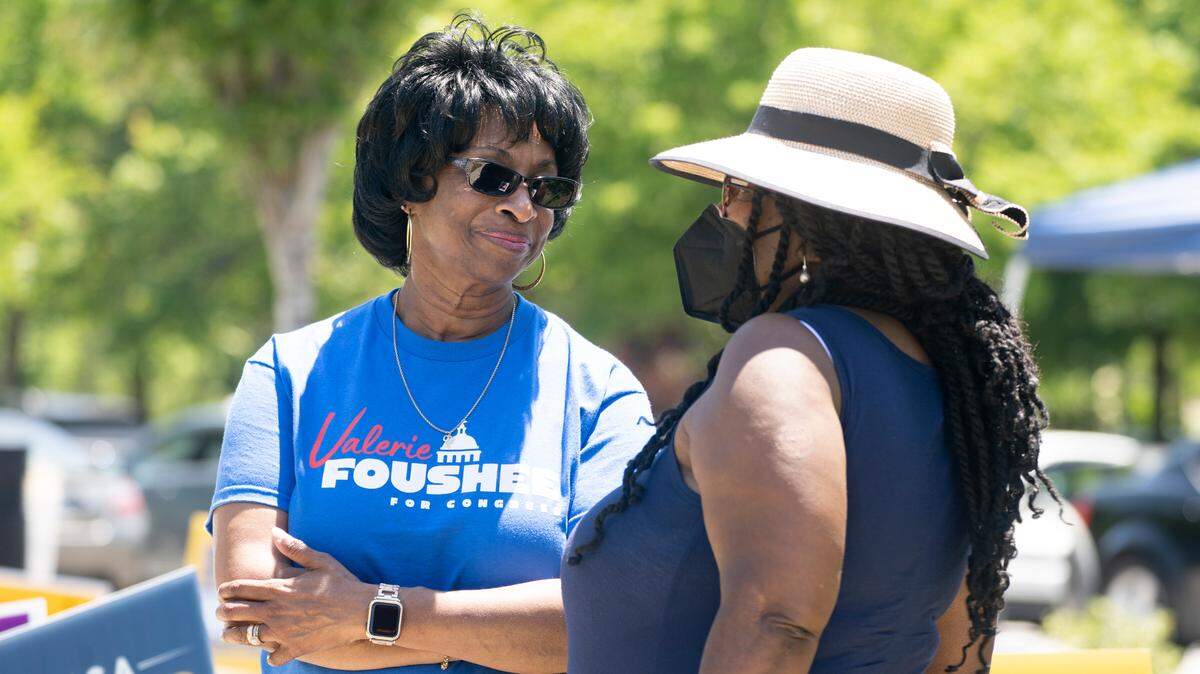
Nearly half the elected offices of this NC county are held by Black women
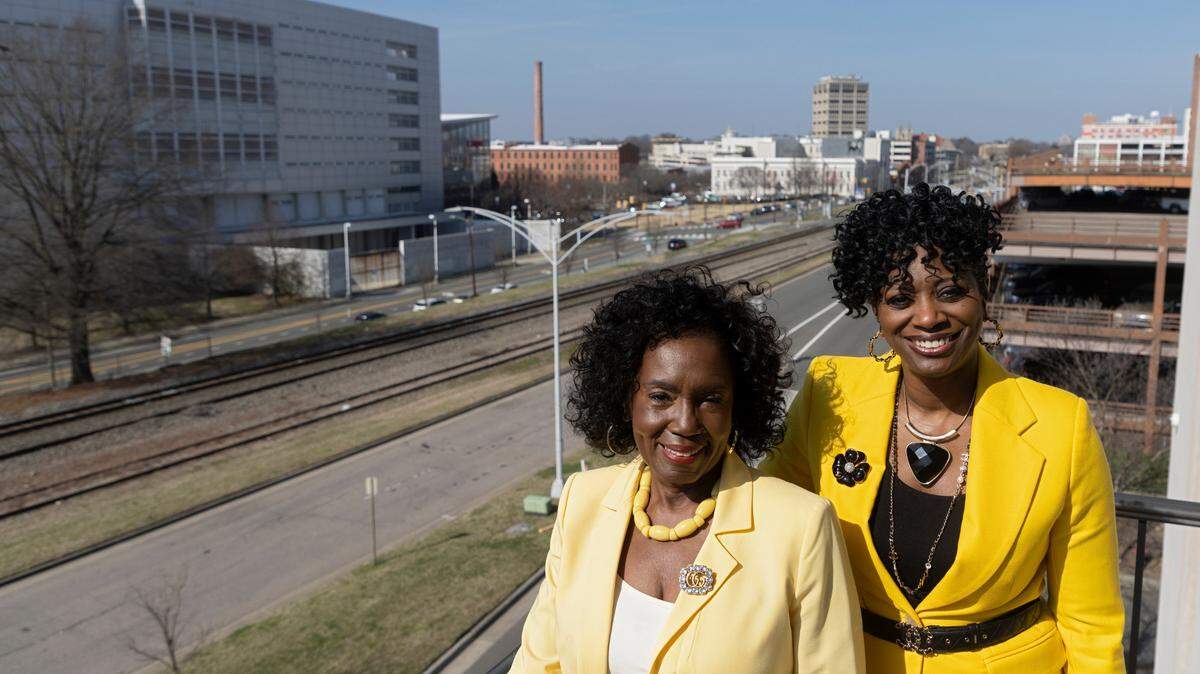
‘Be comfortable asserting your leadership’: Top county officials share their journeys
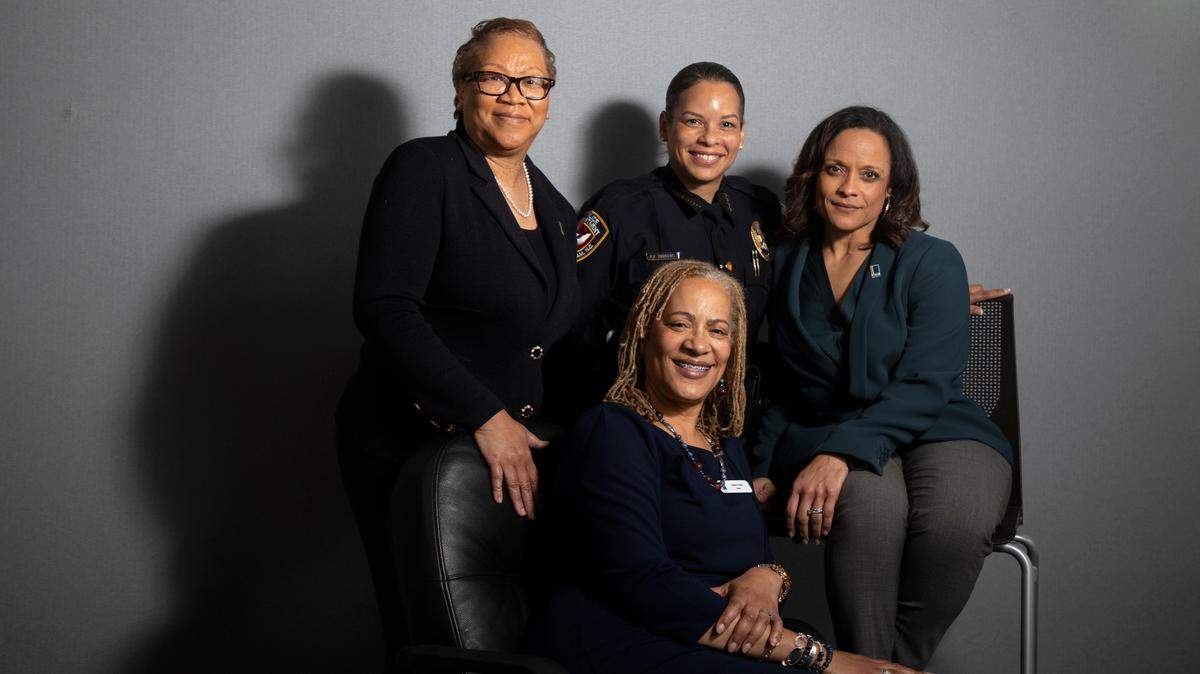
‘Durham just has a spirit about it’: Black women share how they came to lead city
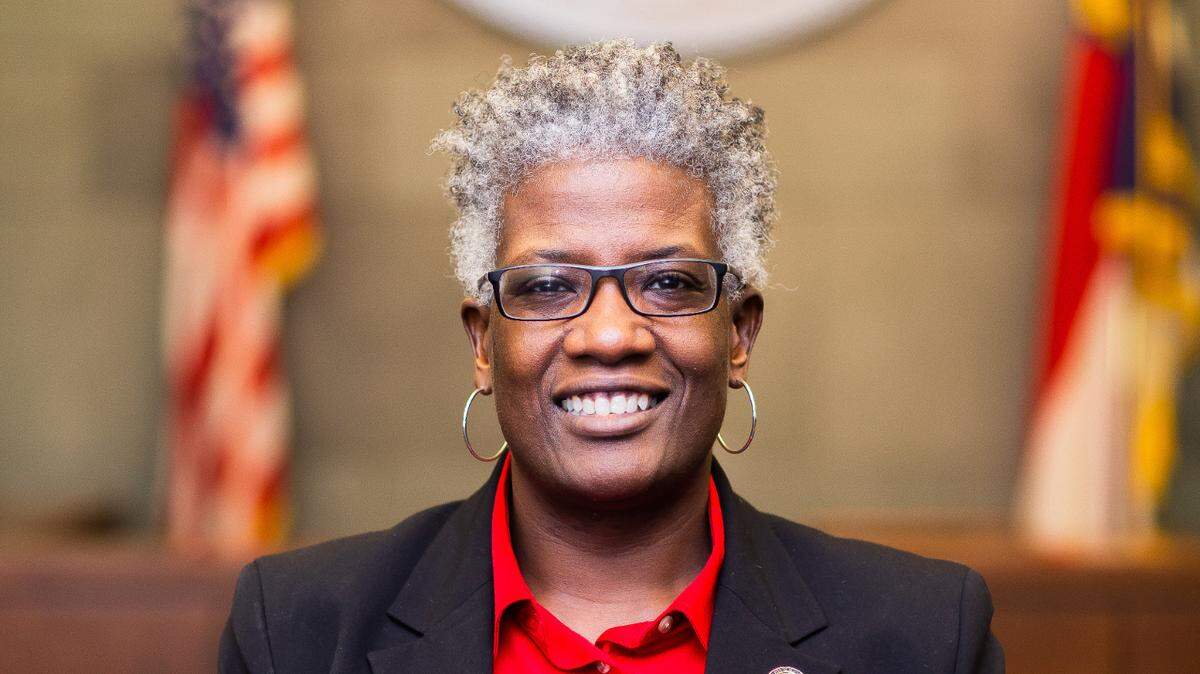
Durham DA reflects on Black women in leadership. ‘We’ve never seen a moment like this’
‘Representation matters. You want to be what you see’: Leader of all-female school board
In March, Durham’s school board became the county’s second elected body composed of all women.
It’s the first time the seven-member Durham Public Schools Board of Education has been entirely female since the county and city school districts merged in 1992, officials who reviewed historic photographs told The News & Observer.
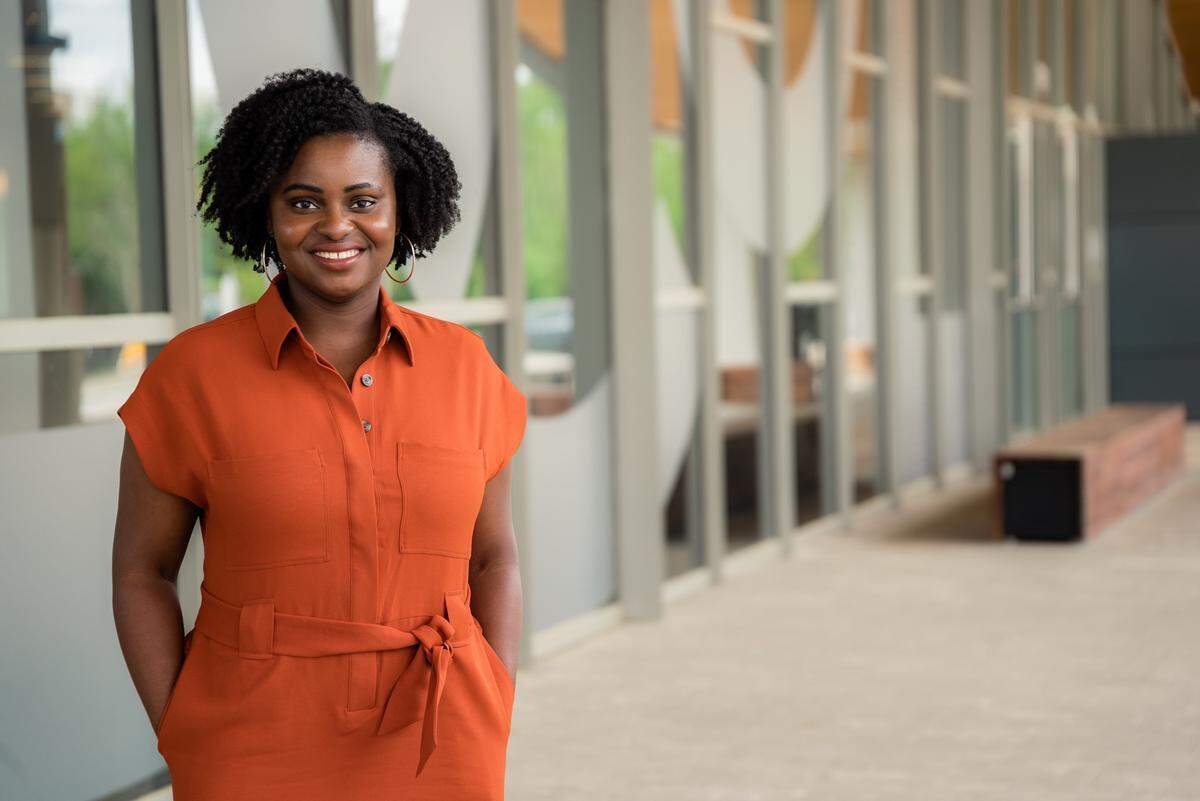
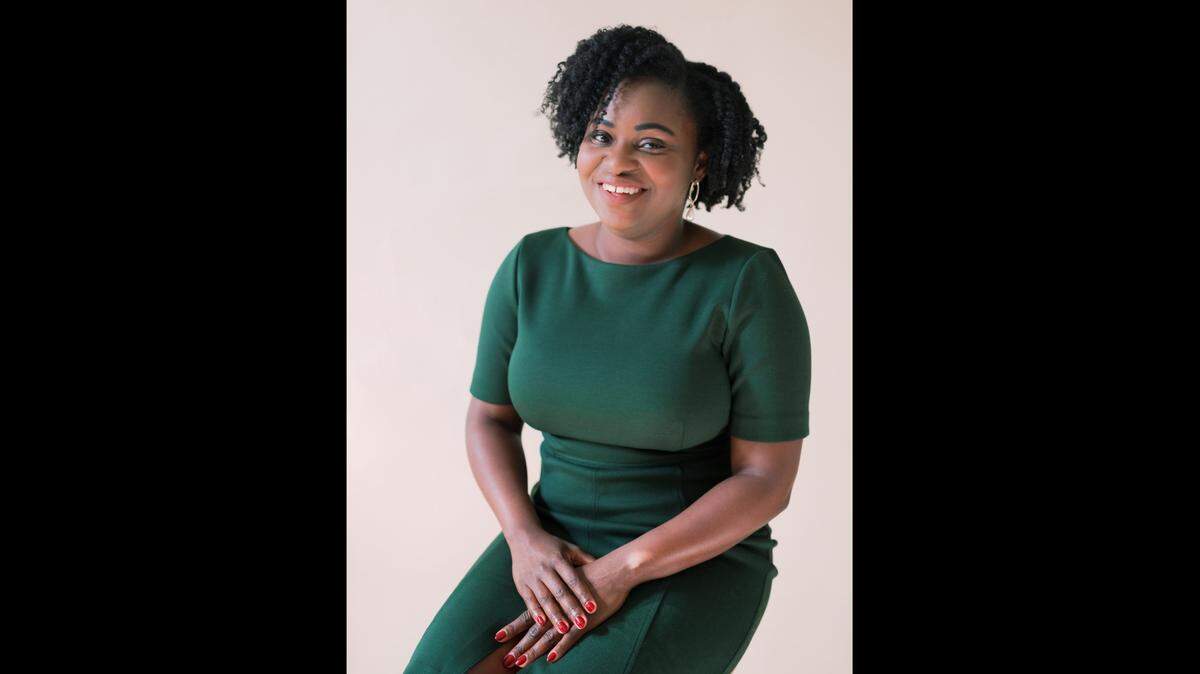
Chairing the historic board is the responsibility of Bettina Umstead, a 34-year-old North Carolina native who comes from a family of Black women educators.
Umstead, who has served since 2016, sat down with The N&O to reflect on Durham’s historic concentration of Black women at the highest levels of local government.
Does this time feel unique?
It does feel unique. It feels different.
There was a time where I felt in looking at elected representation in Durham, there were Black folks like (former) Mayor Bill Bell, who had been in his position for a long time.
But this shift to leadership, and the county manager and city manager being Black women, the police chief being a Black woman. That feels different. And it feels like of course in Durham, this is where this would happen.
What were your first impressions of Durham in 2011 and how have those changed over the years?
I think growing up in Wake County, going to school in Chapel Hill and then moving to Durham, I really saw the whole Triangle.
What made me fall in love with Durham was the diversity of Durham, the connectedness people feel about Durham. People were very passionate about their city and where they live. They also were very upfront about the challenges and wanted to work together to figure out how we created solutions.
Is this a place that encourages, nurtures, recruits Black women into leadership?
The city recognizes the rich Black history that is there and also has decided that we want to be a city that everyone feels welcome in.
The focus on racial equity, thinking about gender and identity equity, has created the space for a lot of Black woman to find leadership roles within Durham. It’s not foreign. It’s not unheard of. But of course, yes, these women have a lot to offer and we want to make space for them in leadership.
Whose shoulders do you feel like you you stand on?
My first thought is my family. I think about my grandmothers, who both worked in schools in the cafeteria. And how they were Black women who raised large families in eastern North Carolina and navigated a world that wasn’t ready for them, right?
I think about my mom, who is also an educator. My first jobs were in summer camps, watching her lead folks. I’ve learned a lot from her and how she led.
And then I would say the other people on my school board. Minnie Forte-Brown, who is now retired but served for a really long time. I remember when I was at Student U, during my first summer, she came and spoke to us and talked about her passion for children and learning and her energy was infectious. It was clear that she was intelligent and bright. And I was like, “Oh, if she’s doing this work, there might be space for me too.”
Do you remember the first time you saw a Black woman in a position of power?
I was raised with a lot of other Black women in my life, so it was common for me to see women as principals, as leaders, as professors. Because those were the women in my family circle who helped raise me.
But I do think being in college and watching President Obama be elected, Michelle Obama being the first lady was like, “Huh.”
I remember this like it was yesterday: 2008, all my friends got together. We were watching the election results roll in. And there was a moment where it was like: This is real. Like, if this man and this woman, Michelle being from the south side of Chicago, can make it to the highest office... What are the opportunities for me?
Do you feel like your identity helps you make new inroads or build trust in new ways?
Being a Black woman, people often say you’re at the intersection of many different kinds of inequities. You’re Black, so you have this racial lens to bring to conversations, but I’m also a woman so I can understand gender identity and how that plays into the conversation. Both of those things help me be able to build relationships, to listen really well and help navigate in what are murky waters.
The Black women in my family, that’s kind of how they operate. It’s like — let’s listen, let’s figure it out, let’s set a clear expectation, and then I’m also going to help support you to get there.
What is it like to walk into meetings and be surrounded by people who look like you?
I think there’s an ease that I didn’t even realize that comes with that.
Being a Black woman, you’re taught to be twice as good, like you’ve got to be on your P’s and Q’s all the time. And there’s a space sometimes when just Black women are together where you’re allowed to breathe a little and really help refine and shape each other. I feel like I can learn a lot, I can ask questions, and then we can grow together in our roles.
How does being in Durham compare to statewide and national conferences?
It is very noticeable to me in national conferences or even in our statewide conference that those rooms don’t look like Durham.
We have Black women on our board. We have Latina women on our board. We have members of the LGBTQ community on our board. It is a very diverse space that I think is not always replicated everywhere you go. And so I’m grateful when I come back to my home base of Durham Public Schools and our board because of that diversity that’s there.
Do you still encounter biases, discrimination, stereotyping?
I think some of that comes with my age a lot. I was in a school one time and they were like, “Shouldn’t you be going to class?” And then they were like, “Oh, you’re the board member.”
Learning to navigate that age and also being a Black woman has been an interesting challenge. I’ve been on the board since 2016 and so I think I’ve learned how to walk into a room and own that space.
How important were Black educators in your journey?
Representation matters. You want to be what you see. The opportunity to see educators pour into you, relate to you and just believe in you. Like there’s not an assumption and a bias already when you step into the classroom that you might fail because you’re a Black child.
In my honors classes and my A.P. classes (at Southeast Raleigh High School), I was not the only one. There were other Black students.
How do you hope things will be different for the women and girls who follow in your footsteps?
I hope that when I go into schools, and people see a Black woman with her natural hair and she looks young, they think, “I can do that too.” And I do hear that sometimes.
That it doesn’t feel abnormal anymore. It feels like a norm. Like, of course I can do that, because I’ve watched other people do it too.
This conversation has been lightly edited for length and clarity.