Nearly half the elected offices of this NC county are held by Black women
READ MORE
Black women take charge
The News & Observer sat down with eight women leaders in Durham to explore their paths to leadership and their hopes for the next generation.
Expand All
Nearly half the elected offices of this NC county are held by Black women
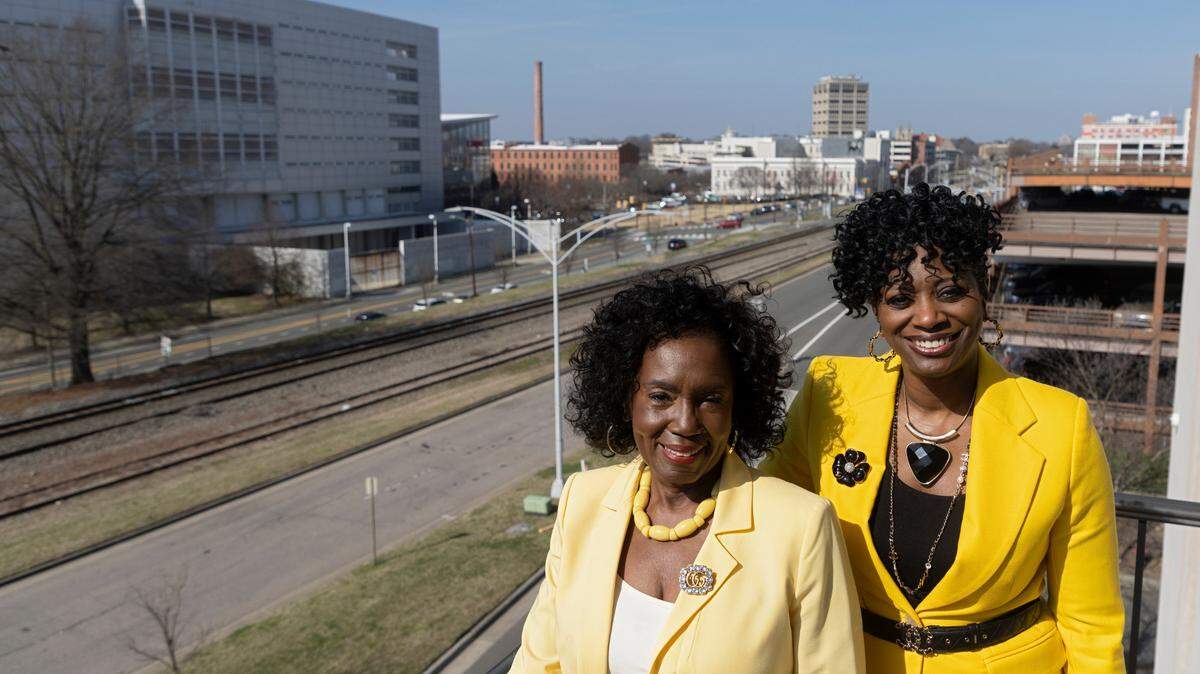
‘Be comfortable asserting your leadership’: Top county officials share their journeys
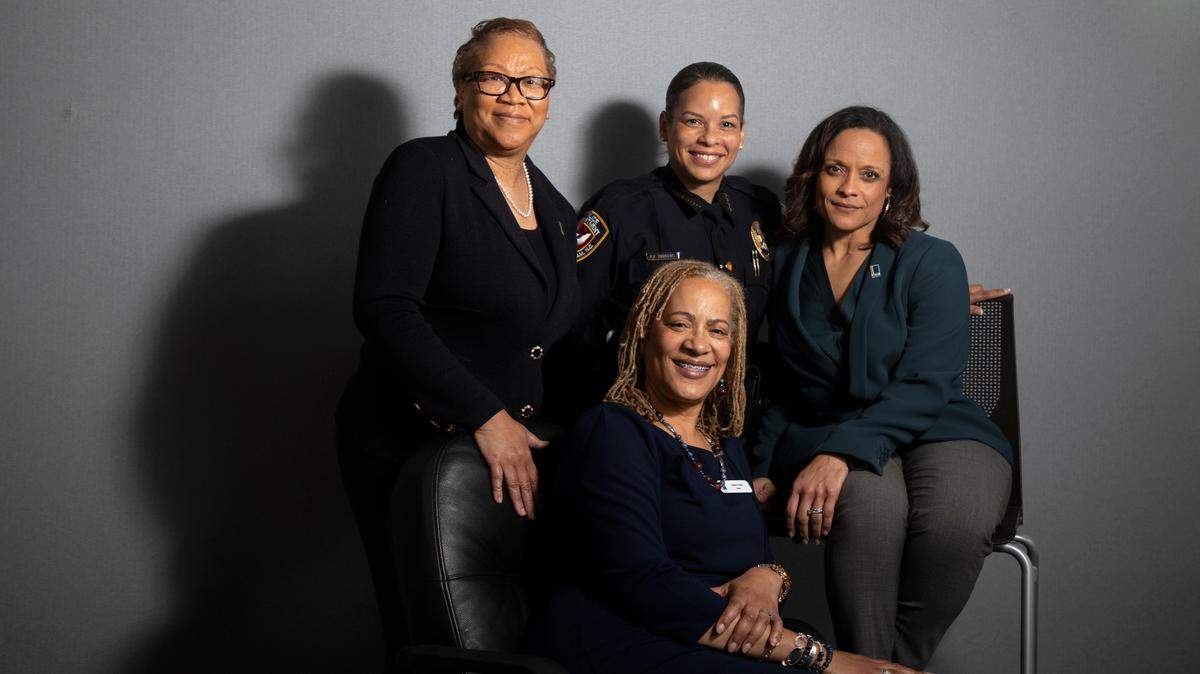
‘Durham just has a spirit about it’: Black women share how they came to lead city
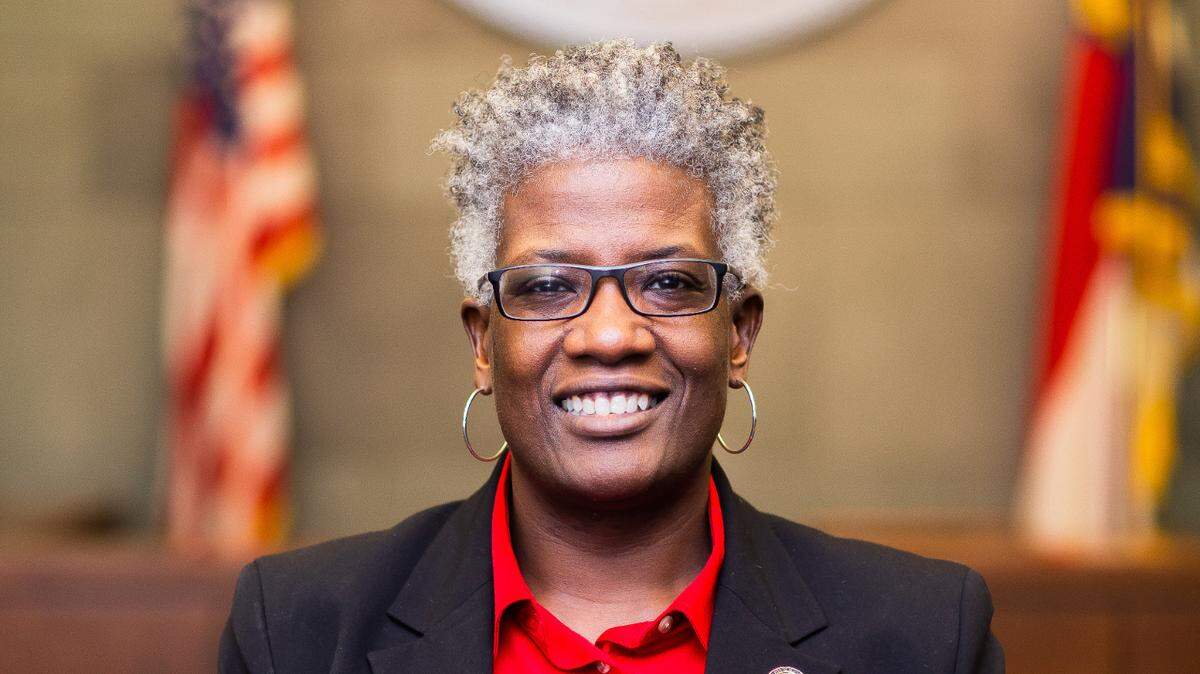
Durham DA reflects on Black women in leadership. ‘We’ve never seen a moment like this’
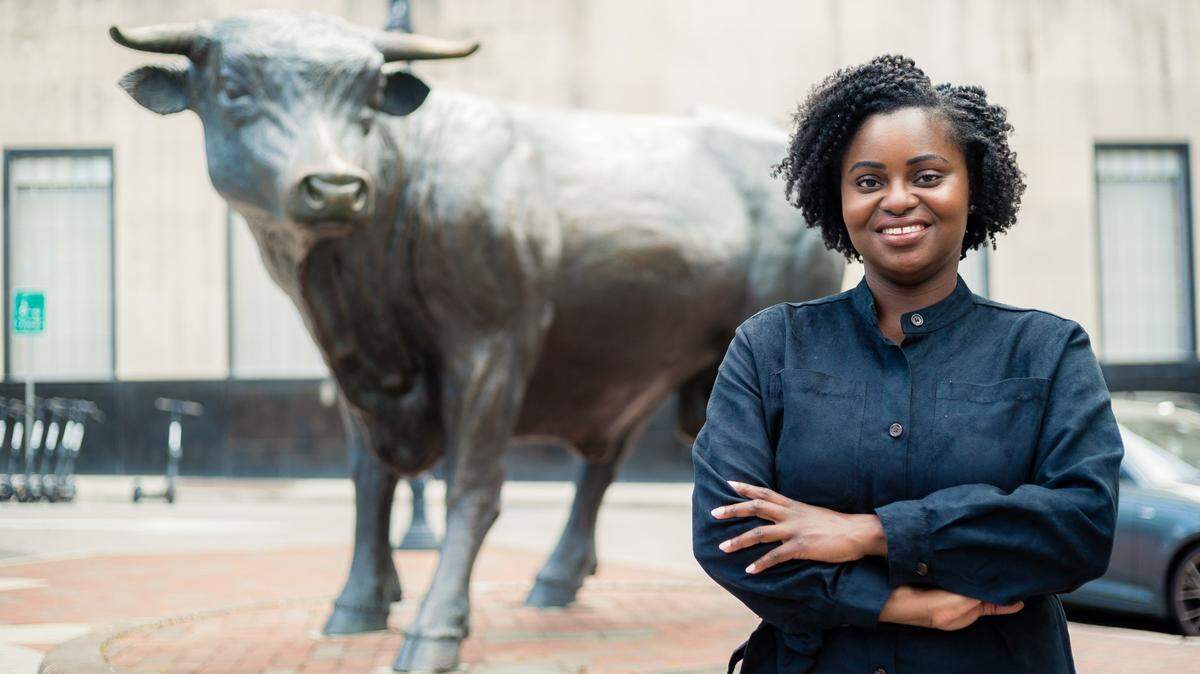
‘Representation matters. You want to be what you see’: Leader of all-female school board
Durham is an anomaly.
In a county where roughly half of the population is female, according to the U.S. Census Bureau, three-fourths of the local elected offices are occupied by women.
The boards of Education and County Commissioners both are entirely female. Women make up a majority of City Council members and District Court judges. They serve as district attorney, register of deeds, clerk of the Superior Court and on the Soil & Water board.
And, unlike in most U.S. cities, the majority of them are Black.
While Black and African-American women account for a fifth of Durham County’s population, nearly half of local elected offices are occupied by Black women.
“That certainly stands out from the under-representation that we see in so many spaces across levels of office for women. And even more specifically for women of color,” said Kelly Dittmar, director of the Center for American Women and Politics at Rutgers.
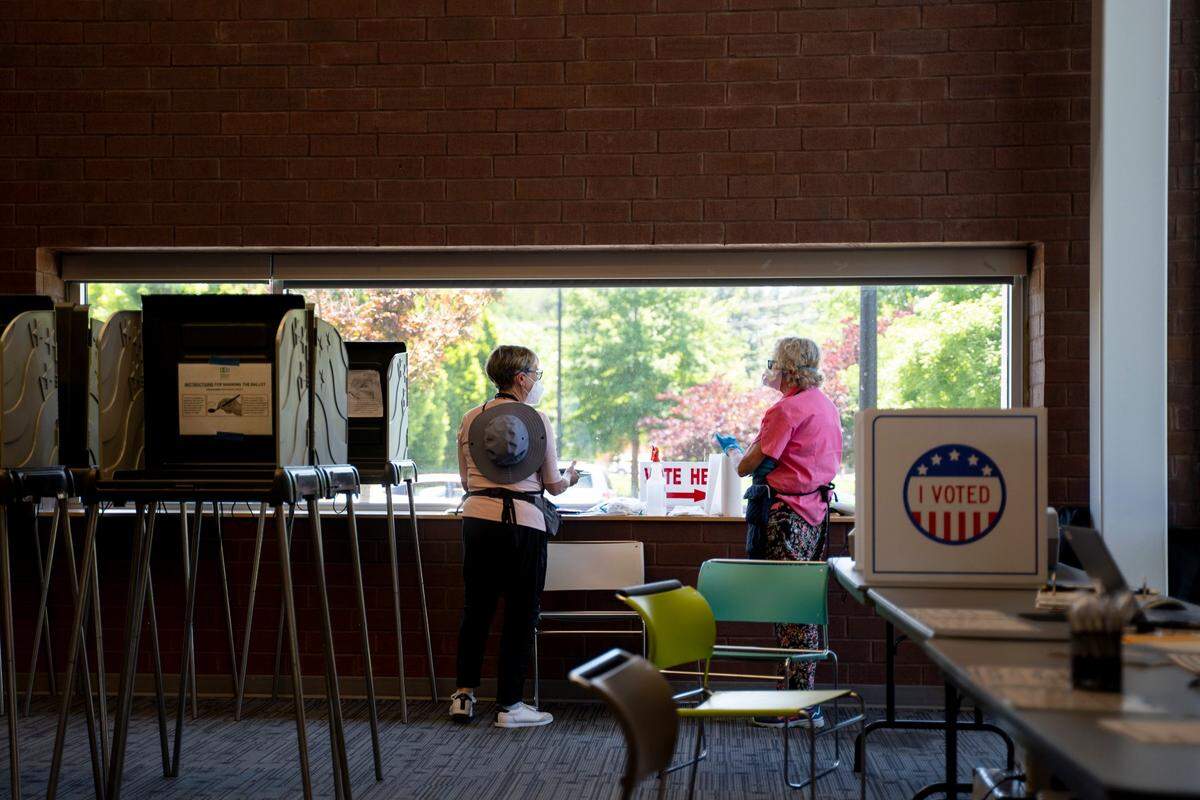
The center tracks data on women in politics, though local statistics are limited.
They calculate that Black women, who account for 8% of the U.S. population, currently make up the following percentages of elected office:
- U.S. Congress: 5% (all in the House)
- Mayors of the 100 most populous cities: 9% (the highest it’s ever been)
- N.C. executive office: 0%
- N.C. General Assembly: 10% (statehouses nationwide are 5%)
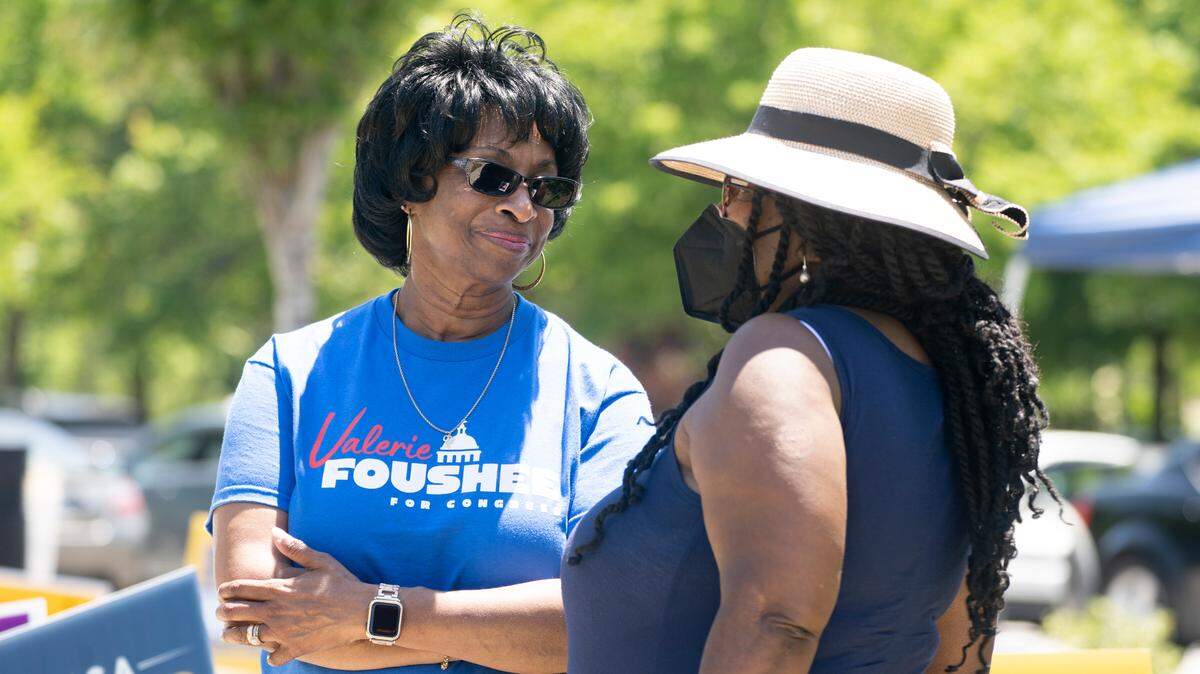
Women make up half of Durham’s delegation to the North Carolina General Assembly and the state elected Valerie Foushee, a Black woman, to the U.S. House.
That representation matters for the next generation of girls and women and is a basic tenet of democratic fairness, Dittmar said.
“We want those who are in elected office to reflect the constituencies they serve,” Dittmar said. “We know that the conversations in debates change, agendas change and outcomes will change because you have greater diversity of voices at the table.”
Jennifer McMillan Rubin, who leads the local League of Women Voters chapter, said she was thrilled to see so many women stepping up to represent their communities.
“Women are such a driving force,” Rubin said. “But I never want to paint women with a broad brush. Every woman has her own experiences and talents and skills to bring to a position.”
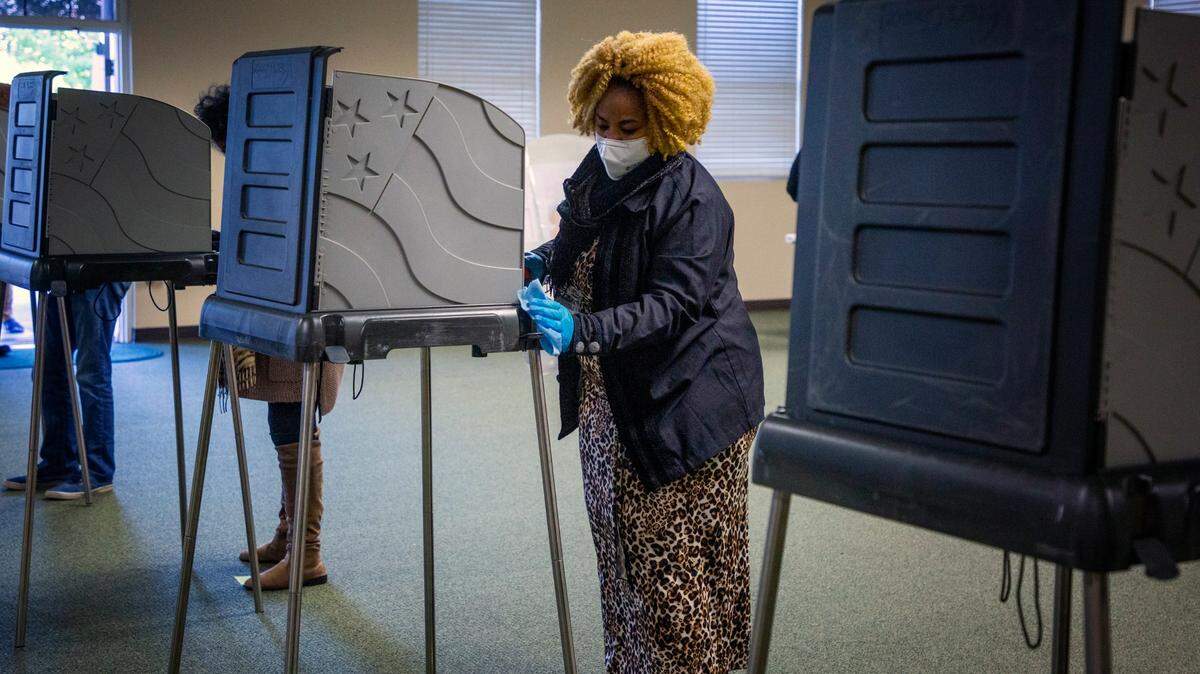
Dittmar said while having two all-female boards is unusual, the Democratic Party has far higher percentages of women officeholders than the GOP.
So, in a county that voted about 80% Democratic in the last four presidential elections, it’s less surprising.
“Certainly having 100% women is an outlier. But in Democratic areas, and in Democratic majority spaces, it is much more common to see women at least at parity with men,” Dittmar said.
The News & Observer sat down with eight women leaders in Durham to explore their paths to leadership and their hopes for the next generation.
This story was originally published April 5, 2023 at 6:00 AM.