How to balance a budget in a pandemic? Ex-Chapel Hill leader says cut top-staffers’ pay.
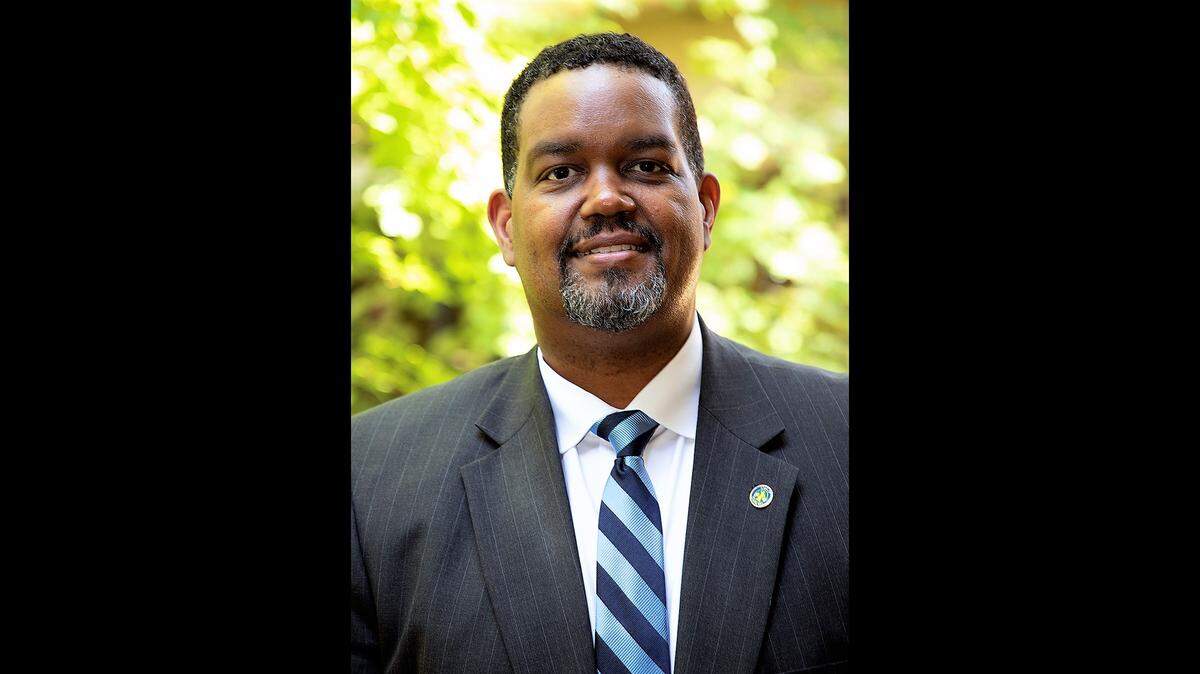
Chapel Hill property owners won’t see a tax-rate increase next year and town employees won’t see a raise if the Town Council approves a $110.9 million budget that Town Manager Maurice Jones proposed Wednesday.
A former Town Council member suggested the town also could make a temporary 10% cut in top staff members’ pay to help balance its budget.
The proposed budget is 2.2% less than this year’s $113.4 million budget. It includes cuts to departments, including parks and recreation, library, public works, and police and fire, and it delays building maintenance, street repairs, capital projects and other planned spending.
The budget also continues a hiring freeze through the next year, but it avoids staff layoffs and furloughs, Jones said.
“We believe this budget continues to invest in our needed, core services and prepares us for a strong recovery when we come through the other side of this pandemic,” he said.
The budget keeps the town’s property tax rate at 54.4 cents per $100 of assessed value. That means the owner of a $350,000 home will continue to pay $1,904 in Chapel Hill town taxes next year.
Chapel Hill homeowners also pay Orange County property taxes, which are expected to remain the same next year, and a Chapel Hill-Carrboro City Schools district tax, which is 20.18 cents per $100 of assessed value.
Property taxes cover roughly 47% of the town’s $65.7 million annual operating expenses, with sales taxes paying another 22%. One penny on the town’s tax rate generates roughly $840,000.
COVID-19 financial worries
Jones has regularly updated the council this spring about the effects of COVID-19 and stay-at-home orders on local businesses and government revenues.
The town is planning for next year’s sales-tax revenues to be down 10% — roughly $800,000 — and for other taxes, revenues, charges and fees to bring in less money. The total anticipated revenue loss is over $2 million, Jones said. Occupancy tax revenues from hotel stays also could take a significant hit because of a steep drop in tourism and university-related visits.
The proposed budget is balanced with $2.5 million from the town’s fund balance — money saved for unexpected expenses.
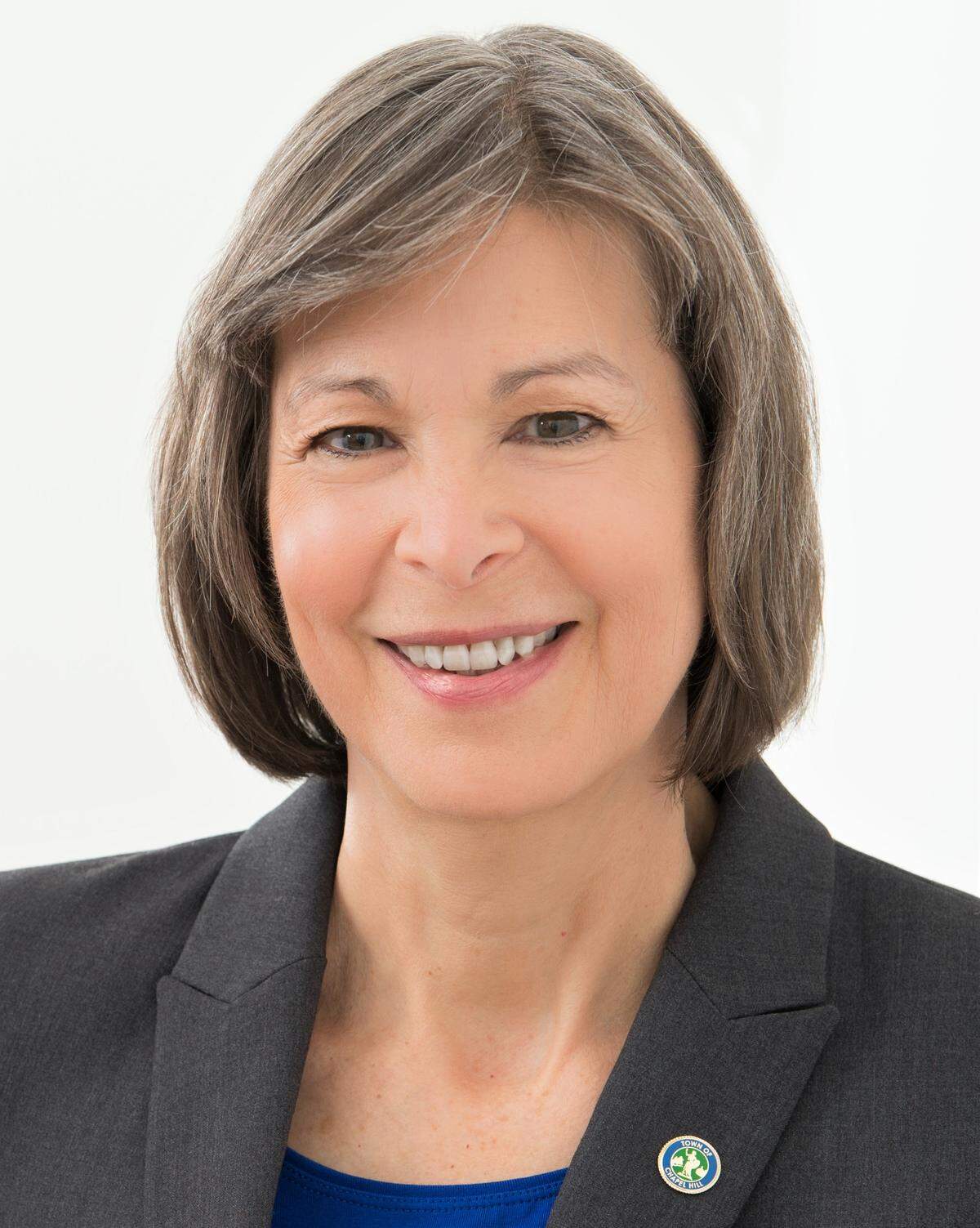
Nancy Oates, a former council member, questioned how realistic town staff is being about the effects of the COVID-19 shutdown. She suggested asking top staff members to take a 10% pay cut for one year “to build in some wiggle room and to strengthen the sentiment that we’re all in this together.”
“A third of the country is unemployed, and many of the working-class and middle-class people who live without a safety net, they will not be spending money this year,” Oates said. “Much of the town’s sales tax come from entertainment and tourism, and experts forecast that those industries will be slow to rebound.”
The market salary rate for the town’s senior management positions ranges from $88,837 to $153,141 a year, according to a 2019 pay schedule. The maximum pay for those positions ranges from $109,859 to $189,381 a year.
Council member Amy Ryan said she shares concerns about the budget projections. Jones said the budget would be updated throughout the year as the financial costs of the coronavirus shutdown become more clear. There also is more money available in the fund balance if the town’s financial picture worsens, he said.
The council will hold a public hearing on the budget June 10 with a final vote expected June 24.
Chapel Hill budget notes
▪ Transit Fund: $25.2 million in local, state and federal money. UNC pays roughly 35%, Chapel Hill pays 21% and Carrboro pays 7%. The town could get $5.7 million from the federal CARES Act to meet one-time transit expenses, Jones said, and another $412,000 from the state.
▪ Parking Fund: $3.2 million, including $400,000 in town fund balance. Parking fees have been suspended temporarily because of COVID-19. Jones noted the town will need to replace that money in the future. A rate increase for on-street parking and the town’s parking decks is being considered.
▪ Construction projects: Public Works crews will replace the Franklin Street Post Office roof and refurbish the cupola later this year, and also will replace the roof of Town Hall in the next budget cycle. Both projects are essential and cannot be delayed, Jones said.
▪ Stormwater fee: All property owners pay a town stormwater fee of $34.97 for each 1,000 square feet of impervious surface, such as roofs and driveways. No increase is planned.
▪ Service District Tax: Property owners in the Downtown Service District, which runs the length of Rosemary and Franklin streets from the Carrboro town limits to Henderson Street, would continue to pay an additional 7 cents per $100 of assessed value to support downtown programs and maintenance.
Other council news
The council on Wednesday also:
▪ Heard about options for renovating, selling, deconstructing or rebuilding the Trinity Court public housing property, which was built in the 1970s and has significant structural problems. Residents were moved out in 2018. The town would need to make some repairs to sell the property, Public Housing Director Faith Brodie said. The other options could cost $1.8 million to $9.6 million, she said. The council will get a recommendation at a future meeting.
▪ Reviewed a draft plan for town-owned property at 2200 Homestead Road that proposes 120 townhouses, duplexes and apartments serving a mix of incomes up to $104,500 a year. Roughly 60% of the units would be rentals, and some could be managed by the UNC Horizons program. The council will review a revised draft plan June 10. An official application could be submitted in the fall.
▪ Gave feedback Carraway Village development officials about a proposal to add climate-controlled self storage and a gasoline station to the 55-acre mixed-use community on Eubanks Road. Over 400 apartments already have been built on the site, and a Chick-fil-A is now open. A Starbucks location could open this summer. The developer also asked to modify road plans and sign rules for the project.
This story was originally published May 21, 2020 at 5:00 PM.