CHCCS reverses course on closing 2 schools, picks criteria for evaluating others
AI-generated summary reviewed by our newsroom.
- Board removes Estes Hills and FPG from consideration; closures possible by 2027-28.
- District lists eight criteria and holds March community meetings; decision set for June.
- Enrollment drop drives proposed cuts and $3.6M–$8M savings need over coming years.
Families and staff at two elementary schools learned Thursday that their campuses won’t close in the next two years to help balance the Chapel Hill-Carrboro City Schools budget.
In a 4-3 vote, the school board removed Estes Hills and Frank Porter Graham elementary schools from consideration.
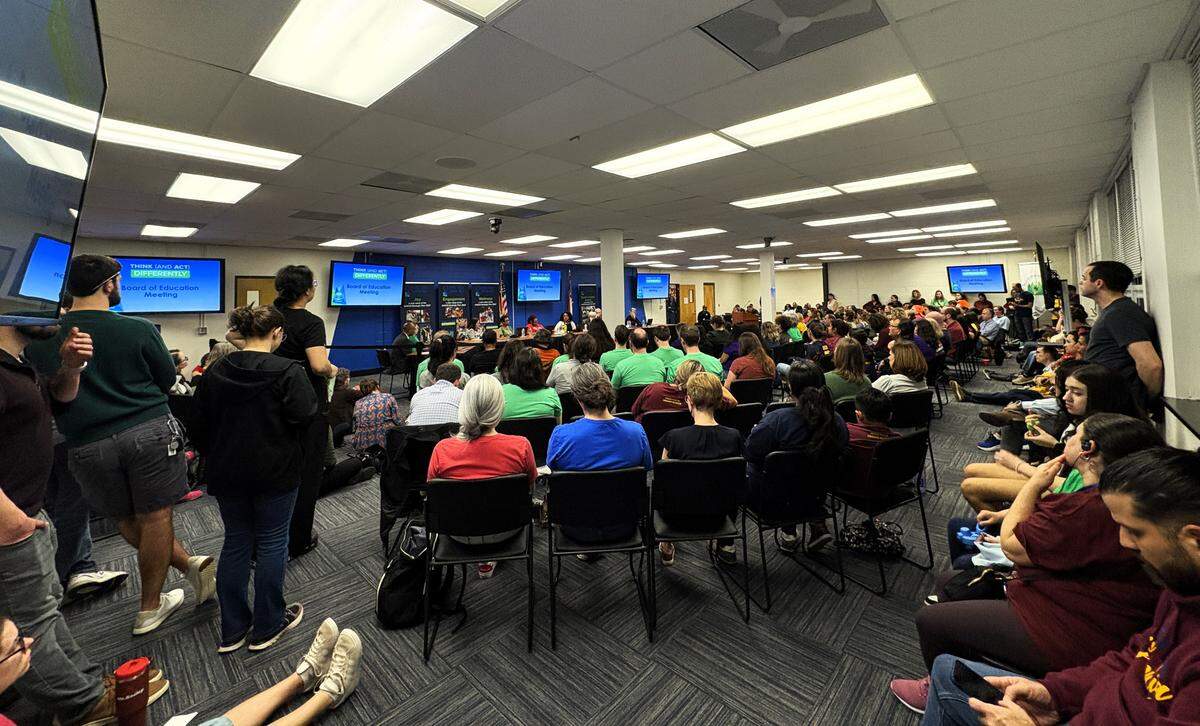
Board member Barbara Fedders, who suggested the change, thanked the community for its comments, calls and emails. Hundreds of parents, students and staff have turned out in the last month to share stories about their schools and the relationships and programs they value.
“Closing one or more schools is a necessary component of right-sizing our school portfolio,” Fedders said, referring to the district’s declining elementary school enrollment.
She noted the board’s decision in August 2024 to rebuild Estes Hills and FPG, along with Carrboro Elementary, using $175 million in voter-approved bond money. It was based on hours of meetings, public input, staff time and a county-funded study, she said.
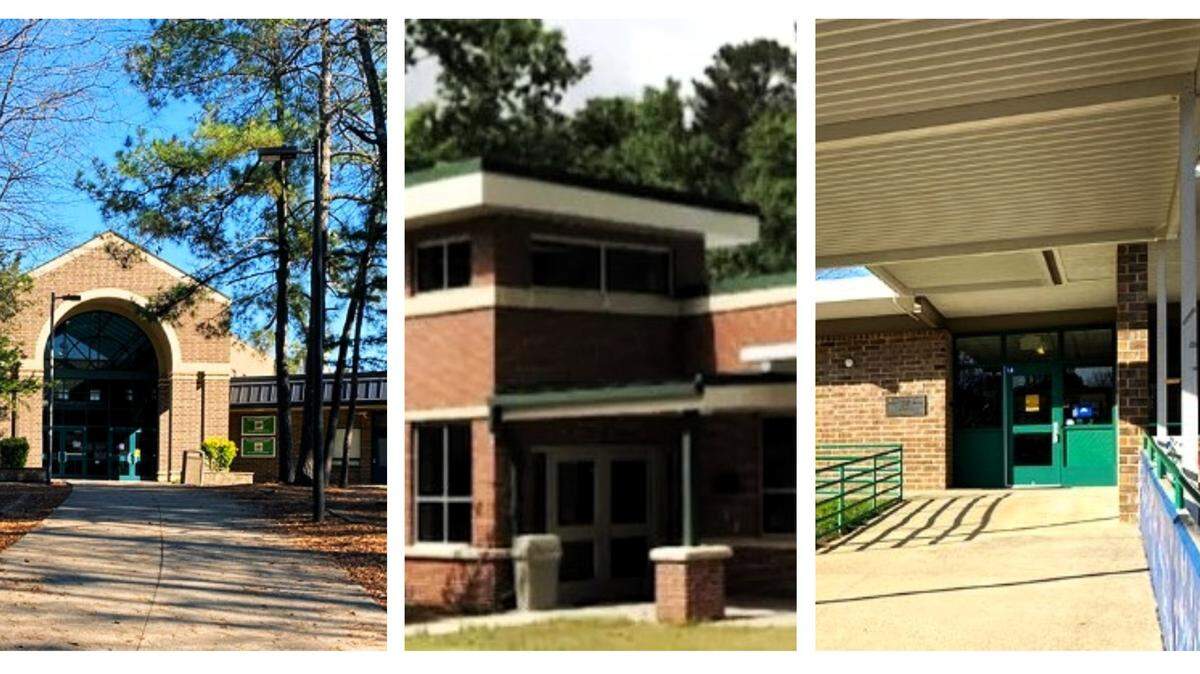
In January, the board put Estes Hills and FPG back on the potential closure list in a surprise move. Carrboro Elementary was not added to the list, because work is already underway on that $53 million project.
“To include [Estes Hills and FPG] now in the consideration of closure, along with complicating the rebuild logistics, introduces instability and uncertainty, insofar as it would require retroactive reconsideration of the bond vote and capital plan,” Fedders said. “I think we as a board need to be data driven, but we also need to be decisive.”
Board members Rani Dasi, Vickie Feaster-Fornville and Melinda Manning favored keeping those schools and three that remain — Ephesus, Seawell and Glenwood — on the table.
The district’s bond plan also committed to renovating the schools facing closure, Dasi said.
“If our objective is to maximize financial benefits, why would we, as a board, limit the options that we can even consider that are available to us?” she asked. “I think we also have to be thoughtful about reversing our commitments to these schools.”
The board also selected criteria Thursday for deciding which of the three remaining schools to close.
Upcoming meetings, budget discussions
The district will hold community meetings this month:
- Monday, March 16: 6:30-8 p.m., Chapel Hill High School auditorium
- Wednesday, March 18: 6:30-8 p.m., Carrboro High School auditorium
- Friday, March 20: 2-3 p.m., virtual session
- Monday, March 23: 6:30-8 p.m., East Chapel Hill High School auditorium
District staff could return with a recommendation and reports about the three remaining schools in May, giving the board time for a public hearing ahead of its June 4 vote. The selected schools could close by the 2027-28 school year.
Superintendent Rodney Trice has said he wants to move quickly to give staff and families time to prepare for the changes and the redistricting process that will follow. The district needs to find $3.6 million to $8 million in savings over the next few years, and waiting too long could put more jobs at risk, he said.
In his recommended budget Thursday, Trice identified 25 positions to cut next year: 15 elementary school teachers and teacher assistants, eight high school teachers, and two high school exceptional children’s teacher assistants.
The district expects 277 fewer students next year, continuing a trend of enrollment declines, especially in elementary school. That could result in a possible $2.43 million state budget cut, Chief Financial Officer Jonathan Scott said. The county commissioners have also warned the district that its budget will be tight.
The commissioners will meet with the city and county school boards on April 30. The county budget is expected May 5.
Why are schools being closed?
- Nathan Dollar, with Carolina Demography, has said fewer children are being born and families with children are not moving to Chapel Hill and Carrboro. More families are also choosing private, charter and home schools for younger children, he said.
- High housing costs are another challenge, although thousands of additional housing units are pending or under construction.
- Every empty student seat costs the district $17,286.96 in local, state and federal money in 2025, according to N.C. Department of Public Instruction data. Dollar expects the enrollment decline to level off by 2035.
- Closing a school could save the district $1.7 million a year, plus $10 million to $15 million in maintenance costs, said Al Ciarochi, deputy superintendent for operations.

What criteria did the board choose?
The board narrowed its list to eight criteria on Thursday, four of which are required by state law:
- Geographic conditions: Required by law, and includes geographic and environmental factors, such as flood zones.
- Anticipated enrollment changes: Required by law. Enrollment fell at every school since 2020, but Seawell lost the most at 154 students. Glenwood is almost at capacity and could grow. The board wants to hear more about town planning.
- Inconvenience or hardship for students: Required by law, this could include students with disabilities, lower-income students, multilingual learners, and Black and Hispanic students. The board also wants to consider effects on pre-K students.
- Cost of providing additional facilities: Required by law.
- 10-year maintenance outlook: includes future spending, as well as money already spent on roofs, heating and air-conditioning equipment, and other building needs.
- Proximity to middle or high schools: Includes only Seawell, but the board added programmatic and academic impact, which could include Glenwood’s world language and Mandarin dual language programs or academic growth at Ephesus, which led the district in 2024-25.
- Transportation costs: Many Ephesus and Seawell students walk to school. Staff will collect data about pedestrians, cyclists, and bus and car riders.
- Site adequacy: Includes the size of schools, school sites, and how well classrooms meet the need.
This story was originally published March 6, 2026 at 7:54 AM.