Leader urges tough talks on Orange, Chapel Hill school budgets: ‘Be honest with the public’
AI-generated summary reviewed by our newsroom.
- Orange County and schools plan a $300 million bond and a $100 million county pledge.
- Chapel Hill‑Carrboro and Orange districts face tight budgets after falling enrollment.
- OCS planning new elementary school in 2027-28. Carrboro Elementary construction pending.
Orange County’s two school districts have a decade of challenges ahead, but honest and collaborative conversations are how they will get through it, commissioners Chair Jean Hamilton said Thursday.
The county and schools face limited resources and higher costs as they plan for next year’s budget while embarking on a $300 million bond-funded building campaign. The county has pledged another $100 million for school projects over the next 10 years.
The bond money will cover some of the over $500 million in identified school construction and repair needs. The challenge is meeting those needs without further stressing residents already struggling to stay afloat, including longtime, lower-income homeowners being pushed out of the county.
“We know we are all facing very challenging times, and I think it’s paramount that we listen to each other, work together, but be honest about what we’re all facing, and that’s going to be really important that we communicate that to the public,” Hamilton said.
What’s happening with the school construction bond?
Orange County Schools: Has $125.3 million from the bond and $34 million from the county.
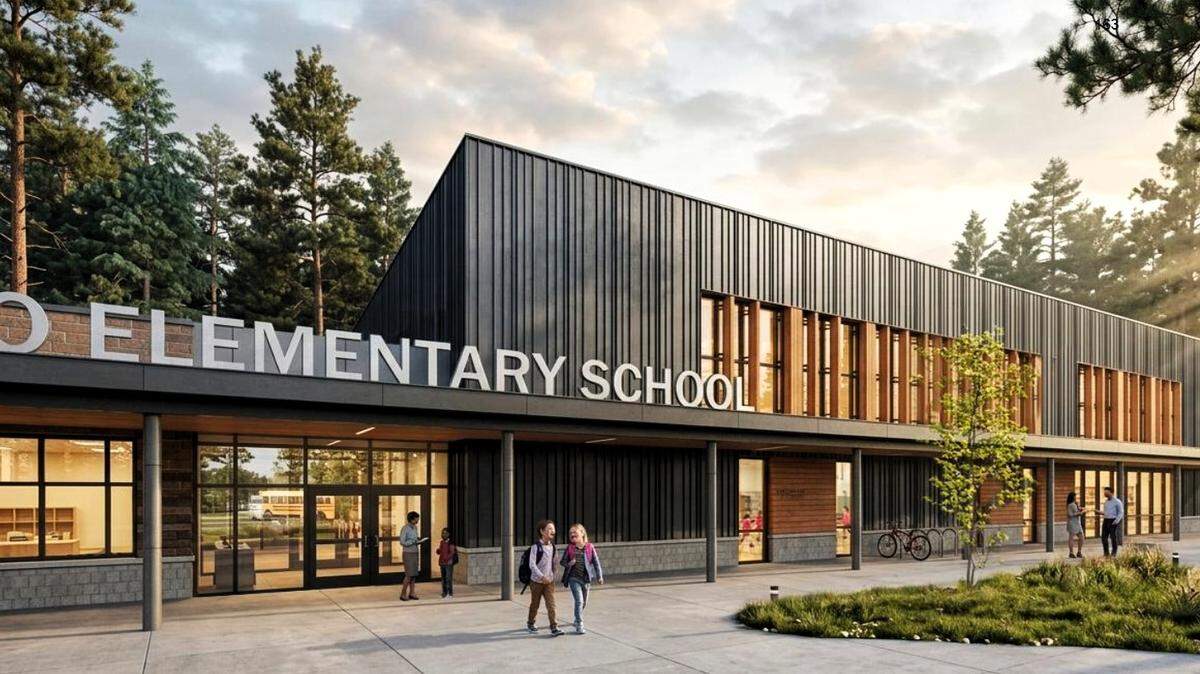
The first big project — a new $54 million elementary school — could start in 2027-28 beside Soccer.com and Gravelly Hills Middle School near Mebane. District staff presented a couple of rough site plans Thursday.
The other big project is a major renovation of Orange Middle School in 2030-31.
Chapel Hill-Carrboro City Schools: Has $174.7 million in bond funding, and $50.7 million from the county.
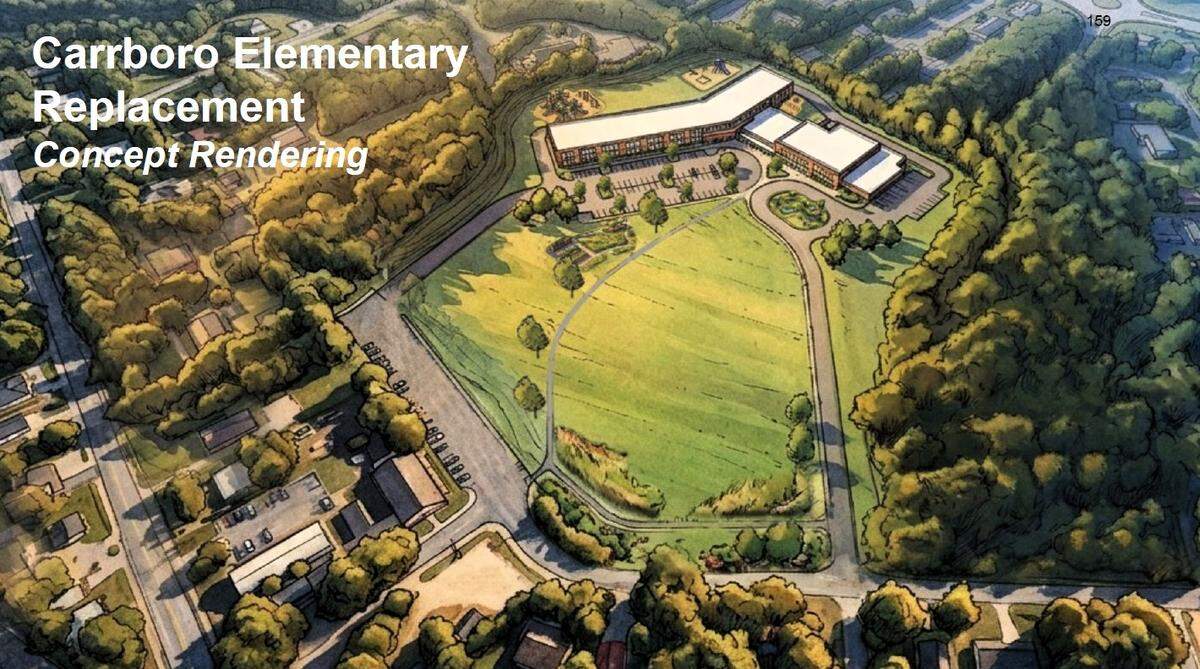
The first project is a $53 million Carrboro Elementary School, expected to start construction next year on 20 acres behind the existing school.
The district is also planning a new Estes Hills Elementary School by 2027-28, followed by a new Frank Porter Graham Bilingüe Elementary in 2031-32.
Staff presented a draft plan for Carrboro Elementary on Thursday:
- It would relocate a playground and back up to North Greensboro Street homes near Estes Drive Extension. Longer driveways will get more bus and car traffic off nearby streets.
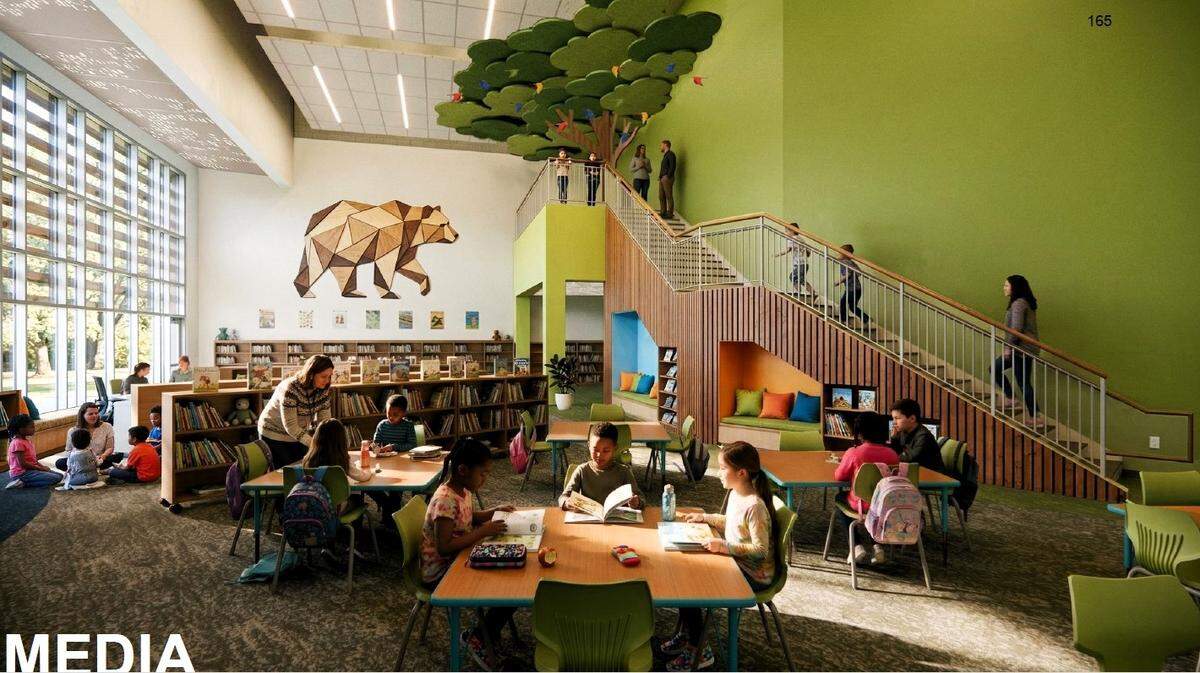
- A preliminary concept shows a 90,000-square-foot, two-story building with a wing housing the central offices, media center, a gymnatorium, cafeteria, and art and music rooms.
- Pre-K to first grade classrooms, Exceptional Children resources, foreign language lab and media center on the ground floor.
- Second- through fifth-grade classrooms could be on the second floor, plus a maker space lab.
- Listening sessions are being held, and the board could approve a schematic design in May. It could open in fall 2028.
What is the financial outlook for schools?
Just under half of Orange County’s budget pays for school operating costs and debt.
Both school districts are facing tough choices after years of falling enrollment and, as a result, state funding cuts. If a new state budget is approved, it could include teacher pay raises of 3% to 4% or higher, district officials said.
Bond projects will face additional challenges due to national supply-chain issues and years of rising labor and construction material costs. Any project delays or cost overruns could quickly reduce the money available for subsequent projects.
The county has pledged $100 million over the next decade to help, but that depends on the county’s financial outlook, Commissioner Jamezetta Bedford warned. The county held back $9.5 million from its allotment last year.
County Manager Travis Myren will present his recommended 2026-27 budget on Tuesday. In addition to a multimillion-dollar shortfall, the county faces rising non-school costs, including for pending cuts to federal SNAP food benefits and Medicaid.
CHCCS board member George Griffin said last year’s decision to pull county money from the districts “felt like a bait and switch.” Now, he said, it seems like “we’re being asked again, can we back off of our need to build our schools in a timely way?”
“I know it caught me, and I know some others, by surprise to just put it out at this meeting like that,” Griffin said.
Hamilton, a former CHCCS board member said the situation is challenging because the burden on homeowners has grown since the county’s last revaluation.
“I hope, just like we have to understand the pressures you’re under, that you also understand the pressures we’re under, and that we’re all trying to do our best,” she said.
School district 2026-27 budget requests
CHCCS is asking for $71.6 million in local money to pay higher costs, increased teacher supplements and a fund for digital subscriptions, textbooks and other costs that the state no longer supports.
Staffing cuts in 2024-25 filled a previous gap and could put $5.5 million back in the district’s depleted fund balance — money left after the bills are paid — by June 30, staff said. But enrollment — 10,741 students next year, a 10% decline since 2020-21 — could keep falling for several more years.
The district cut 19 central office positions in April and could cut 25 classroom positions next year to cover a $2 million cut in state funding. Board members will decide in June which of three elementary schools — Ephesus, Seawell and Glenwood — to close.
OCS is asking for $50.7 million in local money next year, a $4.1 million increase, to pay more for teachers, staff and bus drivers, and cover higher operating costs. A loss of 182 more students — making enrollment 6,551 students — could cost the district $1.7 million in state funding, officials said.
OCS students will face redistricting, but the district does not have plans yet to close any schools, board Chair Will Atherton said.

What did the commissioners say?
The commissioners thanked both districts for adapting to a challenging situation, but Commissioner Earl McKee sparked a deeper conversation when he asked how they will rein in their use of bond and tax dollars.
“I just want to know what happens if the plan doesn’t work out,” he said, when Hamilton responded that the public knew the bond could require higher taxes and still might not pay for everything. The county and schools have to use the best data available and meet hurdles when they come up, she said.
CHCCS board member Rani Dasi reminded the commissioners that the county’s debt over the next 10 years also includes about $600 million for county projects, including public safety and court facilities. The county’s 10-year plan is adopted one year at a time, creating multiple opportunities to revise it.
“I really want to make sure we situate it in the right context, that it’s not just the decision and the choices in the school districts — it’s the broader county needs,” Dasi said. “And I just want to keep in mind these are not throw-away things we are investing in,” she added.
Atherton agreed with Dasi’s comments, saying “it is concerning,” because if the governments are going to work together, the county needs to be willing to take on higher costs if a project is delayed.