Chapel Hill-Carrboro school board approves job cuts. Here’s what they saved.
AI-generated summary reviewed by our newsroom.
- School board approved 19 central-office cuts, preserving three specialist roles.
- Superintendent Rodney Trice links 1,547-student six-year drop to about $10M lost per year.
- Board weighs closing Ephesus, Glenwood or Seawell schools in 2027 amid shifts.
Chapel Hill-Carrboro school board members split Thursday over what jobs to cut to save $1.5 million to $2 million in next year’s budget.
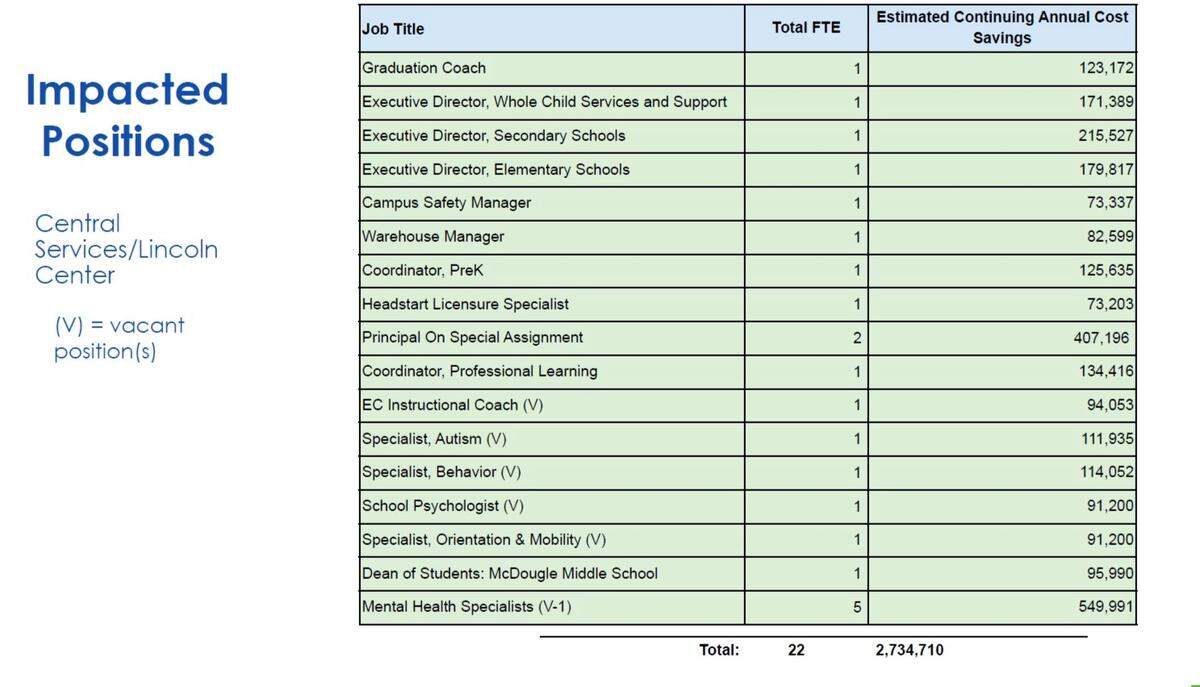
Superintendent Rodney Trice suggested cutting 22 central-office positions, including 17 central administration and leadership staff, plus six central-services employees working in schools.
Board members Rani Dasi, Vickie Feaster Fornville and Meredith Ballew argued successfully to save two mental health specialists and an autism specialist. The board voted 4-2 to approve the remaining 19 cuts, five of which are vacant positions.
The positions that were spared could reduce the district’s savings by at least $300,000.
Board members George Griffin and Chair Riza Jenkins voted against the move.
While he appreciates the intent in saving some positions, it’s not “in the spirit of what we need to be demonstrating right now,” Griffin said. He also noted the district’s ongoing conversation about closing elementary schools to save money.
“I think we need to respect [Trice’s] proposal, to make your reductions as a start, and not start adding things back here and there,” Griffin said.
Dasi called the amended plan an “appropriate compromise” when mental health “is a huge issue right now,” particularly for middle-school students.
“Part of the job of the board is to be responsive to what administration brings before us, not to blindly accept anything that’s brought before us,” she said. “I’m not suggesting that’s what you’re doing, but I just want to offer that as a consideration.”
The change will happen by June 30, and affected employees could fill other district jobs, Trice said. The plan includes roughly $700,000 to restructure central office operations for a net projected savings of $1.7 million.
Some examples of how the restructuring money could be used, Jenks said, include restoring jobs affected by the 2024 cuts or adding new positions to meet future needs. Other money might be used to market the district to new and former families.
Many NC districts facing tough choices
Chapel Hill-Carrboro is not the only district in North Carolina facing tough budget decisions.
In Wake County, Superintendent Robert Taylor recently pulled back a plan to cut $18 million and 130 special education teaching positions — an attempt to navigate budget uncertainties, slowing enrollment and competition from educational options.
The district is now seeking other cuts and preparing for a smaller funding increase from Wake County next school year.
Durham teachers and staff have called for higher wages, and the superintendent is seeking a nearly $26 million budget increase, but the county manager has warned of challenges, including slow revenue growth.
On Thursday, Trice told the CHCCS school board that a 1,547-student drop in enrollment over the last six years has cost the district over $10 million a year in state funding. The staffing cuts will preserve positions that directly affect students, he said.
“This is among the most difficult responsibilities that I have in my role as superintendent, but the recommendation is grounded in a careful analysis of some of the challenges — headwinds — we continue to face as a district,” Trice said.
Forecast: Fewer students, school closures
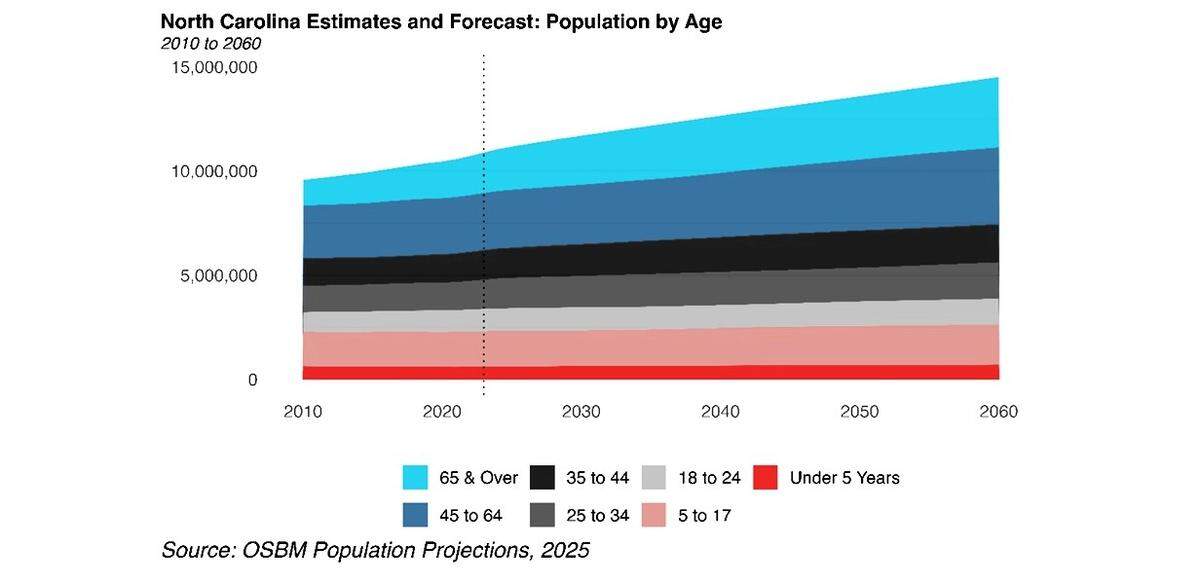
District enrollment could continue to fall over the next decade, Carolina Demography Director Nathan Dollar reiterated in a school board update Thursday. Previous reports showed elementary schools with the biggest decline, and the board is weighing which of three schools — Ephesus, Glenwood or Seawell Elementary — to close in 2027.
The data shows Seawell experiencing a significant enrollment decline in the next decade, Dollar said; Ephesus could see growth.
District staff is researching several factors and could return to the board in May with a recommendation, followed by a June 4 vote. Parents, students and staff from all three schools have filled meetings since January to advocate for their campuses and programs.
Dollar’s team attributed falling enrollment across the state to a decline in birth rates since 2015, an aging state population, and more families choosing charter, private and homeschool options. Thursday’s update also showed that federal immigration policies have sparked a significant decline in the foreign-born population, including in Chapel Hill.
That finding was based on the number of English Language Learners, Dollar said.
Still, Chapel Hill-Carrboro is “doing really well,” in competing with other education options, he said. A more aggressive marketing strategy might advertise the value of a CHCCS education and improve those numbers, he said in response to a board question.
The update also analyzed 8,625 housing units in the development pipeline for Chapel Hill and Carrboro. Most are studio, one- and two-bedroom apartments, which rarely attract families, Dollar said, and 172 are restricted to adults age 55 and older.
But the Chapel Hill Town Council, in particular, is pushing for more middle-income housing, including three- and four-bedroom townhomes and condos, which typically cost less than single-family homes.
Real estate and Chamber of Commerce officials have said fewer young families are looking at southern Orange County because of high housing costs and more high-quality schools in Wake and other counties.
This story was originally published April 10, 2026 at 8:09 AM.
CORRECTION: This story was updated to correct the names of the board members who voted against the cuts.