Raleigh wants to plant 24,000 trees by its 240th birthday. There’s a problem.
AI-generated summary reviewed by our newsroom.
- Raleigh set a goal in 2022 to plant 24,000 trees by the city's 240th birthday in 2032.
- Budget shortfalls could delay or curtail the Leaf Out program's planned plantings.
- A proposal seeks $224,000 to fund nonprofits to plant the first 1,000 trees.
Two years ago, Raleigh set a goal to plant 24,000 trees by the city’s 240th birthday in 2032.
Budget cuts could now hamstring the start of that effort.
What’s the city’s tree-planting plan?
A Wake County study in 2023 found that between 2010 and 2020, the county lost 11,000 acres of trees, with Raleigh alone losing 1,305 acres, or 2% of its canopy, The News & Observer previously reported .
The city’s Leaf Out program aims to address that by working with nonprofits to plant 24,000 trees in the areas that need them, according to Raleigh Parks Director Stephen Bentley.
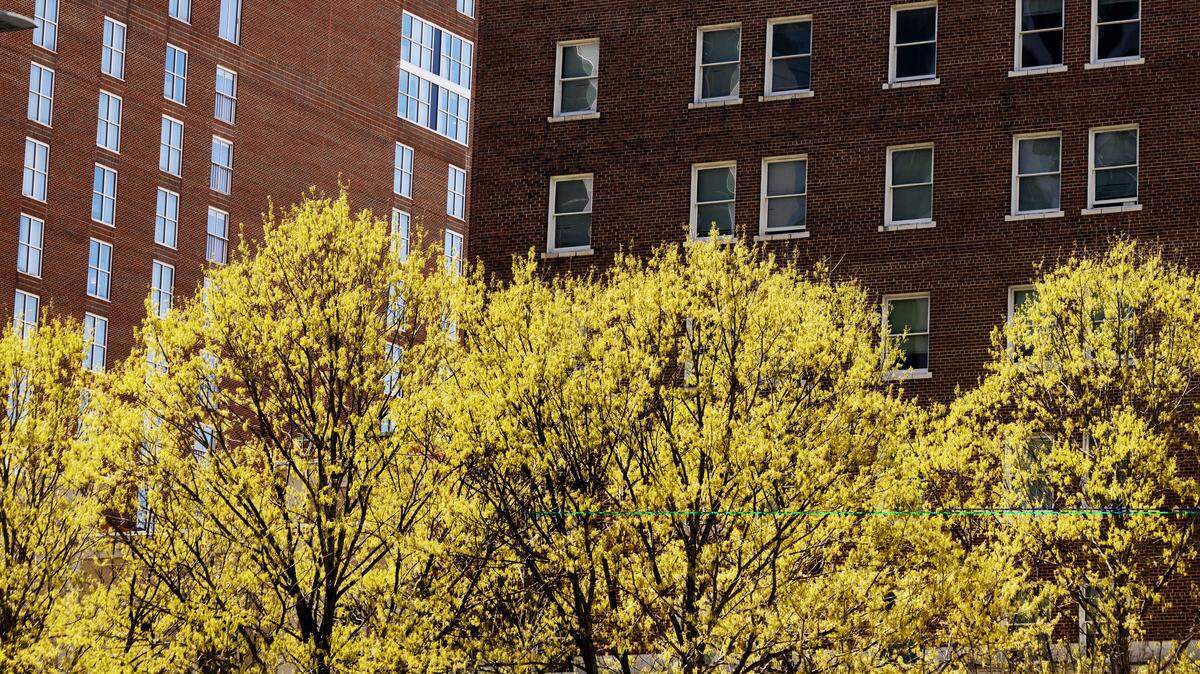
The city has identified its hottest areas, like downtown, Bentley said. That’s in part because there are fewer trees in those areas.
Planting efforts would be aimed at those areas and wherever else they’re needed.
Trees improve air quality and provide shade to pedestrians, Council Member Mitchell Silver said. He was New York City’s parks commissioner from 2014 to 2021, when he oversaw part of the city’s campaign to plant a million trees. The campaign began in 2007, but it finished in 2015, two years early.
Raleigh’s tree-planting program was set to begin in the new fiscal year that begins July 1, but the budget does not include any of the $650,000 its first year could cost.
The state has approved a $1 million grant for the project, but Bentley said how the money will be used is still being worked out. He said in the past, it’s taken as much as two years from approval to the time a grant is actually disbursed.
And the grant limits where the state money can be spent to areas “which are historically under-invested in,” Bentley said.
The unclear funding picture puts extra strain on the city to meet its own deadline for planting the trees, now six years away.
“I’m concerned if we don’t have clear funding to start the process, I don’t know how we’re going to get there,” council member Jane Harrison said Monday.
What budget problems is the city facing?
The City Council is now weighing a slimmed-down budget proposal that cuts nearly $16 million, or approximately 1% off of last year’s budget total of about $1.78 billion.
That’s primarily because the city’s revenue from property taxes in the upcoming year is expected to be much lower than usual.
Thousands of people appealed 2024 revaluations of their properties, which has hurt the city’s tax base. Property tax exemptions have also cost the city millions.

Will the City Council add the extra money for trees to the budget?
The council signalled support Monday for adding money to the budget for the tree-planting program.
“I certainly would support the $650,000 for this year, not knowing how long the grant will take,“ Silver said.
Harrison also said she would support including the money in the budget, and she motioned for the council to do so during Monday’s work session.
But other council members said they wanted to find out where the money would come from first. They asked to wait before allocating that money.
The council could raise the tax rate by another 0.05 cents per $100. That equates to about $2 more on the tax bill of a home valued at $391,000, the median value in Raleigh.
But budget already includes a tax rate increase of 1.7 cents, which means an additional $67 for the bill on a $319,000 home.
And that comes as Raleigh has seen property tax bills for the median home rise nearly 72% from 10 years ago.

Council Member Christina Jones said she supports the project but does not want to further raise taxes. Other council members agreed.
The other main option the council has is to cut something else from the budget.
Staff will report back to the council at another budget work session before July 1.
Kate Dixon, chair of the city’s Sustainability, Wildlife and Urban Trees Committee, pitched another alternative at the council’s public hearing on the budget Tuesday night.
“I know you want this campaign to move forward and are concerned about losing a planting season if we don’t begin this fall,” Dixon said.
She suggested as a compromise that the city fund three nonprofit partners in the effort — Trees for the Triangle, We Plant It Forward and Audubon North Carolina — with a total of $224,000 to plant the first 1,000 trees of the program and launch an educational campaign in coordination with the city.
Dixon said $224,000 would give those nonprofits 80% of the funds they need, and they could raise the remaining 20% themselves.