Jeffrey MacDonald again seeks release from prison. A primer on the infamous NC crime.
Jeffrey MacDonald, in prison for more than 40 years now for the 1970 murders of his pregnant wife and two young daughters at Fort Bragg, has tried multiple times to be freed from prison.
At a hearing in Raleigh on March 11, attorneys asked for “compassionate release” for MacDonald, who is 77 years old now and in “failing health.” MacDonald married Kathryn Kurichh in 2002, while he was in federal prison in California.
On April 9, U.S. District Court Judge Terrence Boyle rejected MacDonald’s request, The News & Observer reported.
For those unfamiliar with the MacDonald case — easily the most infamous murder case in North Carolina history — here’s a primer.
The MacDonald murders: What happened?
▪ On Feb. 17, 1970, Colette Stevenson MacDonald, 26, and her two daughters, Kimberley, 6, and Kristin, 2, were beaten and stabbed to death in their home at 544 Castle Drive on the Fort Bragg Army base, adjacent to Fayetteville. Colette’s husband, Army Capt. Jeffrey MacDonald, a doctor and former Green Beret, had several minor stab wounds and one chest wound that punctured a lung.
▪ MacDonald told Army investigators that his family was killed by a band of hippies, including a woman in a floppy hat, who chanted “Acid is groovy, kill the pigs.”
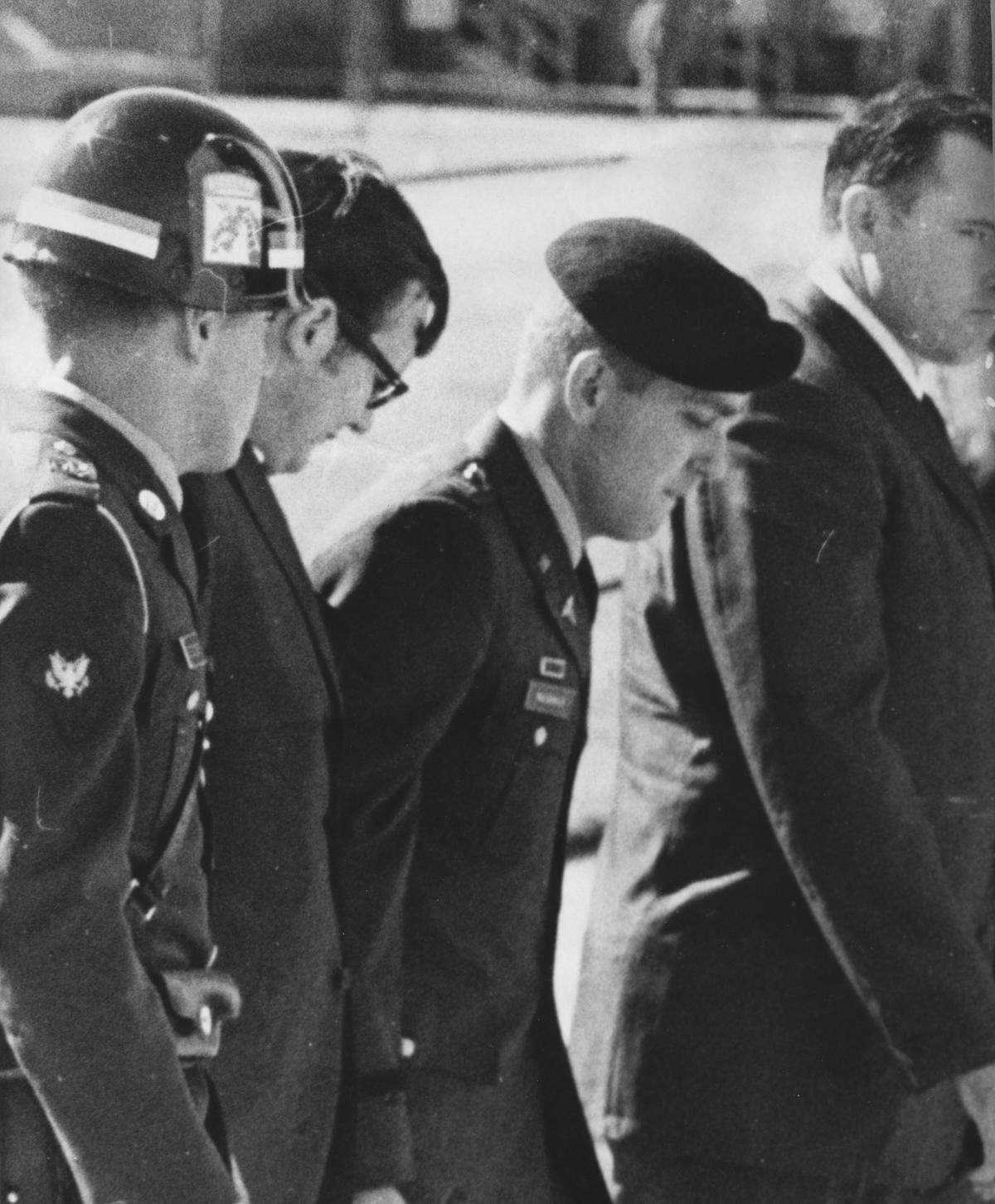
▪ The Army charged MacDonald with three counts of murder in May 1970, but the charges were dropped in October of that year.
Jeffrey MacDonald: The murder trial
▪ In April 1974, Colette’s mother and stepfather, Mildred and Alfred “Freddy” Kassab, traveled to North Carolina to petition the federal court, requesting that a grand jury investigate the case and MacDonald’s involvement.
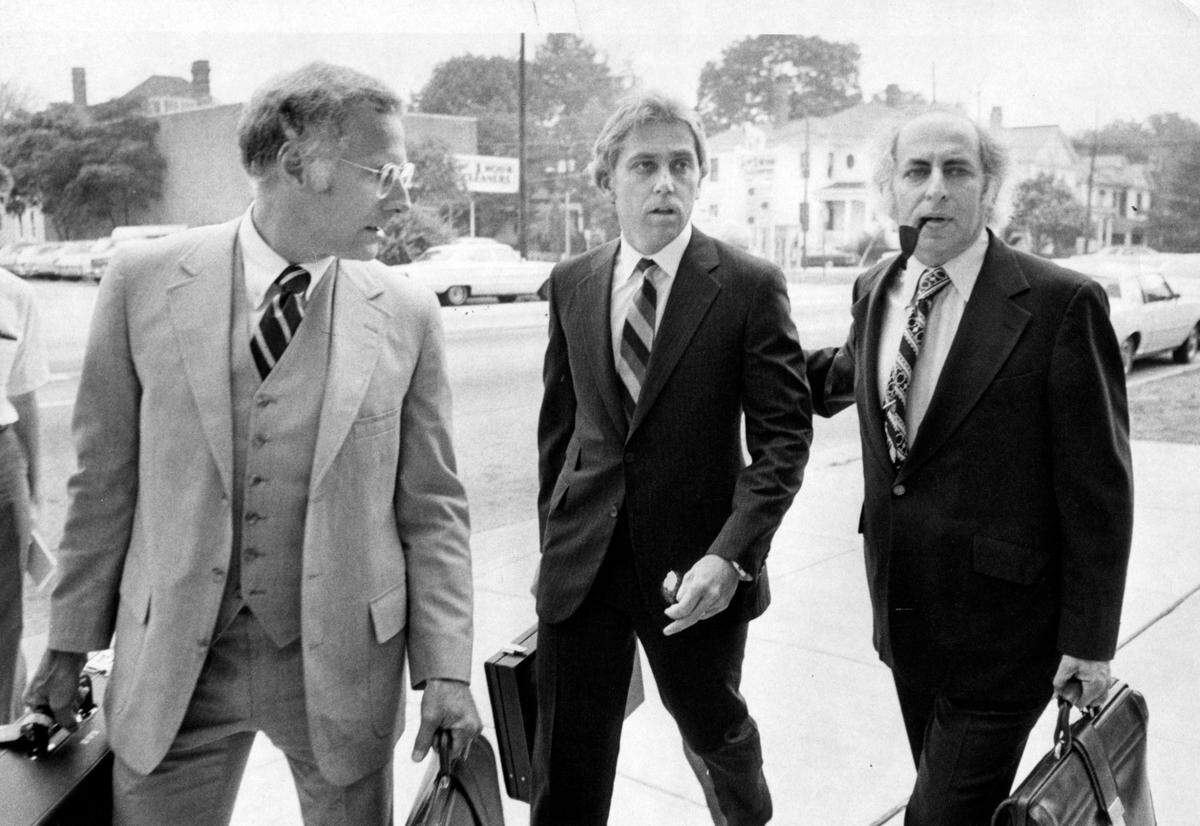
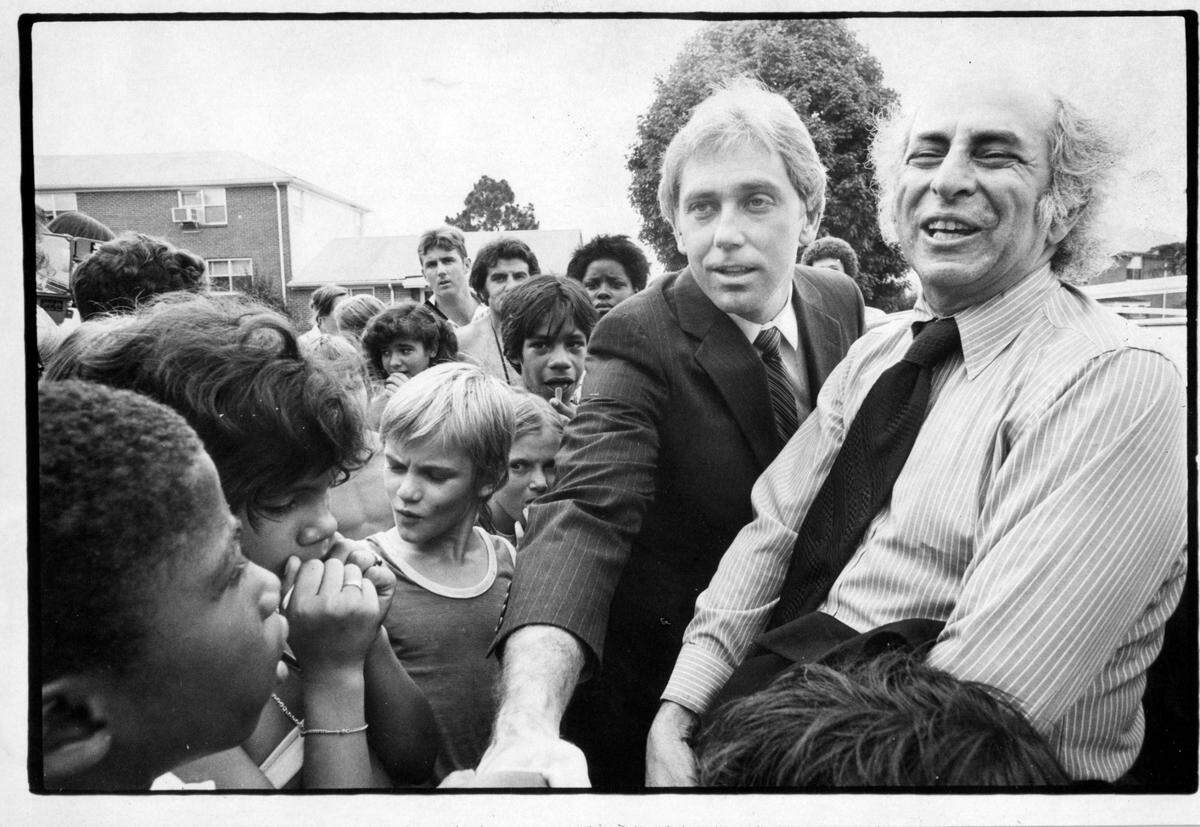
▪ In January 1975, a federal grand jury in Raleigh indicted MacDonald on three counts of murder. The trial, also in Raleigh, didn’t start until July 1979. MacDonald was represented by Bernard “Bernie” Segal and Wade Smith. Jim Blackburn and Brian Murtagh led the prosecution team.
▪ The verdict came on Aug. 29, 1979: MacDonald was found guilty in the first-degree murder of his wife, and in the second-degree murders of his daughters, and sentenced to three life terms, to be served consecutively.
Jeffrey MacDonald: The appeals
The appeals filed by MacDonald’s various legal teams over the years are numerous, but only one made much difference — and that only brought him temporary relief.
▪ On July 29, 1980, the 4th Circuit Court of Appeals overturned his murder convictions on the grounds that he was denied a speedy trial. He was released from prison in August 1980. Two years later, the U.S. Supreme Court reversed the 4th Circuit and MacDonald was arrested and returned to federal prison.
▪ Other major legal activity: In 2012, an evidentiary hearing was held in Wilmington to consider new evidence. In 2014, courts denied MacDonald’s request for a new trial, and in 2018, the 4th Circuit Court of Appeals upheld the ruling that there would be no new trial.
The book ‘Fatal Vision’
▪ About a month before MacDonald’s trial started in July 1979, MacDonald met with writer Joe McGinniss and asked him to “embed” with him and his defense team and write a book about the case to show MacDonald’s innocence. McGinniss agreed, but the book he ended up writing is not the one MacDonald wanted.
▪ Published in August 1983, “Fatal Vision” concludes that MacDonald is in fact guilty of the three murders, and it even offered a theory about exactly how a drug-fueled MacDonald killed his wife and children.
▪ MacDonald sued McGinniss for breach of contract, and the 1987 trial ended in a hung jury. The publishing company ultimately settled with MacDonald out of court. (Colette’s parents sued MacDonald and received a portion of the settlement.)
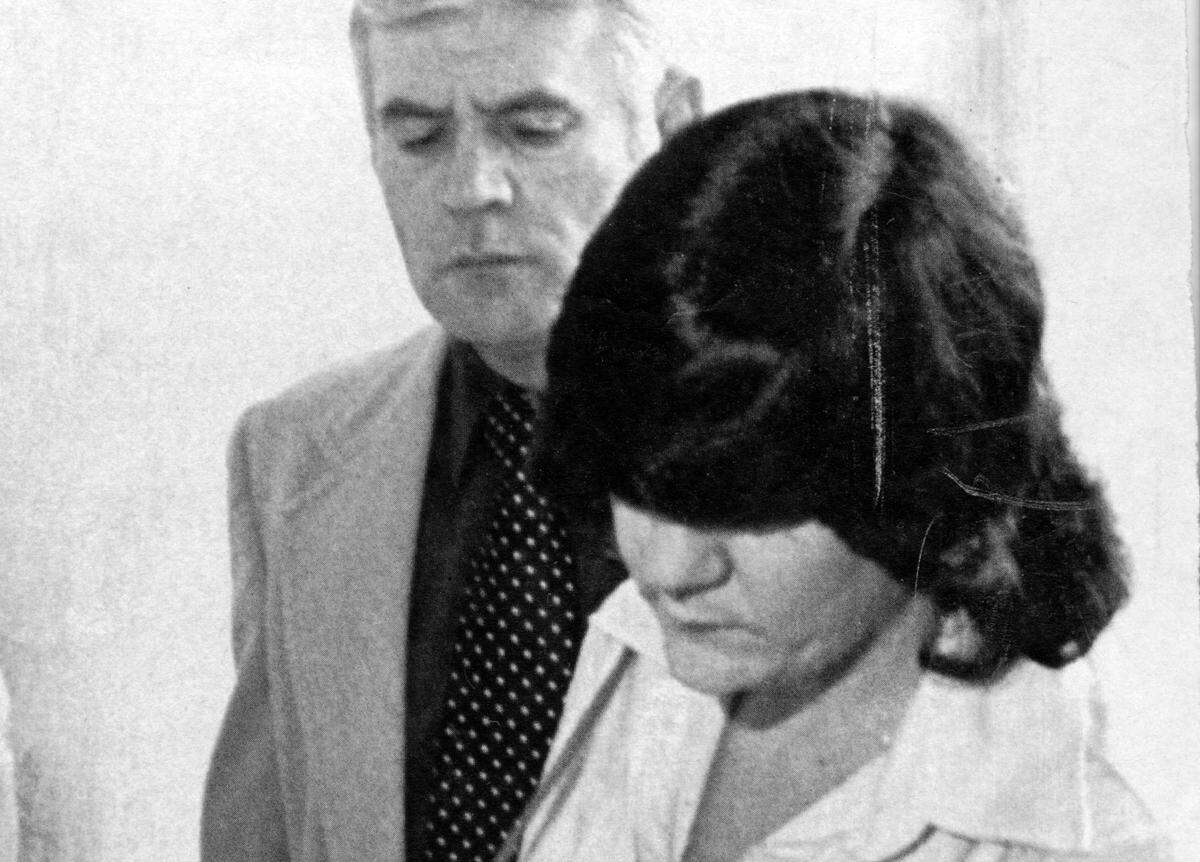
The woman in the floppy hat
▪ When the Army dropped its case against MacDonald in October 1970, the military investigator recommended that a Fayetteville woman, later revealed to be Helena Stoeckley, be investigated for possible involvement in the murders.
▪ At various times over the next 10 years, Stoeckley would alternately confess to being present during the murders and claim to have no involvement at all. Most importantly, when Stoeckley testified at MacDonald’s trial in 1979, she said she had never been inside MacDonald’s apartment, did not kill any of the people there and had no knowledge of who did. A full transcript of her testimony is available online.
▪ Stoeckley died in South Carolina in 1983 at the age of 32. Her cause of death is listed as cirrhosis of the liver and pneumonia.
Jeffrey MacDonald murders: Books, movies, podcasts
Joe McGinnis’ 1983 book “Fatal Vision” was just the tip of the iceberg in the true crime cottage industry that cropped up around the MacDonald case.
▪ “Fatal Vision,” the television miniseries based on McGinniss’ book, starred Gary Cole as MacDonald and Karl Malden as his father-in-law. (Malden won an Emmy for his performance.) It premiered on NBC in November 1984. Andy Griffith played a prosecutor.
▪ “The Journalist and the Murderer,” a book by New Yorker writer Janet Malcolm, was published in February 1990. In the book, Malcolm accuses “Fatal Vision” author McGinniss of unethical treatment in regard to MacDonald.
▪ “Fatal Justice: Reinvestigating the MacDonald Murders,” a book by MacDonald supporters Fred Bost and Jerry Allen Potter, was published in February 1995.
▪ “A Wilderness of Error: The Trials of Jeffrey MacDonald,” a book by documentary filmmaker Errol Morris, was published in September 2012. The book argues that the criminal investigation into the murders was botched and that MacDonald was wrongly convicted.
▪ ”Final Vision,” a television movie about the case, aired on the Investigation Discovery channel in 2017. The movie starred Scott Foley as MacDonald and Dave Annable as writer Joe McGinniss. The movie includes a gruesome recreation of the murders as McGinnis believed them to have taken place.
▪ “A Wilderness of Error,” an FX documentary series directed by Marc Smerling and based on the work of Errol Morris, premiered in September 2020. The documentary puts forth the various theories Morris presented in his book, and essentially debunks them all.
▪ “Morally Indefensible,” a podcast series, was released by FX in 2020 as a companion to the “Wilderness of Error” documentary series. The podcast focuses more on the relationship between MacDonald and Joe McGinniss.
This story was originally published March 10, 2021 at 5:01 PM.