Should the SAT and ACT tests play a role in how students are accepted to college?
READ MORE
No Testing Required
Schools in the UNC System are among hundreds of colleges and universities not requiring applicants to submit test scores. Most schools made the change as the pandemic disrupted learning and test availability, and some went “test-optional” or conducted “test-blind” admissions to address equity and accessibility issues. What is the future of standardized tests in college admissions? Should the SAT and ACT be a part of the process?
Expand All

Should the SAT and ACT tests play a role in how students are accepted to college?
It’s not too early to start the next college application process. These things are key.
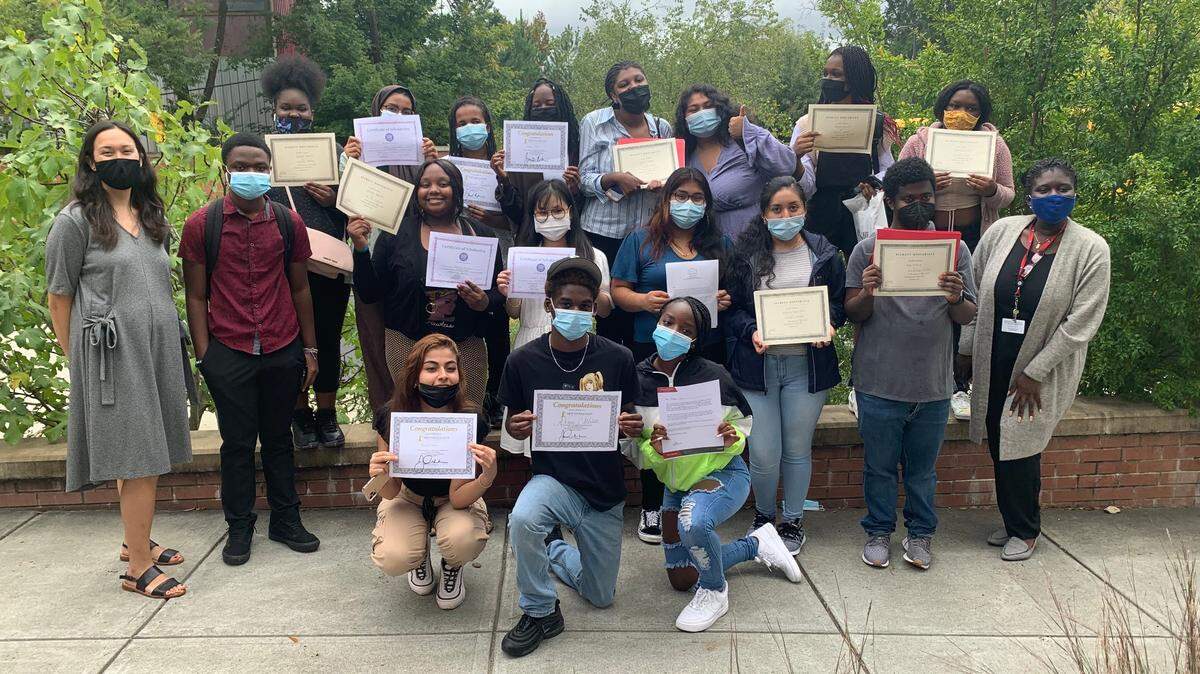
How these recent college graduates help high school students navigate what comes next
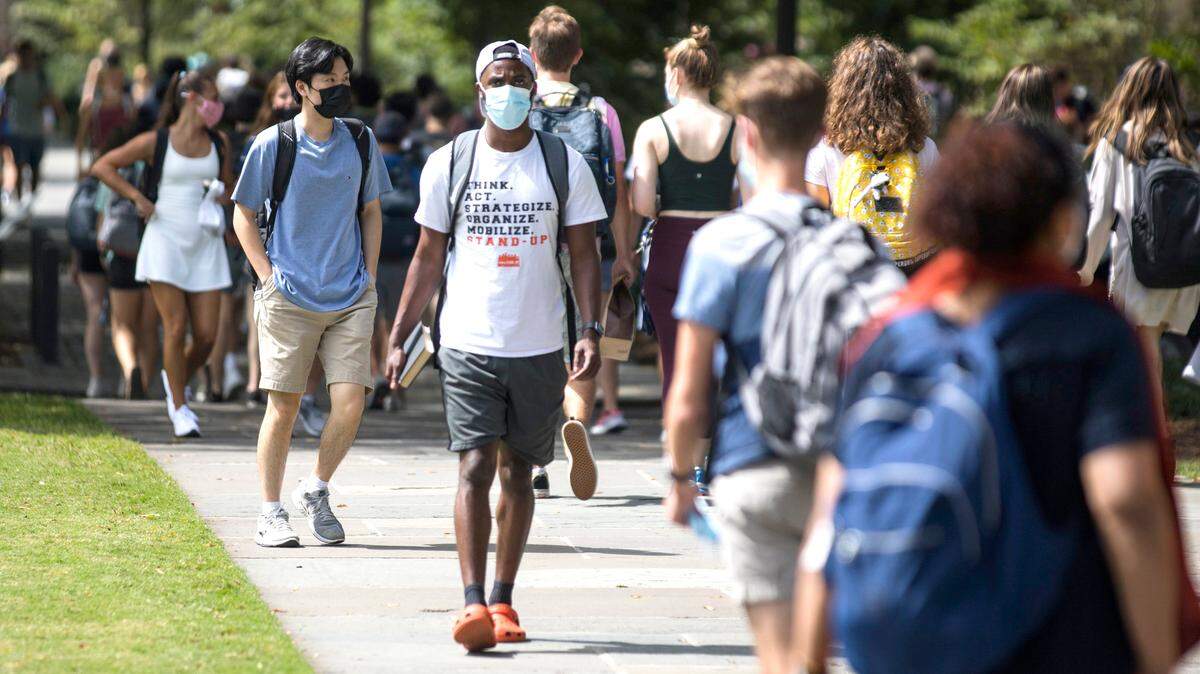
How do you write a great admissions essay? We asked Duke, UNC, NC State for tips
Seeking college scholarships? Here’s a list for NC students, plus tips for applying
Two high school seniors from Durham anxiously submitted their applications recently to attend North Carolina universities in the fall.
One applied to North Carolina A&T State University, her mom’s alma mater and the nation’s largest historically Black university. The other had her sights set on UNC-Chapel Hill.
But neither of them submitted an ACT or SAT test score as part of their application — something that’s happening more and more these days.
For both Northern High School students, it was a relief.
“It allows you to talk more about other aspects of your life, not just whether you’re a good test taker,” said Abbey McKee, who was accepted to UNC and will be studying journalism or business in the fall.
Both McKee and her Northern High classmate Sydney Holland said they felt that their scores did not represent their academic careers or who they are outside the classroom.
McKee said her GPA and involvement in cross-country and track, an environmental club and student council were more valuable than her standardized test score. UNC agreed. Holland, who took classes at Durham Tech while in high school and earned some college credit with her 4.1 GPA, was accepted to and earned a scholarship to NC A&T.

Schools in the UNC System are among the hundreds of colleges and universities not requiring prospective students to submit test scores right now. While most schools made the decision as the pandemic disrupted learning environments and test availability, some said they took the step toward “test-optional” or “test-blind” admissions to address equity and accessibility issues.
Now for two big questions: Will those often-dreaded standardized test scores go back to being a required part of the college admissions process? And should they?
The UNC System may not be ready to ditch the tests yet.
“I think it’s far too early to talk about it as a new normal,” UNC System Chief Academic Officer Kimberly van Noort said of test-optional admissions. “I’m not sure the role of standardized testing is dead quite yet.”
The majority of institutions waiving test scores are doing so temporarily and there’s still a need for as many points of information as possible to fairly evaluate students, she said.
Inequities in test prep
All 11th graders in North Carolina schools now take the ACT test and many also take the pre-ACT test in 10th grade to prepare them for the real thing. Students take the tests at school so they don’t need to pay for it, take time off of work or get transportation to the high school on a Saturday.
For 20 years, ACT has had testing contracts with states, and North Carolina is now part of 22 states that require students to take it. The program helps direct curriculum and evaluate how teachers are preparing students for college. It also ensures every student in North Carolina has an ACT score to use in a college application if required.
“From as soon as they enter high school to when they leave, we’re constantly trying to prepare them for college,” said Jemeka Floyd, lead school counselor at Hillside High School in Durham.
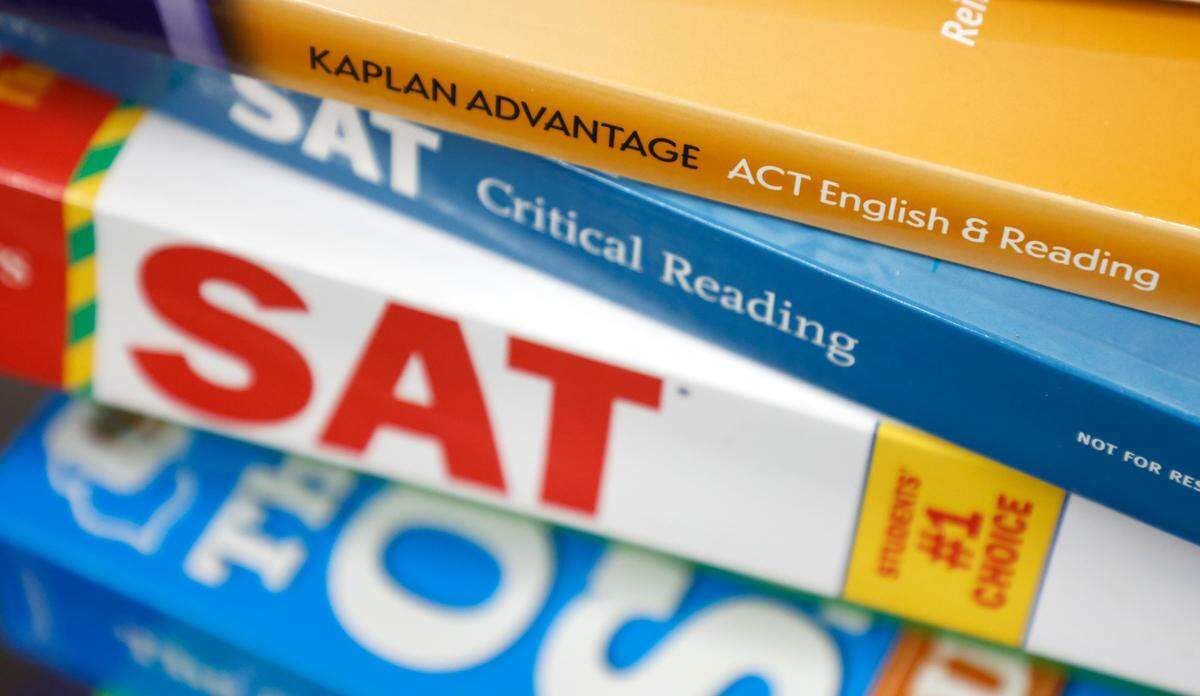
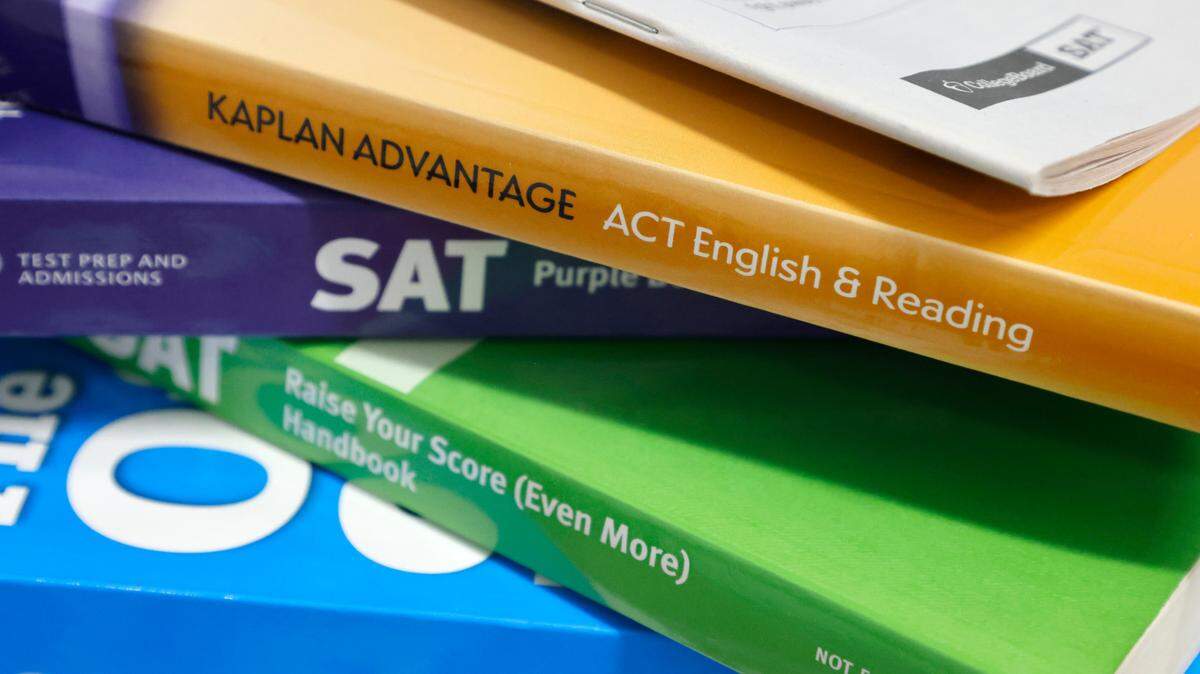
But test preparation can vary widely from school to school and district to district based on resources. Some schools partner with nonprofit organizations like Kahn Academy or The Emily Krzyzewski Center in Durham for free lessons, practice tests and study materials. Others may not.
And beyond what high schools offer, wealthier students can sometimes afford to spend thousands of dollars on the best test-prep programs, giving them an edge on the test itself and in the admissions process, Floyd said.
A lot of her students at Hillside are first-generation college students, so school counselors and teachers play a critical role in helping them navigate the admissions process, Floyd said.
Eileen Zalavarria, a junior at Hillside, said preparing for the test is time-consuming and that she spends a lot of time worrying in the lead-up to test day.
“Test anxiety is very real,” Zalavarria said. “For some students especially, it doesn’t really matter how much you prep if you’re not a good test taker.”
She would be the first in her family to go to college and she’s aiming for Duke University because of its science programs and the opportunity to meet students from all over the world.
Duke did not require test scores for the 2021-22 admissions cycle and will keep that test-optional policy for 2022-23 admissions cycle. The university will evaluate the policy for future applicants.
Zalavarria thinks students are more likely to apply to test-optional schools. Schools with a standardized testing requirement may feel unattainable to those students who think their scores aren’t on par with the average applicant, Zalavarria said.
“It gives a lot more students access to that university,” she said of test-optional.
For many students at Northern High in Durham, ACT and SAT scores can present a pretty big barrier to even applying to schools, much less getting into one, said Lead Academic Counselor Pamela Harkey.
UNC-Chapel Hill and campuses across the UNC System saw a spike in applications for fall 2021 and 2022 after temporarily removing their test score mandates during the pandemic.
“When we took (test requirements) away, they saw they fit in a lot of ways and they felt comfortable applying to these schools and throwing their names in the hat,” Harkey said.
She thinks it’s outdated to make test scores such an important factor in admissions, because there is a lot more that can lead to college success than being good at the ACT. Things like transcripts of classes and dual enrollment at a community college go a long way in revealing who a student really is, she said.
The ACT, the SAT, race and socioeconomic status
Decades of research show a strong correlation between students’ test scores and their socioeconomic status and race, leading critics to argue that the ACT and SAT put students of color and poor students at a disadvantage.
A recent North Carolina study showed long-standing racial gaps in SAT and ACT scores fueled by a lack of access to certain academic resources, including advanced coursework and experienced teachers who look like them. Data also shows that the more money a student’s parents make, the higher their test scores will be.
“There’s a straightforward, step-by-step decline in family income and average test scores,” said Bob Schaeffer, executive director of FairTest: National Center for Fair & Open Testing. Fair Test is an educational organization that addresses issues related to fairness and accuracy in student testing and scoring.
He said COVID-19 transformed test-optional admission from a growing minority of schools to the new normal in undergraduate admissions. Others embraced the trend before the pandemic.
Some major university systems nationwide, including The University of California and California State University, dropped test requirements over concerns about access, equity and discrimination against disadvantaged students.
But merely eliminating test scores from objective evaluations of students may mean inadvertently ignoring some of the more systemic issues, said ACT CEO Janet Godwin.
“The ACT itself is not what is creating inequities in our education system,” Godwin said. “We may be the instrument that reveals those inequities, but we’re not the root cause.”
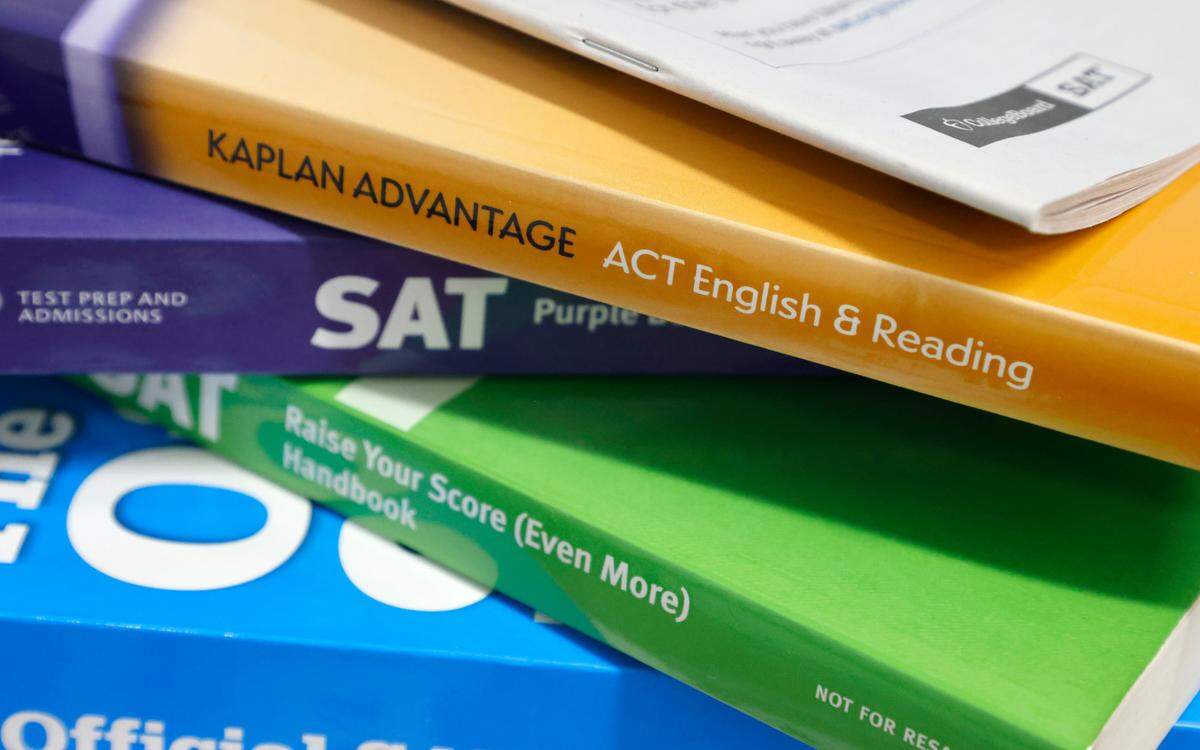
Systemic issues include funding for particular school districts, the honors and AP courses that are available, extracurricular activities, college prep courses and the number of counselors to help students plan a successful path after high school. Such differences across school systems impact test scores, students’ post-secondary education goals and their readiness to be successful once they get to campus.
Test scores, when combined with other measures like GPA, are critical for a holistic admissions process, Godwin said. They improve admissions decision-making, inform course placement decisions and ensure that schools have academic support in place for students. Schools and organizations also award scholarships based on test scores.
The ACT also provides an “objective measure” when admissions counselors are seeing huge proportions of 4.0+ GPAs and grade inflation is on the rise, Godwin said.
ACT released a report Monday that showed the average high school senior’s GPA increased 0.19 grade points between 2010 and 2021, while ACT scores stayed flat, signaling that students may not be as prepared for college as their high school transcripts show.
This report, along with a recent study of high school transcripts from the National Assessment of Educational Progress, makes the case that high school GPAs alone are not useful in measuring academic achievement or predicting college success.
But, neither are test scores.
Floyd, the Durham guidance counselor, said intelligent students who may not be good test takers are also successful in college and should not be shut out because they had a bad test day.
“I don’t think just that one day score should jeopardize their admittance to a school,” Floyd said.
Gaming the test
The best standardized test is no more than a brief snapshot of how well a teenager answers a test’s questions in a particular format, which is “a fast-paced multiple choice game with a premium on strategic guessing,” according to Schaeffer.
And that happens to be a game that white males excel at, he said. Meanwhile, young women tend to do worse on tests, but get better grades on identical coursework.
“It’s a flawed measure that mis-assesses lots of people,” Schaeffer said.

Hillside High junior Alysia Davis is not a fan of the ACT, mostly because the pressure from the time crunch in each section takes away from actually understanding the content on the test. The SAT, however, allows more time to answer questions so students don’t have to rush through it as much, she said.
“A lot of students and my friends, we have to focus more on the strategy to beat the ACT and not necessarily learning anything,” Davis said.
Strategies range from deciding what answer bubbles to fill out if you run out of time to skimming over passages in the English section rather than reading the whole piece. The more expensive prep courses teach students how to manage their time and tactics to answer every question because there’s no penalty for getting one wrong, she said.
“It’s unfortunate because I think to myself sometimes, what would my test score look like if I did have access to those courses and if I was able to spend maybe two hours a week studying for the ACT or SAT,” Davis said.
Despite the stress of studying for these tests on top of a full course load with AP and honors classes, Davis plans to submit her scores with college applications even if schools don’t require it. She thinks it’ll draw more negative attention if she doesn’t submit them.
“Scores are a way to leverage yourself,” Davis said.
If she’s competing against somebody who has all the extracurricular activities and they submit their SAT scores when she didn’t, that other student might get picked over her, she said.

The future of test scores in UNC System admissions
As it stands now, students looking to attend a public four-year university in North Carolina do not need to submit an SAT or ACT test score through the fall of 2024. The system waived the requirement of test submission during the pandemic.
But test scores will be required when the waiver expires in 2024. Still, individual universities have the flexibility to decide how to use those scores in admissions decisions, if at all.
The UNC System launched a pilot program in 2015 that allowed some schools to assess applicants based on either their GPA or standardized test scores rather than both. That was based on research that shows GPA is a better predictor of student success and graduation rates than standardized test scores.
Three schools — N.C. Central University, NC A&T State University and Elizabeth City State University — started the pilot, which was extended across the system in March 2020 because of the pandemic’s effect on standardized testing availability and again in 2022 to get more accurate data post-pandemic.
The minimum admissions requirements at any school are a 2.5 weighted high school GPA or an SAT score of 1010 or an ACT score of 19. That doesn’t guarantee admission, because many universities in the system have additional requirements and have higher cutoffs.
The system will reevaluate the program after the admission cycle for fall 2025. Van Nort said the system is constantly looking at its admissions practices, including the role of standardized test scores. It is gathering data from schools across the nation that adopted test-optional or test-blind policies and assessing the best predictors of student success at North Carolina institutions.
“For the moment, there’s not an ongoing discussion about eliminating the submission requirement,” Van Nort said. “There’s a lot of interest in the pilot, but those conversations will be evolving.”
Lessons from Wake Forest
Bowdoin College, a private liberal arts college in Maine, became the first test-optional school in the nation in 1969. The movement grew slowly, mostly among small liberal arts schools in the Northeast, until Wake Forest University in Winston-Salem joined in 2008.
More than 1,000 institutions had adopted the policy before the pandemic, including highly selective and public colleges and universities like the University of Chicago and Indiana University.
The pandemic accelerated the trend.
The vast majority of four-year universities waived the standardized testing requirement during the pandemic. And of the roughly 900 schools that use the online Common App, only 5% required standardized test scores for the 2021-22 school year, down from more than 50% before the pandemic.
At Wake Forest, now test-optional for more than a decade, the university requires applicants to submit transcripts, application essays and letters of recommendation. Students have the option to submit additional information, including interviews, artistic submissions and standardized test scores.
“Wake Forest learned ... what research has continued to confirm: a standardized test score is not essential to understanding a student’s intellectual curiosity, academic preparation or prospects for success,” said Eric Maguire, WFU’s vice president for enrollment.
There are those, including some UNC System board members, who fear that taking away test scores may mean unprepared students will get accepted or schools will lower their academic standards and de-value their degrees.
At Wake Forest, those fears proved unfounded, Maguire said.
Through regular assessments, the school has found “little appreciable difference” between students who submit scores and those who do not, he explained.
The most recent report suggests near-identical GPAs and first-year retention rates for those who gave standardized test scores and those who didn’t. Students who did not submit test scores had a slightly higher college graduation rate, 90%, compared to 87% for those who submitted.
Wake’s test-optional policy also removed barriers for some applicants — students who chose not to submit scores were more likely to be female, first-generation college students, Pell grant-eligible and from underrepresented racial and ethnic backgrounds.
“Wake Forest has a long history of enrolling exceptional students,” Maguire said, “but the bar of academic accomplishment has been raised in the decade since the adoption of test-optional admissions.”
Now that the pandemic has forced many institutions into follow Wake’s lead, at least temporarily, they each have the opportunity to embrace the new approach or to bring back a test score mandate.
This story was originally published May 22, 2022 at 6:00 AM.