How these recent college graduates help high school students navigate what comes next
READ MORE
No Testing Required
Schools in the UNC System are among hundreds of colleges and universities not requiring applicants to submit test scores. Most schools made the change as the pandemic disrupted learning and test availability, and some went “test-optional” or conducted “test-blind” admissions to address equity and accessibility issues. What is the future of standardized tests in college admissions? Should the SAT and ACT be a part of the process?
Expand All

Should the SAT and ACT tests play a role in how students are accepted to college?
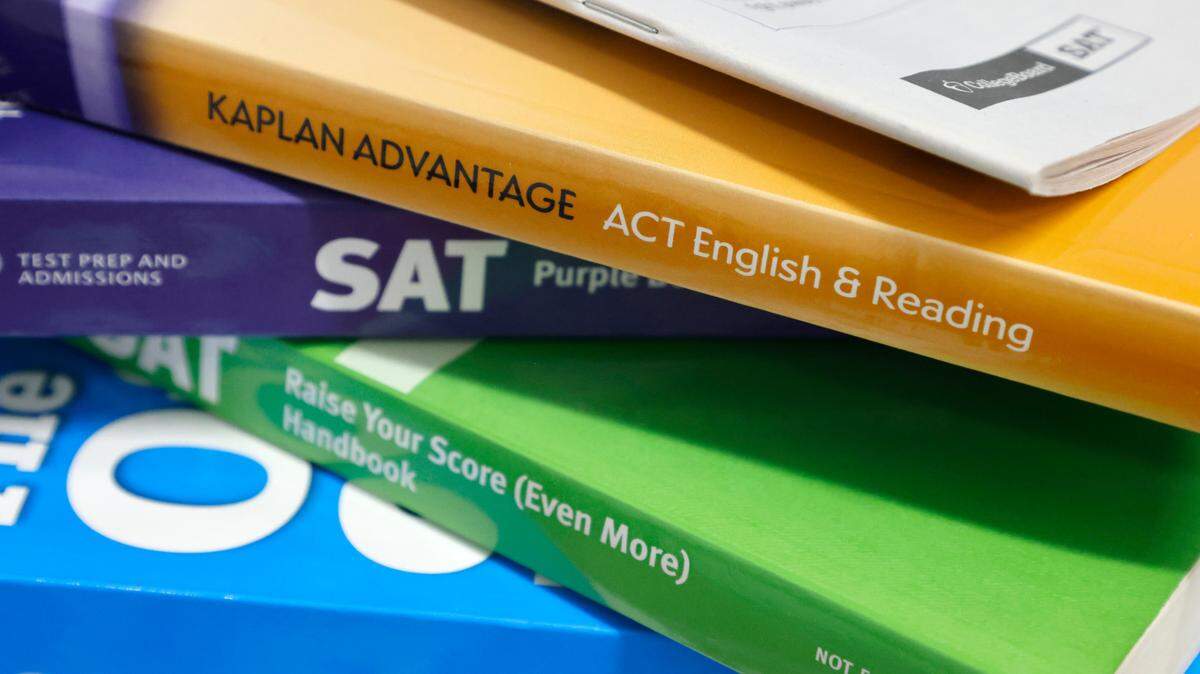
It’s not too early to start the next college application process. These things are key.
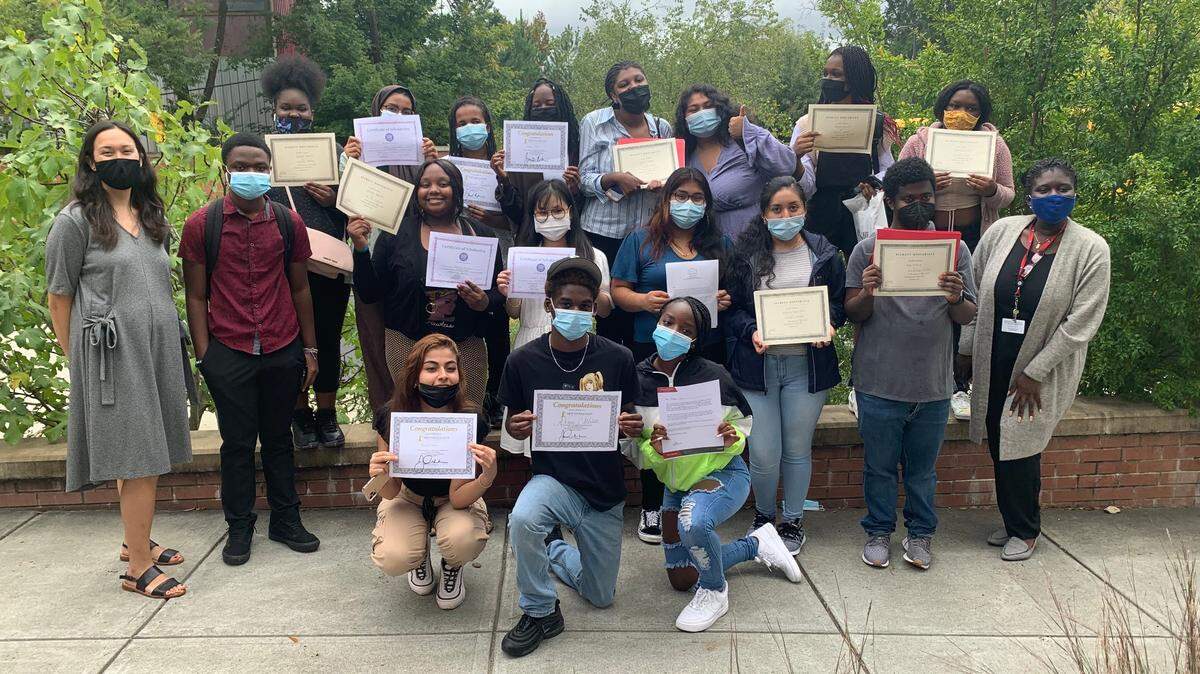
How these recent college graduates help high school students navigate what comes next
How do you write a great admissions essay? We asked Duke, UNC, NC State for tips
Seeking college scholarships? Here’s a list for NC students, plus tips for applying
Hundreds of thousands of students in North Carolina apply to colleges and universities each year, but many of them don’t have the support to help them navigate the complex process.
The College Advising Corps is working to fill that role by partnering with universities across the state to put recent college graduates in high schools to advise students on their options and help them through the college application process.
“Every year it gets more competitive,” college advisor Bryant Lewis said. “They put a lot of pressure on themselves, so it’s nice to be there to tell them to relax and give themselves time and space.”
Lewis graduated from Duke University in 2021, trained for this role over the summer and then started at Jordan High School in Durham last fall.
Even for students who can afford college, their families might not be well-versed in what it takes to get into college, he said. And for lower-income students, immigrants and homeless students, the advisors are especially valuable.
“You can really see the impact of your work firsthand,” Lewis said.
By the end of the year, they get to celebrate with students who have chosen what school they will attend, secured jobs they are about to start or are joining the military, he said.
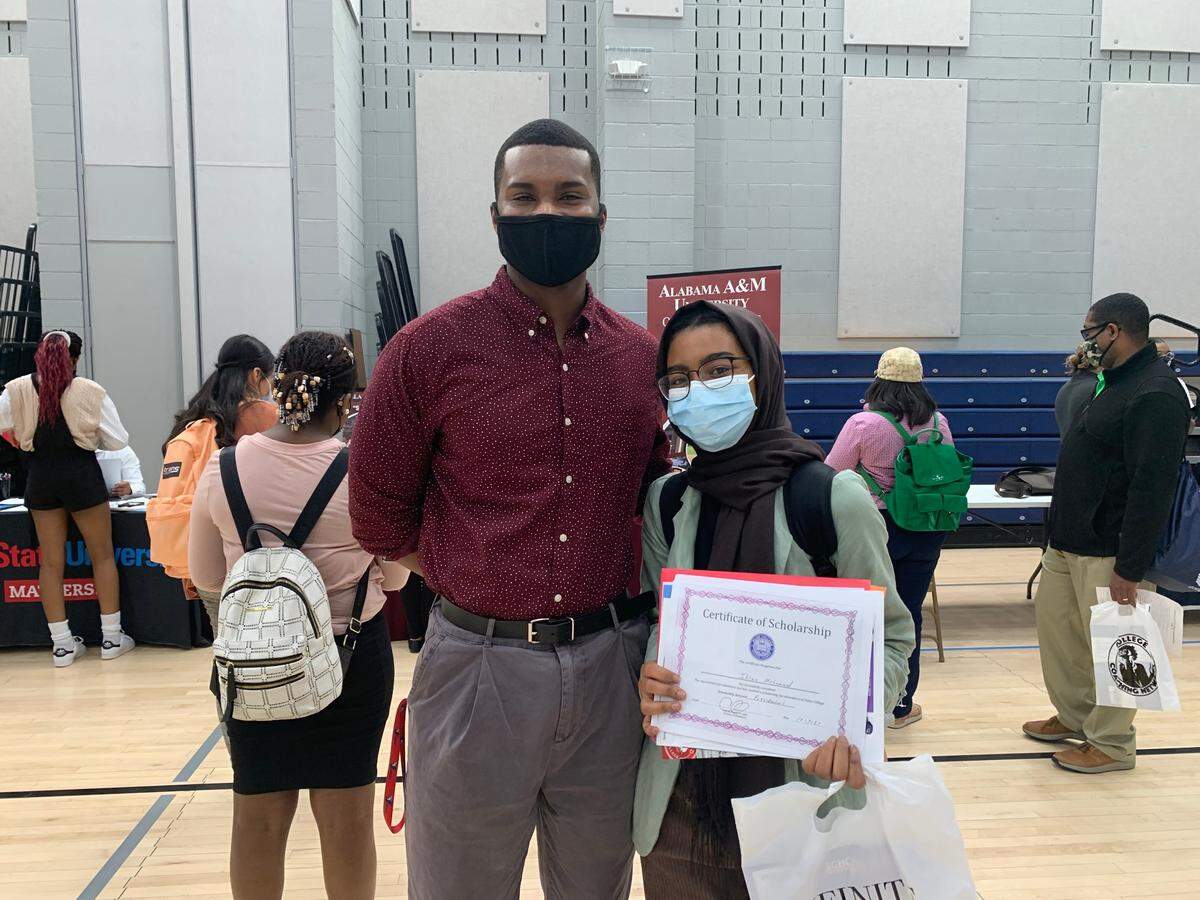
College is an option for all students
The national organization is based in Chapel Hill and works in North Carolina with Appalachian State University, UNC-Chapel Hill, Duke, N.C. State, UNC Wilmington and Davidson College. About 120 advisors serve more than 22,000 12th graders in 144 high schools in 80 counties across the state.
“We want to go where there’s the most need and where we can have the most impact,” said Katrina Thompson, College Advising Corps director for North Carolina.
From the lowest to highest GPA, “we will make sure that every student understands that they have options,” she said.
The advisors work in schools in underserved communities to help juniors and seniors complete their applications by the deadlines, fill out FAFSA financial aid and North Carolina residency determination forms, select campus housing and apply for scholarships. They also lead ACT test prep sessions and help students register for the SAT.
“The college adviser, being a recent undergraduate alum, means that they are not that far removed from their own college application process,” said Girija Mahajan, program director of the Duke College Advising Corps. “So they certainly relate to, you know, anxieties, stress, or even the excitement of deciding what you want to do after high school.”
The advisors focus on serving students in rural areas, from low-income backgrounds or are the first ones in their family to attend college.
Their help isn’t just targeted to 4-year universities or 2-year colleges. They also answer questions about military or career pathways.
“We have a lot of very bright students who get into very good universities but when it comes to financial aid and scholarships it doesn’t always make that possible,” Bryant said.
He and other advisers talk students through those decisions, and often encourage them to consider going to community college first.
The group offers its services to high schools for free and is funded through the national AmeriCorps program and philanthropy.
Addressing the counselor shortage
Nationally, the student-to-counselor ratio is about 482-to-1, according to the College Advising Corps. That leaves students with as little as 20 minutes a year with a counselor to discuss their college and career options after high school.
Plus, school counseling departments and student support offices are being called on to do more administrative work and provide more social, emotional and behavioral interventions, Mahajan said.
“Having an individual on campus to understand the very technical components of the college admissions process is really critical to helping students with their postsecondary planning,” Mahajan said.
The advisers enhance the services of school counselors, but don’t try to replace the work that they do.
The College Advising Corps is currently looking to expand its presence to deepen its impact in the areas it already serves with more advisors.
But the organization is also aiming to provide at least one adviser in every county in North Carolina by 2024.
This story was originally published May 22, 2022 at 6:00 AM.