We asked Triangle people to name 5 books everyone should read. Here are their lists.
READ MORE
A Need to Read
Is it ever appropriate for kids to read controversial books? In North Carolina during the past year alone, books have been challenged around common themes: depictions or discussions of straight or gay sex; rape and other violence; transgenderism; racially sensitive subjects, including historical events; and profanity. But other people are backing these books about to be banned and the subsequent battleground is disturbing libraries. So we asked: What five books should everybody read?
Expand All
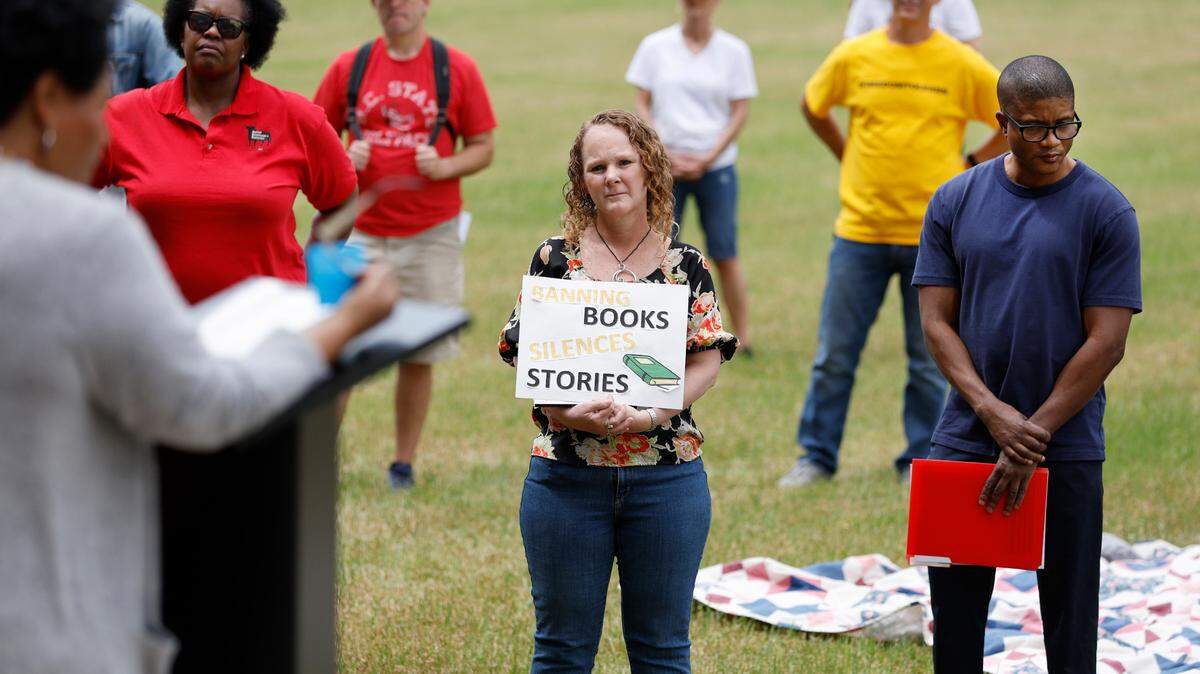
Books can enlighten, entertain, educate — and divide. Is common ground possible in NC?
We asked Triangle people to name 5 books everyone should read. Here are their lists.
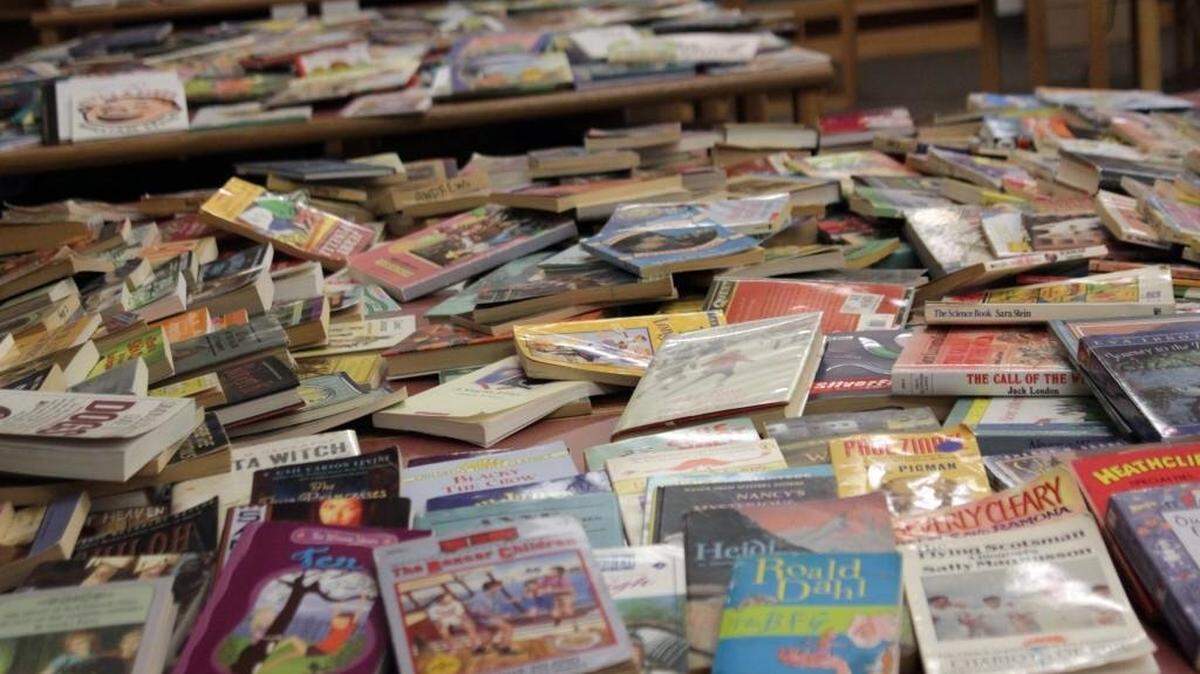
Which five books do you think everyone should read? Tell us in this poll.
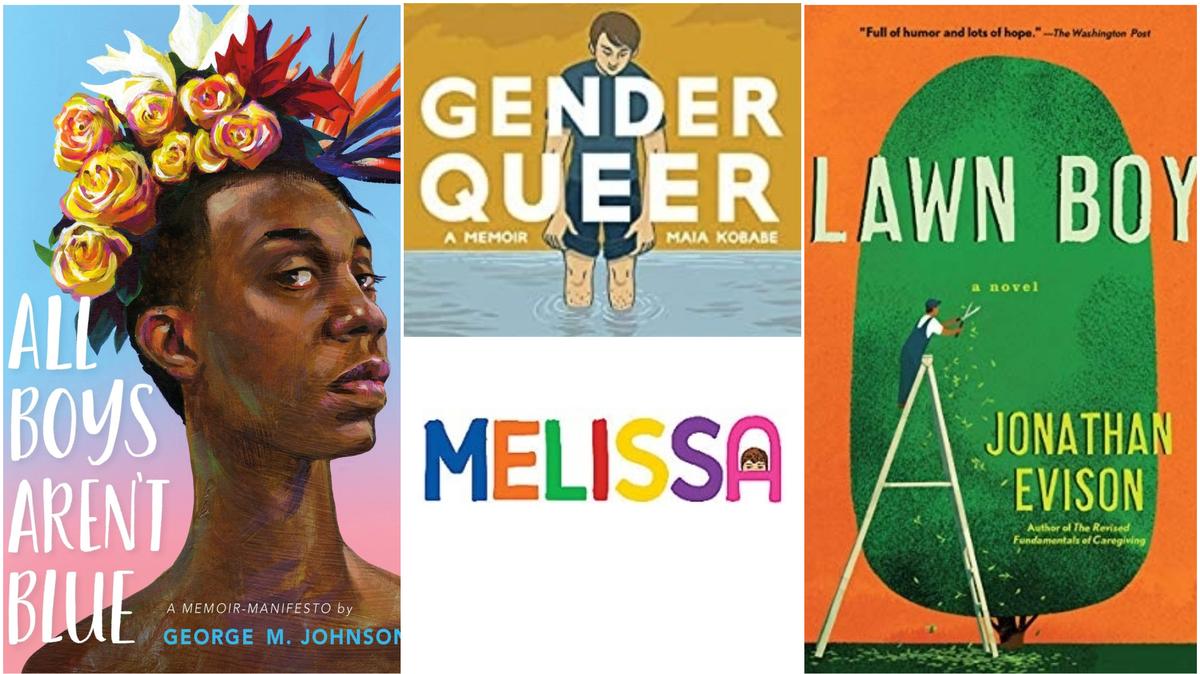
We read these books that some parents say shouldn’t be in school libraries. What we found
While parents and First-Amendment champions argue over whether some books should be kept out of the hands of young readers, they could be turning the pages on great stories that would carry them worlds away.
We asked a range of people across the region to submit a list of five books they wish everyone would read, with a word about why each one is significant.
No categories, no rules, no judgment.
Their submissions could include predictable choices, classics or titles they plucked from the giveaway box at the Friends of the Library sale. It’s worth noting that some of the books mentioned have been banned in the past.
Here are their recommendations, in no particular order.
Maj. Gen. (Ret.) Jim Trogdon
Former deputy adjutant general of the N.C. National Guard and former secretary of the N.C. Department of Transportation:
▪ “Personal Memoirs of Ulysses S. Grant” Experience and observations from (my opinion) one of the top five American generals in our nation’s history concerning the lead up to and events of the Civil War, his lessons learned, his resilience and its ultimate impact on our nation.
▪ “Eisenhower in War and Peace” by Jean Edward Smith. Lessons of leadership from (my opinion) one of the top two American generals in our history and a true strategic leader during and after World War II leading to one of the most significant periods of economic growth in our nation’s history.
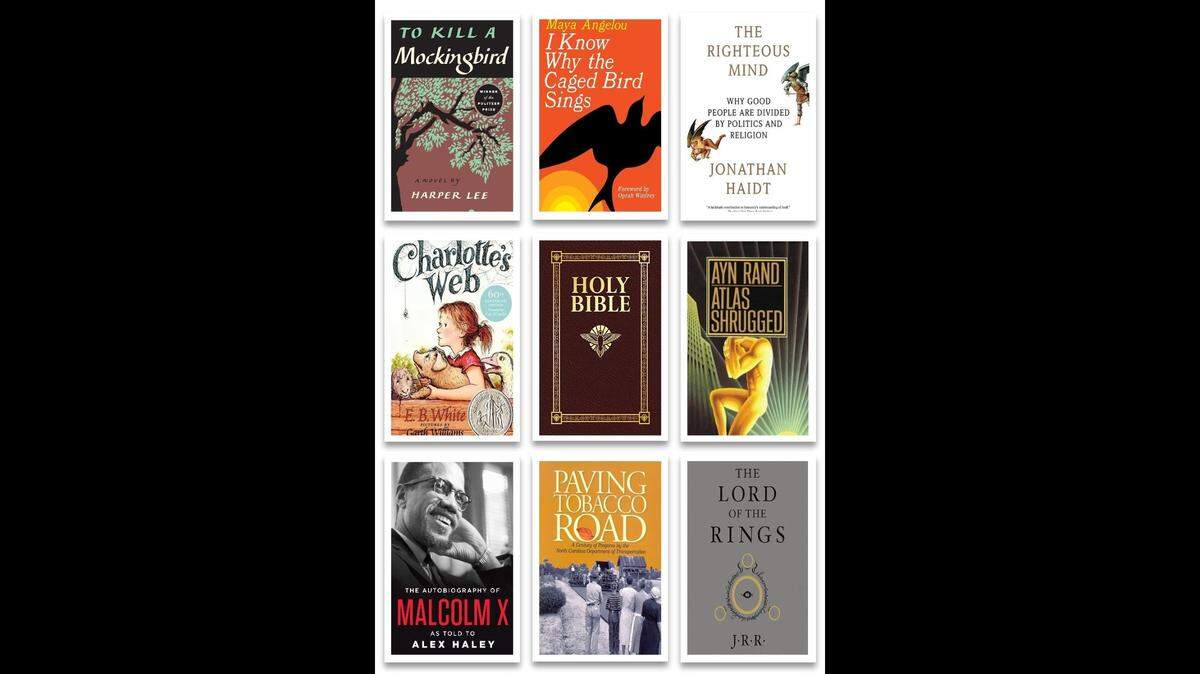
▪ “Paving Tobacco Road” by Walter R Turner. Describes some of the lesser-known individuals such as Frank Page and many others who led our state through a century of progress delivering a transportation system that continues to drive our state’s economy.
▪ “The Paradox of Tar Heel Politics” by Rob Christensen. During the 20th century, North Carolina grappled with two major challenges: how to move a poor isolated state into the national economic mainstream and how to transform a Southern state with segregationist roots into a better opportunity for all. After 27 years in state and local government, engineering construction missions in nearly two dozen countries and 13 months in Iraq, Rob’s book has convinced me the whole world is clannish.
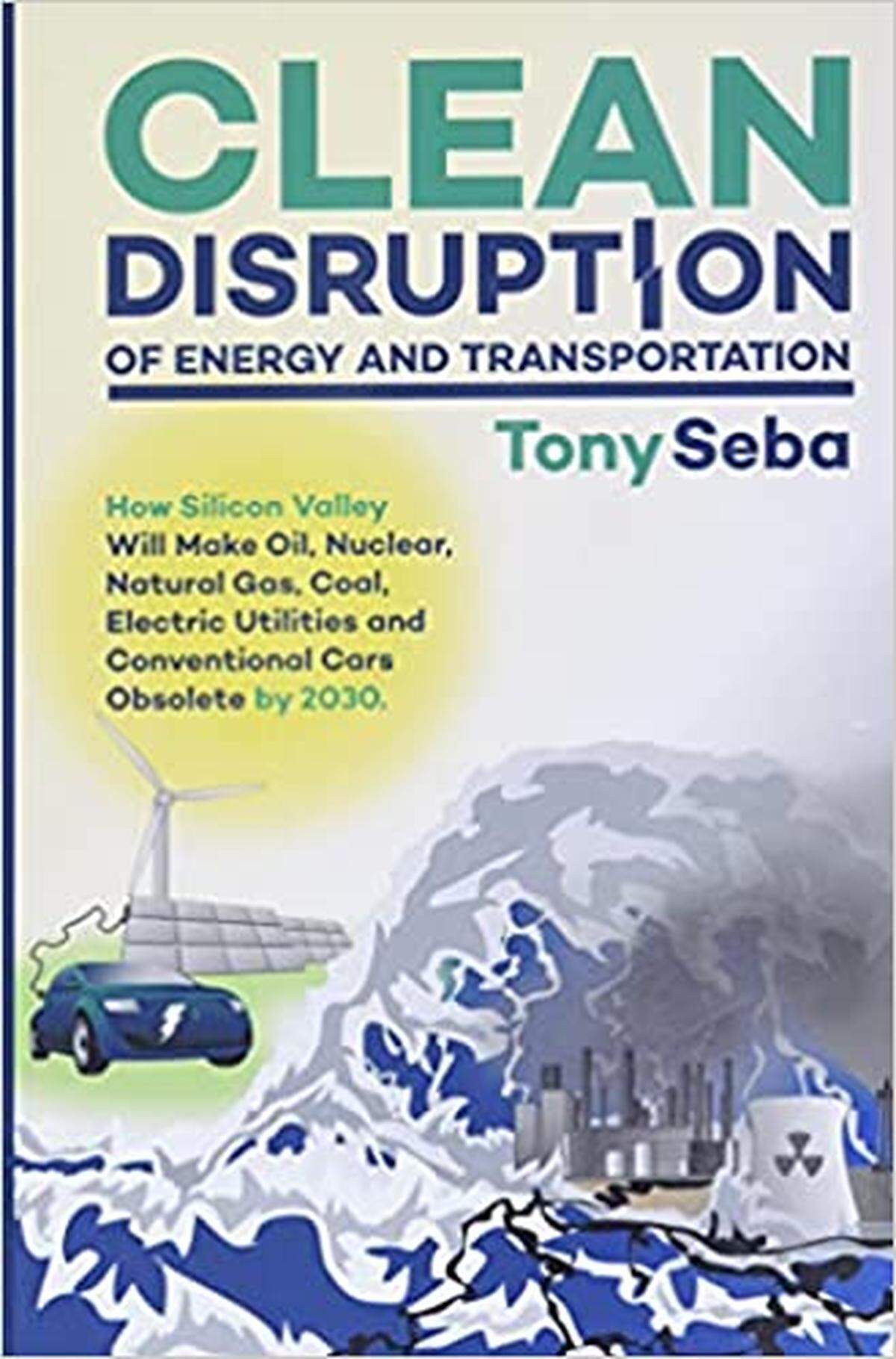
▪ “Clean Disruption of Energy and Transportation” by Tony Seba. We are on an irreversible and economically impactful path of autonomous and electric transportation even more significant than the move from horseback to motor vehicles. Neither a wise man nor a brave man will lie down in front of this oncoming future transportation (in an effort to resist) and wait to get run over.
Geeta N. Kapur
Civil rights attorney, activist, author.
▪ “To Drink from the Well: The Struggle for Racial Equality at the Nation’s Oldest Public University” by Geeta Kapur. Read this book to learn the truth behind UNC’s storied walkways and the picturesque Old Well and about North Carolina’s race problem and America’s race problem.
▪ “The New Jim Crow” by Michelle Alexander. Anyone who wonders why courtrooms in any American city or town are disproportionately filled with African American people needs to read this book, to understand how systemic racism plagues our criminal “justice” system.
▪ “The Third Reconstruction” by the Rev. Dr. William Barber. This book explains how grassroots organizing can fight back against partisan political propaganda.
▪ “Why We Can’t Wait” by the Rev. Martin Luther King Jr. To understand the remaining urgency of alleviating poverty and ensuring the words in the Constitution are true. He talks about you always hear that America is a merit-based society and you should just pull yourself up by your bootstraps but he says some people aren’t reading books.
▪ “The Bible.” Jesus, at least the Jesus I read about, was a proponent of social justice. I don’t know about the one these other people read about.
Becca Segal
2020 graduate of Cary Academy, where she was captain of the speech and debate team. Morehead-Cain Class of 2025, UNC.
▪ “The Overstory” by Richard Powers. I’ve never read something that made me feel so deeply connected to nature and humanity as a whole.
▪ “The Shipping News” by Annie Proulx. The beautiful story of a father and his children as they navigate the world around them. Emotionally challenging but very rewarding.
▪ “The Brief and Wondrous Life of Oscar Wao” by Junot Diaz. It’s easy to love and hate this protagonist, but I felt myself rooting for him and growing with him throughout the text.
▪ “The Seven Husbands of Evelyn Hugo” by Taylor Jenkins Reid. The powerful and nuanced female characters in this book make it well worth reading. Also, the love story is beautiful!
▪ “Half the Sky” by Nicholas Kristof and Sheryl WuDunn. Changed the way I think about global feminism and the progress of women around the world.
Daniel Akin
President, Southeastern Baptist Theological Seminary, where he is also a professor of preaching and theology.
▪ “The Bible.” It is God’s revelation of Himself and the story of human redemption through Jesus Christ.
▪ “Mere Christianity” by C.S. Lewis. It provides a compelling case for the truth of the essential basics of biblical Christianity.
▪ “The Pilgrim’s Progress” by John Bunyan. A magnificent allegory that recounts Christian’s journey of salvation from this world to the celestial city of heaven.
▪ “To the Golden Shore” by Courtney Anderson. It tells the moving story of two of the first American missionaries who served in Burma (Myanmar).
▪ “The Case for Christ” by Lee Strobel. It presents the overwhelming historical evidence that Jesus of Nazareth is the Son of God who truly rose from the dead.
Donald Bryson
President and CSO, John Locke Foundation.
▪ “The Autobiography of Malcolm X” by Alex Haley and Malcolm X. Self-described as “the angriest black man in America,” Malcolm X’s autobiography is a tale of hardship, redemption and the importance of self-reflection to understand our purpose in relation to humankind.
▪ “The Great Divorce” by C.S. Lewis. This allegory by Lewis is my favorite book and scrutinizes the opposing natures of good and evil, and from a Christian perspective, examines how grace interacts with them.
▪ “The Revolt of The Public and the Crisis of Authority in the New Millennium” by Martin Gurri. In this book, a former CIA analyst analyzes how the information boom of the digital age he calls “The Fifth Wave” has changed the balance of power from the political elites that have dominated societal institutions to the public, who have begun political revolts such as England’s Blackberry Riots and the Arab Spring.
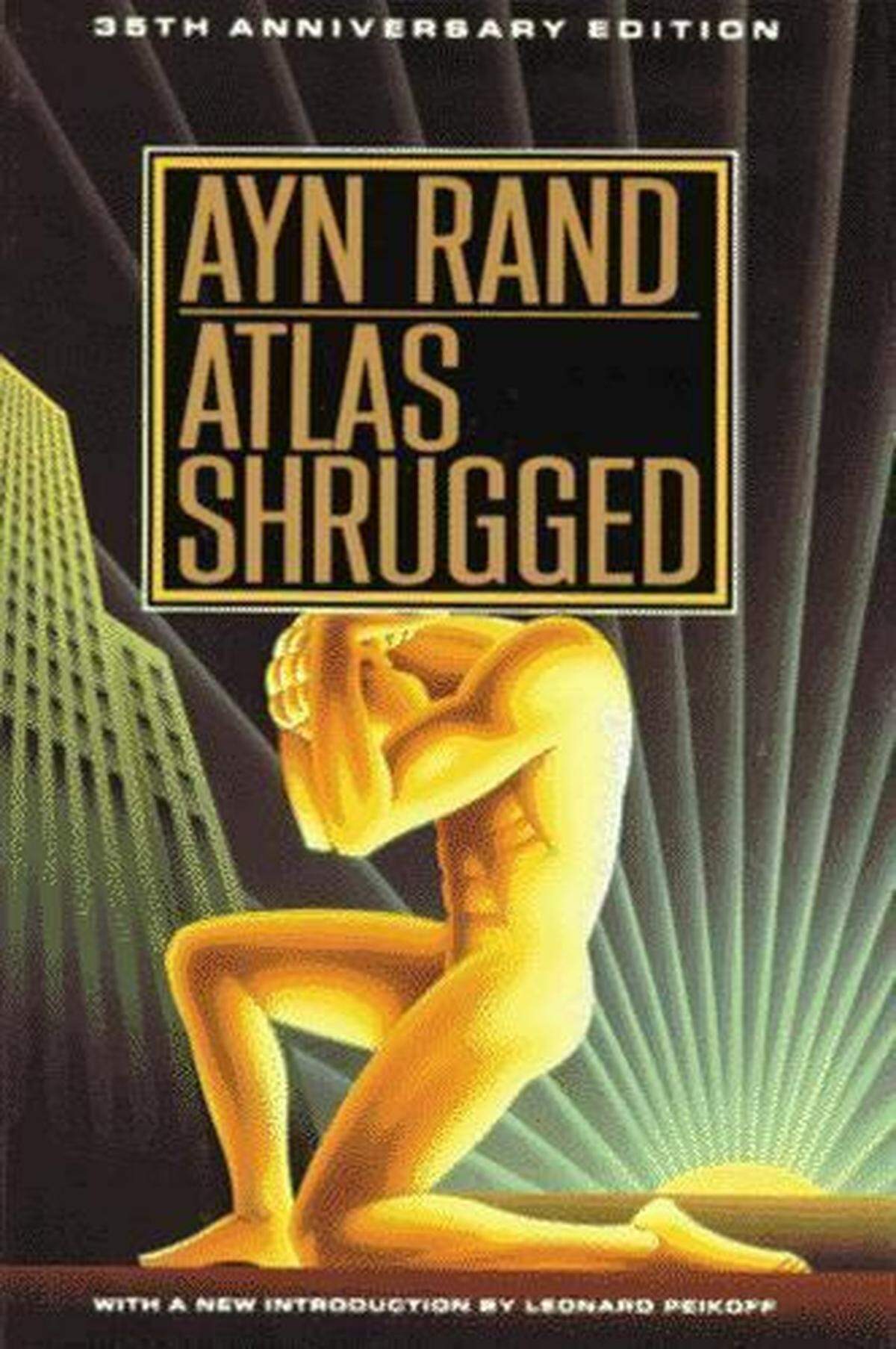
▪ “Atlas Shrugged” by Ayn Rand. This book’s heroine is my eldest daughter’s namesake, and it is a philosophical revolution on the virtues of rational thought, honesty, justice and individual rights as a means to advance society.
▪ “Nimitz” by E.B. Potter. This biography of the commander in chief of the Pacific Fleet in World War II gives an inside view of the dark days of that war, the principled leadership required to climb out of it, and life or death examples of organizational management to maximize effectiveness.
Katherine White
Deputy director, N.C. Museum of Art
▪ “Invisible Man” by Ralph Ellison. I first read and taught this book as a student teacher at East Chapel Hill High School, and I remember thinking immediately that it was probably the most artful and deliberate work of literature I would ever read. That has held true, and I learned more about the book, myself, and my students each time I taught it. Ellison’s use of allusion, imagery, music to tell this story of American history — one in which so many have felt invisible, have held no power and yet have loved and persevered and taken on a social responsibility to make the world around them better — is arguably the best fiction ever written.
▪ “Just Us: An American Conversation” by Claudia Rankine. This is a book about everyday life in America — how we engage while waiting in line, color our hair, speak to one another in passing, treat our students in public schools. And it invites us to recognize with ethos that we are all living in an American society that universalizes whiteness and we must see our whiteness and the privileges it brings us to understand with compassion the social death — “a there, but not there status” — in which we allow others to live all the time.
▪ “The Museum Lives in Me” by Victoria Scott-Miller. It is important to celebrate the talent in our own communities, and local author Victoria Scott-Miller and artist JP Jermaine Powell have created a meaningful and beautiful story about what it means for each of us to reflect and discover new parts of ourselves. This book is set at the North Carolina Museum of Art and celebrates personal connections with art, self-discovery and the power of relationships. I am excited for children to see themselves represented and enjoying a place I love, the NCMA.
▪ “Think Again” by Adam Grant. My nonfiction selections rotate between leadership, history and parenting, and Grant promotes curiosity and asking truly curious questions, which overlaps all areas of life. My favorite highlights: find disagreeable givers who challenge because they care; listening is a scarce and most precious gift — our attention; “best practice” implies one way of doing and an endpoint; focus on values and your beliefs can grow and evolve; and great teachers don’t introduce new thoughts, but new ways of thinking.
▪ “Zen Shorts” by Jon Muth. I discovered this book when I was a principal at Hilburn Academy and return to it again and again as a helpful reminder that we are all here to do as much good as possible for as many as possible. Stillwater, the protagonist, is a panda who befriends three siblings and selects a personalized “Zen short” to help each. The first reminds us we must give as much as we have to give, the second that good and bad can be tied closely together but there is always good, and the third that we must set aside our burdens and frustrations and carry on. It’s a good guide to life for readers of all ages.
Scott Lincicome
Director of general economics and trade for the Cato Institute.
▪ “Ten Global Trends Every Smart Person Should Know: And Many Others You Will Find Interesting” by Ronald Bailey and Marian L. Tupy. This beautiful, data-rich book from Ronald Bailey and Marian Tupy is an optimistic antidote to our age of incessant (and mostly wrongheaded) pessimism — and a great coffee table book, to boot.
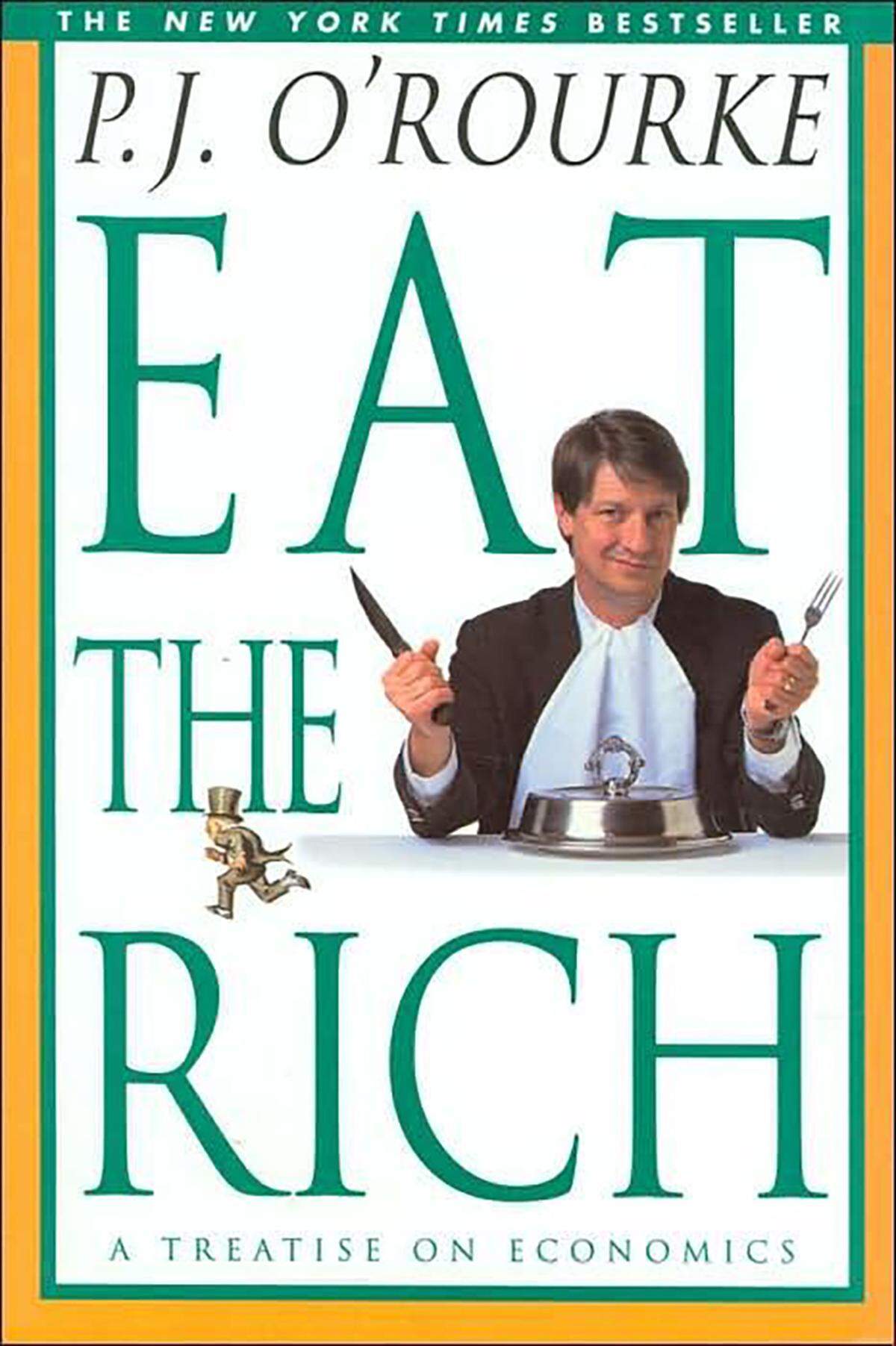
▪ “Eat the Rich: A Treatise on Economics” by P.J. O’Rourke. All of the books from the recently-deceased P.J. O’Rourke (RIP) are worth reading, but this one may well be the best and funniest take on economics and wealth that’s ever been written.
▪ “The Future and its Enemies: The Growing Conflict Over Creativity, Enterprise, and Progress” by Virginia Postrel. Virginia Postrel’s 1999 book provides a remarkably prescient look at the history of innovation and how our future political and cultural battles will be less about “left versus right” and more about “stasis versus dynamism.”
▪ “The Box: How the Shipping Container Made the World Smaller and the World Economy Bigger” by Marc Levinson. Marc Levinson’s epic history of the modest shipping container shows how technology, not policy (e.g., trade deals), has driven modern “globalization.”
▪ “Eats, Shoots & Leaves: The Zero Tolerance Approach to Punctuation” by Lynn Truss. Lynn Truss’s deep dive into punctuation is a delightful explanation of why proper grammar really matters.
Sean Higgins
Chief of interpretation and education, North Carolina State Parks.
▪ “A Sand County Almanac” by Aldo Leopold. I collect copies of this environmental classic and give them out liberally, as reading a random chapter reminds me to enjoy the ephemeral nature of all living things.
▪ “Room On the Broom” by Julia Donaldson. Inclusion is among our workplace focuses, and this elementary-agd picture book about a witch and a dragon is a fun and lyrical inclusion allegory.
▪ “Walden” by Henry David Thoreau. Thoreau’s experiment in self-reflection is my most life-altering book, and his apprehension about modern technology (the railroad) has modern-day parallels (smart phones).
▪ “A Light in the Attic” by Shel Silverstein. One of several timeless books of whimsical poems that is perfect to read around the campfire.
▪ “Holes” by Luis Sachar. There are many mini-lessons about friendship, bravery and predetermined expectations in this young adult fiction novel, but mostly it is just pure fun.
Wendy Runyon
Mother of three, party to December criminal complaint alleging the Wake County Public Schools was disseminating obscenity by making certain library books available for children.
▪ “The Book Thief” by Markus Zusak. Gives most unique perspective to a child’s point of view to the holocaust.
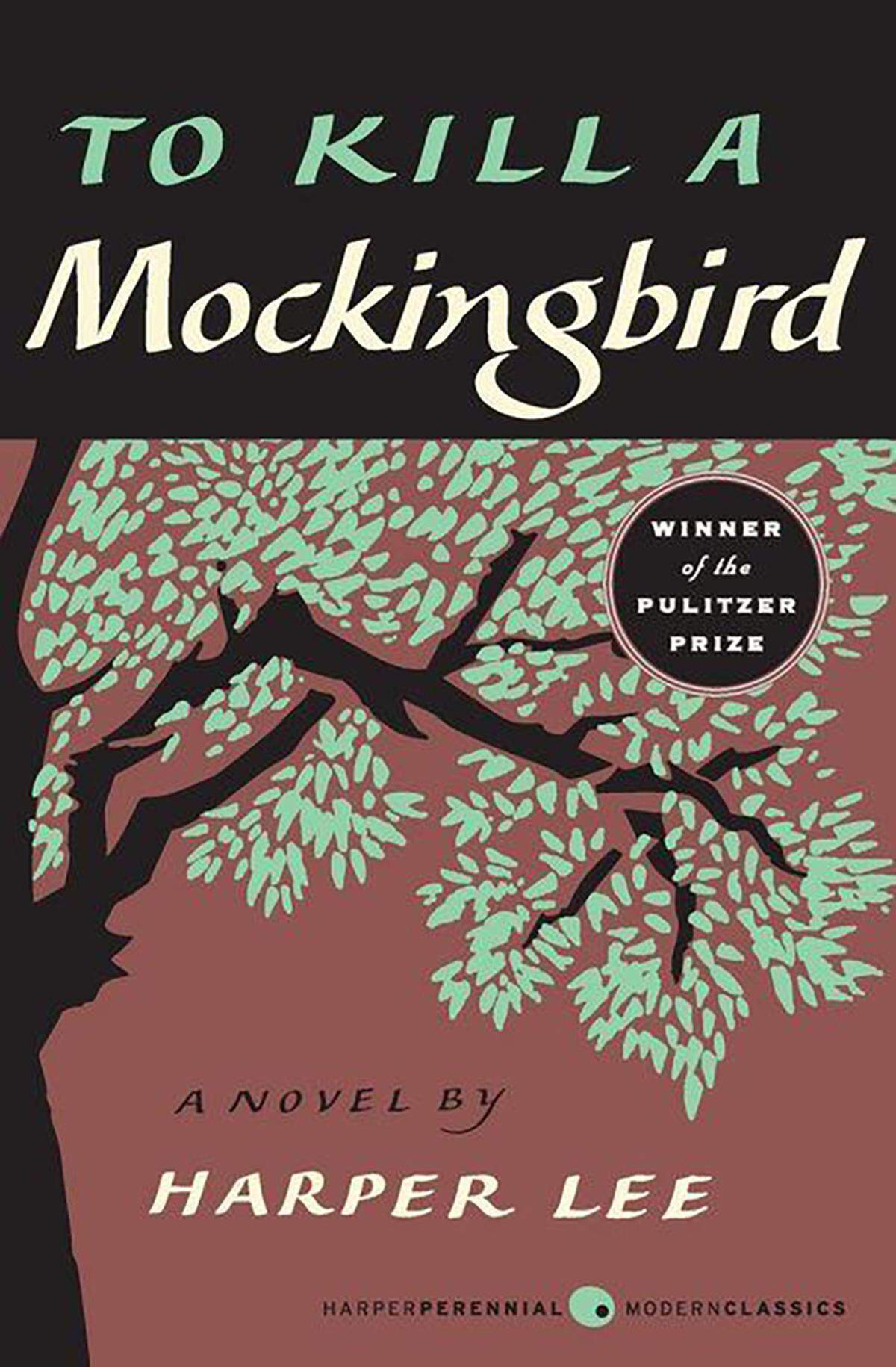
▪ “To Kill a Mockingbird” by Harper Lee. Talks about Jim Crow and the South.
▪ “The Bible.” Of course, because Jesus died for us.
▪ “Tuesdays with Morrie” by Mitch Albom. Good book about death and dying.
▪ “The Orphan Train” by Christina Baker Kline. A story about a lady and her experiences on the orphan train and foster homes and how people made an impact on her life.
Ira David Wood III
Actor, author, director, playwright and executive director of Theatre In The Park.
▪ “To Bless the Space Between Us” by John O’Donohue. This book reminds me to better recognize and celebrate the blessings that have graced, are gracing and will grace my life’s journey.
▪ “Look Homeward Angel” by Thomas Wolfe. A challenging read, this coming-of-age story haunts me. At least once a month, I take it from the shelf and re-read the last few pages. My writer’s prayer is that I will someday be able to put a verb behind a noun like Wolfe has managed to do.
▪ “The Glory and the Dream” by William Manchester. I carry this captivating book with me whenever I travel. It’s about he history of the United States between 1932 and 1972. I learn something new every time I open it.
▪ “The Power of Now: A Guide to Spiritual Enlightenment” by Eckhart Tolle. A groundbreaking book that will revolutionize how you experience life.
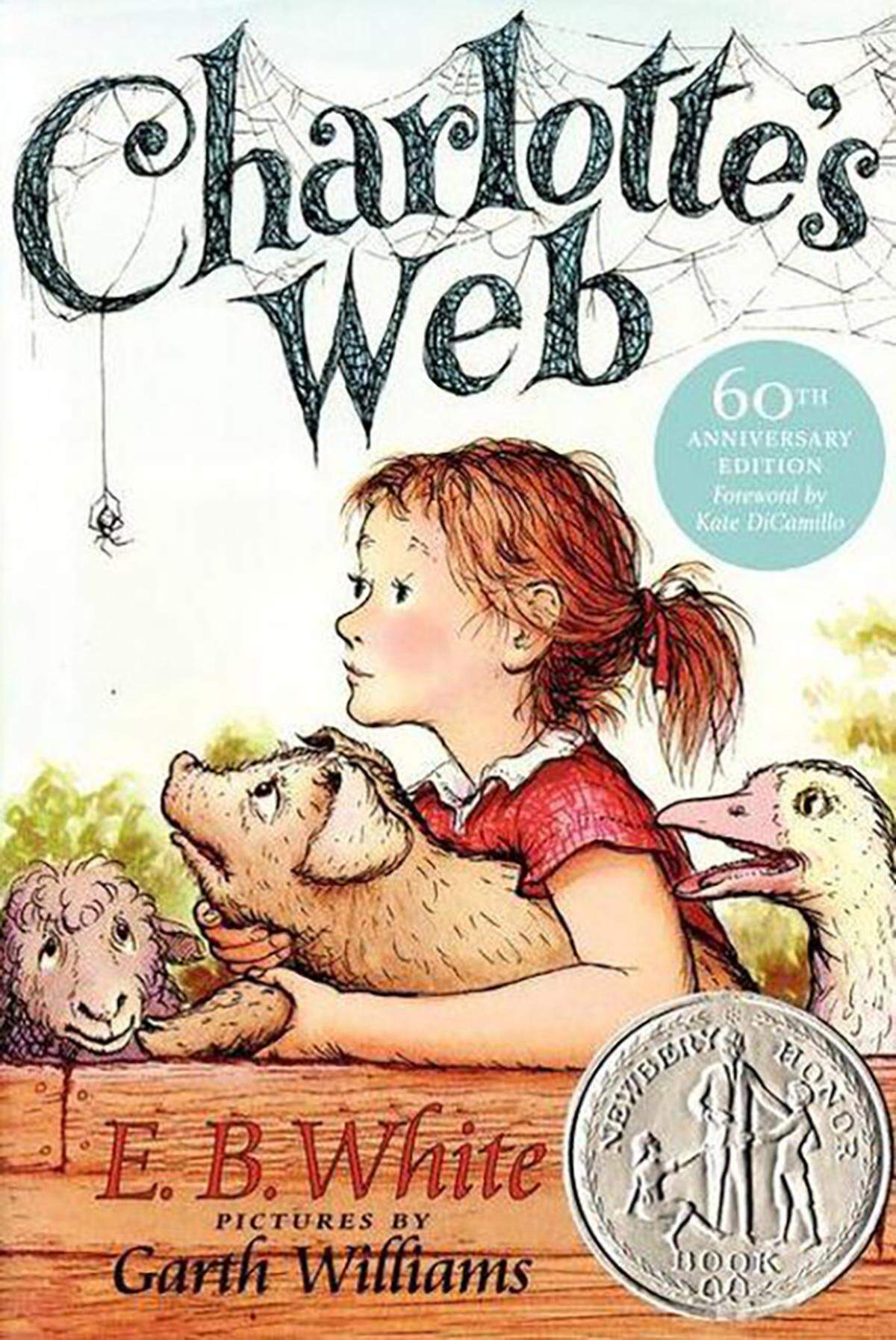
▪ “Charlotte’s Web” by E.B. White. A story of enduring friendship and the gift of kindness that I never tire of re-reading.
Kerwin Pittman
Social justice activist, founder and executive director of Recidivism Reduction Educational Program Services, NC Taskforce For Racial Equity In Criminal Justice.
▪ “The Alchemist” by Paulo Coelho. This book is filled with esoteric wisdom and speaks to an important fact of life. Which is everything that happens in life is to prepare you for what’s to come.
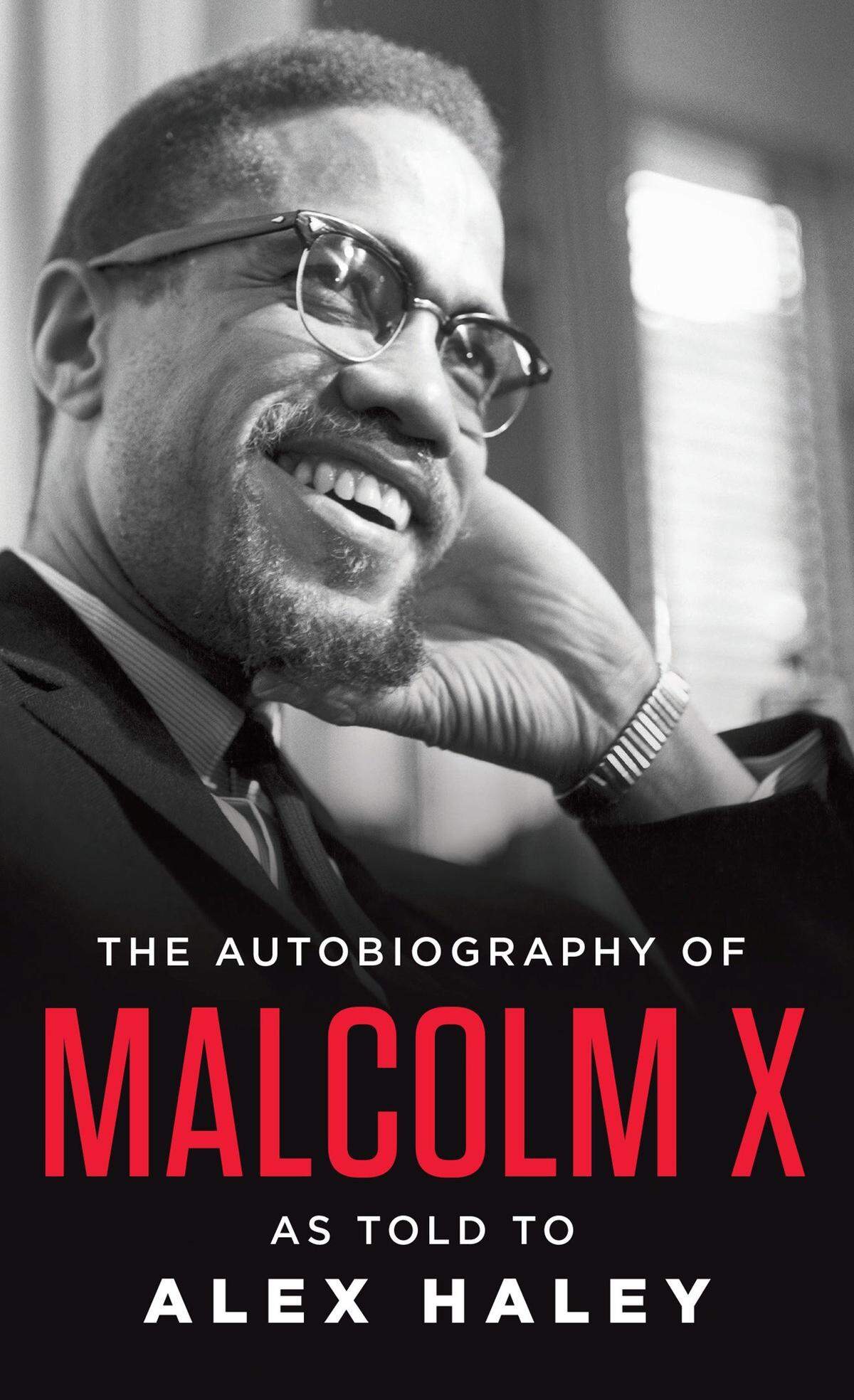
▪ “The Autobiography of Malcolm X” by Alex Haley. This book opened my eyes to redemption and showed me how to embody the meaning of “you define you regardless of what others think.”
▪ “Blue Rage, Black Redemption” by Stanley Tookie Williams. This book inspired and empowered me beyond the street life. A book that proves there’s no such thing as a reprobate mind.
▪ “African Religion Vol. 3 Memphite Theology” by Muata Ashby. This book opened my mind to a higher concept of life and beyond. A book that requires mastery of oneself and discipline to understand.
▪ “The 48 Laws of Power ‘‘ by Robert Greene. This book taught me we must look to the past to know how to best lead the future. A book that demonstrates there’s nothing new under the sun when it comes to obtaining power.
N.C. Gov. Roy Cooper
▪ “The Language of God: A Scientist Presents Evidence for Belief” by Dr. Francis S. Collinsa. For people of faith exploring how science aligns with their beliefs, Dr. Collins, a UNC School of Medicine graduate, leads readers through his work mapping the human genome.
▪ “Between the Creeks: My Sapony Adventures” by Roy A. Cooper Jr. My dad shares short stories about family, determination and nature while growing up on the farm in Eastern North Carolina during the Depression.
▪ “The Lord of the Rings” by J.R.R. Tolkien. Goal-oriented action, never-give-up attitude, success against the odds, defeat of temptation, good over evil, fierce loyalty, the promise of immortality —what’s not to love?
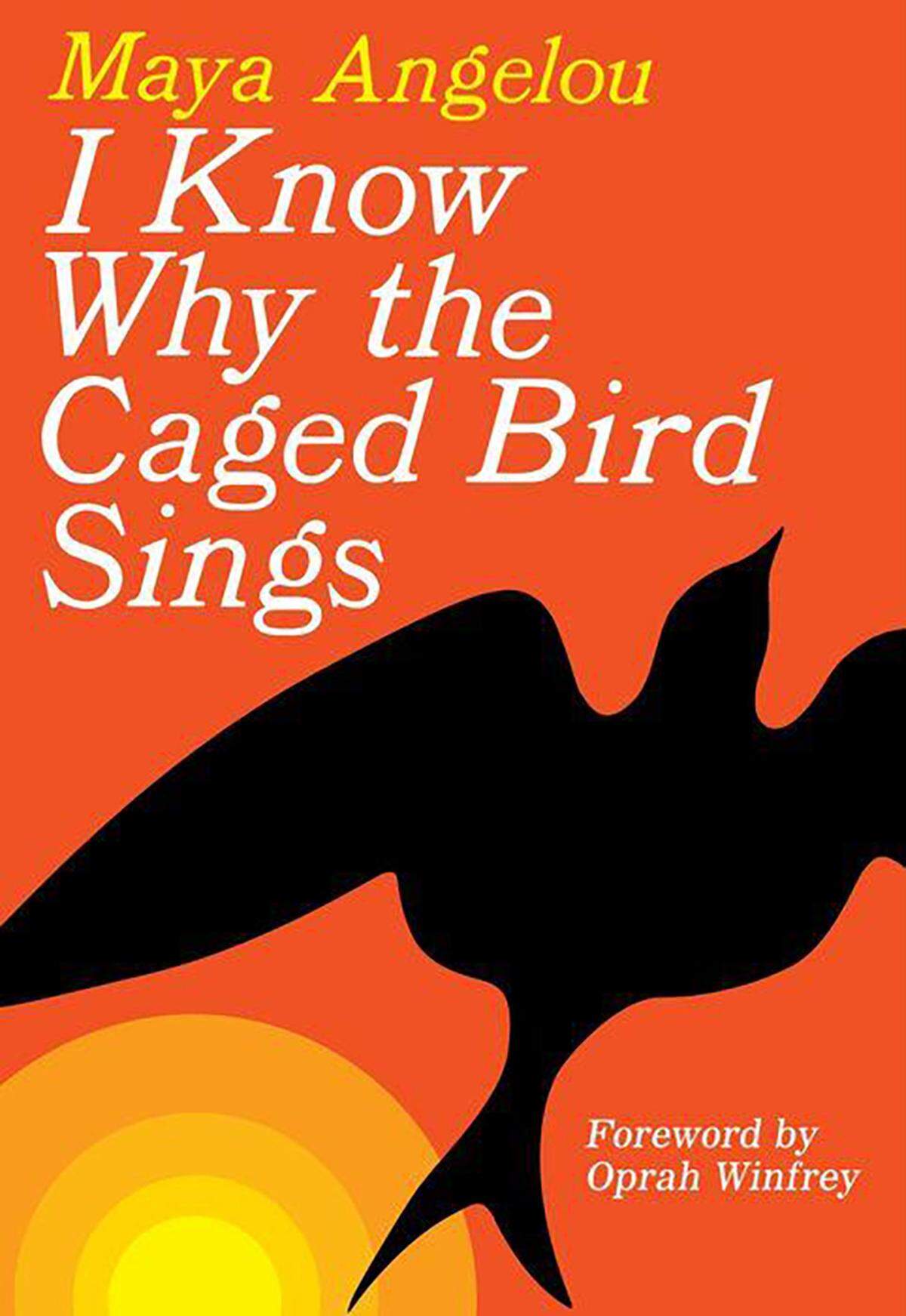
▪ “I Know Why the Caged Bird Sings” by Maya Angelou. If anyone doubts the power of poetry and literature, Maya, who lived much of her later years in North Carolina, convinces us as she writes about growing up with racism, abuse, violence and loneliness.
▪ “The Righteous Mind: Why Good People are Divided by Politics and Religion” by Jonathan Haidt. Even though Americans seem further divided in the decade since this book was published, this unusual and profound exploration about why people think and believe the way they do can be important to a functional government.
▪ The Grapes of Wrath (Steinbeck)
▪ To Kill a Mockingbird (Lee)
▪ “The Federalist Papers,” essays to promote the ratification of the U.S. Constitution.
▪ “Profiles in Courage” by John F. Kennedy
▪ “1984” by George Orwell
This story was originally published May 18, 2022 at 6:00 AM with the headline "We asked Triangle people to name 5 books everyone should read. Here are their lists.."