Wake schools ready to put new equity policy into practice. Critics say it’s ‘toxic.’
The Wake County school system is trying to put its new equity policy into practice amid ongoing criticism from conservatives who say it’s part of an effort to indoctrinate students.
In November, the school board adopted an equity policy that calls for addressing disparities, reflecting on biases and recognizing the voices of marginalized groups. Now the district’s Office of Equity Affairs is leading an effort to “operationalize” the policy, including working on a Diversity, Equity and Inclusion (DEI) Assessment that will give guidance to schools.
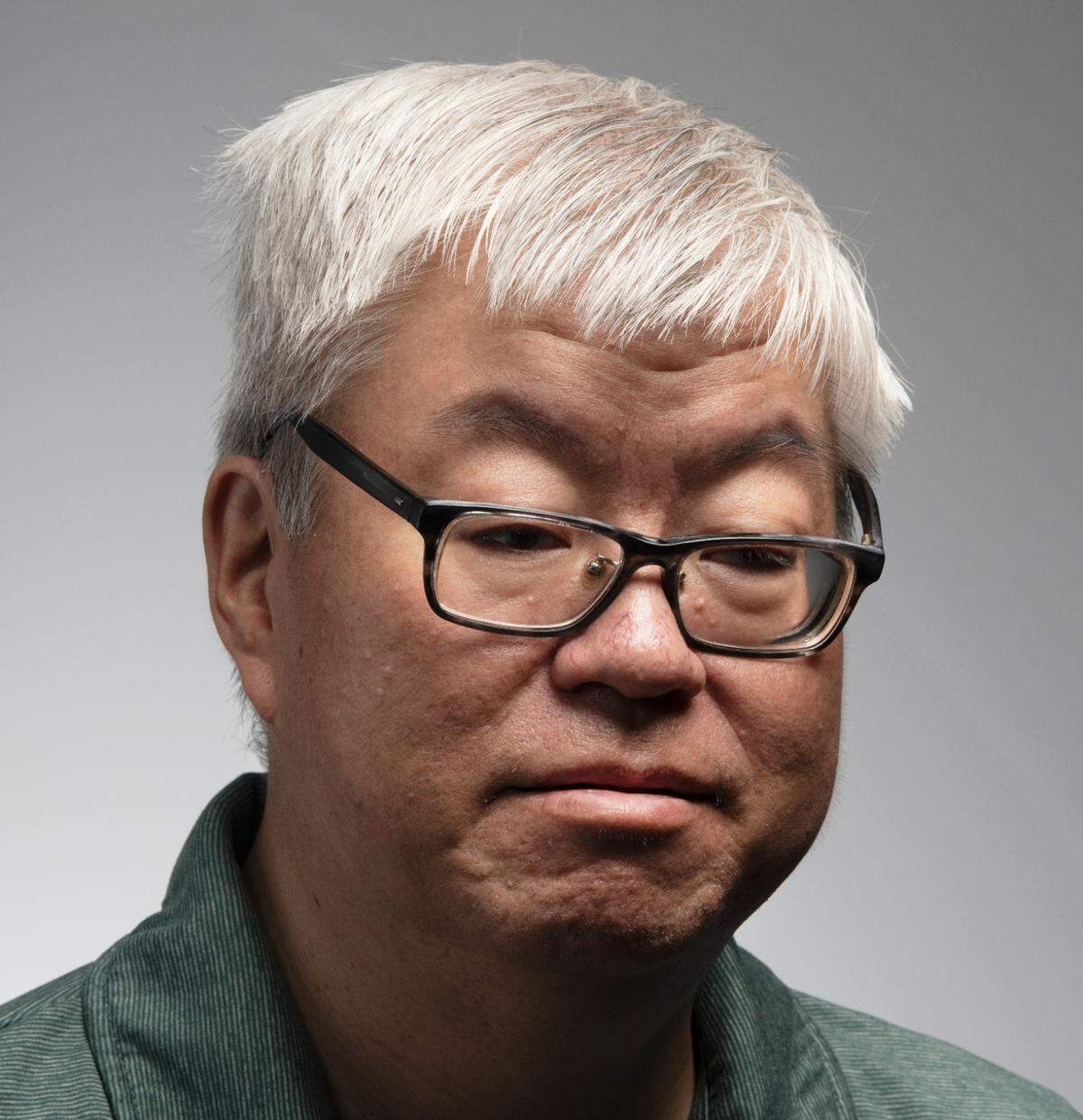
“You took an amazing step forward in passing policy 1150 (equity policy),” Will Chavis, assistant superintendent of equity affairs, said at Wednesday’s school board student achievement community meeting. “That in and of itself, if that’s all we do, doesn’t necessarily make us more just and a more equitable organization. It requires much action.”
The exact actions that Chavis said will be required haven’t been determined yet. But he told board members that his office wants to have something to share with schools by the start of the 2023-24 school year.
But some speakers have regularly shown up at school board meetings to urge the school board to defund the Office of Equity Affairs.
“Use the money from that ill-conceived effort to supplement teacher pay, classroom supplies and school security,” Julie Page, the head of the Wake County chapter of Moms 4 Liberty, said at this week’s school board meeting. “Use it to fund students and not social programs.”
‘Applying an equity lens’
The new policy defines equity as “the elimination of predictability and disproportionality of outcomes based on student characteristics.”
Examples of student characteristics are race, ethnicity, socioeconomic status, language of origin, disability, sex, gender identity and sexual orientation.
The policy calls for “applying an equity lens,” which means asking teachers and other school employees to reflect on whether any of their practices and biases negatively impact students.
School employees are asked in the policy to reflect on how they can “interrupt inequity” and in what ways do they “affirm” the “lived experiences, culture and identities” of students.
Equity efforts are already under way in some Wake schools.
Members of the student equity team at Sanderson High School in Raleigh shared with school board members on Wednesday how they think their efforts are helping to confront implicit biases.
“It’s kind of our way to affect the culture of our student body and trying to reach out to students to get them involved,” said Aaron Ng, a Sanderson High senior.
‘Welcoming and nurturing environment’
The equity policy says Wake will take steps such as:
▪ “Identify and provide high quality instructional materials and methods that represent the rich diversity of our nation, respect the legitimacy of different cultures, and empower students to value diverse perspectives.”
▪ ”Recruit and retain racially and linguistically diverse and culturally competent administrative, instructional, and support personnel.”
▪ ”Eliminate practices that lead to the over- or under-representation of any student group compared to peers in areas such as special education, student discipline, academically or intellectually gifted programs, advanced coursework, and Advanced Placement courses.”
Chavis said principals consider the equity policy to be aspirational but want to know what the next steps will be to put it into practice. But even now, Chavis said the policy is causing schools to ask the questions about how they can center on helping students.
“When we look at the commitments of the equity policy, it’s about creating a welcoming and nurturing environment for all students,” Chavis said. “A student can’t learn if they don’t feel like they are invested or involved or feel like they belong in the space of learning, teaching and learning. So how might we start to do that?”
Is equity ‘toxic?’
The issue of equity has become part of the ongoing national school culture wars. Critics say equity is part of efforts to promote Critical Race Theory, which holds that racism has been a systemic part of the nation’s history that still influences society today.
“Diversity, equity and inclusion is toxic,” Jessica Lewis, a parent, said at this week’s school board meeting. “DEI attacks the integrity of academic goals. DEI is failing our students.”
The Rev. John Amanchukwu charged that “equity is the transmission of a disease called communism.”
“Equity lowers the bar, overlooks merit and puts the focus on skin tone only,” Amanchukwu told the board in March. “Equity is legalized theft because It takes from the productive person and gives to the unproductive person.”
But Chavis, the head of Wake’s equity office, disputed the idea that equity doesn’t help all students.
“It’s not a zero-sum game,” Chavis told the school board. “It’s not a finite pie. It’s where we all benefit from this work.”
This story was originally published April 14, 2023 at 7:00 AM.