After upheaval, Durham school board decides how much staff will be paid. What to know
READ MORE
Durham Public Schools Salary Dispute
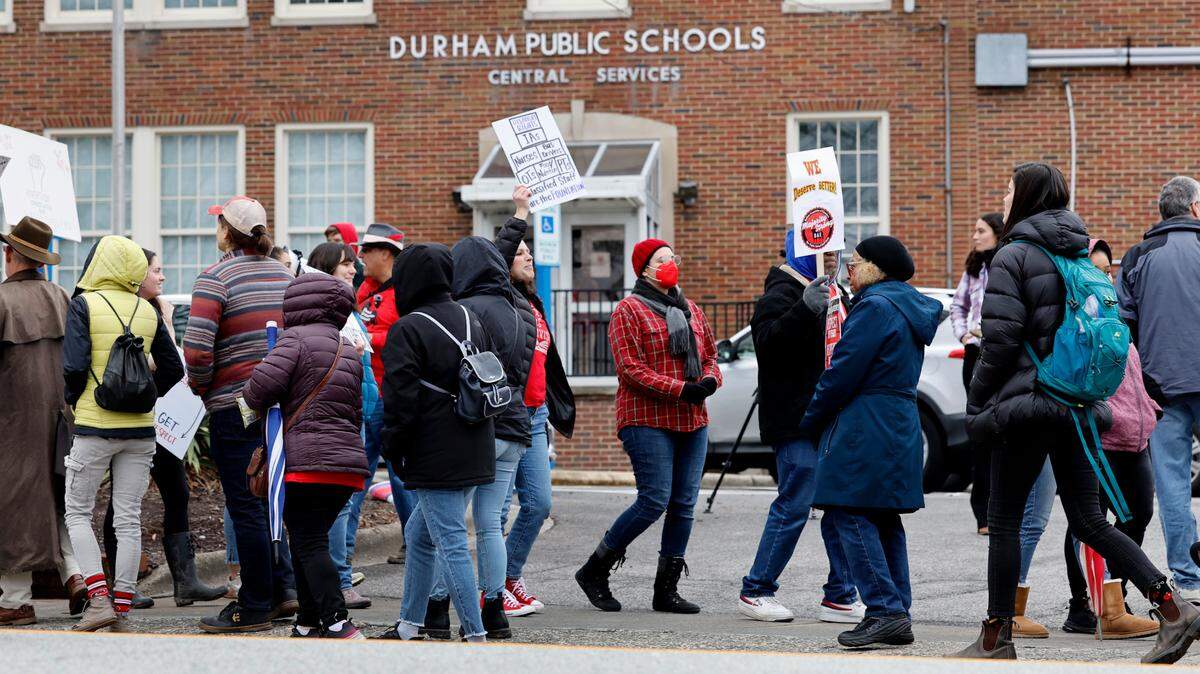
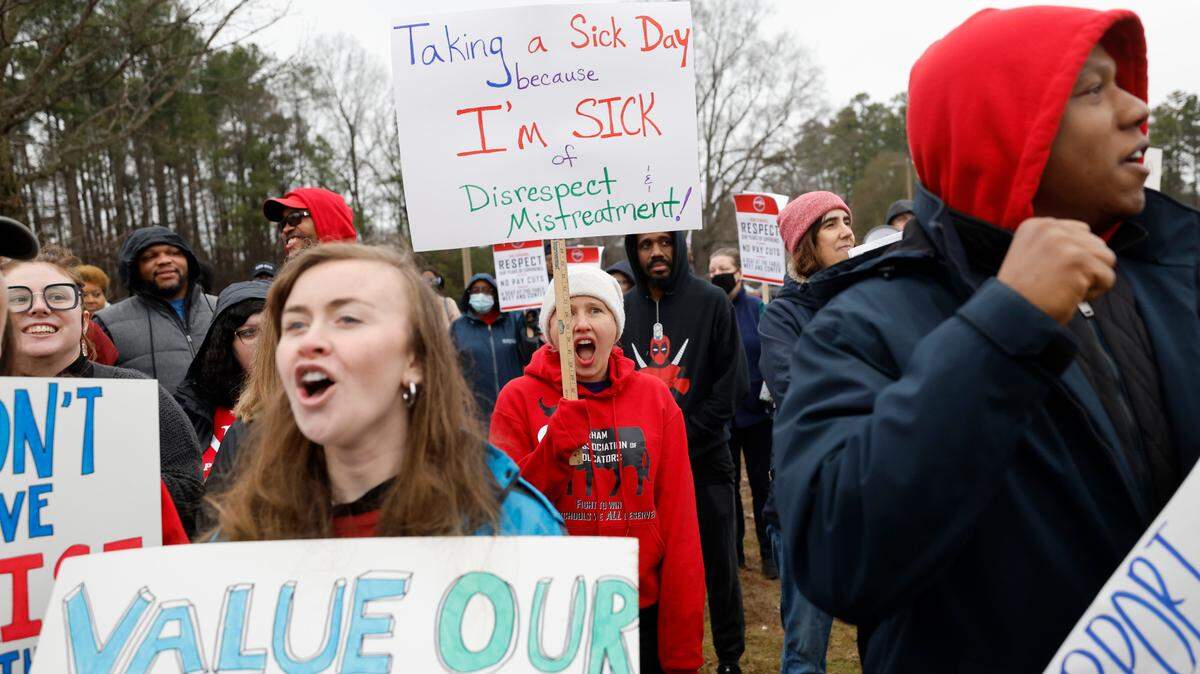
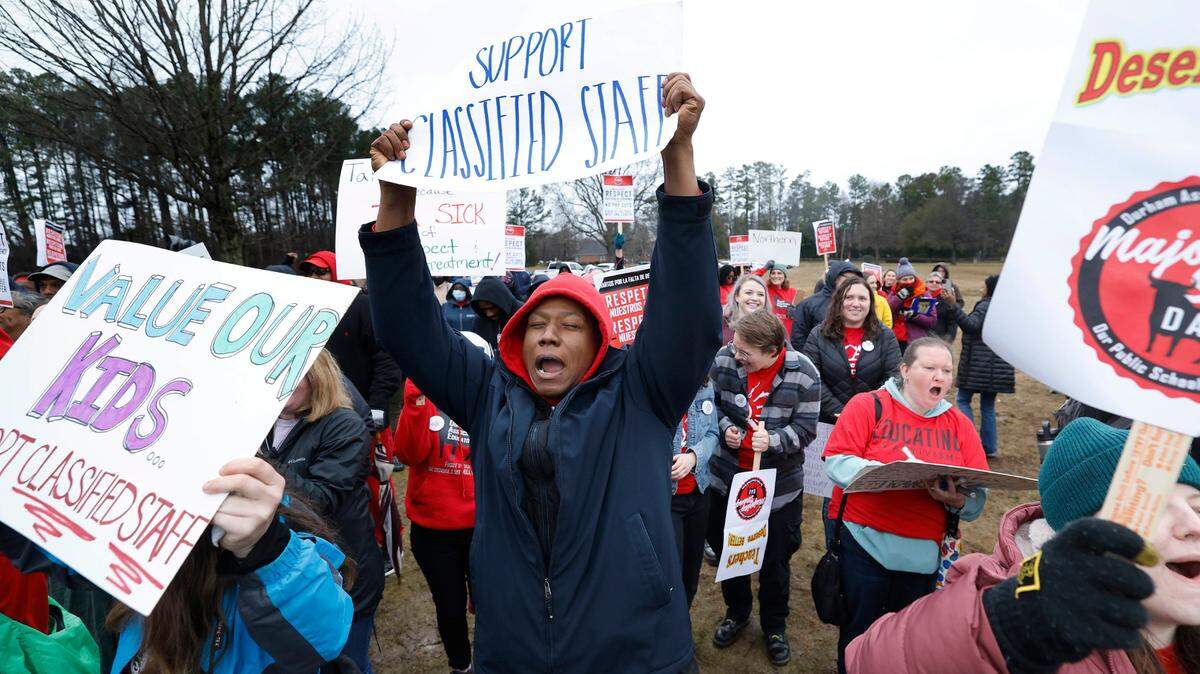
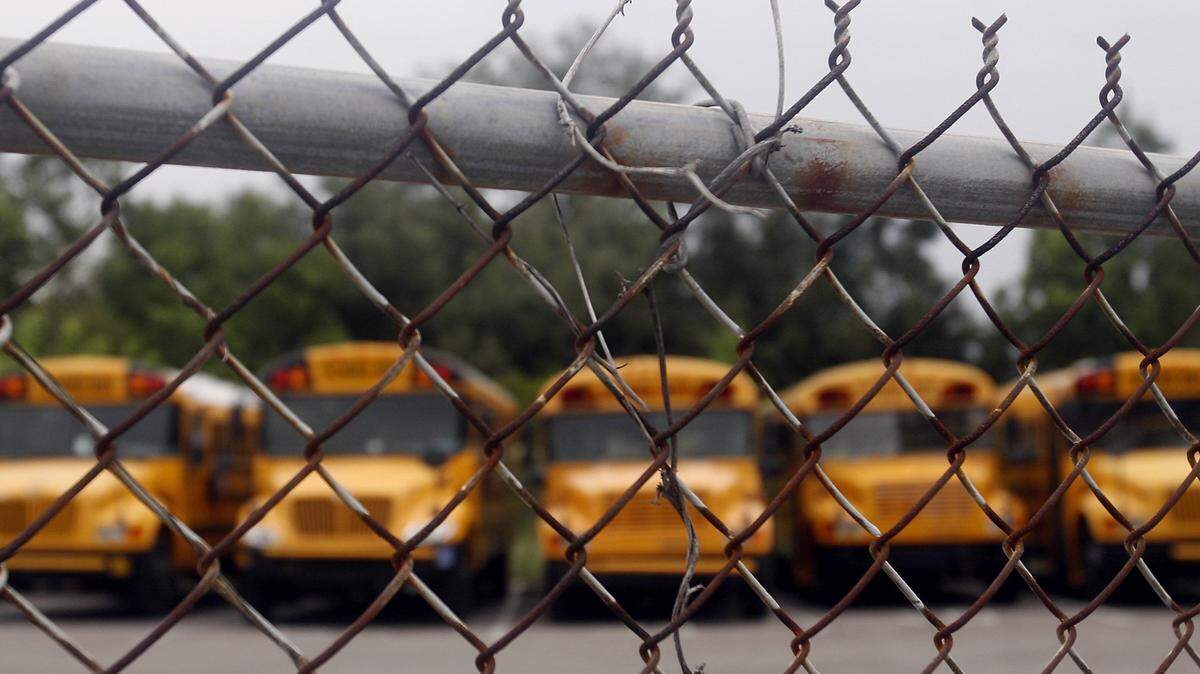
Budget problems in Durham Public Schools have caused disruptions, including halted bus routes and schools closings as staff members call in sick to protest. The protests come as the school district reported it had budgeted incorrectly and could not pay raises for 1,300 classified staff members, including bus mechanics, cafeteria workers and physical therapists. Here is ongoing coverage from The News & Observer.
Expand All
Durham Public Schools will stop paying last year’s promised raises at the end of this month and instead give 11% raises to 1,875 classified staff members for the rest of the school year.
The Board of Education debated for hours before making the decision in a 5-2 vote around 10:45 p.m. Thursday. Vice Chair Emily Chávez and Alexandra Valladares voted against the plan.
The raises will be based on last year’s salaries.
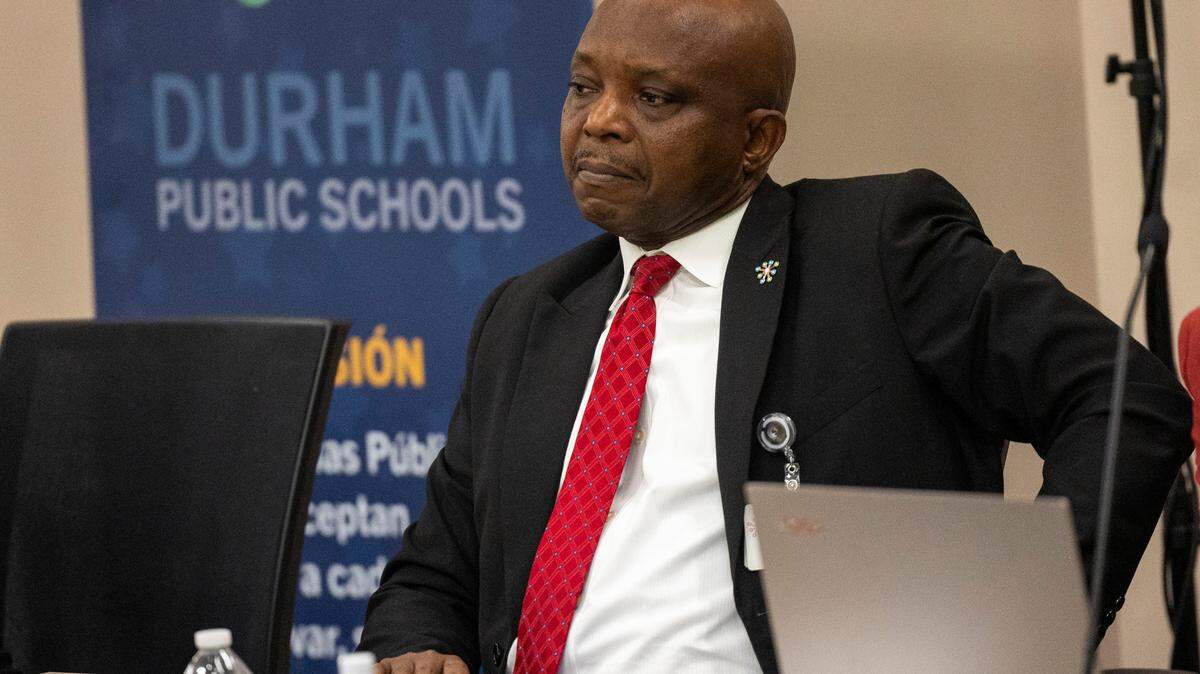
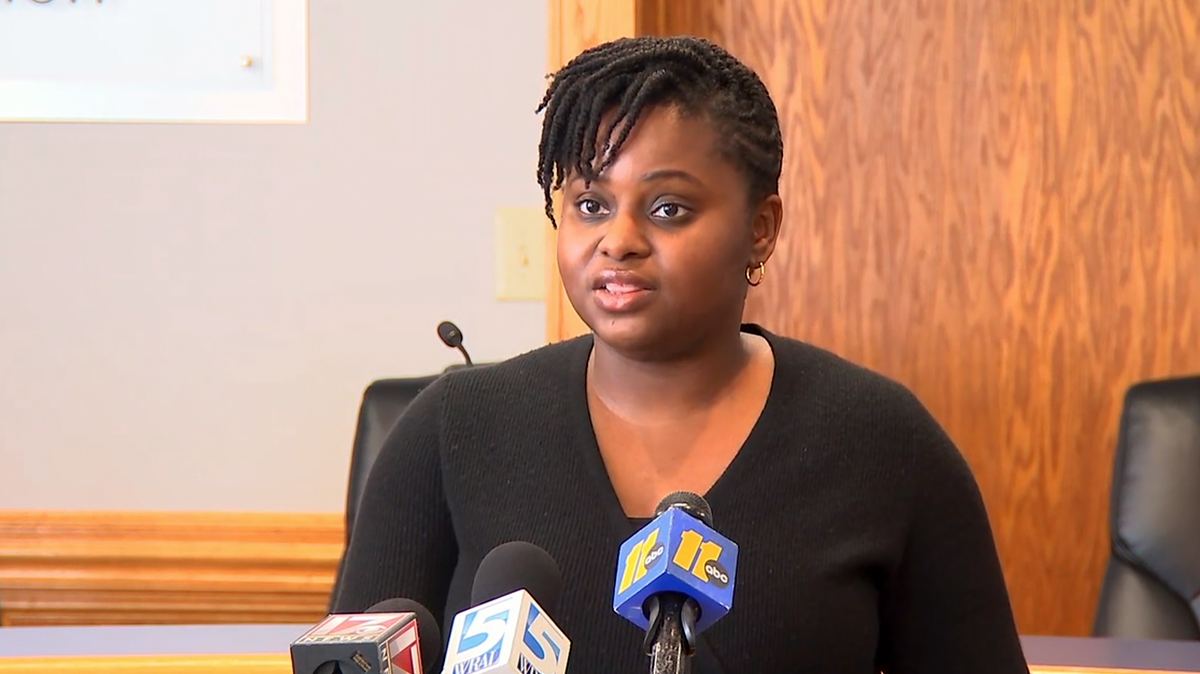
“I know there are folks who are disappointed, but I ask that folks continue to work with us,” board Chair Bettina Umstead said. “We really want our kids in school.”
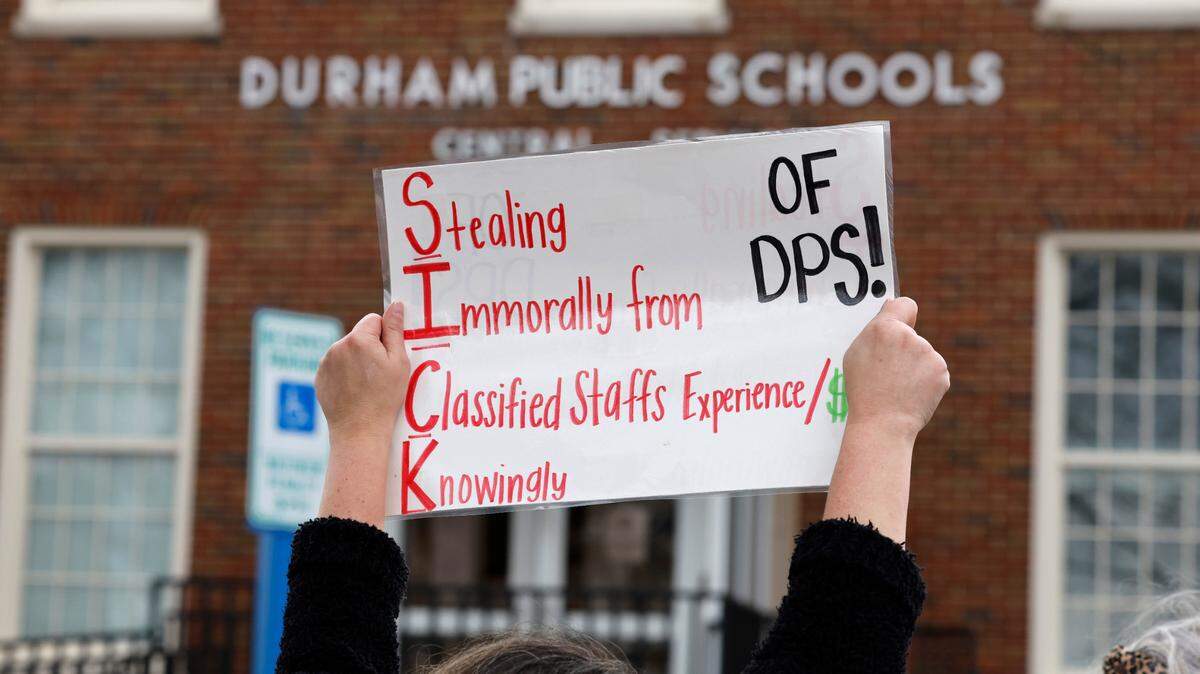
It has been six weeks since botched budgeting led DPS to withdraw raises from 1,300 classified staffers, who are among the district’s lowest-paid workers. They include cafeteria workers, instructional assistants, bus mechanics, physical therapists and custodians.
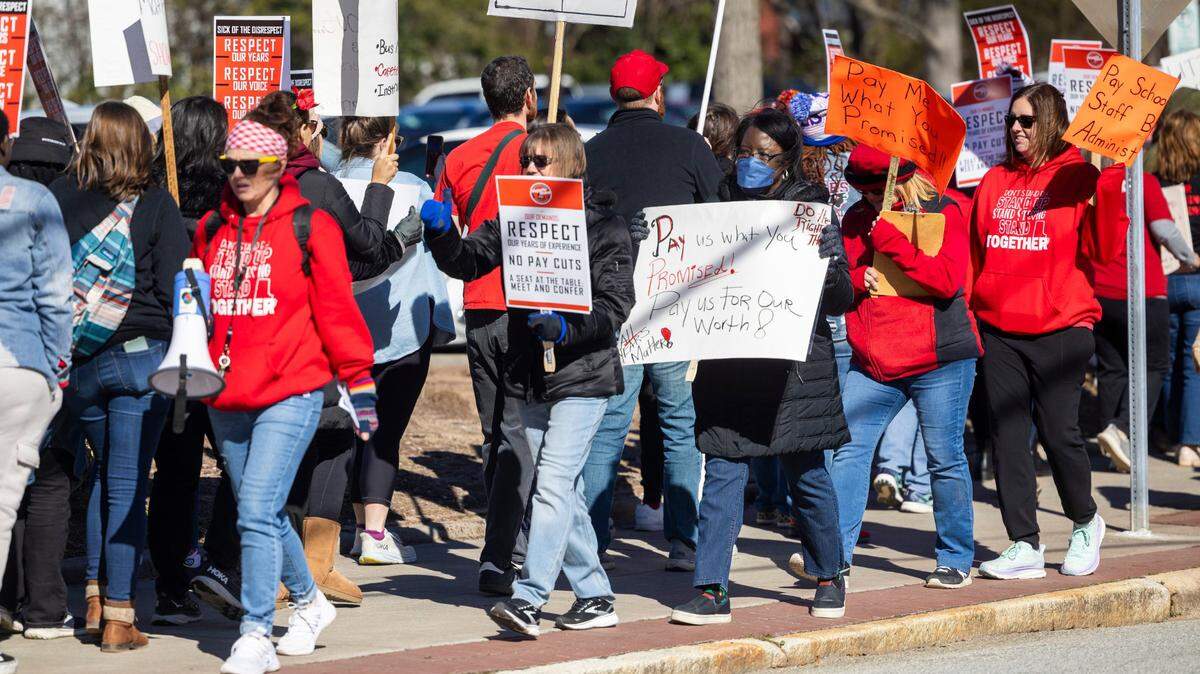
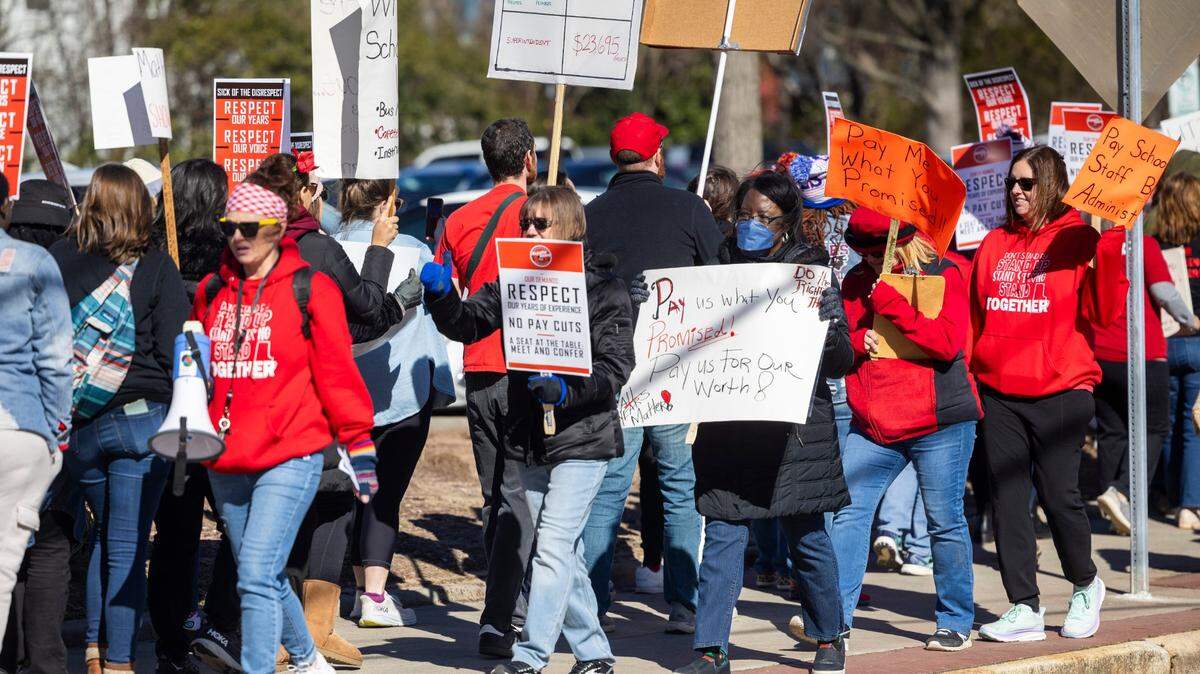
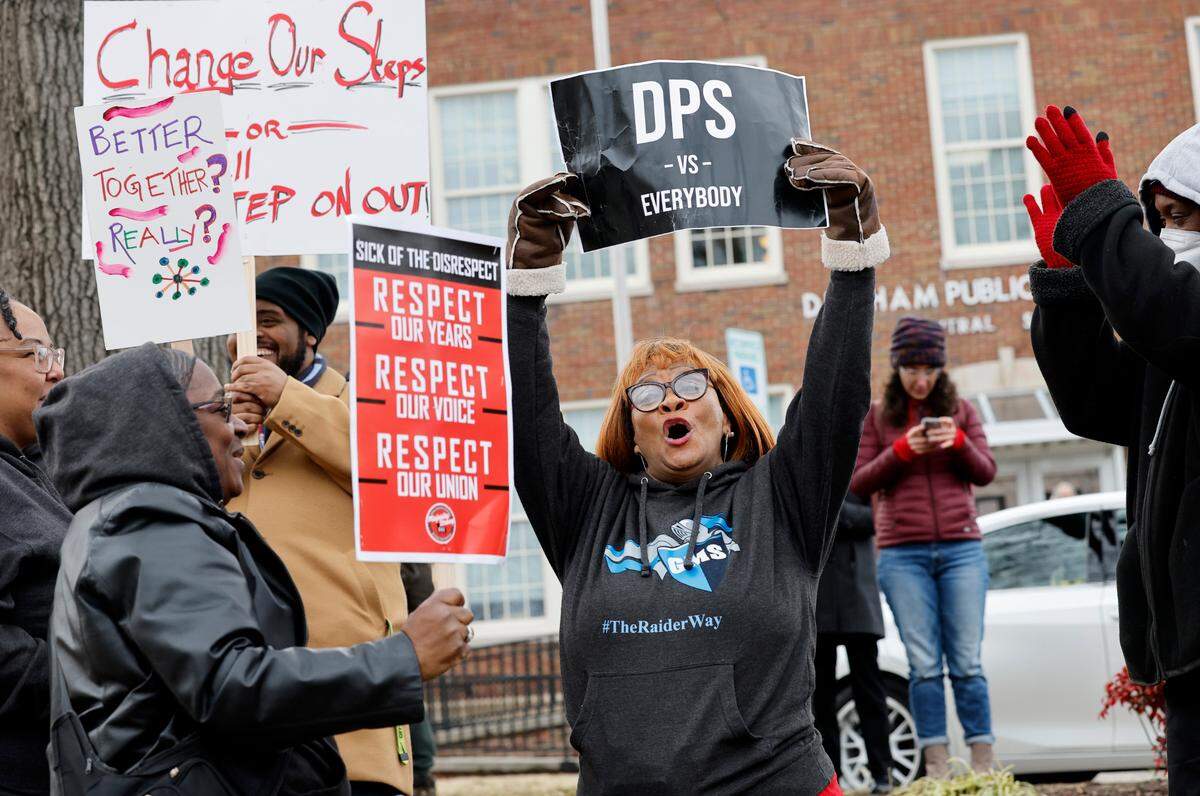
The situation has led to protests shutting down schools and the resignations of the superintendent and budget director.
In the plan approved Thursday night, 74% of the affected workers will make less than they were promised in October, and 35% will make less than they were promised in January.
Compared to what was promised in October:
- 276 people will lose $100 or less a month
- 227 will lose $101 to 250
- 290 will lose $251 to $500
- 476 will lose $500 to $1000
- 120 will lose over $1000
“This is life-changing money,” Umstead said. “And so the decision doesn’t come lightly.”
According to the district, 80% of the affected workers make below $43,450, what DPS pays its first-year teachers.
How pay will change
When district leaders slashed pay in January, they did so by saying they would no longer count years of experience earned out-of-state or in the private sector as part of an employee’s overall experience.
DPS has traditionally awarded a step for every year of verified experience, wherever it was earned. That policy is called 1:1. It’s uncommon around the state and has been a significant draw for prospective employees.
All steps are now being restored, the board decided Thursday night.
The board also considered giving across-the-board 15% raises, which would have resulted in 61% of employees making less than they were promised in October and 30% less than they were promised in January.
But a consultant warned this might be unsustainable, because it would add $2 million to the budget. The county approved a $10.8 million annual increase last year to fund the raises, but the district still found itself $9 million short because of the budgeting mistakes.
The board has voted to spend over $5 million in reserves since then to cover the shortfalls. Interim Finance Director Cierra Ojijo has said it costs about $700,000 a month over what was budgeted to keep the October salaries.
The 11% raise option was twice rejected by the school board earlier this month, but Interim Superintendent Catty Moore, hired Feb. 8, has pushed the board to decide.
Moore said it’s bad practice to budget salaries using one-time funds.
“The key to making the correction that needs to be made is sustainable, long-term, year-over-year funds that are in our operating budget,” Moore said.
Living paycheck-to-paycheck
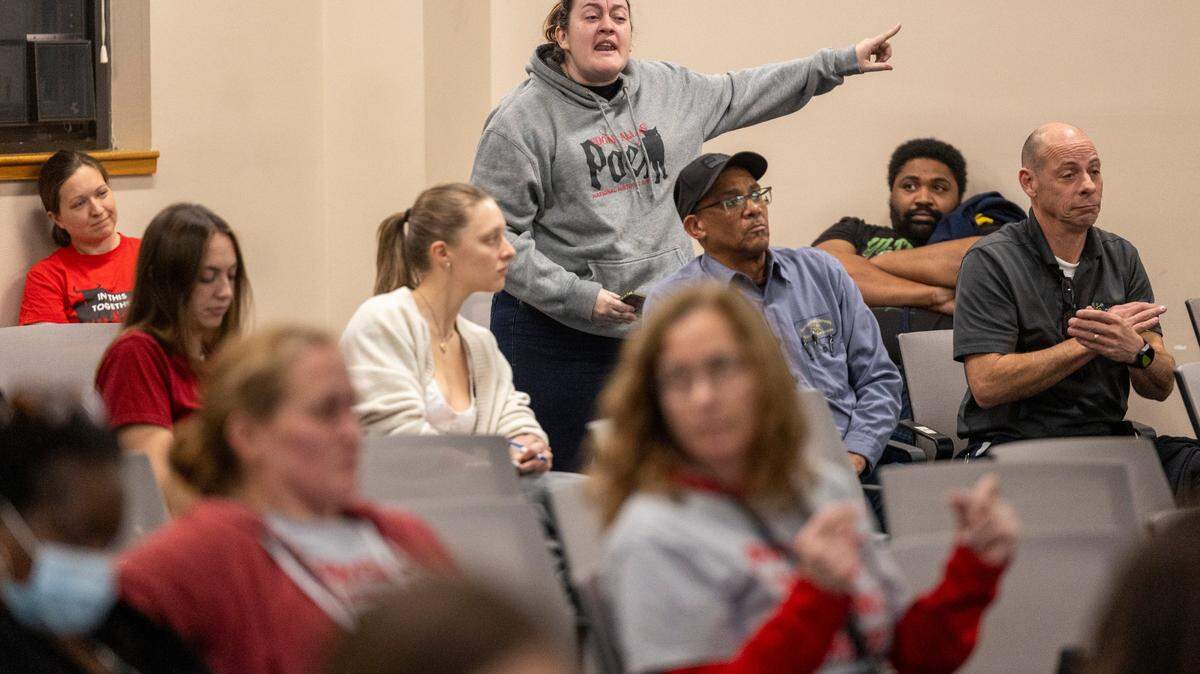
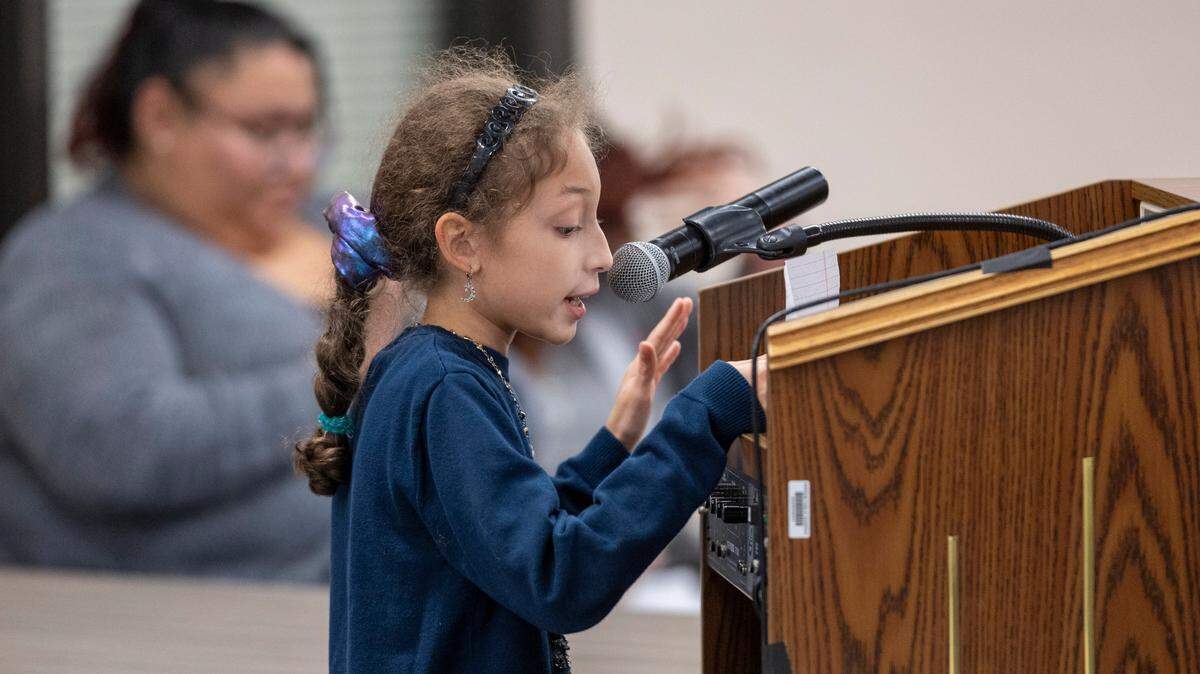
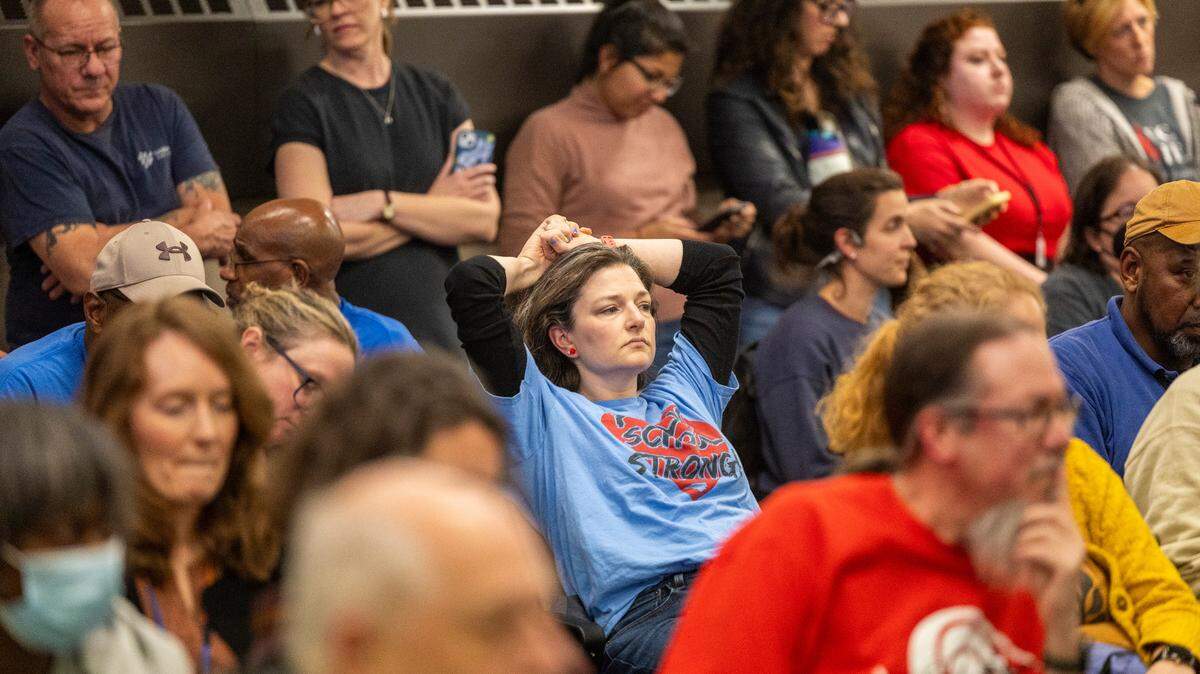
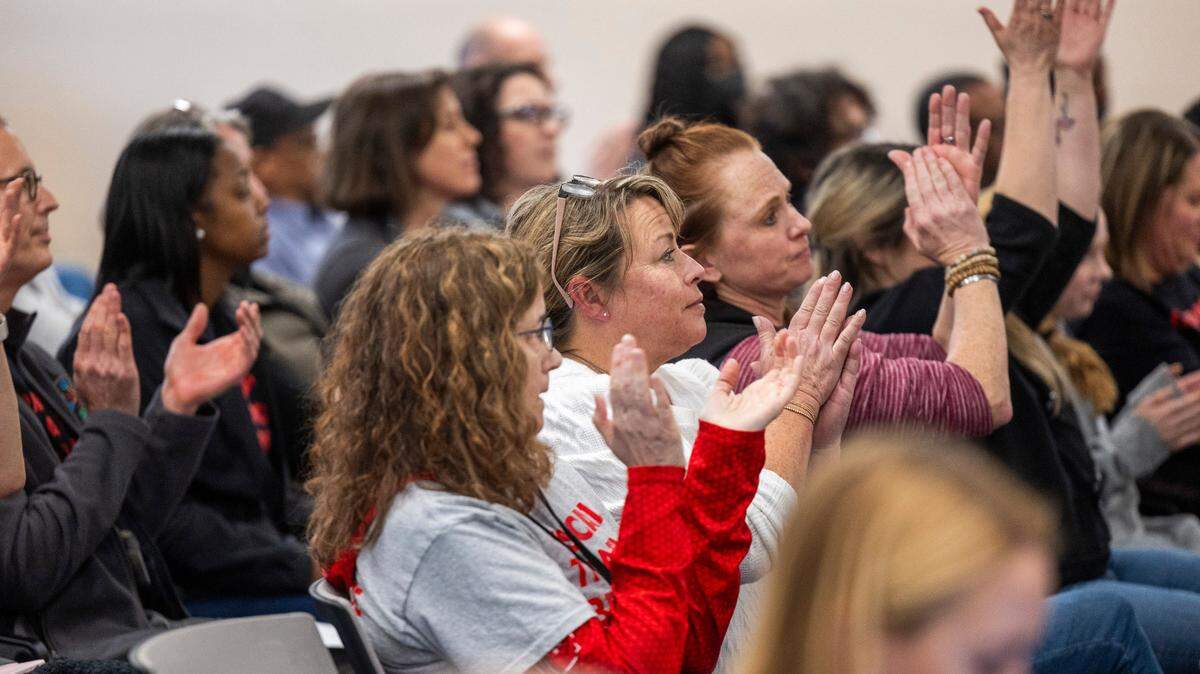
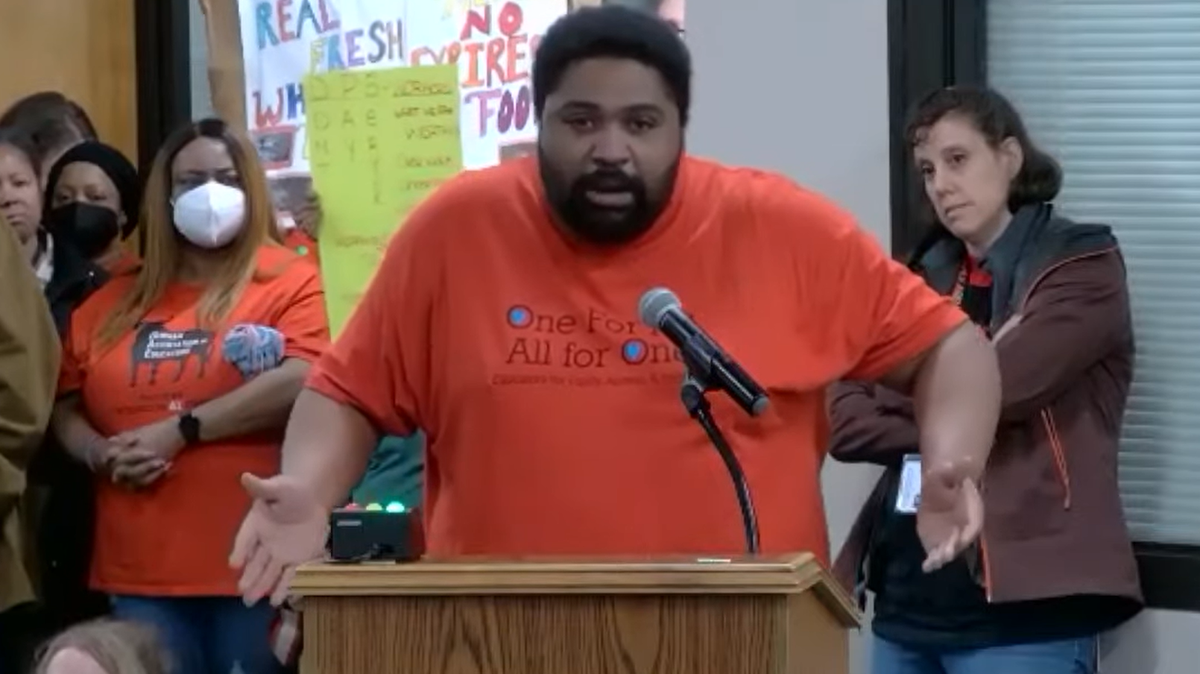
School staff members who spoke at Thursday’s meeting disliked both proposals.
Aimee Toney is a 15-year employee who said she has lived paycheck to paycheck her entire life.
“Blanket percentages do nothing for alleviating wage compression in this district,” Toney said. “I’m afraid for my future, and I’m trying to find any benefit of working for public schools other than my desire to do it for the children.”
DPS employee Hannah Ball-Damberg called the options “insufficient, hasty and deeply harmful.”
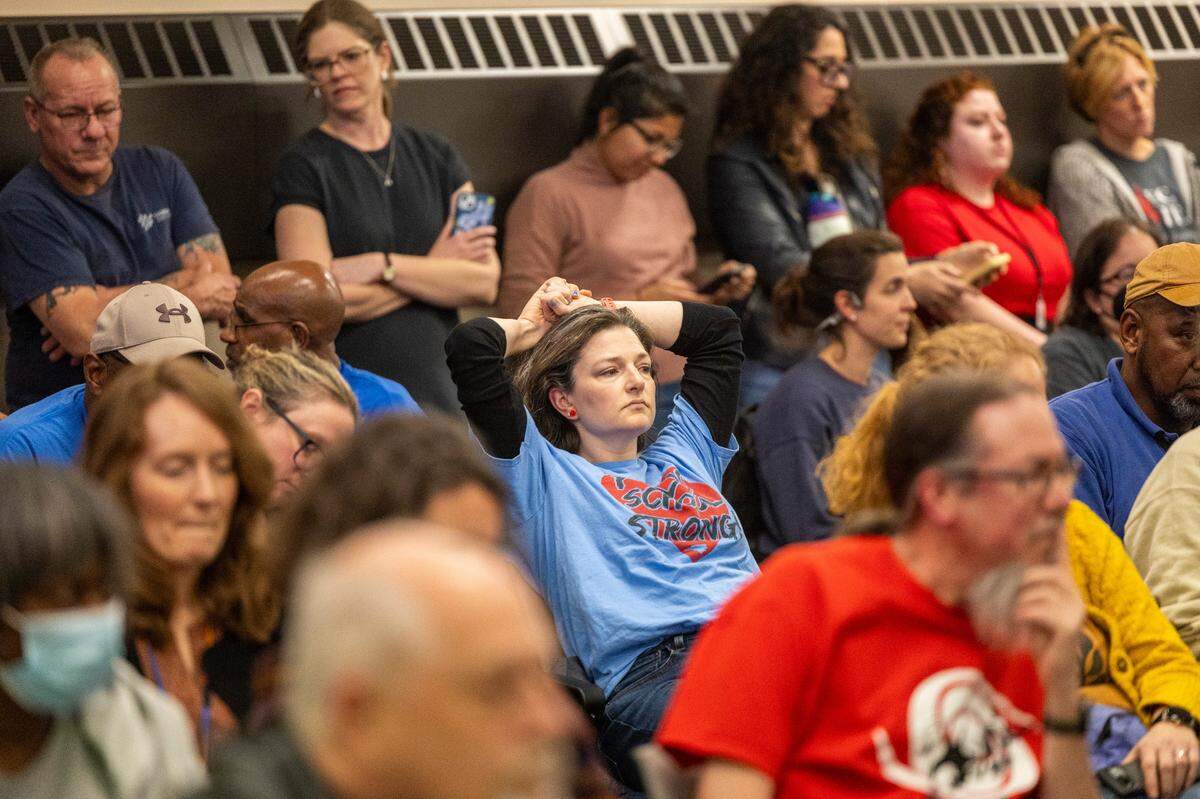
Morale has bottomed out around the district, many said.
“Restaffing DPS after the damage you caused will cost you more than the deficit that we currently have,” interpreter Celia Mora Gomez said.
Katherine Wood, a parent, added: “DPS is offering a free marketing campaign for private and charter schools right now. That cannot continue.”
Can the county help?
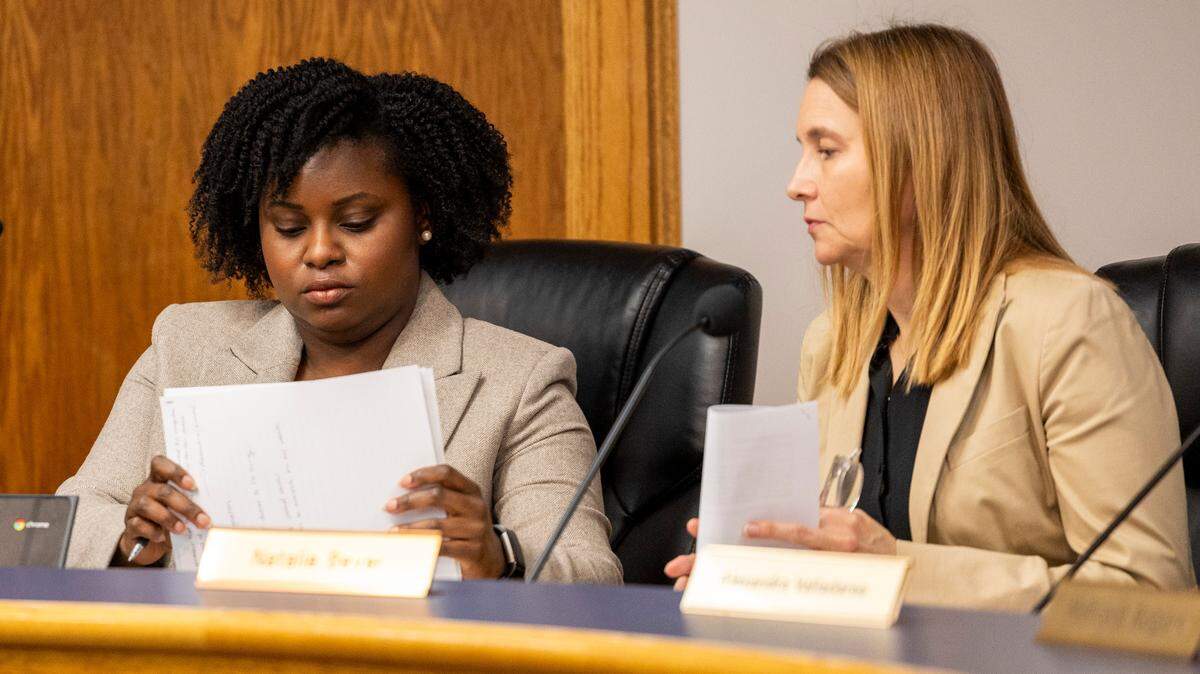
Board member Natalie Beyer said 11% is the most the district can afford.
“This is an impossible decision for this board, one we are struggling with mightily,” she said.
Some questioned why the school board didn’t ask county commissioners for more money.
“You did not even try,” DPS physical therapist Barbara Tapper said.
The school board was supposed to meet with the commissioners Tuesday morning, but Umstead said they postponed that meeting because it is designed to discuss next year’s budget priorities, which the school board finalized in the early morning hours Friday, after the salary decision.
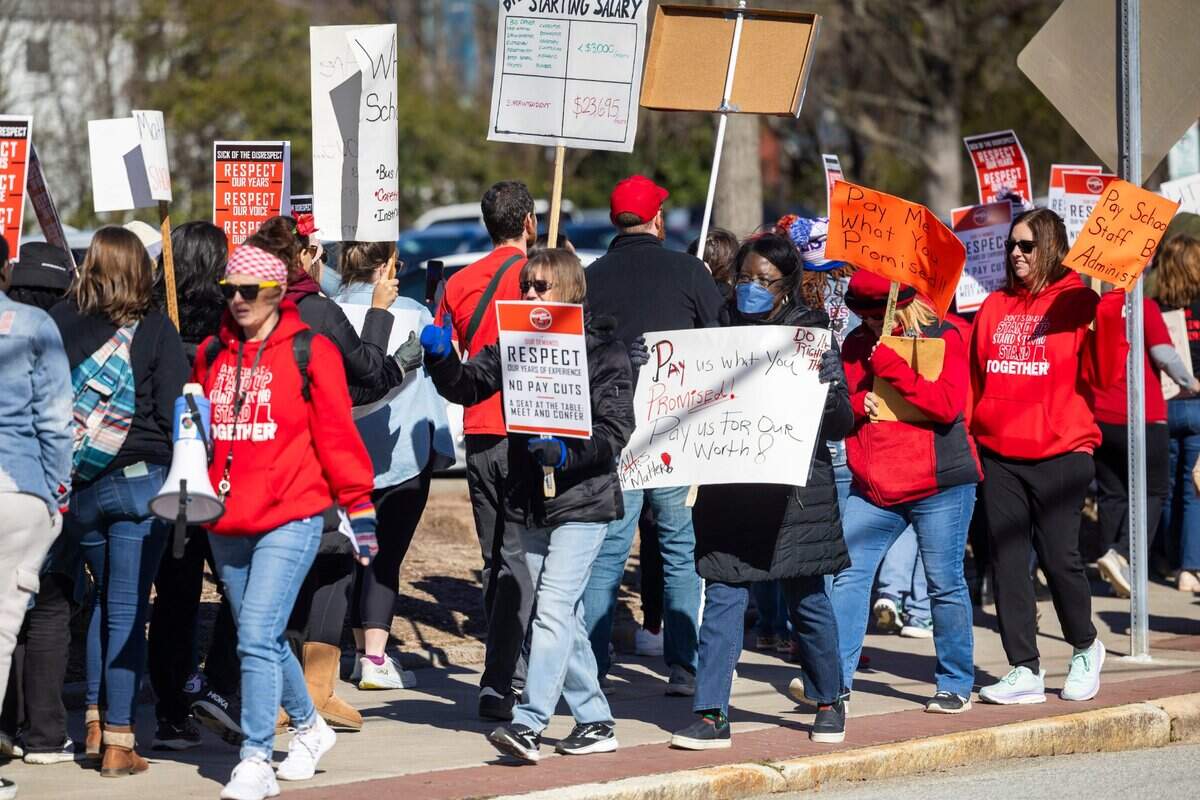
Parent Girija Mahajan was one of several who criticized that decision.
“Postponing the Board of Education and County Commission meeting until after the primary election shows it has never been about the classified staff and the students they serve. This is about political power,” she said.
New comptroller offers advice
Thursday’s decision followed a presentation by Kerry Crutchfield, who for decades led the finance department at Winston-Salem/Forsyth County Schools, and was recently contracted to serve as Durham’s comptroller.
Crutchfield said the salary study on which the October raises were based was problematic. It created pay ranges about double the size of previous pay ranges, and the “inevitable” result was that implementation would not be sustainable.
“No method of using prior experience to place employees on the new schedules was going to yield an appropriate result,” Crutchfield said.
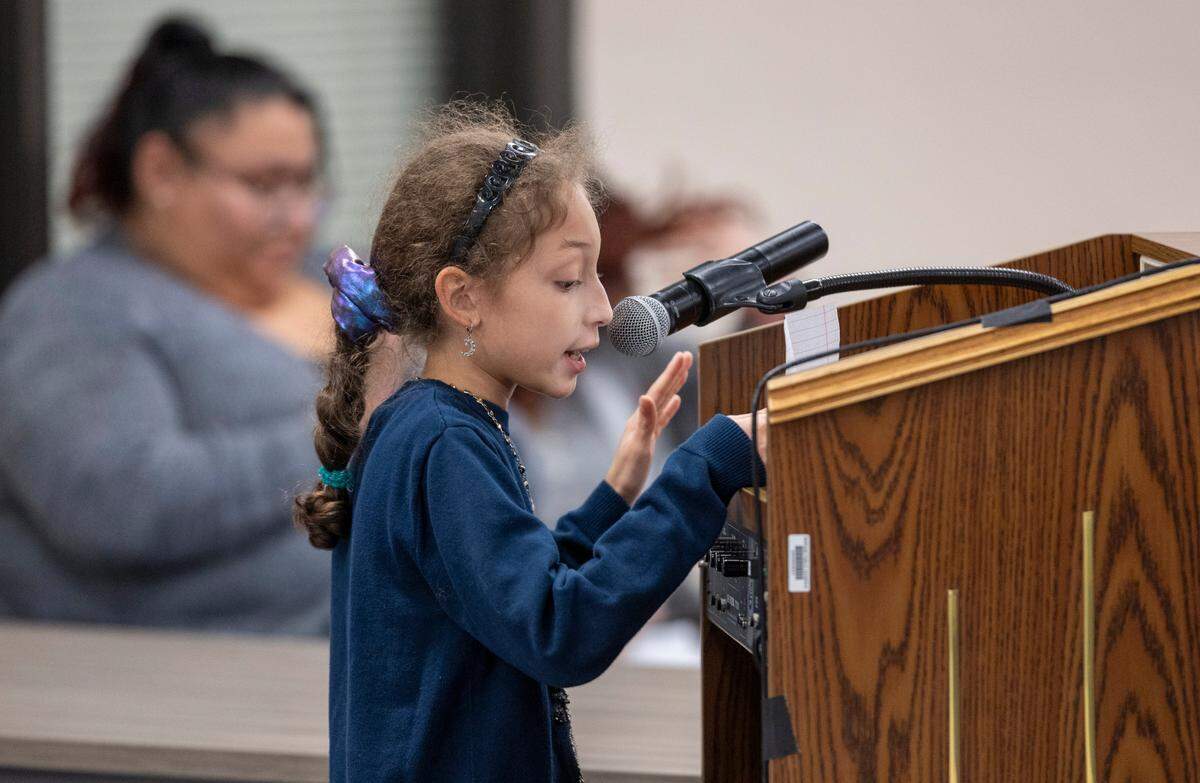
DPS employee Geoff Seelen said that misses the point.
“This change was explicitly made to address wage compression,” Seelen said.
Moore said the study’s recommendations weren’t inherently wrong and wouldn’t be a problem — “if we have the funding for it.”
Crutchfield had also recommended the 11% increase. The board instructed him to bring a proposal for next year’s salaries to them March 21.
This story was originally published February 22, 2024 at 10:56 PM.