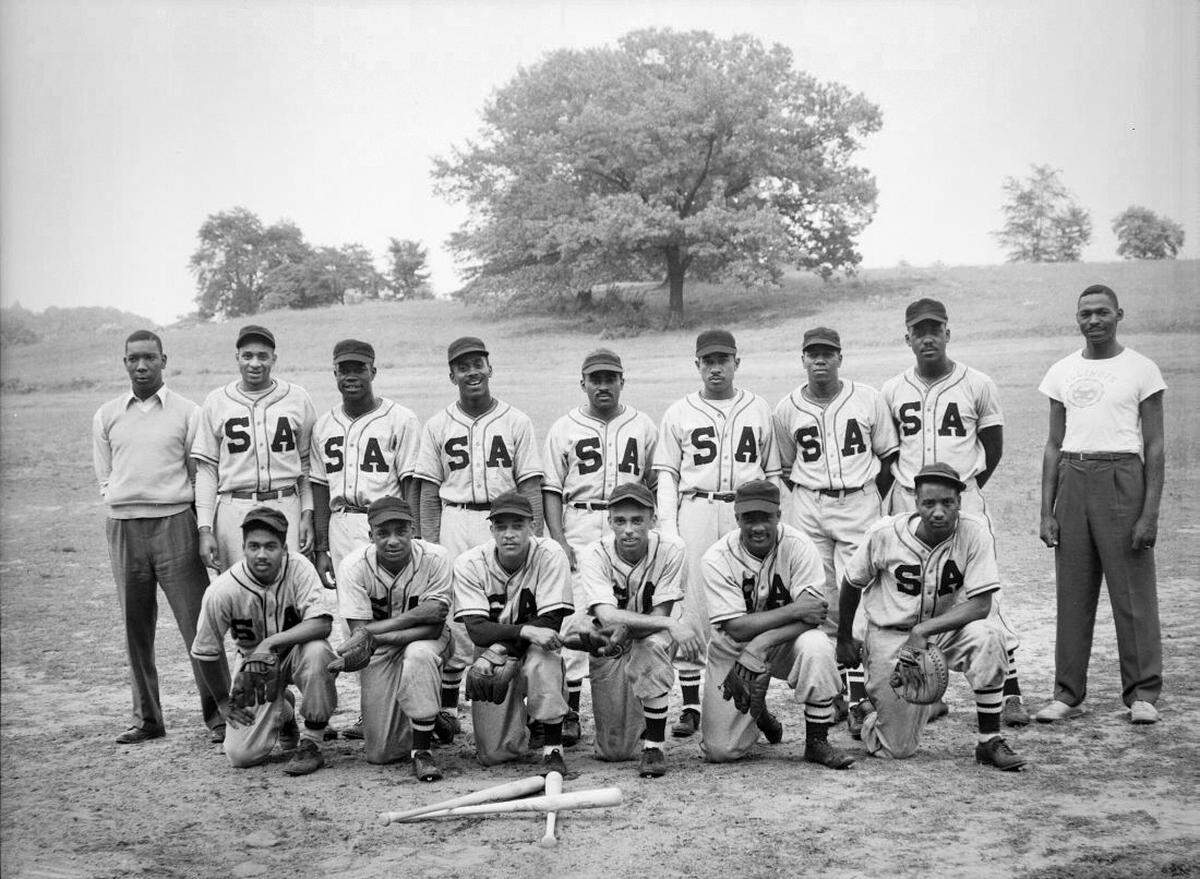
St. Augustine’s has a rich history in Raleigh. Here are photos throughout the years
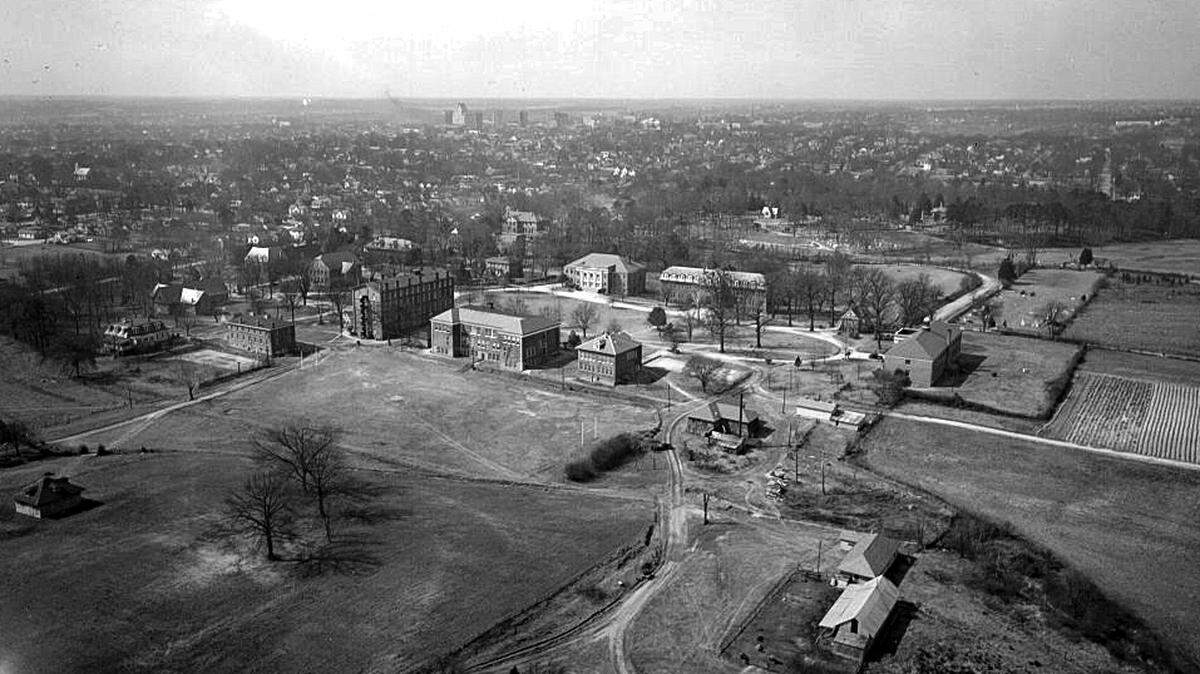
The future of Raleigh’s St. Augustine’s University remains in question as it continues to fight for its accreditation and attempts to rectify financial problems that have plagued the school for years.
The historically Black university university is appealing an accreditor’s latest ruling to strip its accreditation, with a hearing expected in February. St. Augustine’s has remained accredited, albeit on probation, throughout multiple appeals.
The university’s ongoing issues have put the school in the local spotlight and attracted criticism from some alumni and others with ties to the campus. A lawsuit aiming to reconstitute the university’s Board of Trustees was dismissed by a judge, but the state attorney general’s office plans to look into the allegations against the board “in the coming weeks,” according to spokesperson Nazneen Ahmed.
This isn’t the first time the university has struggled with its finances or accreditation.
In 2004, for example, the university was on probation with the same accreditor because “it owed too much money, was failing to collect money it was owed and was relying too heavily on lines of credit,” The News & Observer reported at the time.
But the university, which sits in the Oakwood area of Raleigh, also has a deep, rich history in the community.
As the university looks ahead to its next appeal, here are photos and some key moments from St. Augustine’s past.
Founding & St. Agnes Hospital
St. Augustine’s was founded by Episcopal clergy in the late 1860s to educate formerly enslaved people. One of the school’s early students was Anna Julia Cooper, who was born into slavery in Raleigh but went on to become a prominent scholar and the fourth African American woman to earn a doctoral degree.
The school became a college in 1928 and awarded its first baccalaureate degrees in 1931. The college became a university in 2012.
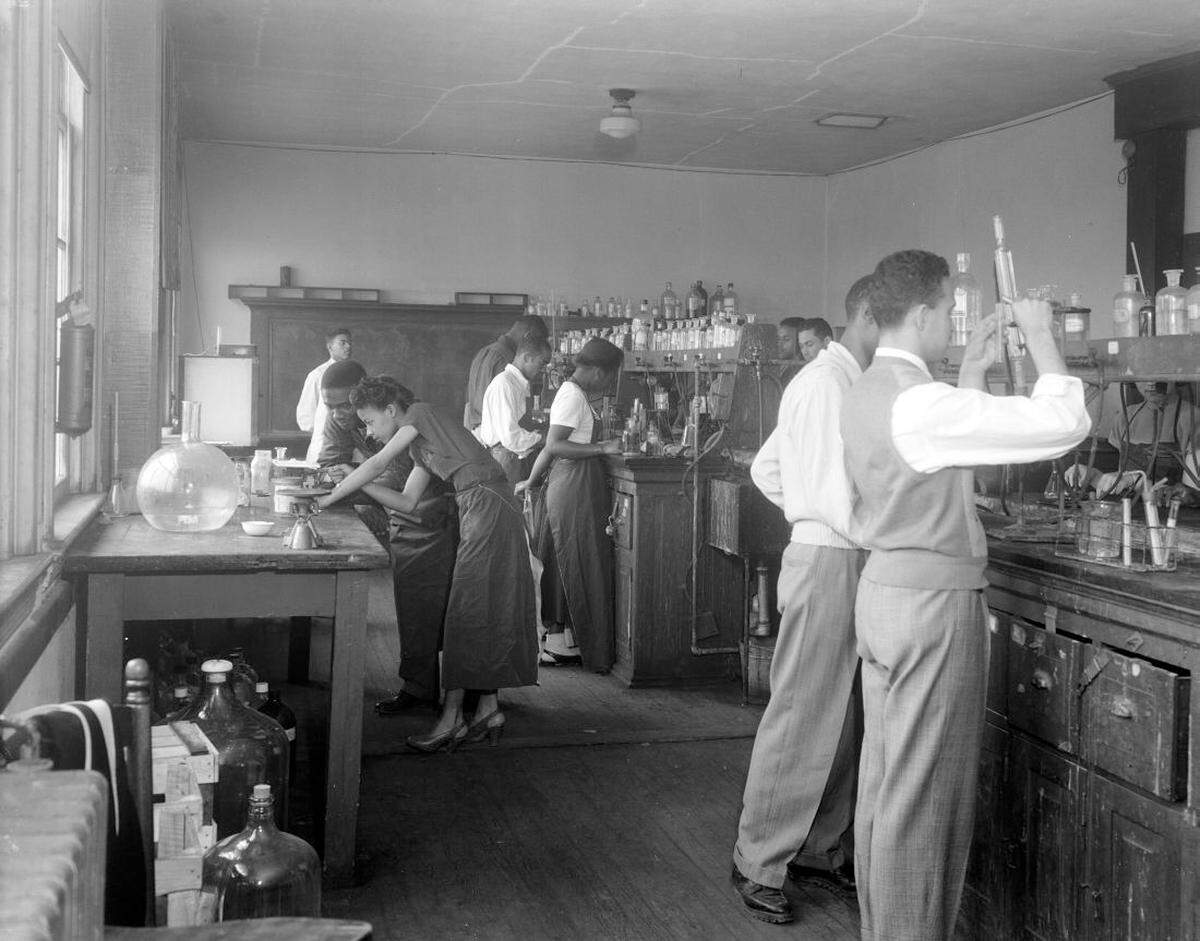

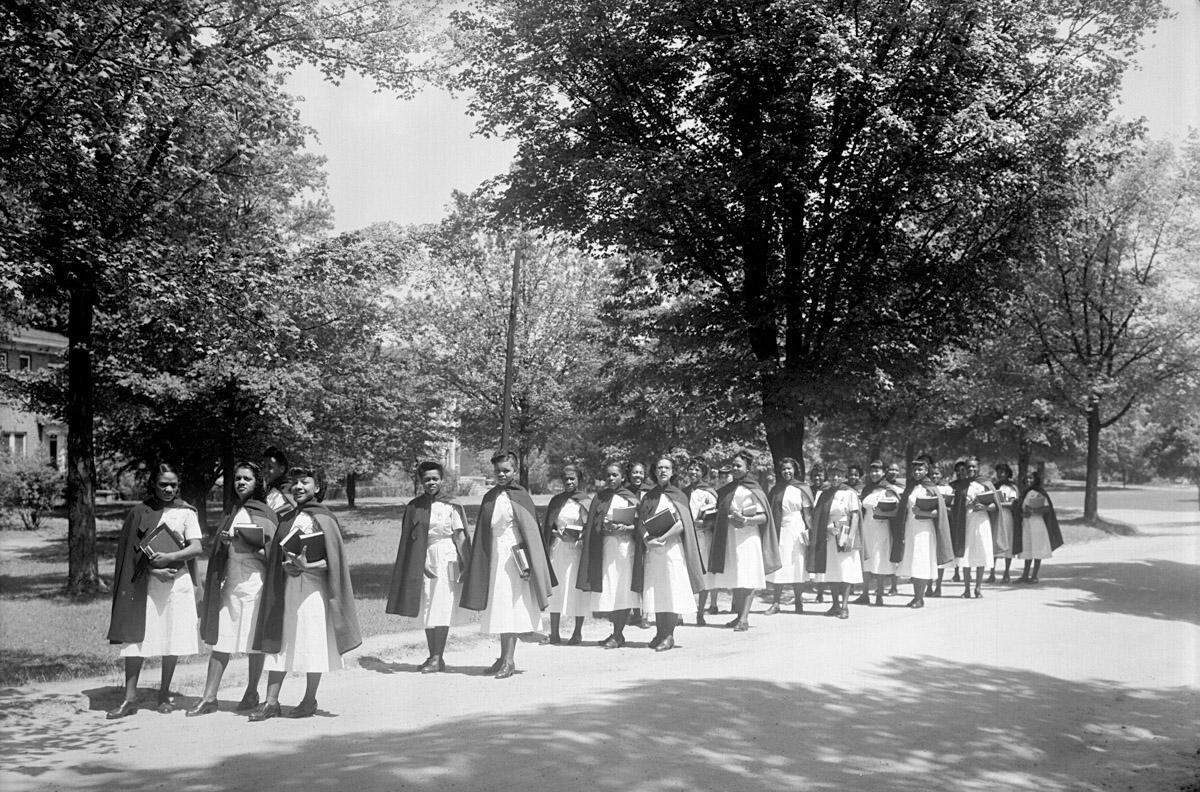
For 65 years, the university’s enterprises included the former St. Agnes Hospital, which opened in 1896 and offered the first professional training program for Black nurses in North Carolina. At the time, St. Agnes was the only hospital in the area to serve Black patients. It closed in 1961 when the desegregated Wake Memorial Hospital opened.
The hospital treated legendary boxer Jack Johnson after he was involved in a 1946 car wreck that eventually resulted in his death.
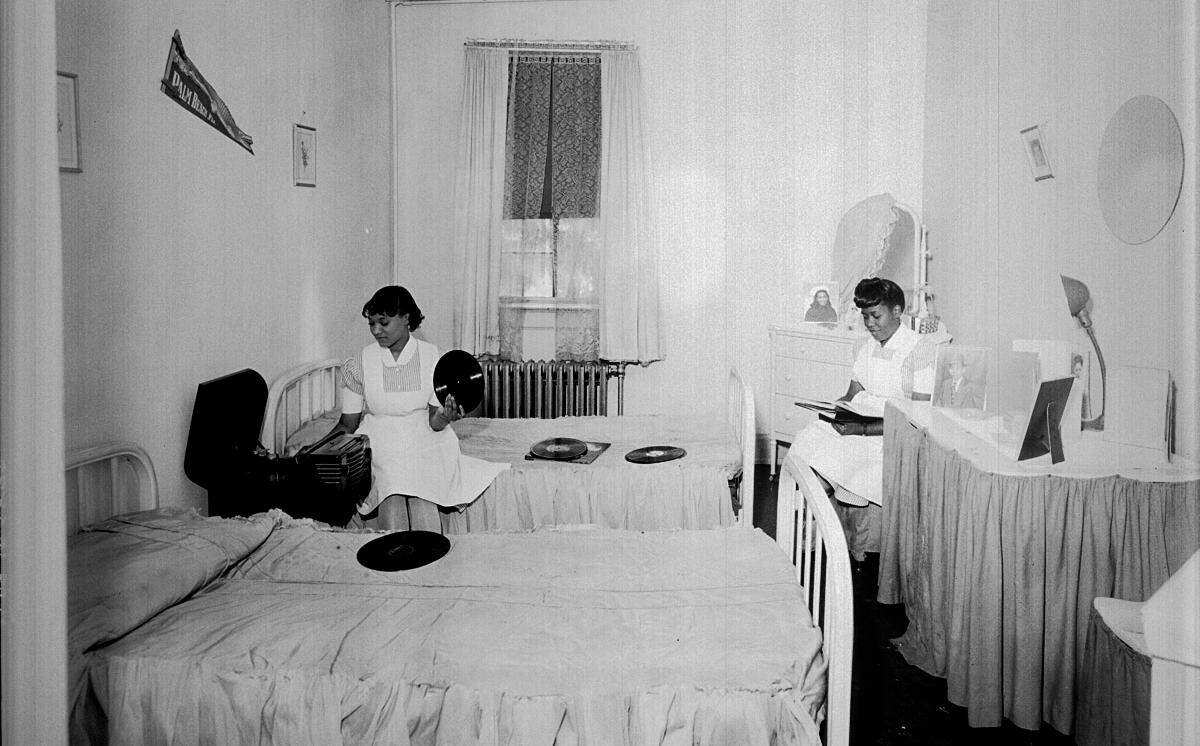
Activism & campaign stops
Like many HBCUs, the history of St. Augustine’s is intertwined with the Civil Rights Movement and other major moments in U.S. history.
In February 1960, days after students from North Carolina A&T State University held a historic sit-in at the Woolworth lunch counter in Greensboro, students from St. Augustine’s and neighboring Shaw University followed suit at the counter in the shopping center then called Cameron Village. More than 40 students from the universities were arrested.
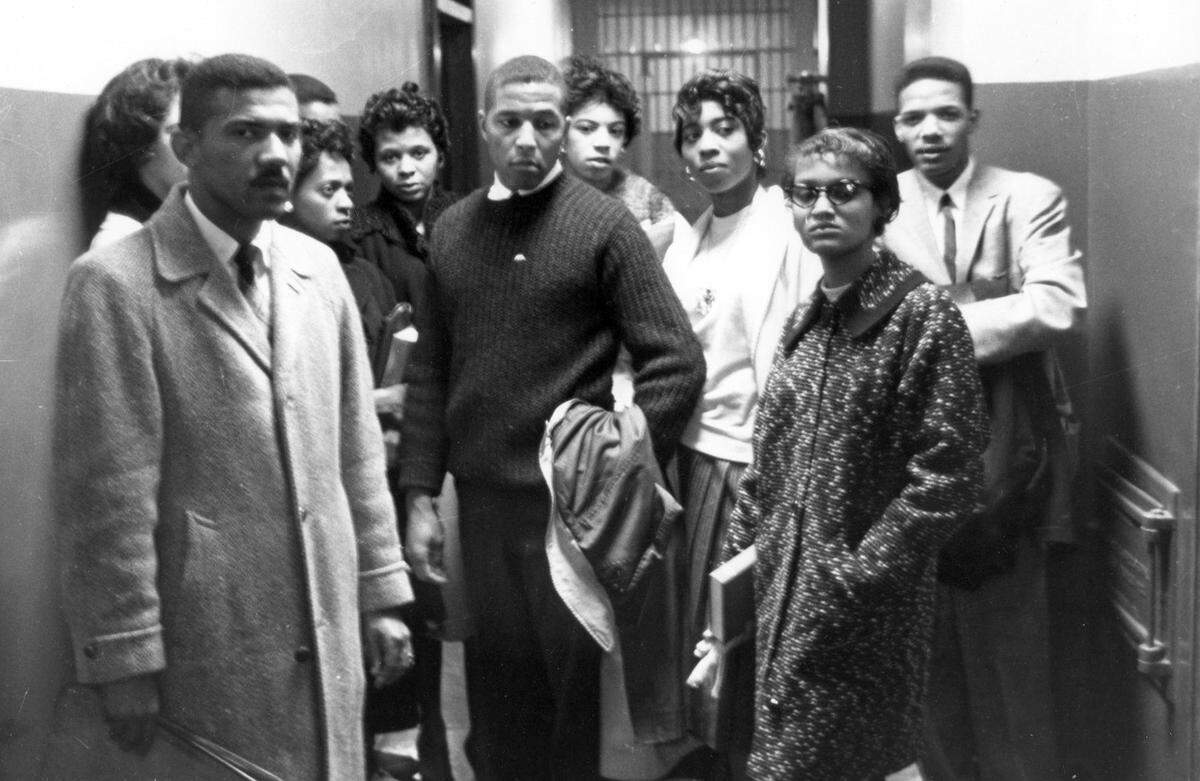
Throughout the years, St. Augustine’s students, faculty and community members have hosted marches to voting locations during major elections, often complete with members of the school’s marching band.
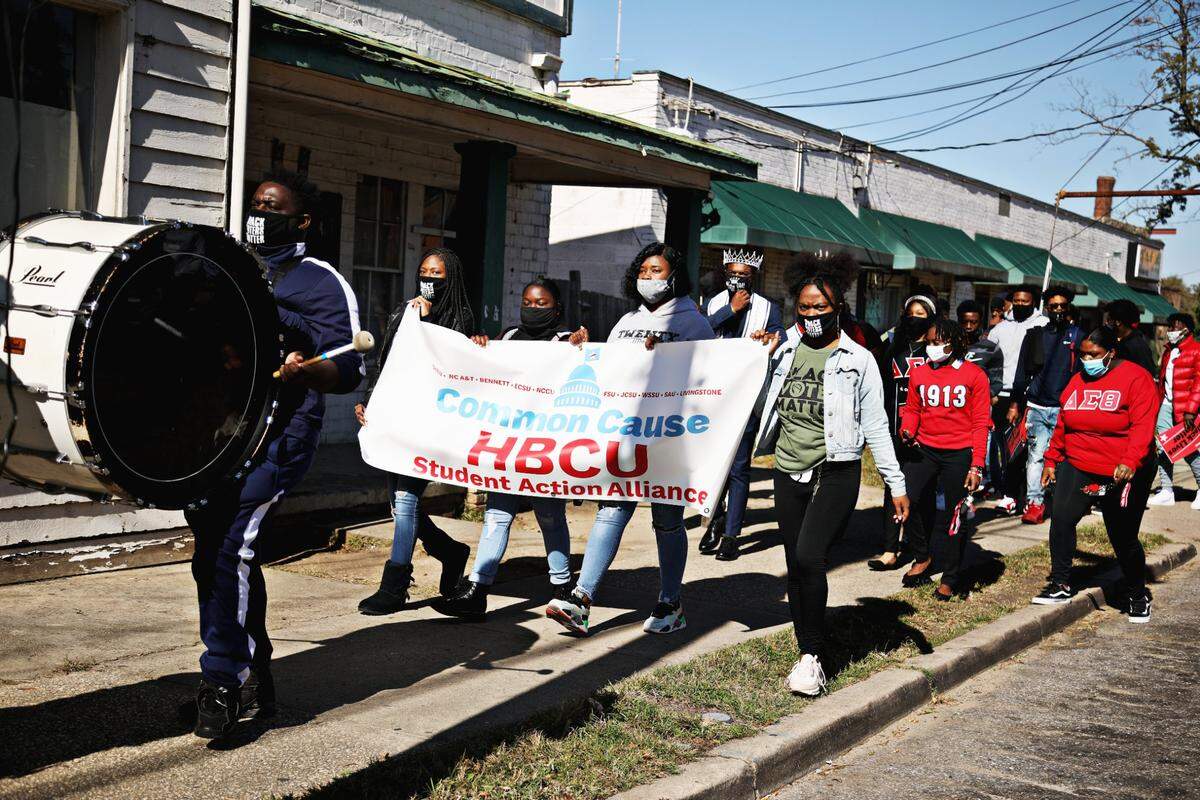
.JPG "RAL_VOTING14-NE-110320-JEL (1).JPG")
St. Augustine’s has also hosted rallies for presidential candidates, as well as events with other dignitaries. Recent examples include Hillary Clinton, who made a campaign stop on campus in the weeks leading up to the 2016 general election, and Joe Biden, who held a rally ahead of 2020’s Super Tuesday — a group of primaries which proved pivotal in his successful pursuit of the Democratic nomination that year.


Dominant, history-making sports programs
St. Augustine’s is also known for its success in athletics — particularly track and field.
Under the leadership of coach George Williams for more than 40 years, the university’s track program became a national powerhouse and won 39 NCAA Division II national titles.
Williams helped produce more than three dozen Olympians from St. Augustine’s, including Bershawn “Batman” Jackson, who earned a bronze for the U.S. in the 400-meter hurdles at the 2008 games in Beijing. Williams also served as the head coach for the U.S. track team at the 2004 Olympics in Athens.
The university fired Williams, who also served as athletic director, in 2020. The N&O reported at the time that the university offered Williams a lifetime appointment as emeritus athletic director prior to terminating him, but the new role would have required Williams to take a 50% pay cut.
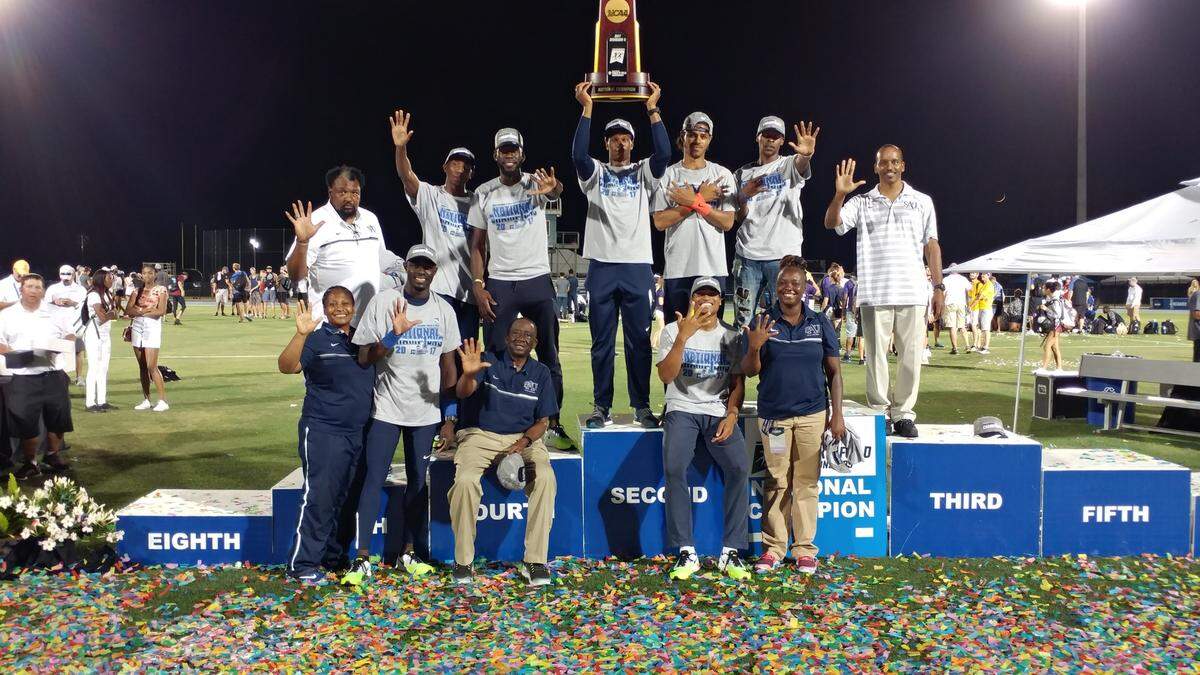

The university has also experienced success in basketball, with its teams claiming multiple Central Intercollegiate Athletic Association (CIAA) titles.


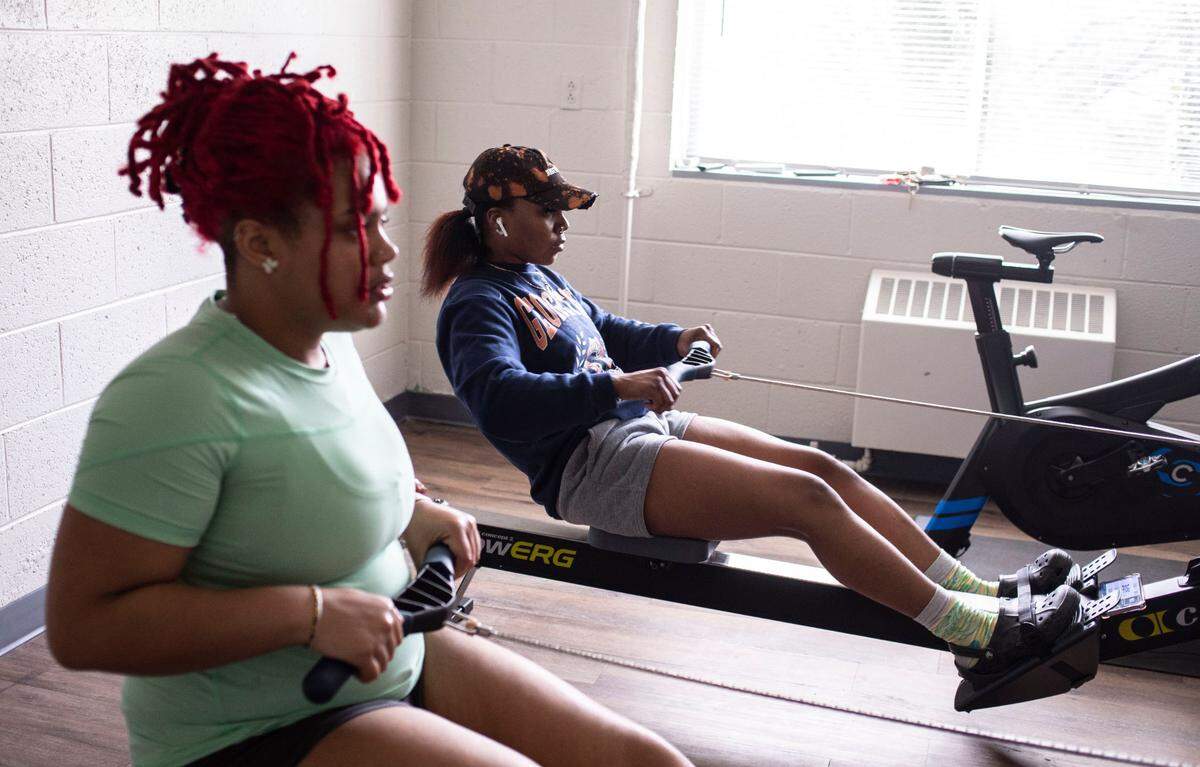
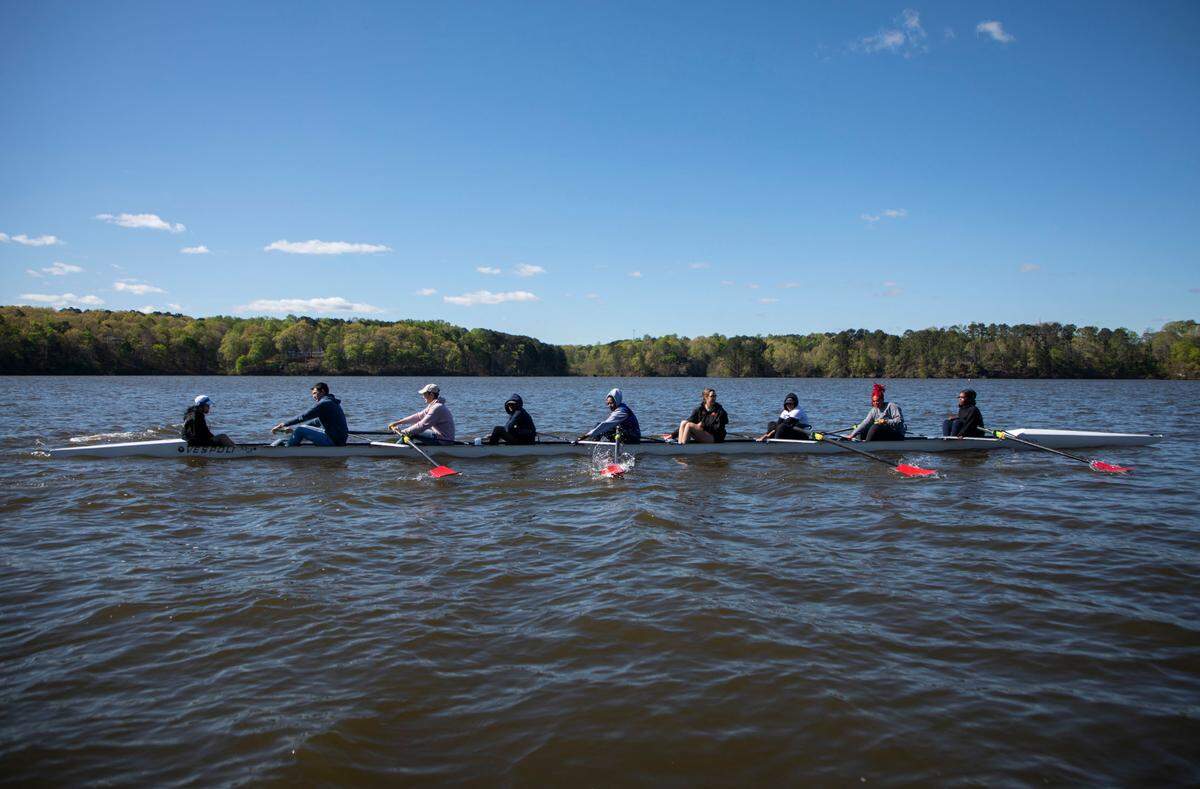
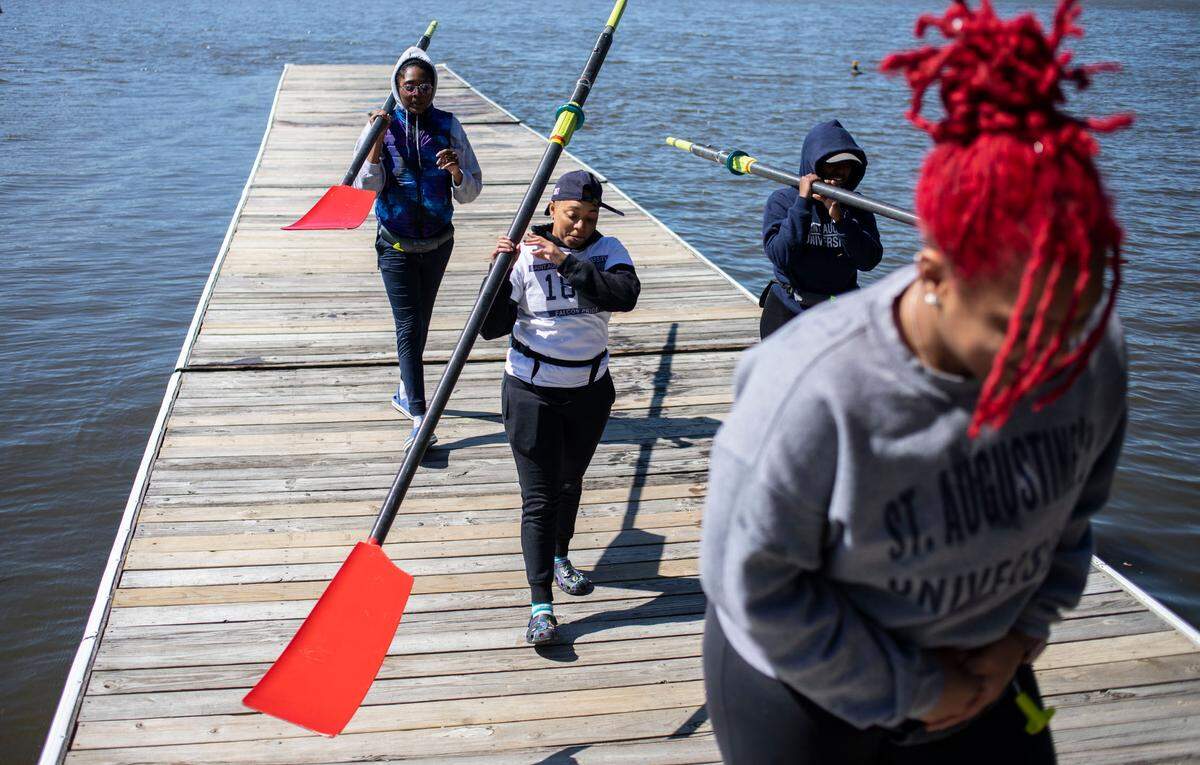
In 2020, St. Augustine’s became the first HBCU to field a cycling team. In 2022, the university became the first HBCU to field a women’s crew rowing team.
The CIAA in October suspended the university’s athletic programs through the end of the 2024-25 academic year, citing “the institution’s failure to meet conference compliance requirements, in addition to the concerns regarding SAU’s continued challenges to meet NCAA sports sponsorship and scheduling requirements for the 2024-25 season.”