CHCCS IDs 2 schools that could take Glenwood students. Will they stay together?
AI-generated summary reviewed by our newsroom.
- Glenwood is set to close next year, putting students in new schools for 2027-28.
- The district could move all programs to one school or split them between two schools.
- Closing Glenwood could save about $1.7 million yearly and ~$23.3 million over 10 years.
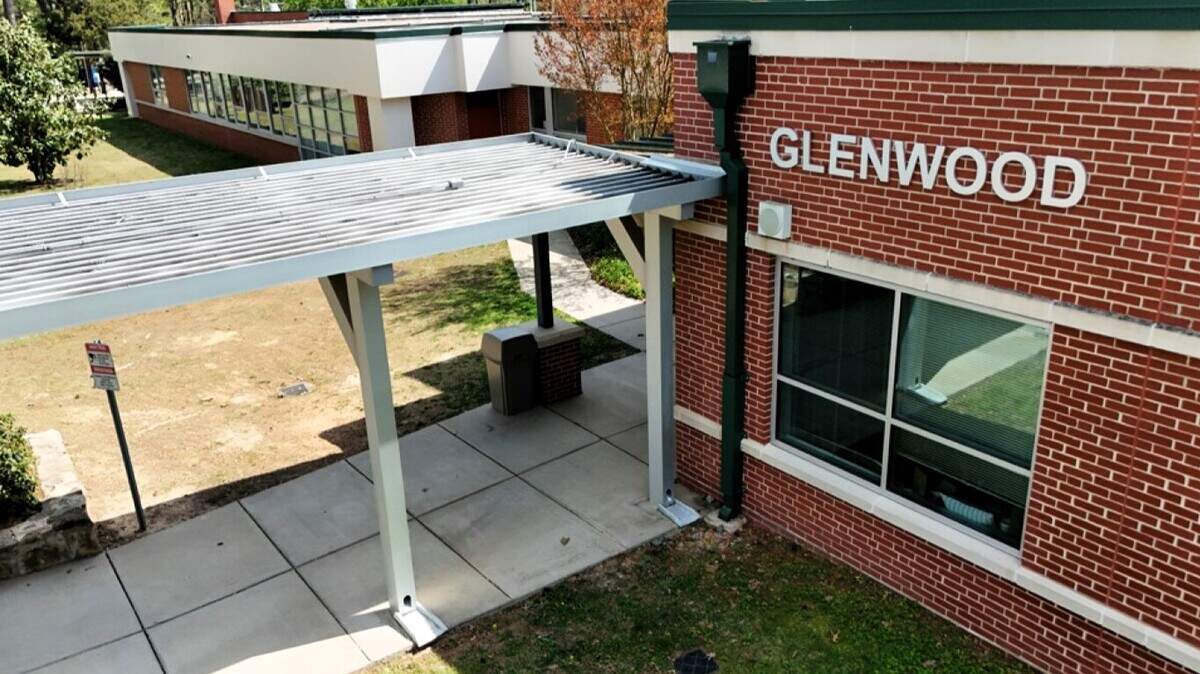
Glenwood Elementary families learned Thursday where their students might go when the Chapel Hill-Carrboro magnet school closes in August 2027, but not whether they will move to the same new school together or be split up.
The Chapel Hill-Carrboro City Schools Board of Education is expected to make a decision Aug. 20 that could affect even more students when district staff starts redrawing elementary school attendance lines this fall.
A few dozen Glenwood parents and students advocated Thursday for keeping their STEAM Squared (STEAM2) magnet curriculum and its supportive community intact.
The STEAM2 curriculum incorporates science, technology, engineering, art and math. Students can also choose to spend half of their day learning in Mandarin or follow the world language track, which gives them weekly Mandarin and French instruction.
The programs together serve about 400 Glenwood students, who will soon move to help the district save money and “right-size” its staffing numbers after years of declining enrollment, especially in the elementary schools.
CHCCS staff worked with N.C. State University’s SchoolCAMP team, which helps districts conduct strategic planning and analysis, and its Institution for Transportation Research and Education to come up with two options for relocating students and programs:
- Move all students and programs to a new school, serving up to 492 students in 24 K-5 classrooms, based on state classroom capacity. That plan could force the district to relocate up to 362 students who already attend the new school.
- Split the students and programs between two schools. It would serve the same number of students, but only require each school to set aside 12 classrooms for the STEAM and languages programs. It could also displace up to 223 existing students.
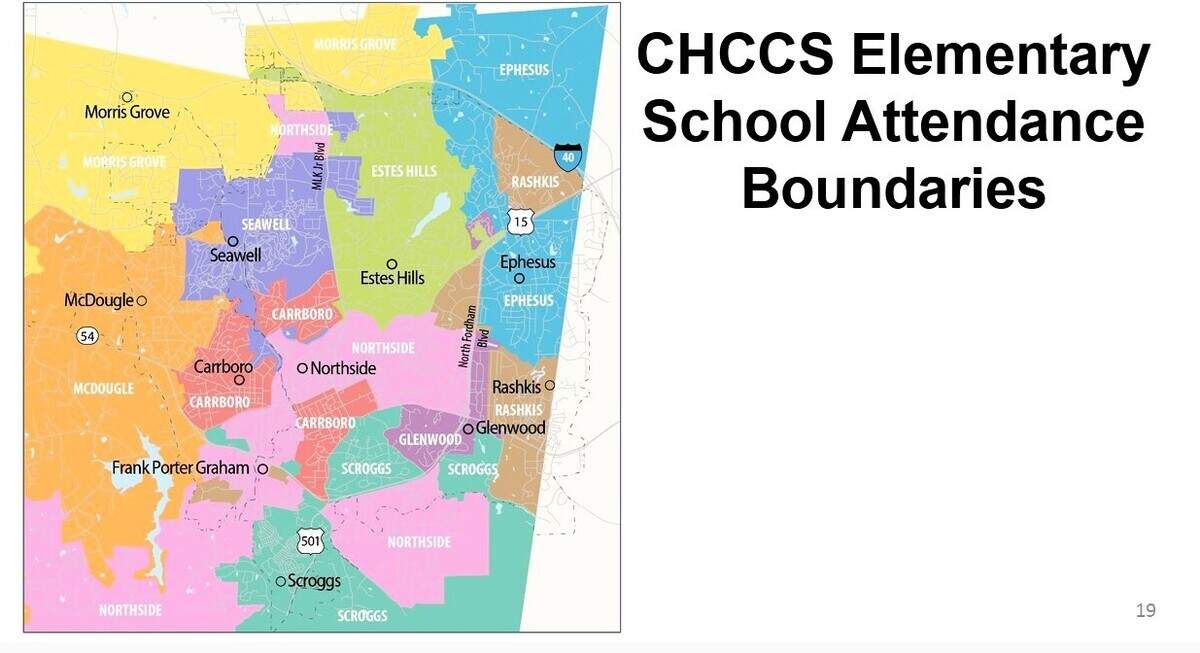
Thursday’s report identified Mary Scroggs and Rashkis elementary schools as possible host schools for Glenwood’s students and programs.
Why choose Mary Scroggs and Rashkis?
District staff and NCSU experts wanted a plan that would cause the least disruption to students and staff at the affected schools, but that also would help the district stay flexible as it redistricts the 10 remaining elementary schools next year.
The focus landed on schools where enrollment is 80% or less of capacity, or roughly 100 vacant classroom seats, SchoolCamp program director Matthew Palmer said, and which of those schools could continue to lose students. Scroggs, Rashkis and Northside elementary schools all use 62% or less of their capacity, he reported.
But Scroggs and Rashkis lie on the edge of the CHCCS district, making it less likely that students from surrounding neighborhoods could boost their enrollment, he added. Northside is within walking distance of both downtown Chapel Hill and Carrboro.
What do Glenwood families want?
Glenwood parents and students reminded the board Thursday that the STEAM2 program is an asset to the district, attracting families from around the world. Splitting up the Mandarin and world languages tracks could negatively affect both programs and the students who are already enrolled, said parent Betsy Lee, who is Chinese.
She watched Glenwood’s community rally around Mandarin and Chinese culture after the school moved to the STEAM2 curriculum in 2020, Lee said. That had long-term benefits for her daughter, who has since graduated, and her friends, she said.
“I think a beautiful thing that I’ve seen being a parent there is, culturally, I am Chinese, but it is so cool to see her with her friends who have no heritage, no connection, that they’re getting this cultural exposure,” Lee said.
Separate programs could also make other families think twice about moving to the district, eroding its competitive advantage and leading to more enrollment losses, parent Allison Willis said.
“Glenwood has a track record of success both academically and operationally, and to think that we might divide what has become a singular program into two seems short-sighted and also reduces future creative options for expansion,” Willis said.
Other parents asked the board to delay its decision.
That’s just not possible if the district wants to give parents, students and staff time to understand the process and prepare for the move, CHCCS Superintendent Rodney Trice said. It would also add more time to the staff’s redistricting work, he said.
“If we were into September, I think it would be in serious jeopardy whether we could pull it off,” Trice said.

Why does any school have to close?
The school board’s June 4 decision followed multiple conversations about budget challenges and a 1,500-plus drop in enrollment since 2020.
The board initially considered closing two of three schools — Glenwood, and Ephesus and Seawell elementary, which are more traditional neighborhood schools.
It chose Glenwood, which was built in 1952 and is Chapel Hill’s oldest school. A staff study found closing the campus could save about $1.7 million a year in operating costs, plus roughly $23.3 million in maintenance and repair costs over the next decade.
The district also has cut school and central office staff, eliminating over 100 positions since 2024 and with 25 more classroom cuts pending next year to cover a $2 million gap in state funding. Enrollment could hit an estimated 10,741 students next year and continued through 2035, according to a Carolina Demography report.
School districts across the state are facing similar constraints, the report said, citing, in part, declining birth rates, higher housing costs, and changes in the state’s immigrant-born population for falling enrollment.
Each empty seat costs Chapel Hill-Carrboro schools over $17,000 in local, state and federal money at a time when more of the burden to pay for education is falling to county governments.
What happens next?
The board could decide Aug. 20 where to move Glenwood students and programs.
District staff will use that information to redraw attendance zones for 10 remaining elementary schools, accounting primarily for how students are affected, especially those in at-risk groups, as well as school demographics, transportation needs, and programs.
The board could approve the redistricting plan over the winter and share the final plan with the public next spring. Students will start the 2027-28 school year in their new schools.
Find updates and community meeting schedules at chccstogether.org.