NC could ban these drugs. Learn more about ‘gas station heroin,’ ‘tranq’ and kratom
North Carolina’s legislature is taking action on drugs, including some that you may have never heard of.
“This is kind of the Wild West right now,” said Sen. Danny Britt, a Robeson County Republican, during a hearing in early June on a bill that regulates the use of hemp and bans the use of three drugs: kratom, xylazine and tianeptine.
Because of how these drugs are marketed, packaged and improperly tested, “we’ve been dealing with issues with teenagers in emergency rooms all across the state. What this does is try to regulate that industry to ensure that what is on the market is something that’s not going to harm people,” said Britt.
The bill, which passed a Senate judiciary committee on Wednesday, would prohibit the sale to and purchase of hemp and hemp-derived products by a person under 21 years old. It also would require sellers to have a license to sell and for manufacturers to test products before distribution. Packaging of these products would need to be child-resistant and properly labeled with ingredient details.
The bill also bans the sale of hemp-derived products on a public street, park or sidewalk. Hemp-derived products would also be banned from school grounds.
And the bill would add kratom, xylazine and tianeptine to the state’s list of controlled substances.
The bill now moves to a Senate finance committee.
What is hemp?
Hemp is born from cannabis, the same plant from which stems marijuana.
In 2018, the federal government removed hemp — defined as a derivative of cannabis with less than 0.3% of delta-9 THC — from the definition of marijuana.
In 2022, North Carolina followed suit in legalization of hemp.
Since then, CBD, Delta-8 and other hemp-derived products have exploded in popularity across the state, cropping up on shelves as infusions into drinks, gummy bears, chocolate bars and more.
People who take hemp-derived products have said they help with pain relief, mental health disorders and cancer-related symptoms. There have been some studies backing this.
But there have also been calls for the U.S. Food and Drug Administration (FDA) to issue regulations on use, citing concerns with its effects and little oversight and testing of products.
One example of this is Delta-8, often referred to as “weed light,” which can be bought in North Carolina but has been flagged by the FDA as lacking safety tests.
Marijuana remains illegal in most of North Carolina, despite efforts by some lawmakers to get a medical marijuana legalization bill passed.
What is kratom?
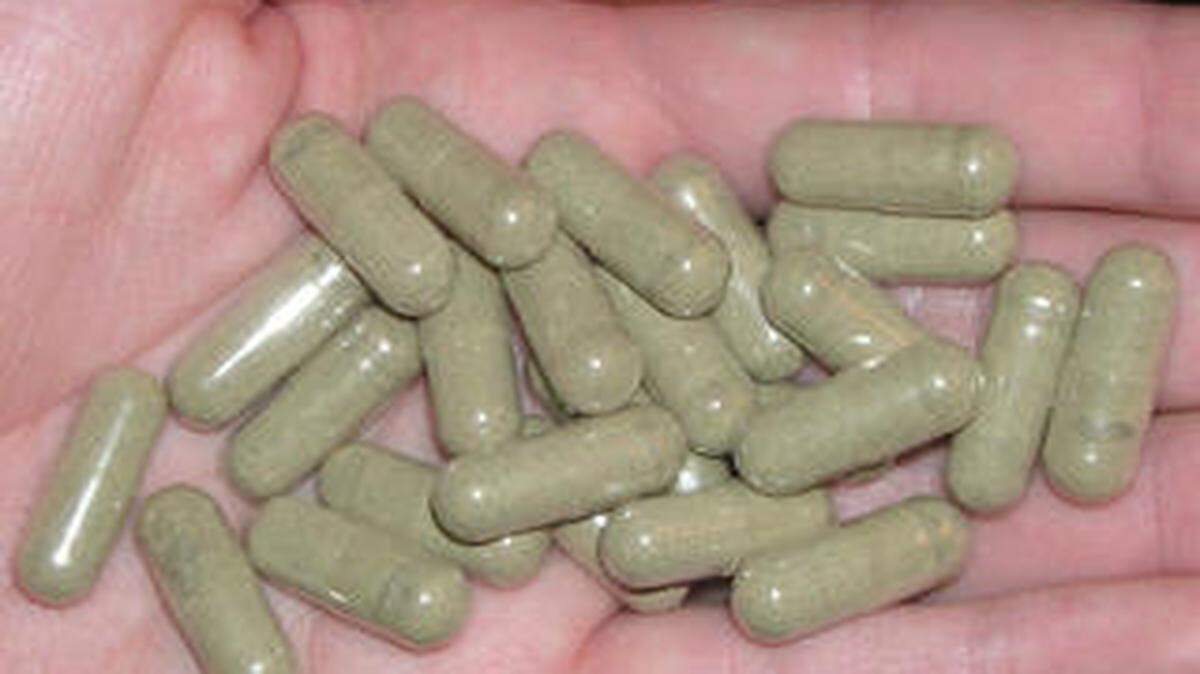
Also cropping up on shelves is kratom, which is born from a tropical tree native to Southeast Asia. It’s often found in capsules or brewed in tea.
People often use it to self-treat conditions such as pain, diarrhea, anxiety and opioid use disorder, according to the FDA.
The FDA has not placed kratom on its controlled substance list, but the agency has warned consumers not to take it due to the risk of serious adverse events such as liver toxicity and substance use disorder.
At least 22 states and the District of Columbia regulate the use of kratom.
What about xylazine?
Xylazine, also know as “tranq” and “tranq dope,” is a nonopioid veterinary tranquilizer that has been linked to an increasing number of overdose deaths nationwide, according to the National Institute on Drug Abuse. While it’s not classified by the federal government as a controlled substance, it is not approved for human use.
The FDA says xylazine is increasingly being found mixed with other drugs like fentanyl and heroin.
It issued an alert to health professionals that Naloxone, used to treat opioid overdoses, may not be able to reverse xylazine’s effects.
In addition to banning xylazine by adding it to the state’s list of controlled substances, lawmakers are also considering adding it, through another bill, to a list of drugs that would fall under death by distribution, a criminal charge for delivering or selling drugs that cause a death.
And how about tianeptine?
Often dubbed “gas station heroin” and sold in dietary supplements, this drug is a prescription drug used for major depressive disorder in Europe, Asia and Latin America, but not in the United States.
It creates a high similar to that of opioids but has the potential to cause addiction. Its moniker is due to it being available for purchase online and in various mini marts, smoke shops, and gas stations. It’s often found on shelves branded as “Zaza” and “Tianna Red.”
According to the FDA, across the country reports of severe side effects involving tianeptine are increasing, including seizures, loss of consciousness and death.
The N.C. House on Wednesday passed a bill adding tianeptine to the list of the state’s Schedule II controlled substances. That bill now moves to the Senate.
This story was originally published June 13, 2024 at 2:38 PM.