NC could toss ballots in Supreme Court election. So why aren’t other races affected?
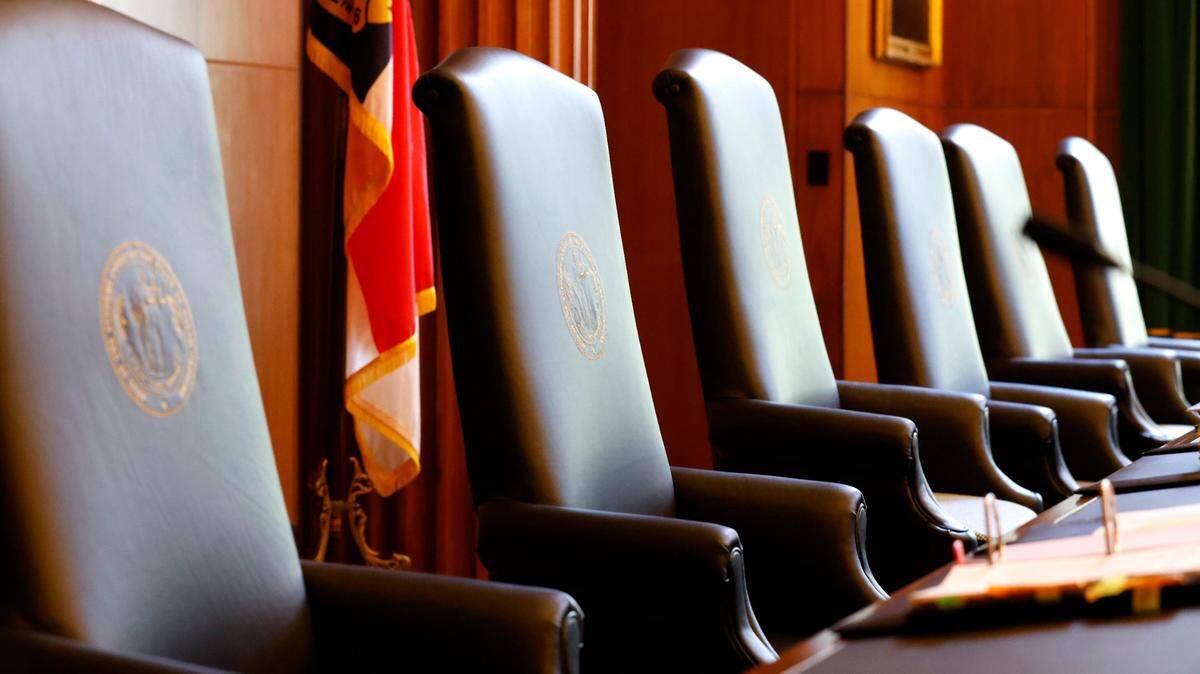
The results of North Carolina’s Supreme Court election could be overturned after the courts ruled that some voters must prove their eligibility or have their ballots thrown out in the race.
The court decisions come over five months after Republican Jefferson Griffin began his unprecedented legal campaign to contest his narrow loss to Democratic incumbent Allison Riggs.
First, on April 4, a panel of state Court of Appeals judges agreed with Griffin that more than 60,000 challenged voters could potentially be ineligible — even if the registration issues in question were not their own fault.
Then, on April 11, the state Supreme Court rejected most of those ballot challenges, but left an unknown number of ballots — potentially thousands — still in jeopardy.
But the decisions raise another question: What about every other North Carolina election that was decided by fewer than 60,000 votes? Plenty of state lawmakers, judges and local officials won their races by much smaller margins than that — so why are their victories not also in jeopardy?
The answer, it appears, is largely practical.
Every other election in North Carolina has already been certified and the winner has taken office. The Supreme Court race is the only contest in which a certificate of election has not been issued and a victor has not been sworn in.
The certification essentially locks in election results, according to Bob Orr, a former justice on the state Supreme Court.
“Once the barn door is shut, you don’t reopen it to start challenging all these others,” he said.
Shortly after Griffin began his case, he asked the Supreme Court to block the State Board of Elections from declaring Riggs as the winner. He argued that if the board did so, it would make all of his legal challenges moot.
The Supreme Court’s Republican majority agreed, and the board has been prevented from issuing a certificate of election since January.
Riggs does retain her seat on the court until a winner is certified — but that is only due to a provision in the state Constitution which says that justices keep their positions “until their successors are elected and qualified.”
This story was originally published April 7, 2025 at 12:56 PM.