Roy Cooper has never lost an election. Can he extend his winning streak in 2026?
AI-generated summary reviewed by our newsroom.
- Roy Cooper enters 2025 U.S. Senate race after 37 years in North Carolina politics.
- Democrats cite Cooper’s undefeated record and bipartisan appeal as key assets.
- Republicans question Cooper’s national readiness despite past statewide victories.
Editor’s note: With the 2026 U.S. Senate race in North Carolina taking shape, The News & Observer spoke with longtime supporters and allies of Roy Cooper and Michael Whatley to understand what kind of political experience both candidates bring to their campaigns and the case for how each of them could win. This story, about Cooper, is one of two The N&O is publishing looking at each major candidate. Find our story about Whatley here.
Over nearly four decades in public office, former Gov. Roy Cooper has never lost an election. Now, Democrats are hoping he can extend his winning streak in next year’s high-stakes U.S. Senate race.
Cooper most recently served two terms as North Carolina governor. When he left office at the end of last year, he concluded 37 years of continuously serving in elected office that began in 1987 with two terms in the N.C. House of Representatives. He went on to serve 10 years in the N.C. Senate, and in 2000, successfully ran for attorney general, a high-profile position in state government voters would reelect him to three more times.
Democrats repeatedly tried to recruit Cooper to run for U.S. Senate in the past, but he turned those requests down. As his second term came to an end last year, however, speculation grew about what the state’s most prominent Democrat would do next.
Cooper formally entered the race in July, saying he never intended to seek office in Washington but couldn’t remember the “country facing a moment as fragile as this.”
Cooper, the only candidate currently running on the Democratic side, is likely to face Republican Michael Whatley, a former top leader for both the state and national Republican Party organizations who has been endorsed by President Donald Trump.
Having eagerly anticipated Cooper’s entrance into the race, which political experts believe could become the most expensive in history, Democrats are hopeful the two-term governor’s record of never having lost an election will help him win back one of the state’s two Senate seats.
“I think we got the best candidate we could possibly have, but I do think it’s going to be an uphill battle,” House Minority Leader Robert Reives told The News & Observer in August.
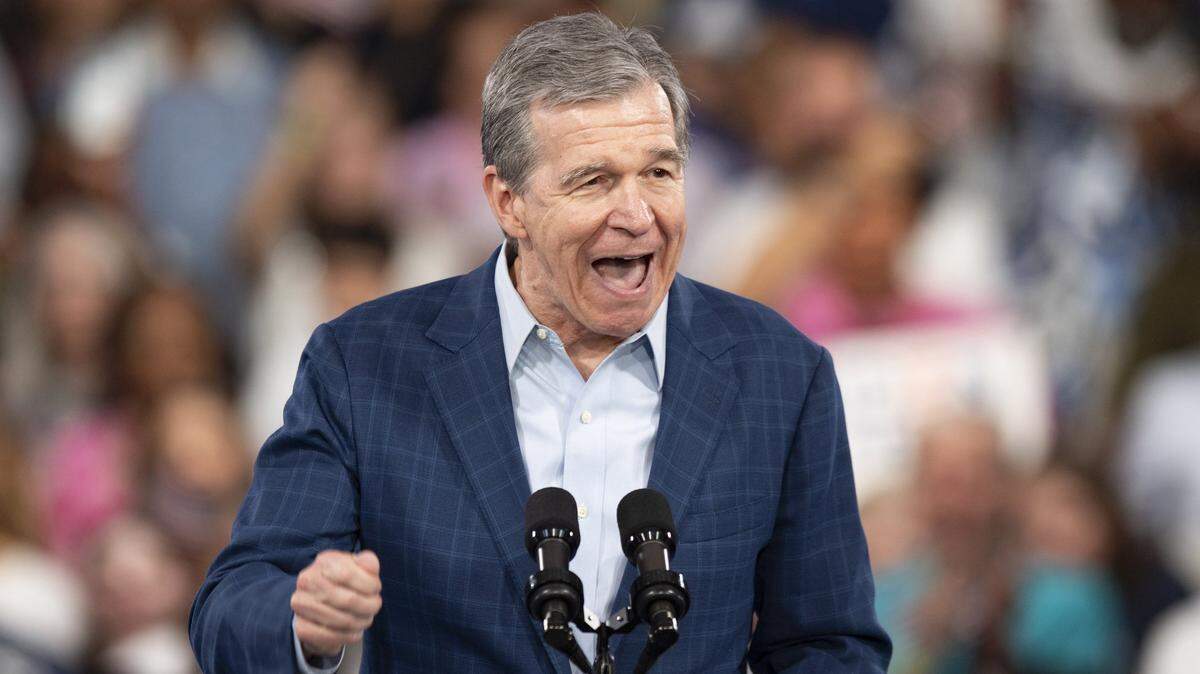
Cooper brings decades of political experience to the race, but Reives said that even with the strongest candidate the party could hope for, Democrats can’t afford to be complacent.
Reives said he thinks Cooper will approach this campaign the same way he approached his successful bid for the governor’s mansion in 2016, when he ousted incumbent Republican Gov. Pat McCrory in a grueling race that was decided by 10,277 votes.
“I think he understands that he’s coming in as an underdog, I think he understands that he’s carrying the weight, not just of the state and the position, he’s really carrying the weight for Democrats all across the country, to show people how serious we are, who we are, and what we represent,” Reives said.
Voters have known Cooper for a long time, Democrats say
A big part of the challenge in high-intensity and high-spending races like this one, Reives said, is whether candidates can define themselves in the eyes of voters and avoid being defined by their opponent.
That’s an area where Reives thinks Cooper has an advantage, because of how long he’s been a leading figure in North Carolina politics.
Senate Minority Leader Sydney Batch agrees. In a September interview, Batch told The N&O there isn’t a better candidate for Democrats in the state than Cooper to go up against Republicans next year, exactly because he “has been around for a very long time.”
“People know who he is, and so while the Republicans try to characterize him as a woke liberal and far-left liberal, and associate him with all of their culture war-BS issues, people don’t buy it,” Batch said.
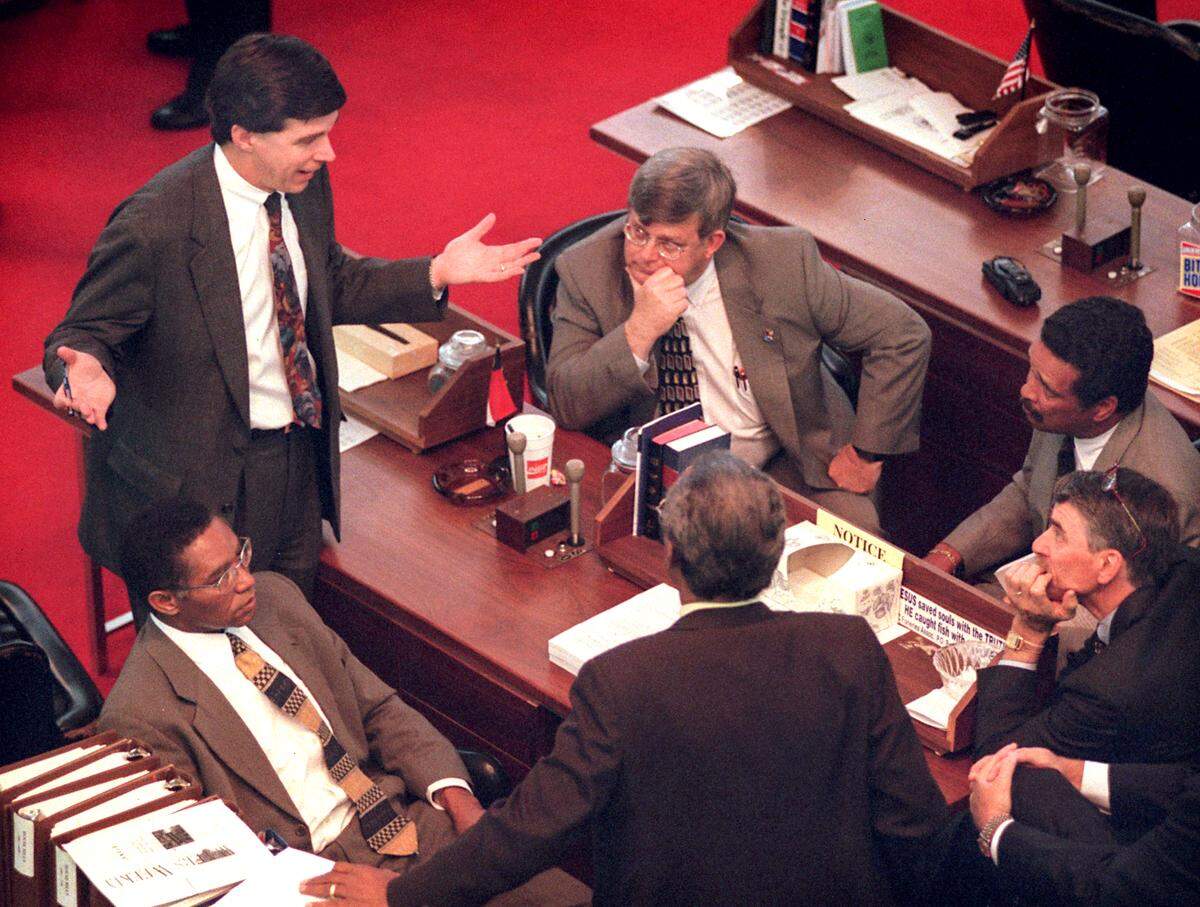
Batch, who recently took over as leader of Senate Democrats, has known Cooper since her first legislative campaign, a successful run for a competitive N.C. House seat in Wake County in 2018.
Republicans have contended that even though Cooper has been in the spotlight for decades, he hasn’t experienced the scrutiny and difficulty of a high-stakes campaign for a nationally watched U.S. Senate race in a battleground state like North Carolina.
Batch objected to that notion and called it laughable, citing his two successful high-profile gubernatorial campaigns.
“He has a record, and the reality is that they don’t want it to be him because they know that North Carolinians trust him, and they know how he’s done and how he’s governed us,” Batch said.
Democrats are also buoyed by the fact that Cooper prevailed in both campaigns, in 2016 and 2020, even as Trump was at the top of the same ballot, winning the state in each cycle’s presidential race.
Batch said Cooper has “definitely inoculated himself,” having been a known figure in North Carolina long before Trump’s takeover of the Republican Party and ascent to the White House.
“He’s been in politics a lot longer than Trump has, and he has built the respect and the relationships with people across the state, Republican and Democrat,” Batch said.
The fact that there are Trump-Cooper voters in the state’s electorate shows that Cooper can appeal to a broad set of North Carolinians, Batch argued.
“If you look at his elections, and all of the races that he’s been on the ballot, he comes out on top, but Democrats don’t always,” Batch said, pointing to the 2020 election as an example of Cooper’s unique ability to compete for voters whose support other Democrats lost.
“There are Republicans who vote for him, because he wouldn’t otherwise be the governor if that was the case, and that’s because they see that he is moderate, and they truly believe that he cares about everybody, and about the well-being of this state,” Batch said.
Winning on the same ballot as Trump, and an undefeated streak in NC
Voters in North Carolina have regularly split their tickets when choosing who to vote for in races at the top of the ballot.
Split-ticket voting makes even more sense considering the number of unaffiliated voters has steadily grown over the years, recently surpassing the number of both registered Republicans and Democrats to become the largest voting bloc in the state.
In fact, in nine of the last 16 presidential elections, North Carolinians voted for presidential candidates and gubernatorial candidates belonging to different parties.
Cooper’s strength on the ballot is clear when his performance with voters during both of his campaigns for governor is compared to how other candidates fared, including Trump.
In 2016, Trump led Republicans in delivering a good election night result for the party in North Carolina, defeating Hillary Clinton by 3.6 percentage points. Trump earned 2,362,631 votes in the Tar Heel state that year.
Former U.S. Sen. Richard Burr defeated now-U.S. Rep. Deborah Ross in that year’s Senate race by an even greater margin: 5.6 percentage points. Burr earned 2,395,376 votes that year.
Among Democrats running for Council of State that year, with the exception of longtime Secretary of State Elaine Marshall, Cooper received more votes than any other Democrat. With 2,309,157 votes, he narrowly defeated McCrory, the incumbent governor, and claimed the Executive Mansion for Democrats.
Four years later, even as Trump lost the election to Joe Biden, he won North Carolina for the second time, boosting his turnout with 2,758,775 votes.
U.S. Sen. Thom Tillis, who announced earlier this year he won’t seek reelection in next year’s race, won a second term in 2020 with 2,665,598 votes.
Cooper, meanwhile, out-performed both Trump and Tillis, receiving 2,834,790 votes. He defeated Lt. Gov. Dan Forest, who had been in that office since 2013, by a more comfortable margin of 4.5 percentage points.
Before running for governor, Cooper dominated elections for attorney general, easily convincing voters to return him to that office again and again over a 16-year period.
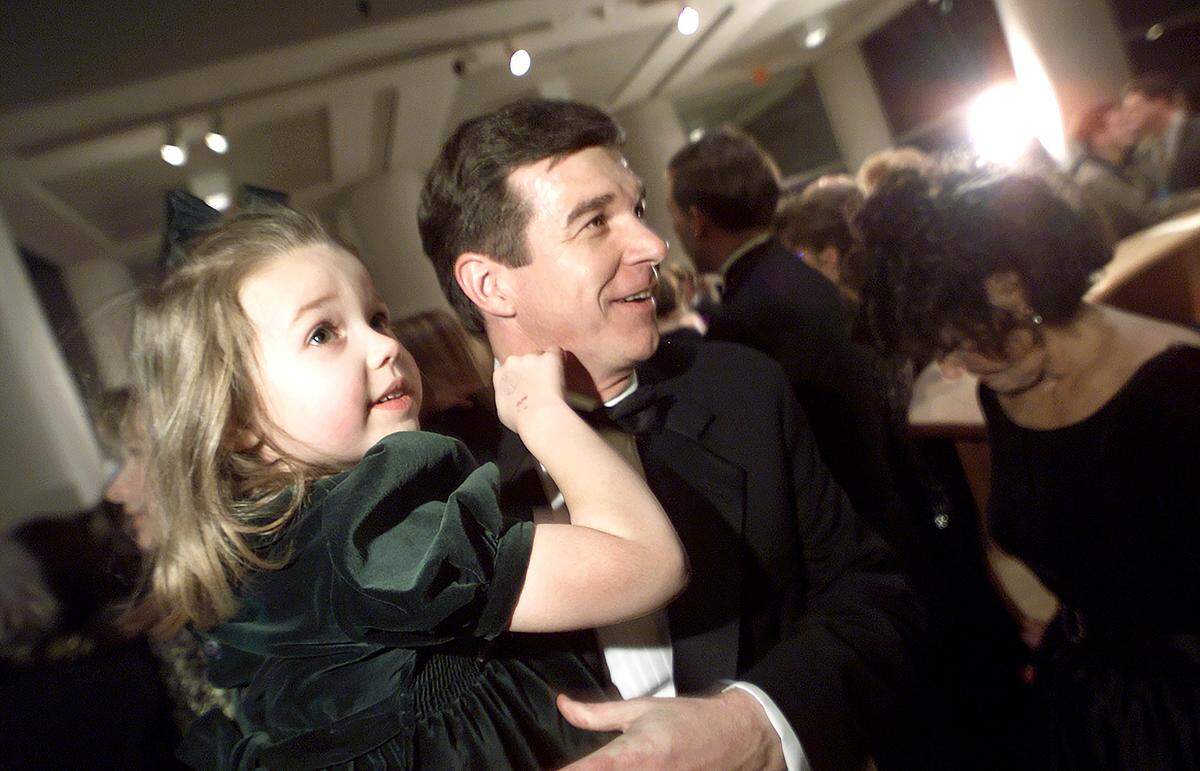
After 14 years in the General Assembly as a prominent lawmaker and party leader, Cooper defeated Republican Dan Boyce by 4.8 percentage points to keep the attorney general’s office in Democratic control. It ended up being his worst margin of victory over the course of his four campaigns for the office.
In 2004, Cooper won reelection by an even greater 11.2 percentage points. In 2008, he won a third term with a commanding 61% of the vote, defeating his opponent by 22.2 percentage points.
In 2012, Republicans, who had two years earlier wrestled away control of the General Assembly from Democrats, and during that same year won the governor’s mansion with McCrory, didn’t even bother fielding a candidate to go up against Cooper.
He won his fourth and last term as attorney general running unopposed.
How Cooper’s campaign will attack Republicans in 2026
Since launching in July, Cooper’s campaign has rolled out a few key lines of attack against Whatley and Republicans.
One major attack line has been about Medicaid, which North Carolina GOP lawmakers agreed to expand access to in 2023, after more than a decade of stringent opposition to the idea pushed by Democrats since President Barack Obama’s Affordable Care Act made it possible.
Democrats, here in the state and nationally, have raised concerns about the impact Trump’s signature “One Big Beautiful Bill” could have on Medicaid.
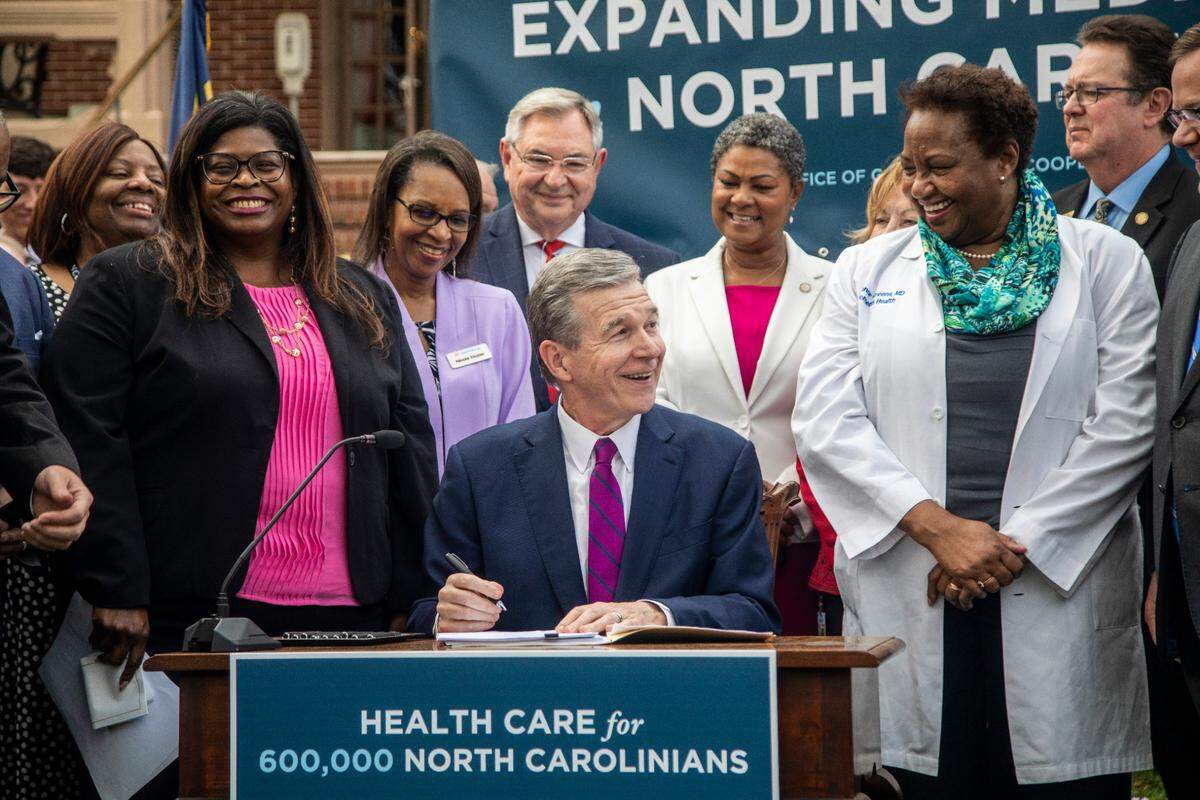
Cooper, who continuously pushed to expand Medicaid after taking office as governor in 2017, has decried the recently enacted law and vowed to fight to protect access to the health care program for low-income North Carolinians.
Democrats have also attacked Whatley’s past experience as a lobbyist, and lack of experience as a candidate running for office, labeling him a “political operative” and “DC insider.”
Reives said he thinks the key in next year’s race will be connecting with voters at the grassroots level and countering and displacing what they may hear from the opposition during the expected bombardment of negative attack ads.
He said it’s crucial for Democrats to tell voters what they stand for and will fight for, so that voters automatically discount things they hear on the trail that are distortions or untrue.
“I think if we’re complacent and we think that we’re just going to run by saying those guys are bad, without presenting a vision to this state and this country about why you should support us because of the good we’re going to do, I think we lose,” Reives said.
This story was originally published September 25, 2025 at 5:00 AM.