With raises on the line, why NC House Speaker Destin Hall isn’t budging
AI-generated summary reviewed by our newsroom.
- In his first year, NC Republican House speaker holds out for teacher raises
- Speaker Destin Hall, House Republicans ‘frustrated’ by budget delay
- Budget deal for General Assembly unlikely until April or later
Spring is months away, and the cold lingers not just in the air outside, but in the empty halls of the North Carolina General Assembly.
Ice will melt and flowers will begin to bloom before North Carolina sees a new plan to spend more than $30 billion in taxpayer money.
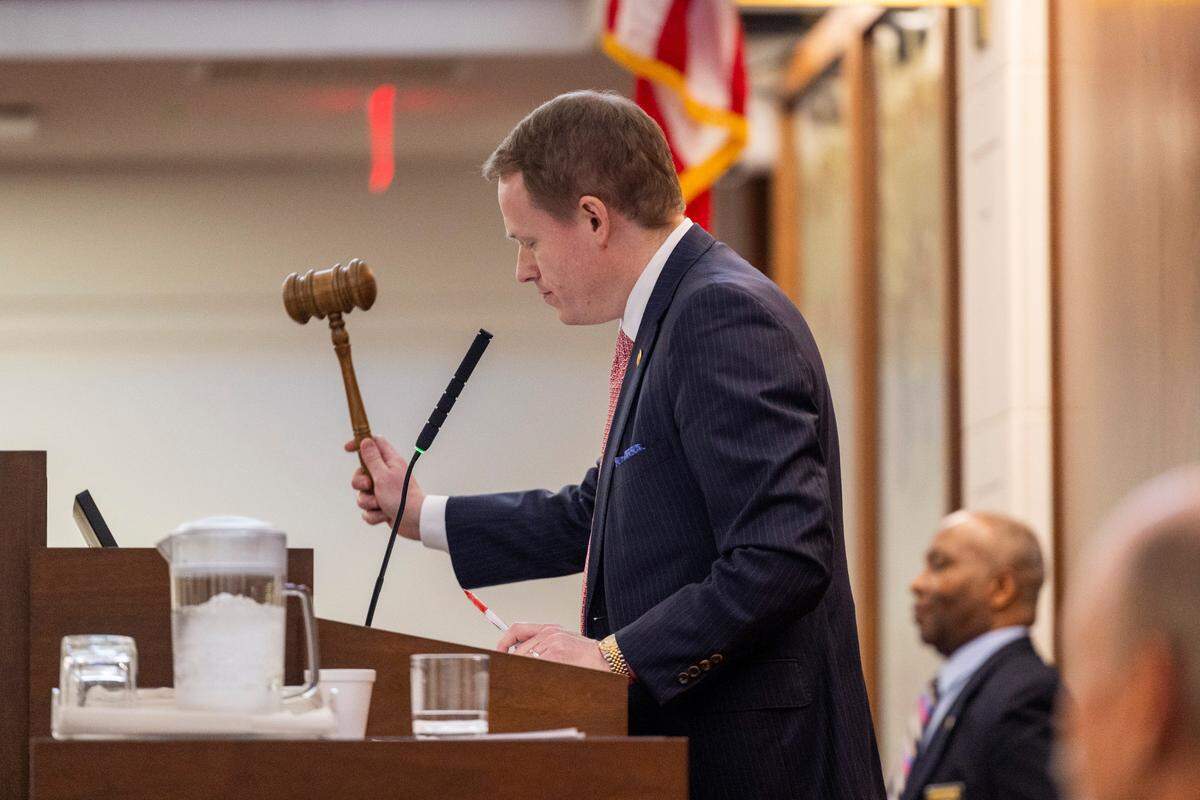
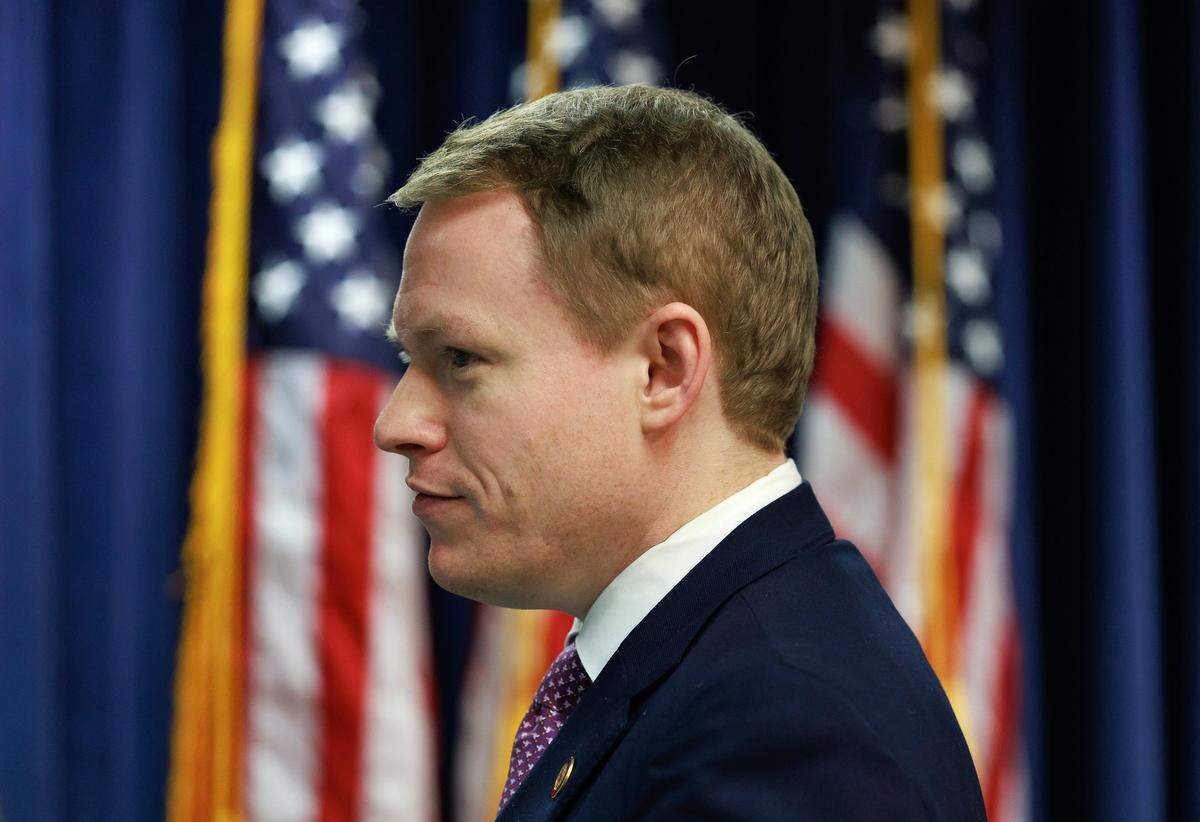
House Republicans are banking on the stalemate with Senate Republicans, whenever it dissolves, to pay off, and no one more so than House Speaker Destin Hall. He’s one year into the job as speaker, and says he’s not budging. His digging in to the budget trench has defined his first year.
While the delay has been frustrating for lawmakers who voted in favor of the House’s spending plan — with raises for teachers and state employees and slowed-down tax cuts — they still back the plan.
Like the coming changing of seasons, hope springs eternal.
Starting teacher pay ‘critical’ for the House
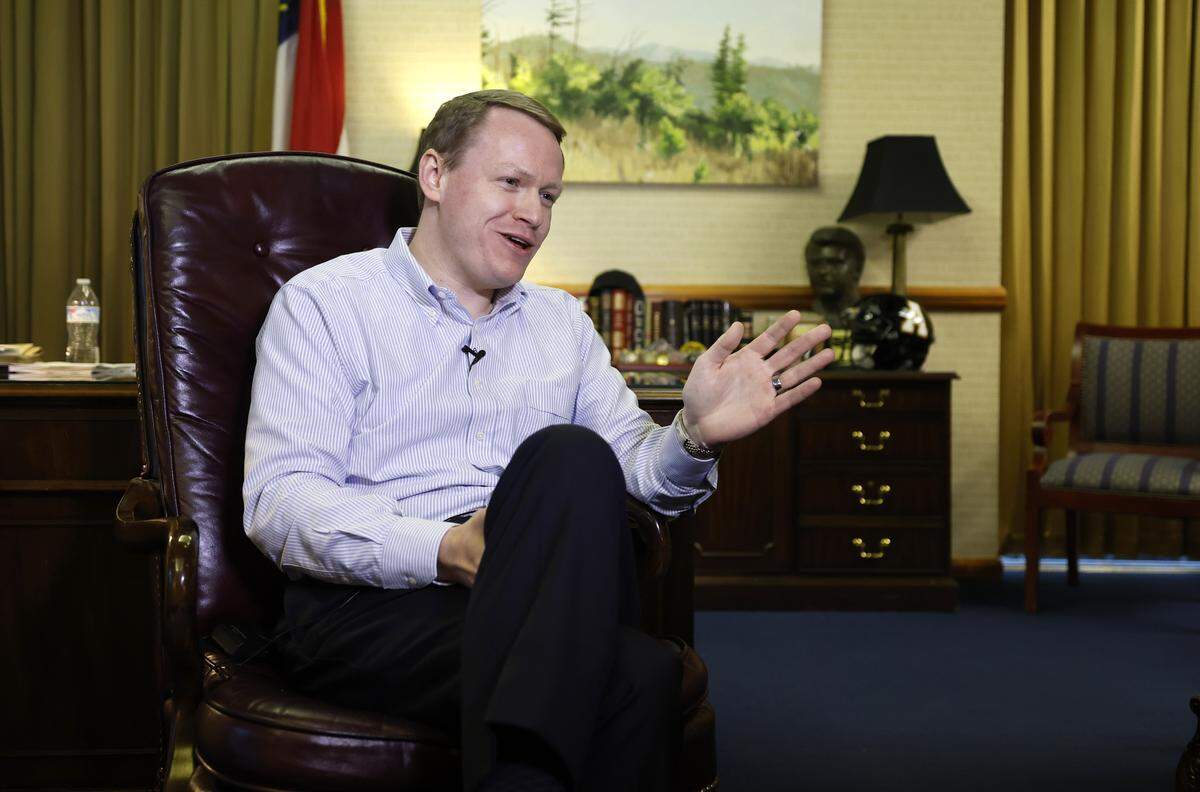
Hall said in a November interview with The News & Observer that issues he talked about when he started his job in early 2025 remain.
There’s Helene recovery, which was the topic of the first bill Democratic Gov. Josh Stein signed and is an ongoing focus.
And there’s public safety, which for Hall included House Bill 318, requiring stricter sheriff cooperation with Immigration & Customs Enforcement. That bill was vetoed by Stein, but Republicans and one Democrat passed it into law over his objections.
“If you as a sheriff, you have someone in your jail who’s been charged with a serious crime, who also happens to be here illegally, you have to cooperate with ICE if they issue a detainer. We got that done. Overrode the veto,” Hall said.
The third big issue is teacher pay, including Hall’s pitch to raise starting pay for teachers to the highest in the Southeast. The House proposal passed in May would have raised starting teacher base pay to $50,000 by July 2026.
Rep. Erin Paré, a Wake County Republican and Appropriations Committee chair, said Hall “came out strong and bold on issues that are very important, that I care about deeply, which is strengthening public education” and raising teacher pay across the board.
“He talked about it when ... he became speaker, on swearing-in day, and he’s stuck with that,” Paré told The N&O in an interview.
“So I think he’s definitely leading in that way, and we’ll see what happens when in the spring, when I do think we are going to get a budget, a comprehensive budget. I think we’re going to get that done,” she said.
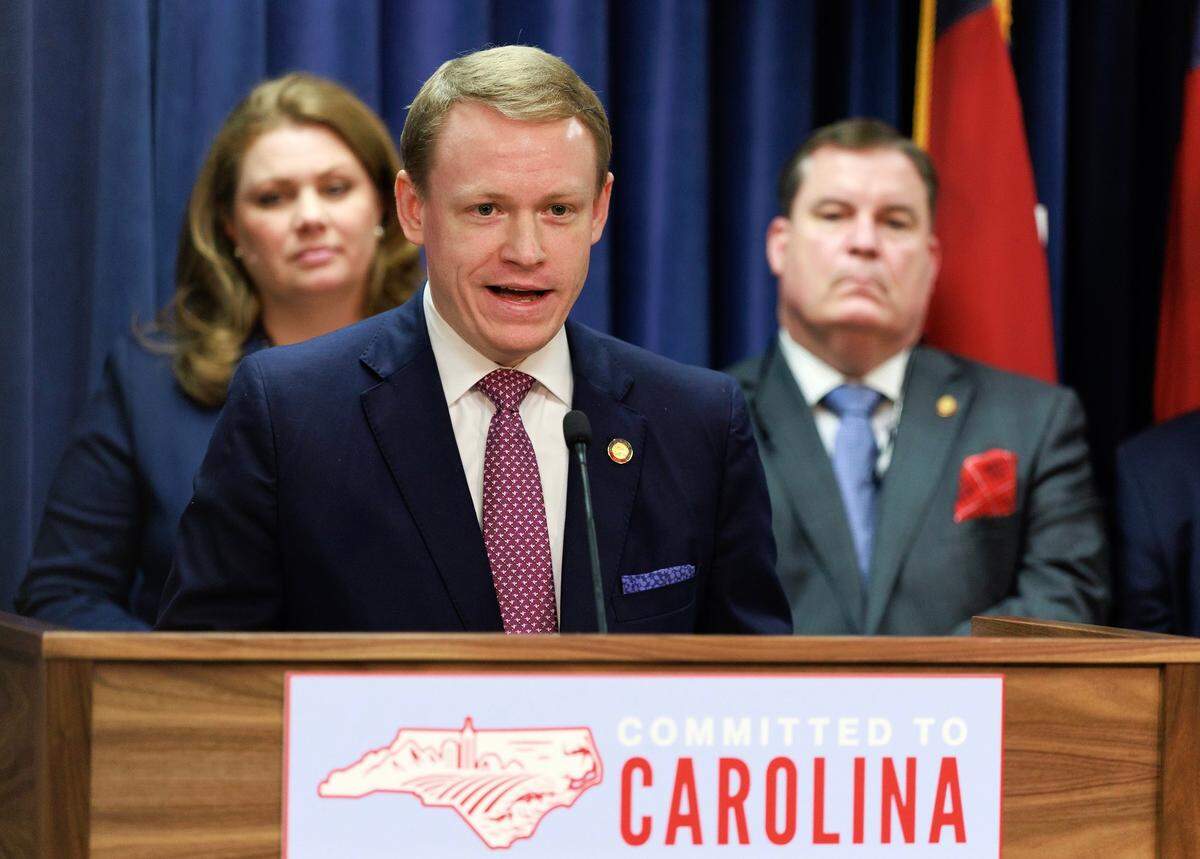
Hall said that raising starting teacher pay “is something that’s critical to (House Republicans). We want to be pro-education on all fronts — school choice and in our public schools. And so that’s one of the reasons that you see us holding out (in) the budget debate.”
Republicans in both chambers support funding private school vouchers, called the Opportunity Scholarship program, which Democrats criticize for using taxpayer money on private, not public, schools. The state budget funds the vouchers.
Hall’s different style than Moore
“Don’t burn any bridges.” That was outgoing Republican House Speaker Tim Moore’s advice to Hall, who had served as the powerful House Rules Committee chair and was a top lieutenant to Moore.
“I think a lot of Tim Moore — obviously, he and I are close and friends, and he was the speaker for the longest tenure in history. And there’s a reason for that. You know, some may not like him. Most people do like him, though; most members of our caucus like him very much. And he was very effective,” Hall said.
Moore told The N&O in a phone interview Thursday that while “his style is very different than mine,” he thinks Hall is one of the smartest people in the legislature, and hardworking.
On the teacher pay debate, Moore said that the legislature needs to keep up with “inflationary pressures that are out there. .... If you want to keep good quality educators in the classroom, you’re going to have to pay them.”
On Hall’s budget stalemate strategy, Moore said he’s just reflecting his caucus.
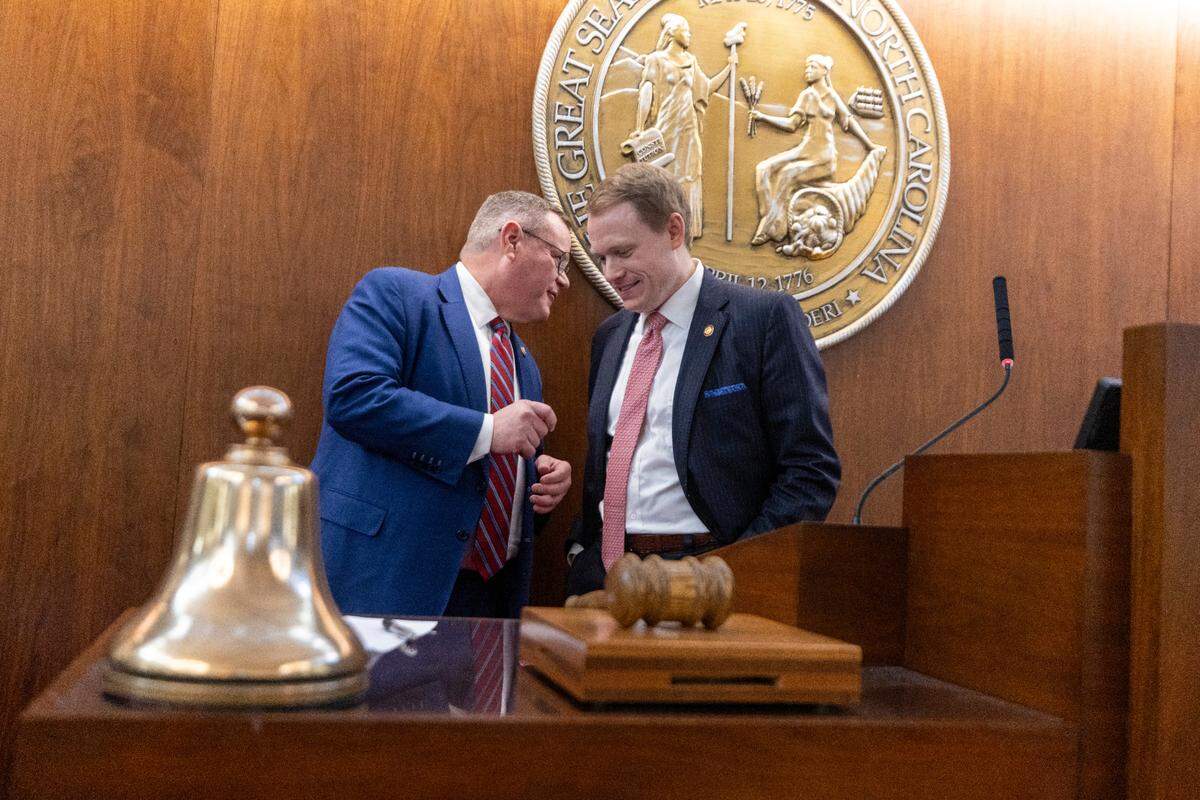
When Moore, 55, who is now a member of Congress, was speaker, he walked the halls of the Legislative Building, chatting and back-slapping most people he encountered. Hall, however, is more reserved.
Both Republicans and Democrats say that some of it is just his life stage: Hall, who at 38 is approaching middle age and in his fifth term in the House, isn’t like his elder counterparts who are retired, work part-time or have grown children.
In the faceoff with the Senate, Hall’s counterpart is a veteran leader, 73-year-old Sen. Phil Berger of Rockingham County, who has served 13 terms as a lawmaker and eight as the Senate president pro tempore.
A few months after Hall was voted in as speaker, he became a dad. He and his wife, Madison, and their son, Henry, live in Granite Falls. Hall, who went to Appalachian State University for undergrad and Wake Forest University Law School, is also a general practice attorney with the law firm of Wilson, Lackey, Rohr & Hall in Lenoir.
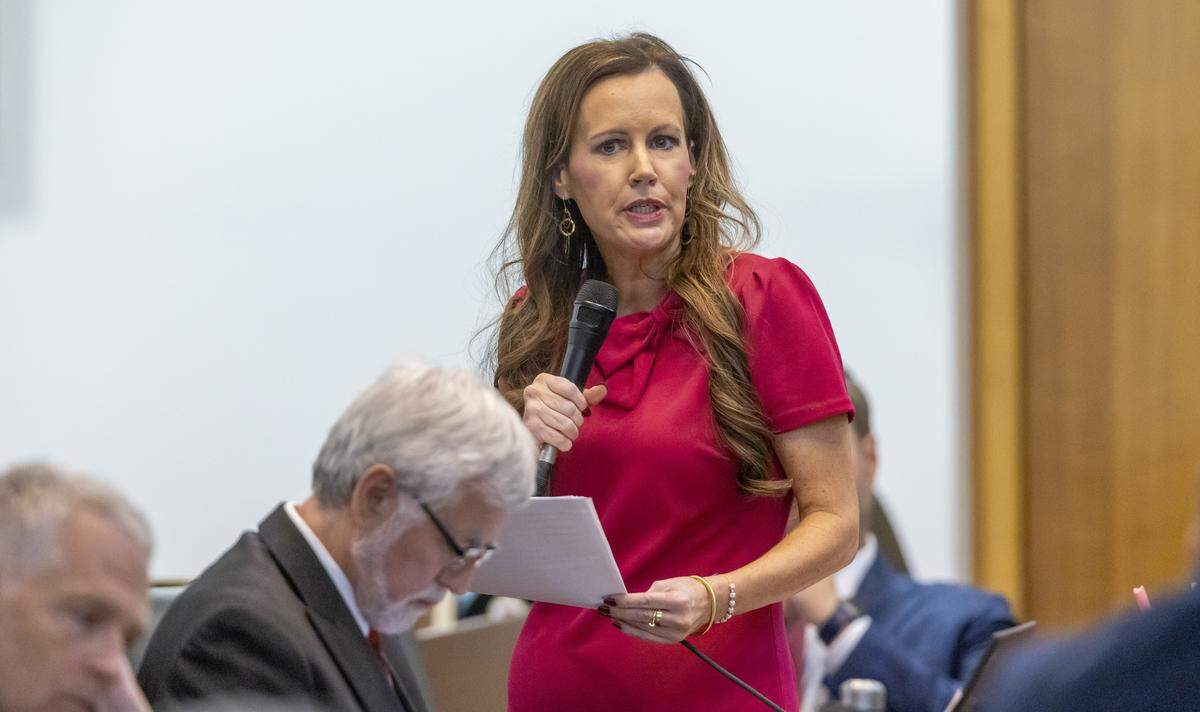
Mecklenburg County Republican Rep. Tricia Cotham said Hall is “a quiet leader.”
“He’s a very thoughtful, principled leader,” Cotham said. “One thing I like about him as a leader is he has good people, from staff to members of the caucus, and he trusts us to do our job.
“He doesn’t try to interfere, he doesn’t try to micromanage. And if we need him for something, we can talk to him. Now that he has a baby that’s usually late at night, which is perfect for me, but he’s always just been extremely responsive, and I think his first year has been successful with everything that we’ve done, except for having a budget,” Cotham told The N&O.
No budget deal in 2025
“Yes, North Carolina is one of the last states to have a budget,” said Cotham, a longtime lawmaker who switched parties from Democratic to Republican in 2023, and was reelected as a Republican in 2024.
“I think this year is a bit of a unique perspective, because Sen. Berger has been here for so long, and he’s also against the new guy in town,” Cotham said. “And I think those politics and personalities do come into play, but Speaker Hall has been very open and transparent about what the big things are and where we are holding the line. He’s explained it well, and we’re not going to budge on certain things,” Cotham said.
Cotham, who chairs the K-12 Education and Appropriations-Education committees, said she hopes the House and Senate can meet in the middle on raising teacher pay toward the national average.
She said that over her time in office, “I’ve never seen a caucus more together and solid on this issue and wanting to hold the line,” and credited Hall’s transparency with House Republicans as the reason for it.
“Are we frustrated? Of course we are,” Cotham said.
“It has been frustrating for me, and I’m disappointed. My constituents are disappointed, and it just brings a lot of angst and fear for everyone who relies on us,” she said.
“We should have a budget. That’s our big responsibility to do, and we’re leaving teachers ... just out there, just holding on, waiting and seeing, and that’s wrong. It’s not good government,” Cotham said.
Lawmakers passed three small spending bills the House and Senate both agreed on in the second half of 2025. The bills authorized step-increase raises for teachers and some state employees — longevity-based increases for employees on a salary schedule — gave some funding to Medicaid and to cover school enrollment costs, and also money to right the troubled Division of Motor Vehicles.
But that funding paled in comparison to what was done during the last big budget stalemate, from 2019, when a series of mini budgets passed with raises.
The real debate, as Hall describes it, is over taxes. If the House agrees to keep the revenue triggers for income tax cuts in 2027 and beyond, there could be less money for the teacher and state employees raises that Hall, House Republicans and some Democrats want. House and Senate Republicans agreed on the triggers in 2023, before Hall was speaker.
“So until we change those things, there’s really not a bill to be had,” Hall told The N&O in late November.
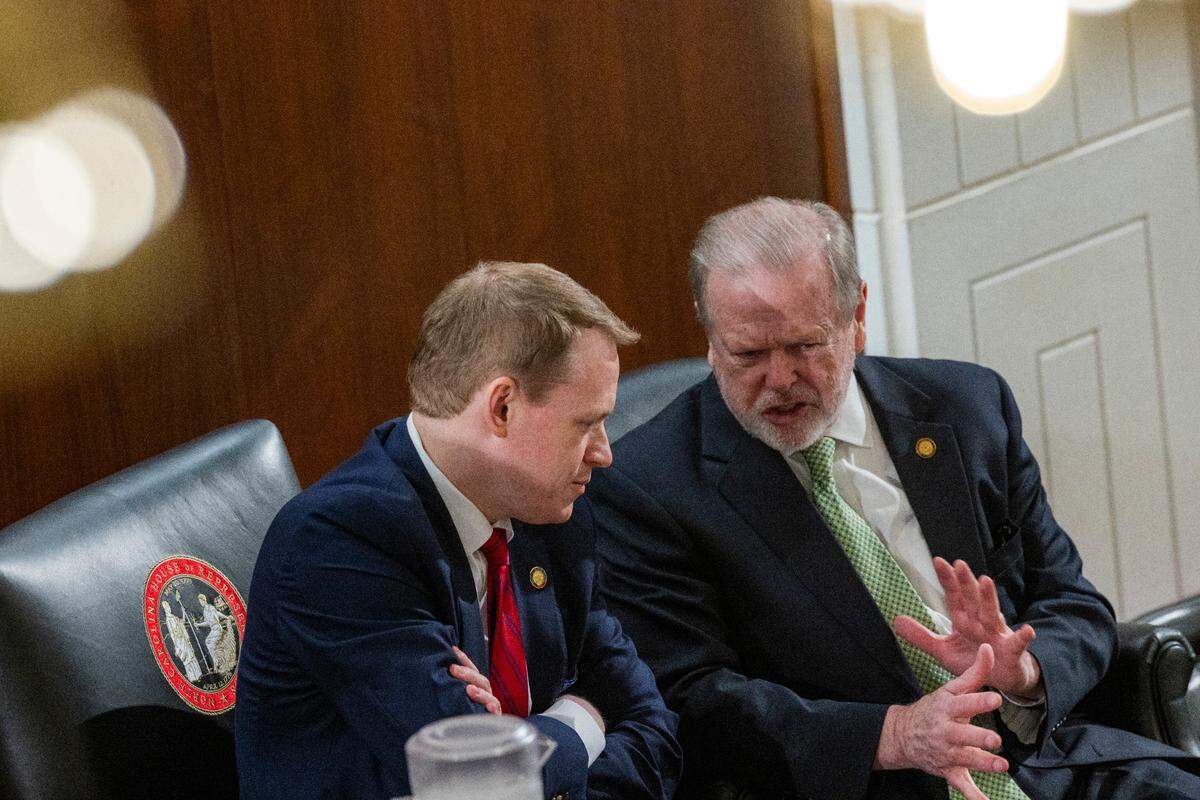
In a December interview on PBS NC “State Lines,” Berger said he thinks “comprehensive budget talk is not going to result in a comprehensive budget until maybe the short session. We’ll see when we get back in April whether or not it does. The Senate is really determined to — we’ve promised people a tax cut — that that tax cut ought to take place.”
The session starts on April 21.
Hall, as well, looks to the spring short session for a resolution, which is the second part of the General Assembly’s two-year session.
“I believe in the righteousness of our cause, but we’ll get it done before the end of this (two-year) session,” Hall said.
How the House sees Hall
Some Republicans offer quick praise when asked to assess Hall’s first year and budget strategy.
Rep. Brian Echevarria, a Cabarrus County Republican, described Hall as “amazing, very strong, diplomatic, extremely intelligent.”
As a freshman lawmaker, he’s not part of budget negotiations, but Echevarria is “waiting on a great budget. I think our House budget was amazing, as our House agreed, and we’ll see what happens.”
Hall “has the skills necessary to lead us, and he’s doing a good job,” said House Speaker Pro Tempore Mitchell Setzer, a Catawba County Republican. Setzer said the Senate should simply pass the House version of the budget.
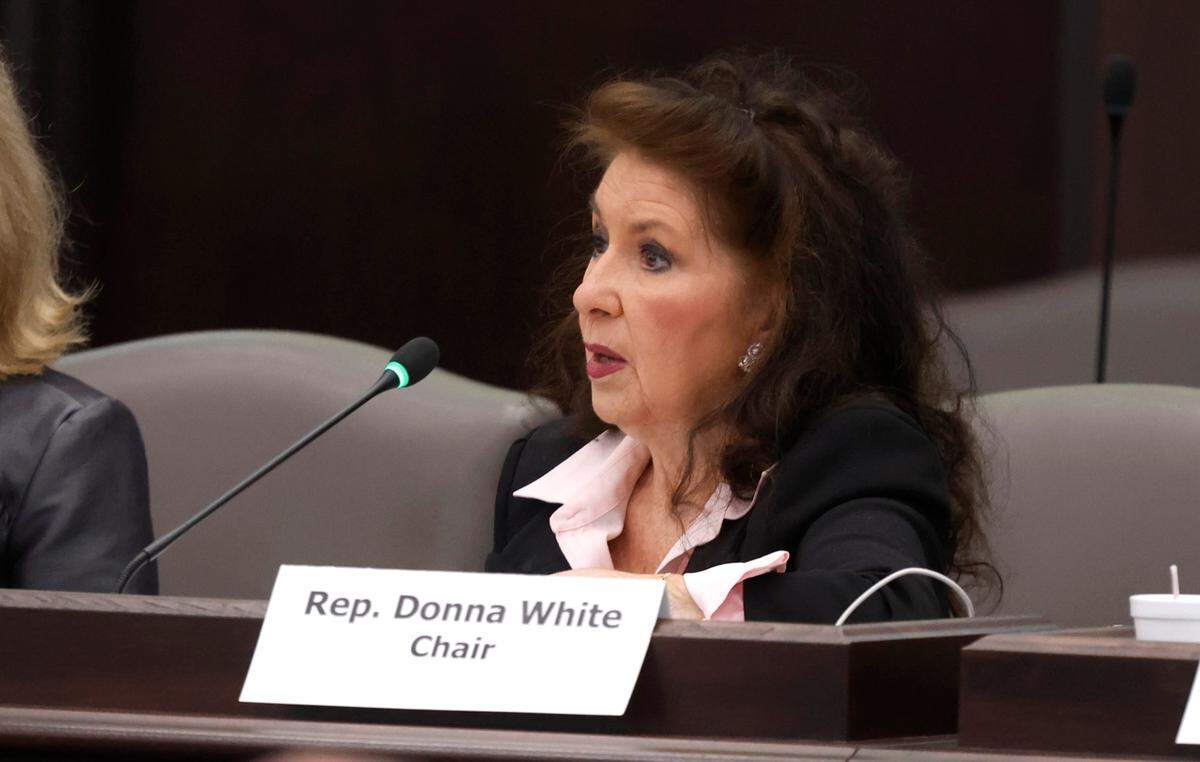
Rep. Donna McDowell White is optimistic about a compromise on at least Medicaid funding in March, before the spring session.
“I may be wrong on that, but I would think there would be changes before April,” she said.
The Johnston County Republican said she’s seen Hall work this past year with Democrats “probably more so even than Speaker Moore did. ... And I have tried very hard to work with both sides to find out the best solution for all of us. And sometimes that works, and sometimes it doesn’t, but that’s my goal,” White said.
House Republicans are one vote short of a supermajority, and have only overridden vetoes from Democratic Gov. Josh Stein because they gained some Democratic votes. Noncontroversial bills often pass with bipartisan support.
Some Democrats say they appreciate Hall being honest with them, though they disagree over policy.
Democratic Rep. Phil Rubin of Wake County, a freshman lawmaker, said Democrats have had their concerns heard by Hall and sometimes have gotten legislation changed or pulled before a vote.
Other times, he said, Republicans have brought bills to the House floor that can’t be amended — something he contends is unconstitutional because the public didn’t have a chance to participate in the process.
Rubin described Hall as “an incredibly gifted and intelligent person,” but said he wants House Republicans to focus on solving problems.
“On substance, I think it’s hard to look at (2025) and think that the House has had a very successful year in terms of substance. You know, we failed to pass a budget. And more than that, even the bills that had passed have ... been sort of relatively small. We’re so focused on the politics that they don’t have the substance,” Rubin told The N&O.
The governor has been sidelined during the budget stalemate. Stein told The N&O that he is ready to help mediate between the House and Senate, and that while he has strong differences of opinion with Hall and Berger, “they’ve been frank, they’ve been honest. And I don’t think you can have a constructive working relationship if you can’t believe what the other side is telling you.”
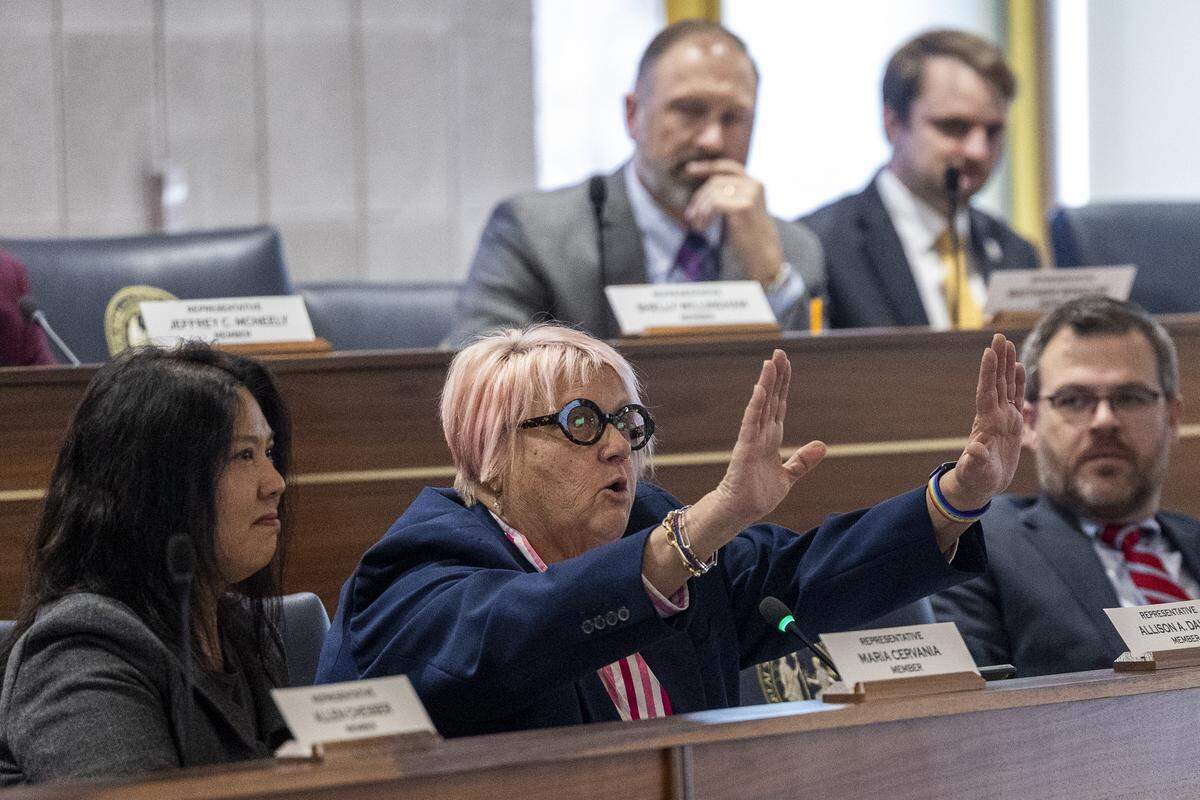
Wake County Democratic Rep. Allison Dahle said she respected Hall being truthful about his intent with House members.
“When he stood up on the floor when he was the Rules chair, and said, ‘Don’t get me wrong. We are going to try to override every veto,’ I told him I respected that, because he said what his mission was,” Dahle said.
‘There’s always hope’
With nearly three months to go before the next voting session, legislators are waiting just like North Carolina taxpayers.
And like other House members, Rep. Howard Penny, the House deputy majority whip, is frustrated with the lack of a budget deal.
He looks at “the positive things” they proposed in the House budget, like raising starting teacher pay, reinstituting extra pay for teachers who have master’s degrees, and raises for state employees and retirees.
“We legislators say all the time, we’re sitting here for one reason: to have a state budget. And we did not go home with a state budget in this first part of the biennium,” he said. He remains frustrated but optimistic.
“There’s always hope,” Penny said.
This story was originally published January 29, 2026 at 5:00 AM.