4 bills backed by NC GOP Senate leader Berger that could become law in 2026

AI-generated summary reviewed by our newsroom.
- Berger-backed bills seek permitless carry, ICE cooperation, and anti‑DEI policies.
- Senate’s 30-20 supermajority can override vetoes; House must act on overrides.
- Berger’s influence faces uncertainty after primary loss amid leadership succession.
Republican Senate leader Phil Berger has been in power for more than 15 years, and he will have a chance in his final legislative session to push policy across the finish line that hasn’t yet made it.
But one unknown is how much sway Berger will still have, given that he lost his primary race to Sam Page — a power-shattering upset in North Carolina politics.
Time was, if Berger backed a bill, then it was destined for passage.
Berger rarely introduces bills — just 12 in 2025 and another dozen in 2024. Before that, for several years he introduced or was primary sponsor of less than 10 bills a session.
That means bills he pushes carry significant weight.
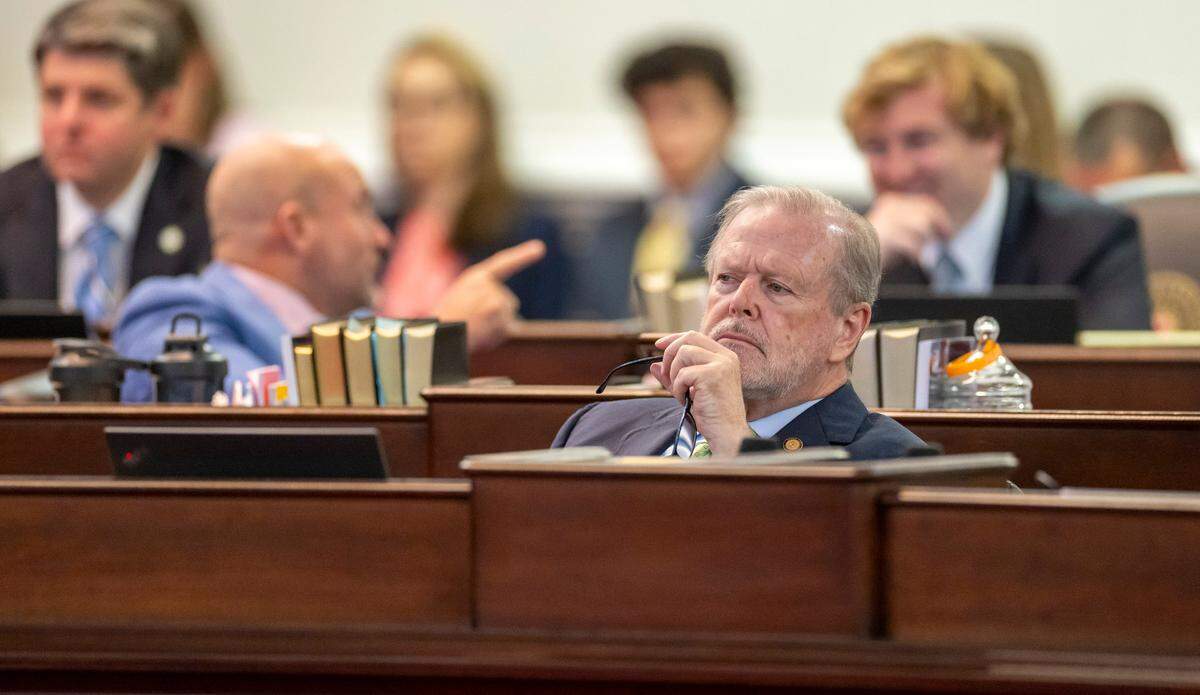
Many lawmakers introduce dozens of bills every session. Berger’s Democratic counterpart, Senate Minority Leader Sydney Batch, introduced 40 bills last year, and Republican Majority Leader Michael Lee introduced 50 bills.
He’s been successful on many fronts, as Republicans rarely bring a bill to the floor for a vote unless they know it will pass.
Here’s a look at major legislation Berger has backed and what that could mean for his final legislative session.
Veto overrides
Senate Republicans have a 30-20 supermajority, so they can easily override a veto from Democratic Gov. Josh Stein if all Republicans vote together.
There are four vetoed bills that the Senate overrode in 2025 but that were not voted on in the House. The House has put them on each new session day calendar, which means an override vote could happen at any time during the 2026 session that Republicans are confident the override would be successful.
All four of those bills awaiting a House veto override vote were introduced by Berger:
- Senate Bill 50, called “Freedom to Carry NC” would no longer require someone carrying a concealed handgun to have a permit. Opponents, including two House Republicans, say the repeal would mean less training and that keeping the law would set “an example of responsibility and safety to others.” Berger said in June that he wanted the change because “Law-abiding North Carolinians shouldn’t have to jump through hoops to effectively exercise their Second Amendment rights.”
- Senate Bill 153, called “North Carolina Border Protection Act,” is one of two controversial ICE-related bills that the Senate override in 2025. One was overridden in the House, but SB 153 was not. The bill would require stricter cooperation with U.S. Immigration and Customs Enforcement from state agencies.
- Senate Bill 227, “Eliminating ‘DEI’ in Public Education,” and Senate Bill 558, “Eliminating ‘DEI’ in Public Higher Education.” Both anti-diversity, equity and inclusion bills have Berger as a primary sponsor. When Berger filed SB 227 about a year ago, he said that “we can teach history without forcing our educators and students to embrace and adopt ideologies inconsistent with equality.”
All four bills are examples of Republican Party priorities over the past several years, with Berger at the helm.
Some of the language in the anti-DEI bills mirrors what was written in 2021 legislation when the target was Critical Race Theory. That 2021 bill, also favored by Berger, was vetoed and not overturned.
Raises and tax cuts still key issues for Berger
Berger has also been known for his education policy, including expanding the Opportunity Scholarship Program, which provides taxpayer-funded vouchers for parents who send their children to private schools. But there isn’t any pending prominent legislation about it, after Republicans overturned former Gov. Roy Cooper’s veto of a bill that added even more funding in late 2024.
Berger’s view on teachers’ salaries has been more conservative than his House Republican colleagues, proposing lower raises on average. And the Senate’s 2025 proposal was again lower than the House’s proposal.
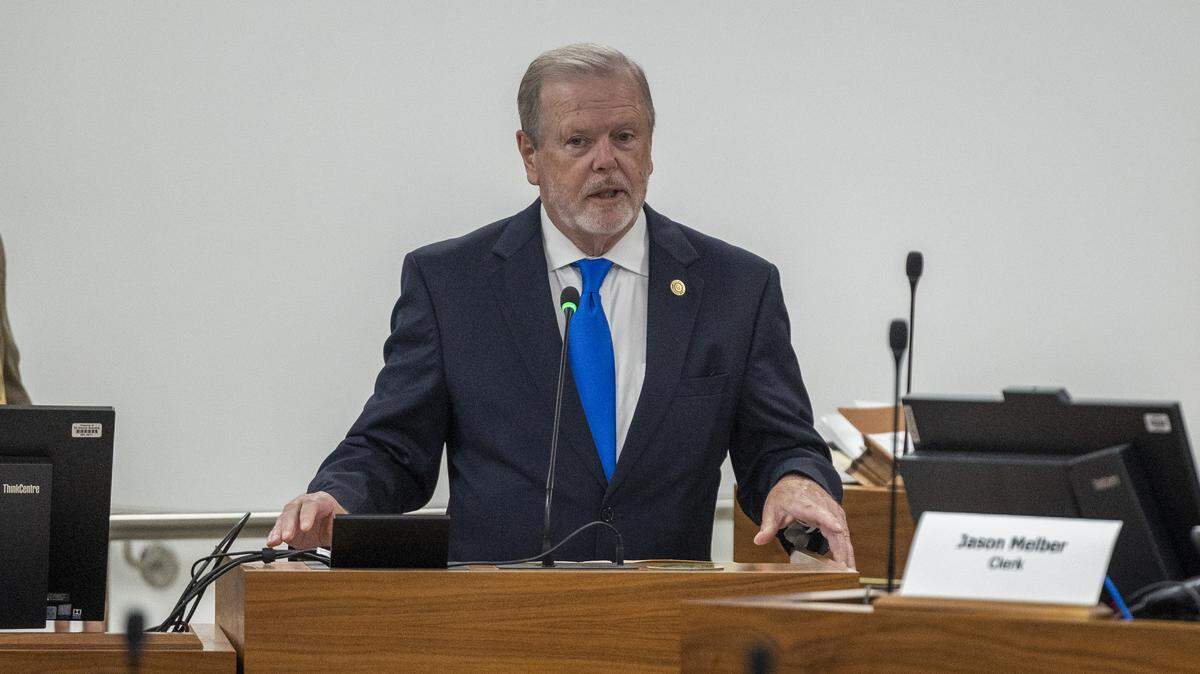
Raises for teachers and state employees is also part of Berger’s current budget battle with Republican House Speaker Destin Hall. Berger also ran a bill in September that would give 6.5% raises to law enforcement, but the House didn’t take it up. And those raises, which are recurring money, are tied to the tax cuts fight, too.
Just ahead of his primary loss, Berger told The N&O that Senate Republicans see continuing tax cuts as key to making North Carolina “one of the most popular destination states for people to move to and for businesses to move to. It has created all sorts of opportunities around the state.”
The same day Berger conceded his primary race, the state released the revenue forecast, which Berger says “provides a roadmap to continue those efforts and ease the tax burden for hardworking North Carolinians.”
The new legislative session starts April 21, less than three weeks away. North Carolina is the last state in the country to reach a budget deal.
House control, and next Senate leader
The House controls the fate of those four vetoed bills that Berger backed, and is half of the budget negotiations. Any new legislation that Berger hopes will pass during his final term also depends on his Senate colleagues, some of whom are hoping to replace him.
Three Republican senators have already declared they want the top job after Berger: Lee of New Hanover County, Sen. Ralph Hise of Spruce Pine and Sen. Todd Johnson of Union County.
They are all in leadership positions this session, so they have a hand in what bills will be brought to a vote. Lee, the majority leader, and Hise are top budget writers, and Johnson is a Senate whip. Whips count the votes in their caucus. Johnson told The N&O in an interview that he isn’t part of Berger’s “inner circle” so would be the biggest shift in how the Senate operates.
If Berger wants to see any of those three succeed him, he may support their legislative goals as well.
This story was originally published April 1, 2026 at 1:27 PM.