NC lawmakers are back. Get up to speed in our insider’s guide to the session
AI-generated summary reviewed by our newsroom.
- NC lawmakers are back in session. Get up to speed in our insider’s guide for outsiders
- Republicans control both chambers, holding a House majority and a Senate supermajority.
- North Carolina’s short legislative session starts April 21 with no set end date.
Downtown Raleigh is about to get busier for at least a few months.
State lawmakers representing all 100 counties in North Carolina will be back in their seats Tuesday at noon at the Legislative Building to get to work.
If you are just now starting to pay attention, we’ve got you covered. Here’s an insider’s look at what everyone in North Carolina should know.
First, why are they here?
- April 21 is the start of the General Assembly’s short session. That’s what it’s called in even-numbered years, when lawmakers don’t return until spring. There’s no end date: They could leave in July, or they could stay longer. The legislative long session is held in odd-numbered years, and lawmakers are supposed to pass a comprehensive, two-year spending plan. But they didn’t do that in 2025, so that work is waiting for them this year.
- This month, we paid the state government billions of dollars in tax money. The General Assembly will use the coming weeks and months to decide how to spend it. There is significant pressure to reach a budget deal that includes raises for teachers and state employees. Lawmakers also set tax policy, which is the main thing that those in control have been fighting about the past year, and which led to a stalemate over the budget.
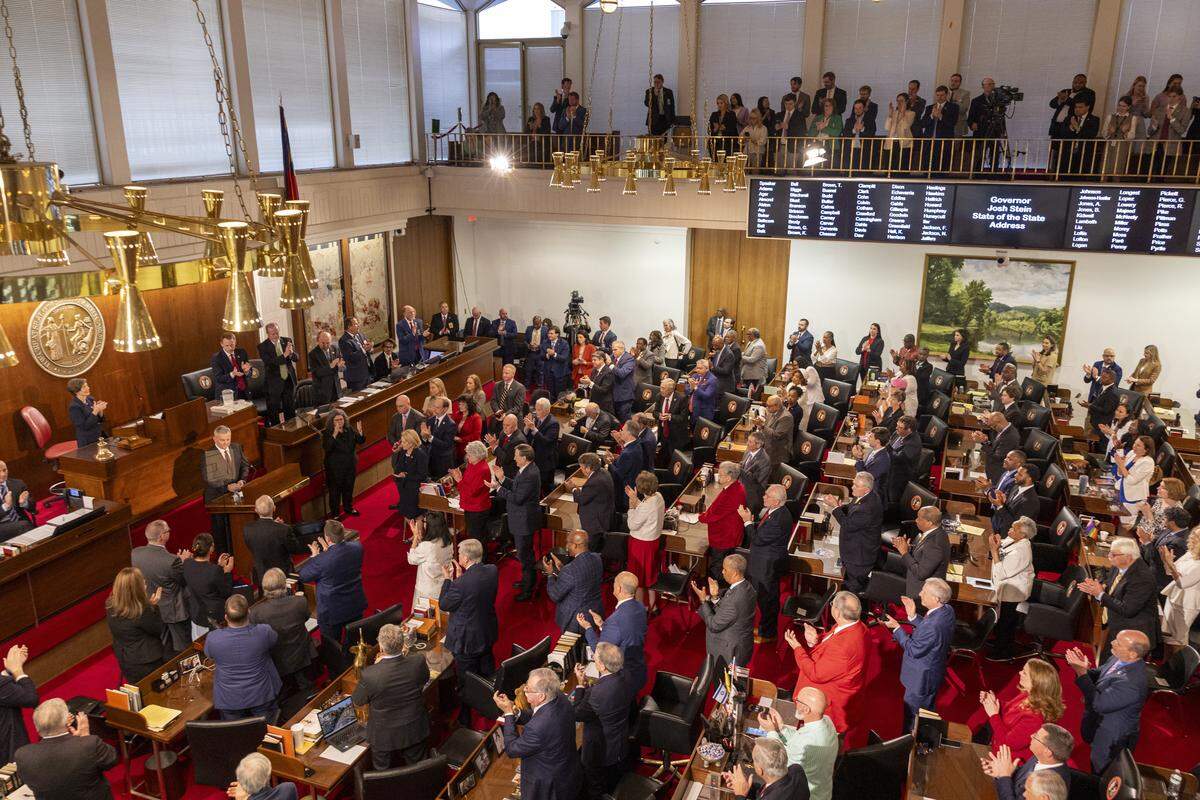
Who’s in charge?
- Republicans control North Carolina’s legislature. They hold a majority of the seats in the House of Representatives and the Senate, which means that if all Republicans vote one way and all Democrats the other way, Republicans will prevail.
- Things change if the governor gets involved. In the Senate, Republicans have a supermajority, which means they have three-fifths of the votes — enough to override a veto from the governor. But they are one vote short of a supermajority in the House. Gov. Josh Stein is a Democrat. So if Stein and every member of his party stick together, Republicans can’t pass legislation over their objections.
- Most of the bills they pass have bipartisan support, but every session there are also controversial bills that pass or fail along party lines.
- Once a bill is passed, it is sent to the governor to sign, veto or let become law without their signature after 10 days. There are some bills that don’t have to go to the governor, like redistricting and local laws.
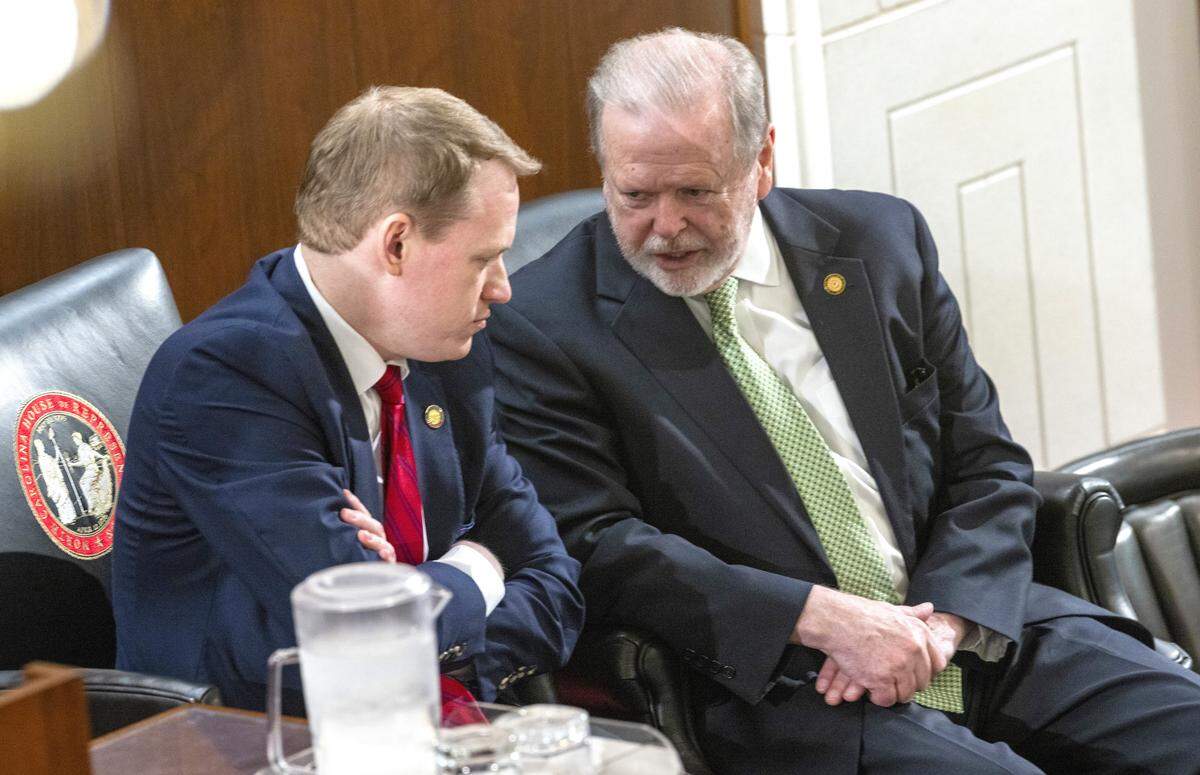
- The House is led by the speaker, and that job is held by Destin Hall, a Republican from Granite Falls in Caldwell County. The leader of the Senate is called the president pro tempore, currently Phil Berger, a Republican from Eden in Rockingham County.
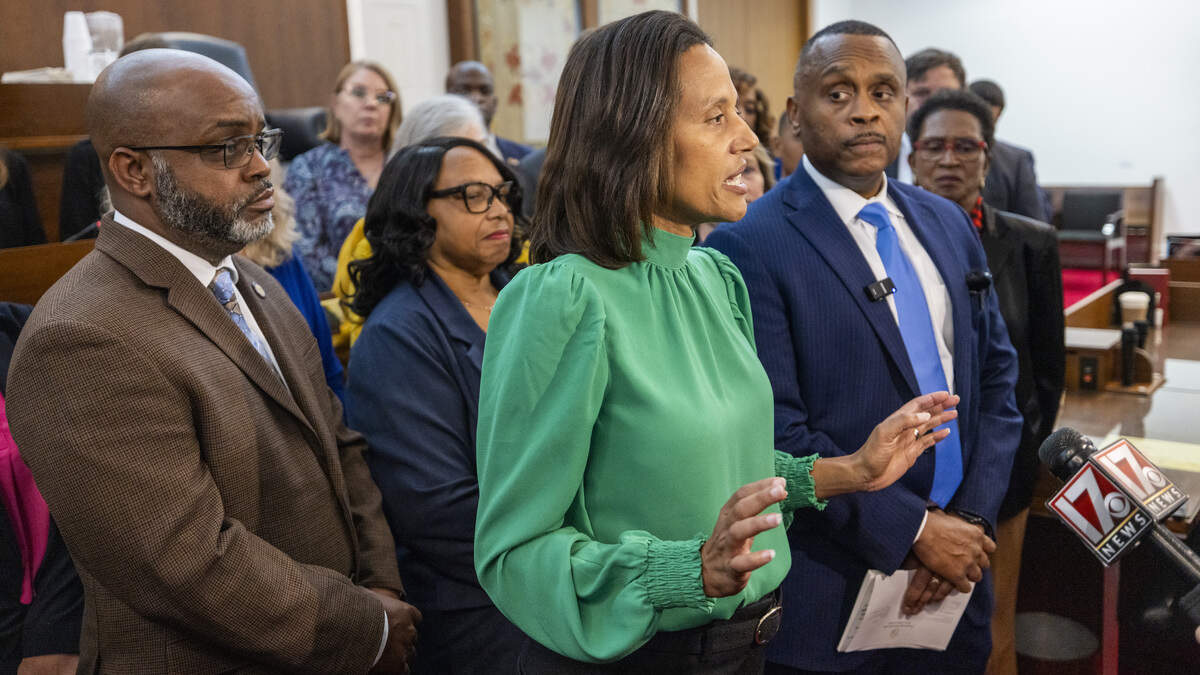
- The party that controls each chamber chooses its leadership. Democrats are led by House Minority Leader Robert Reives of Goldston in Chatham County and Senate Minority Leader Sydney Batch of Apex in Wake County.
- This is also an election year and the second year of all 170 lawmakers’ terms. Both the 120 representatives in the House and the 50 senators in the Senate are elected to two-year terms. All of their seats are all on the ballot this November, but some decided not to run for reelection, or lost their primary election in March. Berger, the Senate leader, is among those who lost their primaries.
- Most lawmakers are paid a salary of less than $14,000, with leaders paid more. But they receive expense allowances and reimbursements that can easily exceed their salary.
Where does the General Assembly meet and work?
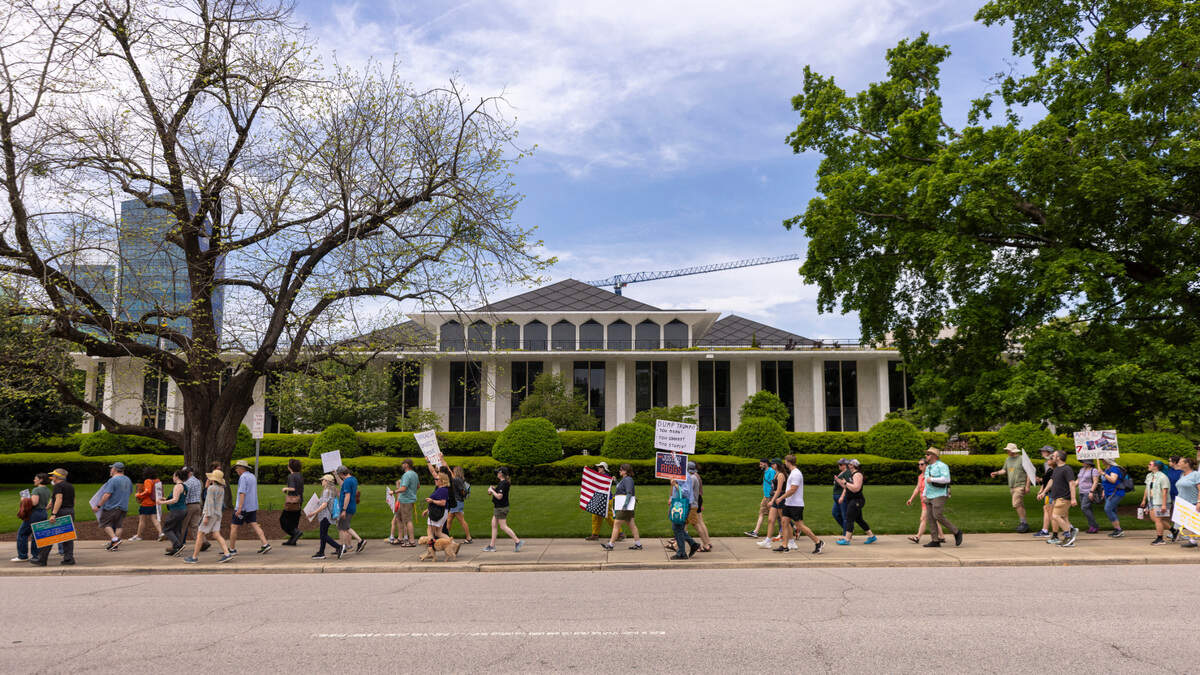
- If you’re used to other capital cities, you might think that the legislature meets at the State Capitol building in the center of downtown Raleigh, but you’d be wrong. They used to work there, but moved a block away to the Legislative Building on Jones Street in the 1960s. The Legislative Building, which insiders just call “the building,” is where voting sessions are held, committees meet and some lawmakers have offices. Every few years, there will be a ceremonial session held in the old House and Senate chambers in the Capitol building. It’s a historic site that is open for tours, and has some gubernatorial staff offices.
- The Legislative Building was designed by the architect Edward Durell Stone, who also designed the Kennedy Center in Washington, D.C. While there have been a few renovations inside the building, for the most part it looks like it did in 1963, when it opened. The cafeteria was once on the first floor but is now in the basement. It’s open to the public and has a rotating menu.
- There is also the Legislative Office Building, or LOB, behind the Legislative Building. It looks like a generic office building on Salisbury Street. It has lawmaker offices as well as large committee meeting rooms, and a snack bar. The LOB faces Halifax Mall, which is a huge grassy field that is surrounded by other state government agency buildings.
- The whole area is known as the state government complex. There are parking garages nearby for state employees that are also open for public parking, for an hourly fee. There is limited, two-hour metered street parking, too. If you’ve been to the Museum of Natural Sciences or the Museum of History, you’re in the state government complex.
Can I visit in person or watch a livestream of the General Assembly?
- If you want to visit the Legislative Building or Legislative Office building, check out the General Assembly website for details about rules, hours and parking. The are General Assembly police officers and security at the entrances, so expect to go through a metal detector and have your bags scanned. Weapons are banned. Visitors may watch House and Senate floor sessions from the galleries above. You are not allowed to bring food or drinks, applaud or make any other loud noises.
- The voting sessions are usually on Tuesdays, Wednesdays and Thursdays. There are sessions on Monday afternoons, but those are usually just procedural, meaning that only a few lawmakers are there, and not long after they start — ”gavel in” — the sessions, they gavel out. Votes on Fridays are rare and usually occur for major bills, like the budget. Most lawmakers leave Raleigh on Thursdays to go home to their districts, where they live. Lawmakers who live nearby may go home every night, but others rent a place to live during the week.
- If you are going to the General Assembly to watch a voting session, meet with a lawmaker, watch or speak during a committee, or advocate for a cause, the best days are Tuesdays through Thursdays. Those days are often very busy, as hundreds of people work there, including legislative employees, lobbyists and the press. Schoolchildren on field trips are also frequent visitors to the legislature. Be prepared to wait in a long line to go through security on busy days. Public seating fills up quickly.
- The House sessions are also livestreamed. The Senate does not have a livestream, but you can listen to audio. There are online dashboards that show you the bills they are discussing. Committee meetings are also livestreamed in both the House and Senate. You can find video, audio and dashboard links at ncleg.gov.
Follow our coverage through stories, newsletter, podcast
Our Under the Dome team shares what’s going on at the General Assembly through our stories, our newsletter and our weekly podcast.
Sign up here for our newsletter.
Listen to the Under the Dome podcast here.
Four News & Observer reporters are members of the Capital Press Corps at the legislature, and work there full-time during session:
- Dawn Baumgartner Vaughan, Capitol bureau chief, whose beat includes the state budget, governor and legislative leadership.
- Kyle Ingram, democracy reporter, whose beat includes election administration and voting rights, the state auditor’s office and the politics of the state’s judicial branch.
- Luciana Perez Uribe Guinassi, whose beat includes health care policy, Helene recovery and hemp and marijuana legislation.
- Esther Frances, whose beat includes lobbying, as well as public safety and criminal justice policy.
The N&O politics team also includes higher education reporter Jane Winik Sartwell, congressional impact reporter Danielle Battaglia and politics editor Jordan Schrader.
Other N&O reporters who at times cover legislative issues include K-12 education reporter T. Keung Hui, transportation reporter Richard Stradling and business and tech reporter Brian Gordon.
Reach the entire politics team at dome@newsobserver.com.
Stories to catch up on as the legislative session begins
This story sets up what we know, and what we don’t, about this General Assembly session:
If you want more to catch up on, here are several more stories we wrote this spring about the General Assembly:
- Who will succeed Berger as Senate leader? Who’s interested and what they’ll face
- NC Sen. Todd Johnson will seek Berger’s job, says he’ll ‘bring a new look on things’
- NC is collecting enough taxes to automatically cut them, but there’s a hitch
- NC lawmakers are back in session next week. See how much they made in 2025.
- NC lawmakers use campaign funds for travel, rent and dining. Is that allowed?
- Why Berger is entrenched on taxes as standoff continues between NC Republicans
- NC Gov. Josh Stein asks for $1.4 billion to fund state’s ‘critical needs’ now
- Democratic NC Gov. Josh Stein endorsed in two primaries, helping candidates win
This story was originally published April 21, 2026 at 5:00 AM.