Sen. Berger suggests fraud delays NC vote count. Why does it really take so long?

Last week, one of North Carolina’s top legislative leaders suggested malfeasance in the vote-counting process for a close statewide election currently undergoing a recount.
His comments, which criticize standard election procedures required by law and administered by bipartisan elections boards, drew swift criticism from election officials, who warned that his rhetoric could provoke violence.
The remarks came from Republican Senate leader Phil Berger as he spoke to reporters about the state Supreme Court race, in which Democrat Allison Riggs currently leads her Republican opponent, Jefferson Griffin, by 625 votes.
A recount in the race is underway.
Griffin initially led Riggs by about 10,000 votes on Election Night, but the race swung in Riggs’ favor after outstanding absentee and provisional ballots were counted.
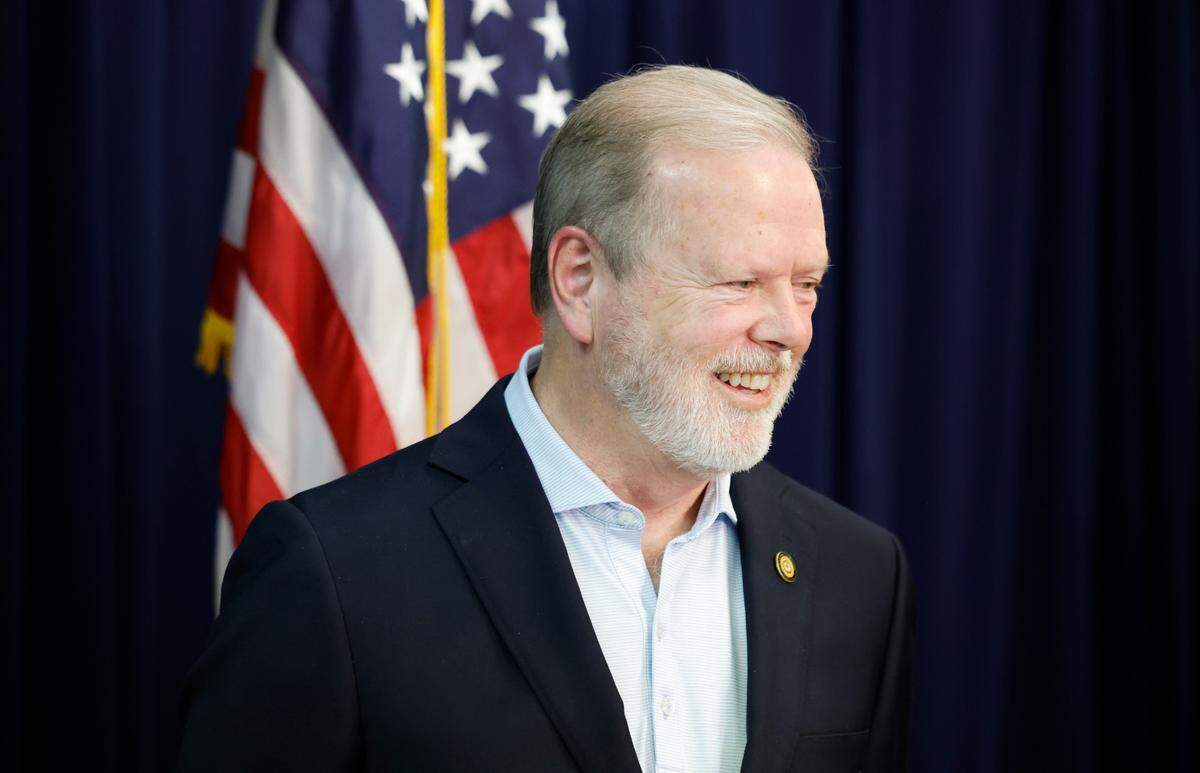
“We’re seeing played out at this point another episode of ‘count until somebody you want to win wins,’” Berger told reporters Wednesday.
The accusation raises questions: What happens in the vote counting process? Is there evidence of fraud? And why does it take so long?
Here’s what we know.
Why does it take so long to count votes?
Berger’s comments reflect growing frustration, particularly among Republicans, with the timeline for counting votes in North Carolina.
While about 98% of all votes were reported on Election Night, county election officials still have to count outstanding absentee and provisional ballots in the post-election period.
This process, known as the canvass, typically takes 10 days following an election. This year, however, several counties did not finish on time and needed a few additional days to finish counting.
Part of what takes so long is the counting of provisional ballots, which are cast when there is uncertainty about the eligibility of a voter. A voter may be required to cast a provisional ballot if they show up at the wrong precinct, if an election worker cannot find a record of their registration or if they do not bring an acceptable voter ID to the polls.
Bipartisan county boards of election are required, by law, to research all of these ballots to determine whether or not a voter is eligible.
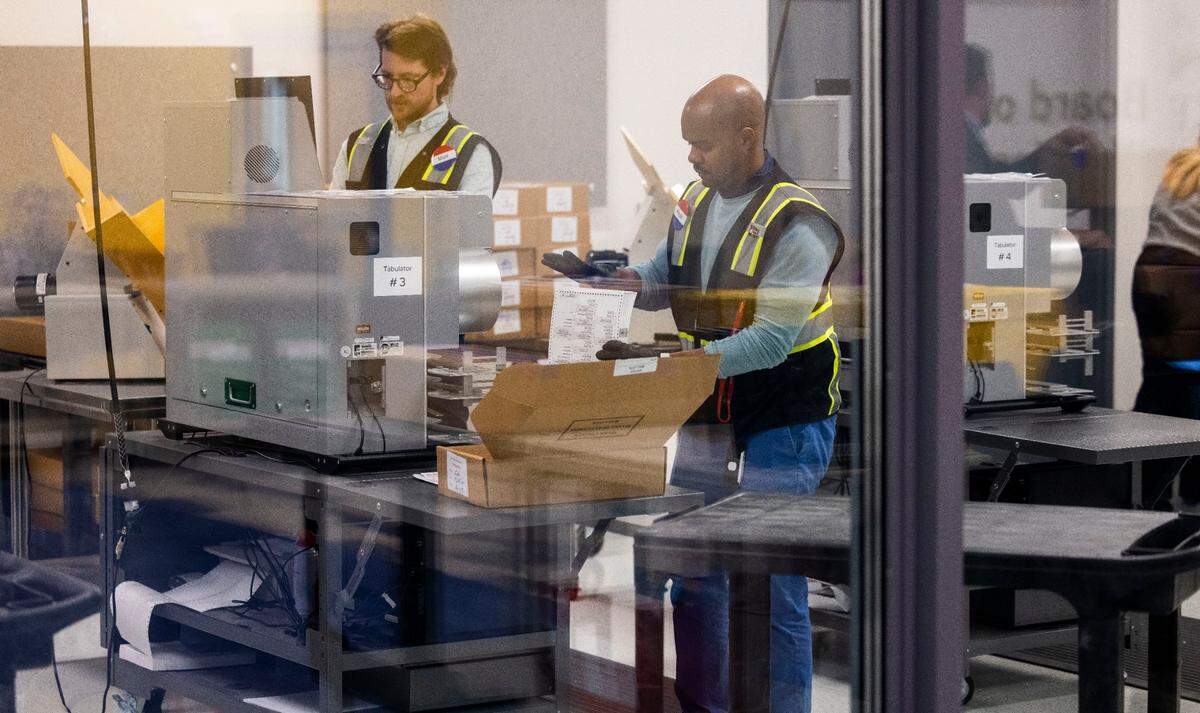
Voters themselves can also “cure” issues with their ballots by providing additional information to county election workers. Volunteers for political campaigns may also reach out to voters to help them cure their ballots.
This year, over 65,000 provisional ballots were cast — over 20,000 more than were cast in 2020.
In many races, provisional ballots wouldn’t make a difference in determining the winner. However, in very close elections — such as this year’s state Supreme Court race — provisional ballots can be decisive.
In addition to counting provisional ballots, election workers also must count certain mail-in ballots in the post-election period.
While most mail-in ballots can be counted before Election Day, any that arrive on Election Day must be counted later. Counties are also required by law to count any military or overseas ballots that arrive through 5 p.m on Nov. 14.
Hurricane Helene also added some delays to this process. State lawmakers approved a bill allowing voters in any of the 25 counties hit by the storm to drop off absentee ballots outside of their home counties. Election workers then had to ensure those ballots were delivered to the appropriate county.
County and state election boards also must consider election protests — allegations that election law was not properly followed.
This year, Griffin challenged the validity over 60,000 ballots in his Supreme Court race, arguing that votes were improperly counted from voters who voted early but died before Election Day, were likely serving a felony sentence as of Election Day, or had their voter registrations denied.
What about fraud?
Berger’s comment drew a rebuke from Karen Brinson Bell, executive director of the State Board of Elections, who asked him to retract his statement.
“When you tell your fellow citizens that an election is being conducted fraudulently, they listen,” she said in a Thursday letter to Berger. “I fear for the people running elections in this state, including in your own community, that some misguided people will conclude from your statements that actions must be taken, perhaps through the use of threats or violence.”
Berger’s office did not respond to a request for comment about Brinson Bell’s letter.
State and local election processes have numerous safeguards built in to prevent and detect fraud.
During the canvass period, each county is required to conduct a hand count of ballots in two randomly selected precincts to confirm the results tabulated by machines.
County boards of elections are also all bipartisan and conduct their meetings in public.
State and federal courts have rejected recent legal arguments from the Republican National Committee and the North Carolina Republican Party, which have alleged fraud in the state’s election processes.
One lawsuit from the RNC sought to purge 225,000 voters from the state’s rolls. A judge appointed by former President Donald Trump rejected part of this argument, though the case is ongoing.
Election workers may have less time to count ballots in future elections
Last week, as part of a sweeping bill shifting power away from newly elected Democrats, Republican lawmakers also approved changes to the vote-counting process.
If enacted, the bill would require counties to finish counting all provisional ballots on the third day after Election Day — a process that took nearly two weeks this year.
It would also give voters less time to fix issues with their provisional ballots and ensure that their votes are counted.
The bill does not, however, provide any extra money to county or state election workers to facilitate this change.
“It’s something we need to look at next year, as to what the appropriate funding will be for that,” Berger told reporters last week.
Democratic Gov. Roy Cooper is expected to veto the bill. However, Republicans currently have a legislative supermajority capable of overriding his veto.