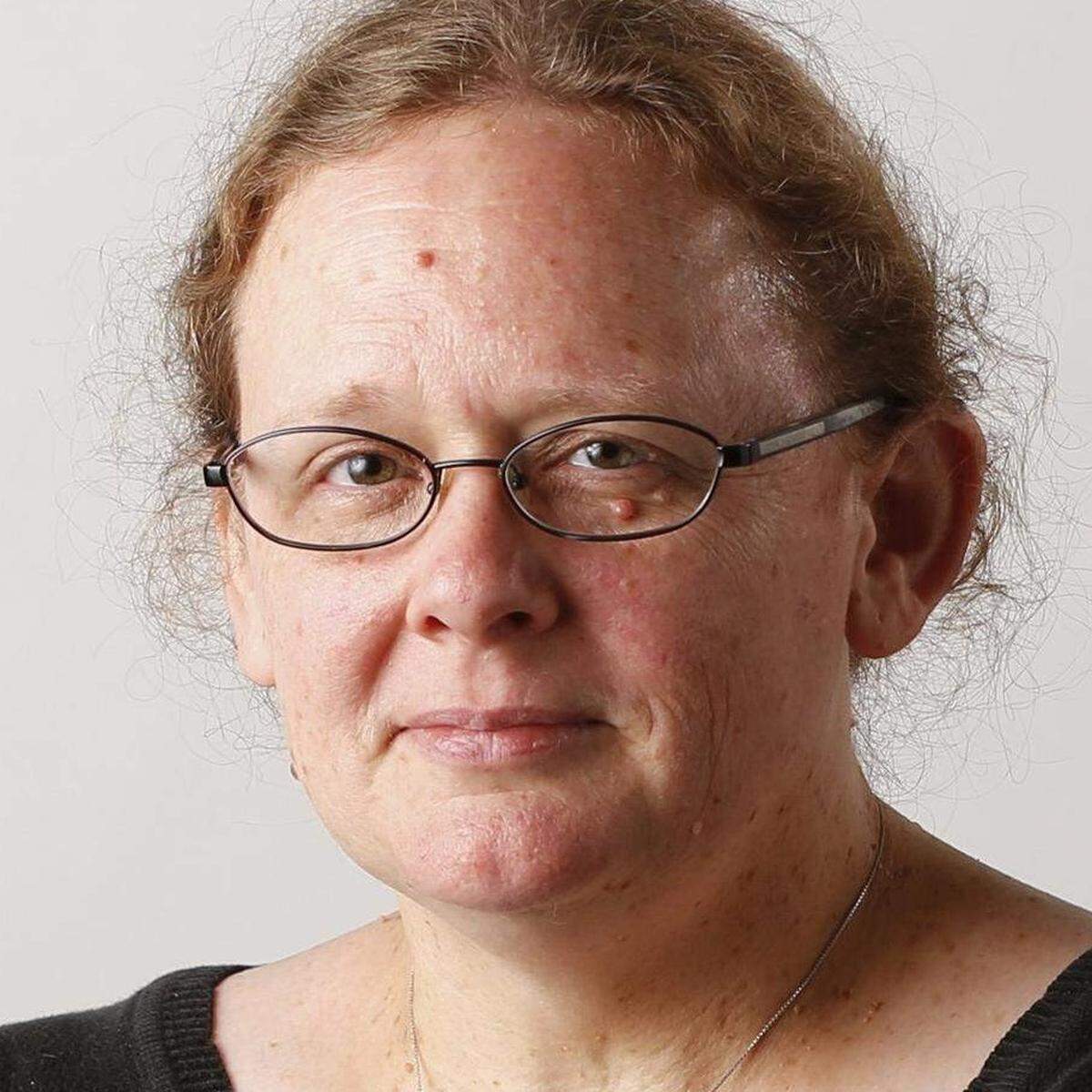
Kayley Taber, candidate for Orange-Chatham District Attorney
READ MORE
Candidates for Orange-Chatham District Attorney
Who is running for Orange-Chatham District Attorney? Get to know the primary election candidates in our 2022 Voter Guide.
Expand All
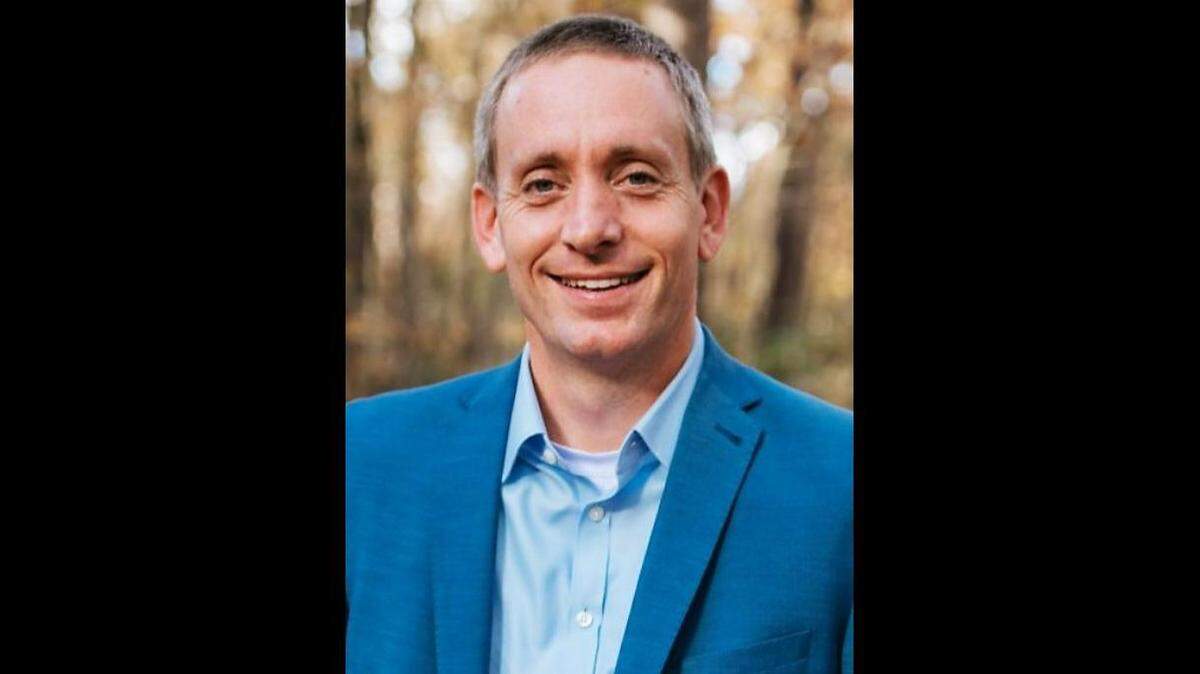
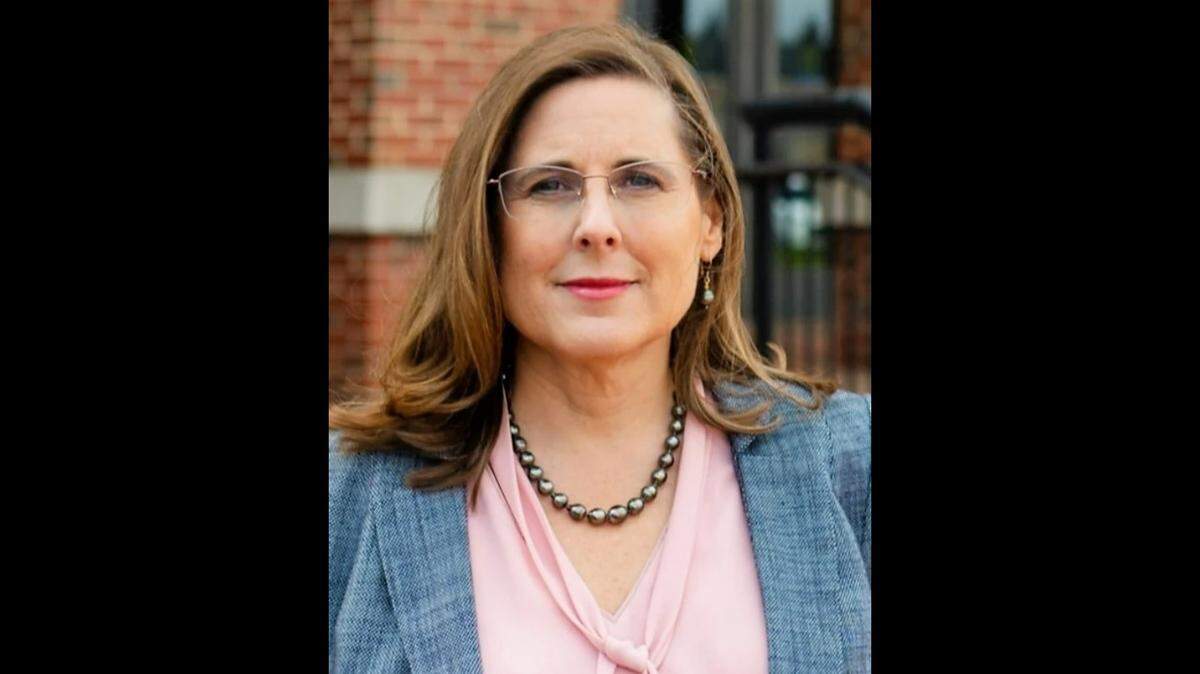
Two people are running in the May 17 primary to replace retiring Orange-Chatham District Attorney Jim Woodall.
Assistant District Attorney Kayley Taber will go up against fellow ADA Jeff Nieman for the top spot. Woodall is retiring this year after 16 years leading the prosecutor’s office.
There are no Republicans running for the office, meaning the winner of the primary race could assume the office following the Nov. 8, 2022, general election.
Early voting in the primary begins April 28 and runs through May 14.
To find polling places and full details on early voting, visit co.orange.nc.us/1720/Elections or contact the Board of Elections at 919-245-2350 or vote@orangecountync.gov.
Name: Kayley Taber
Age: 54
Occupation: Managing assistant district attorney
Education: N.C. State Bar Certified Specialist in Criminal Law; Juris Doctor with Honors (1996), Bachelor of Arts in Political Science (1988), and Phi Beta Kappa and Phi Sigma Alpha Honor Societies, University of North Carolina at Chapel Hill
Political or civic experience: Previous campaign for District Court judge; member, Child Abuse and Maltreatment Multidisciplinary Team, At-Risk Adults Collaborative, Child Fatality Taskforce, and Community Child Protection Team; founding community partner for Community Resource Court (Mental Health Diversion Court); foster for difficult to place dogs for local animal welfare nonprofit group.
Campaign website: kayleytaber.com
Who are your top three campaign contributors? Bob and Pat Hattler (parents), Jeffrey Taber (husband)
Why do you want to be the district attorney?
To bring transformative change in how we handle criminal prosecutions; focusing on a path forward for each person that is trauma informed, restorative, and provides justice for victims. I want to provide victims a voice in the courts, increase their access and give them the best possible support as they heal from the harm caused to them. I wish to serve as an inspiration for young girls and boys so they understand that women can, and should, fill important leadership roles. I believe that diverse voices and experiences improve trust in our institutions and lead to better outcomes for all who intersect with the criminal justice system. We can and should have a District Attorney’s Office that reflects our community.
What is the District Attorney’s Office doing right? What could it do better?
I am proud of the work we have been doing to decriminalize mental illness, addiction, and poverty. Our diversion programs have provided a path to well-being for many in the criminal justice system while still providing justice and healing for victims. We have adopted bail reform that prioritizes citation over arrest and seeks to divert the addicted into treatment. I was a key community partner in the creation and expansion of our mental health diversion court (Community Resource Court) to help those with severe and persistent mental illness navigate out of the criminal justice system. I understand that quality support and care for those with mental illness can provide a pathway to success, even for members of my own family. I will support and advocate for diverting non-emergency mental health 911 calls to social workers and improved training for dispatchers to understand and properly code these calls. Police involvement during a mental health crisis can be dangerous and deadly. Specialized police training is part of the solution, but the use of mental health social workers should be a component of the response as well.
We have a restorative justice program established in Orange County. Restorative justice helps an offender to own what she/he did, make it right for those hurt or affected, and involve the community in helping both the victim and the offender. Restorative justice acknowledges that those who do wrong need healing as well. My plan is to reinvigorate the program and expand it to both adult and juvenile court and into Chatham County.
Orange County is currently diverting the unhoused/unsheltered and mentally ill through SOHRAD, the Street Outreach, Harm Reduction and Deflection Program. This program is a truly innovative way to reduce harm and incarceration by sending social workers, not police, for the traditional “nuisance” calls that often result in unnecessary arrest and incarceration. I will advocate for the expansion of this program into Chatham County and for increased funding in Orange.
Criminal activity is often fueled or made worse by substance abuse and addiction. We need to work better together to come up with concrete steps to help those suffering from addiction to give them a path out of criminal involvement. This means that as District Attorney I must advocate for better services for our community. Mental health and substance abuse treatment should be funded and supported just as comprehensively as physical health treatment.
The Courts and the District Attorney’s Offices have websites that are difficult to navigate and often lack updated and relevant information for the public. I created a public facing Facebook page for the Chatham branch of the office to help. I hope to tap the talent of our staff and attorneys to expand our digital outreach and to make us a more accessible and transparent organization.
How do you view justice and equity in the courts? What ideas would you bring to the table?
We all agree that persons in criminal court should be treated equally. I believe they should also be treated equitably. That means understanding that the individual circumstances of each person must be considered when making prosecutorial decisions. I have spent my entire career working with survivors of trauma and understand how adverse childhood experiences can impact physical and mental health, increase the likelihood of criminal involvement, homelessness, domestic violence, and incarceration. The science tells us that trauma is cumulative, and we must address each event in our trauma history to fully heal and to move forward in a positive direction. I consider these adverse experiences for each offender as I work to develop a plan to address the harm caused to the victim and help the offender succeed. I want to make this philosophy of positive change through understanding of past experiences a keystone of our criminal justice response.
We must acknowledge that racism exists, persists, and coexists with us in our institutions. The data shows us that Black and brown people are grossly over-represented in the criminal courts. To improve equity and fairness, the District Attorney’s Office has been a partner in establishing bail reform, mental health and substance abuse diversion programs, financial relief programs, and restorative justice. I pledge to continue these reforms, using the science and data that tells us they work, and that they improve equity in the courts. I will continue to advocate for increased involvement of pretrial screening to help us create pretrial plans that keep the community safe and provide a path for release.
The N.C. Constitution states the elected district attorney shall advise the officers of justice in her district. This includes identifying and working to remedy problematic practices and to identify bad actors. I accept this duty as a mandate to protect all from harm, even when that harm comes from within the institutions that are designated to protect us.
How do you view the role of incarceration vs. the role of rehabilitation?
Mass incarceration is not only a predictor of poverty, it is a cause. Incarceration destroys financial security, creates debt, and severely limits a person’s ability to get and keep a job. We need to make smarter investments of our public funds, reinvesting in our communities, not our prisons. Key goals should be community-based drug treatment, expansion of Medicaid and mental health/substance abuse treatment. Those who seek rehabilitation should be given that opportunity to succeed. We as a community all benefit when they do.