
Raleigh mayor candidate James Shaughnessy IV answers our questions
READ MORE
2024 Raleigh Mayor and City Council elections
Raleigh voters will pick a new mayor and City Council members this November. All eight council seats, including the mayor’s, are up for grabs, with all the incumbents except for current Mayor Mary-Ann Baldwin seeking another two-year term.
Expand All
Raleigh mayor candidate Janet Cowell answers our questions

Paul Fitts, candidate for Raleigh mayor, answers our questions
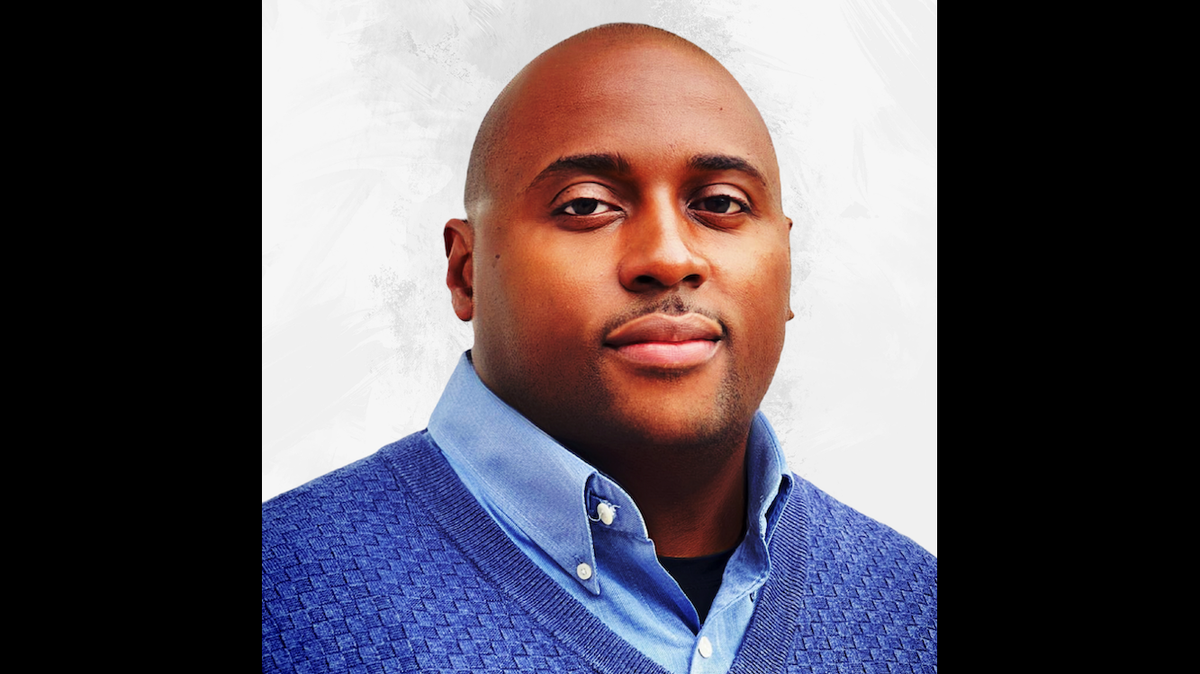
Raleigh mayor candidate Eugene Myrick answers our questions
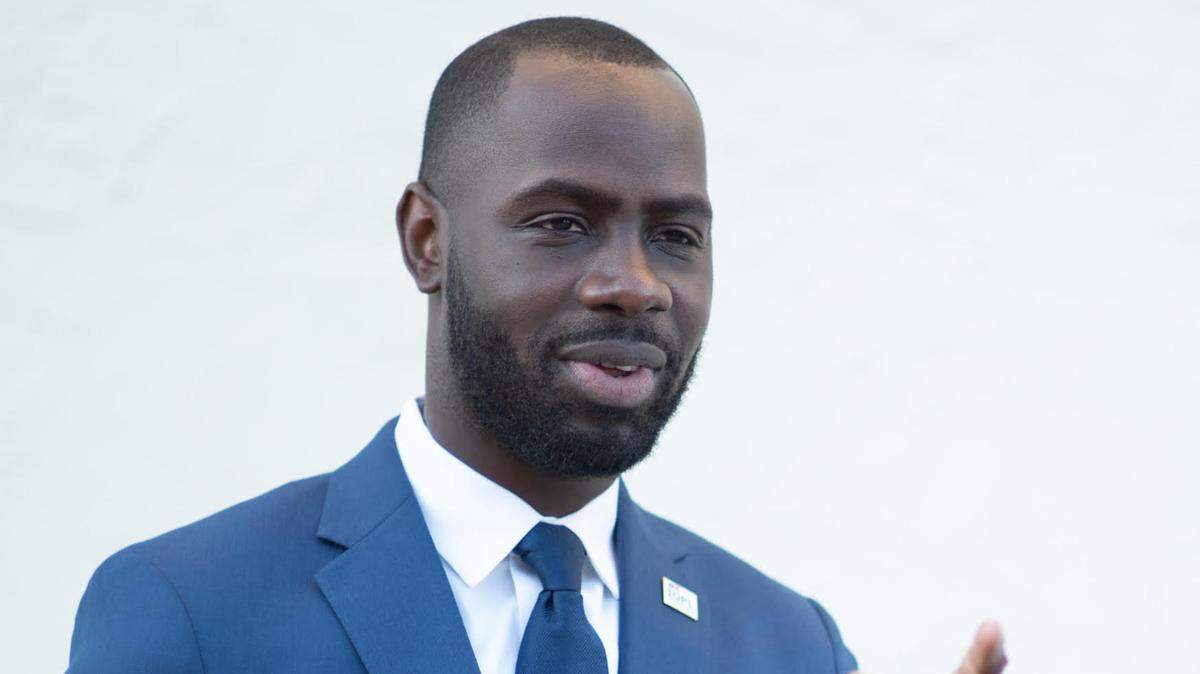
Raleigh mayor candidate Terrance Ruth answers our questions
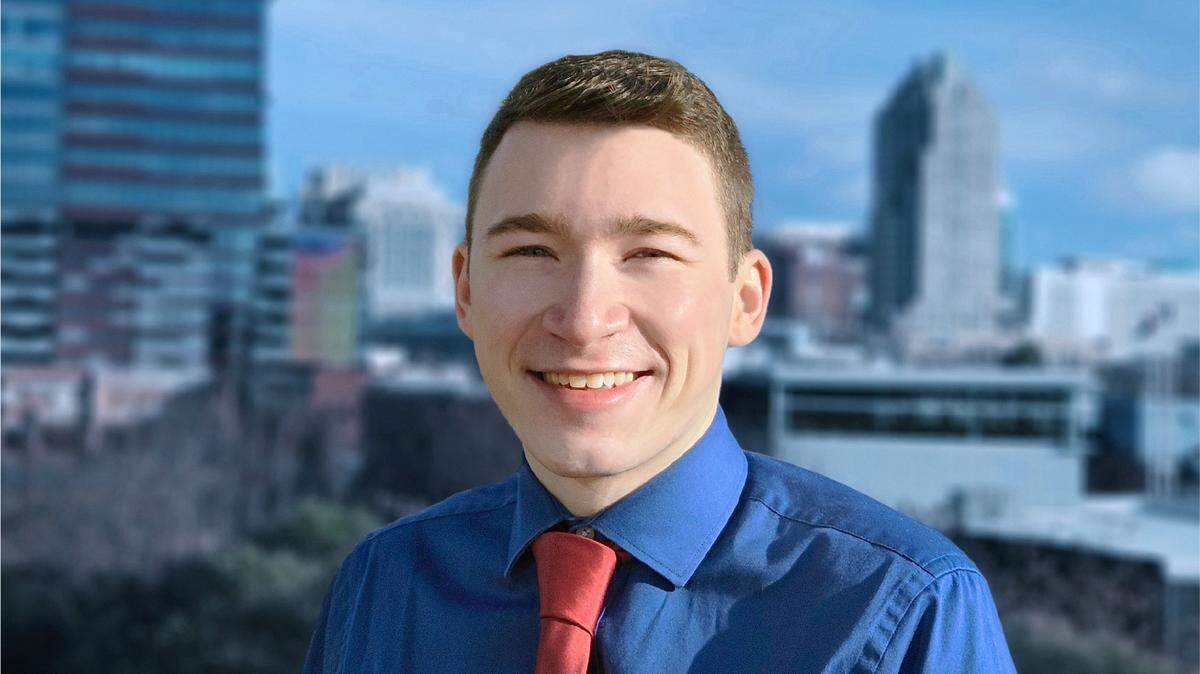
Raleigh mayor candidate James Shaughnessy IV answers our questions
Raleigh voters will pick a new mayor and City Council members this November.
All eight council seats, including the mayor’s, are up for grabs, with all the incumbents except for current Mayor Mary-Ann Baldwin seeking another two-year term.
Election Day is Tuesday, Nov. 5. Early voting runs from Thursday, Oct. 17, through Saturday, Nov. 2. The race is non-partisan.
To help inform voters across the state, this candidate questionnaire is available to be republished by local publications in North Carolina without any cost. Please consider subscribing to The News & Observer to help make this coverage possible.
Name: James Shaughnessy IV
District/seat: Raleigh mayor
Political party: Independent
Age as of Nov. 5, 2024: 25
Campaign website: shaughnessy4you.com
Current occupation: Hospitality professional
Education: Soon-to-be college graduate
Please list any notable government or civic involvement.
Founder of Civic Order, a civic engagement, education and civil discussion club at William Peace University
Ukrainian War volunteer
COVID School Food Relief with Overflowing Hands
Which city council district do you live in? E
What is the top issue facing Raleigh now and how would you address it?
Housing
What is your strategy for increasing affordable housing in Raleigh?
My strategy for increasing affordable housing in Raleigh is a comprehensive and flexible approach, aimed at addressing the problem from multiple angles to create real, lasting change.
Smart Zoning and Development: I will prioritize rezoning to allow for more Missing Middle housing, such as duplexes, triplexe, and townhomes, which offer more affordable and diverse housing options. In addition, I will push for more mixed-use developments, which combine residential, commercial and recreational spaces in one area. This type of development not only creates affordable housing but also promotes vibrant, self-sustaining communities that reduce the need for long commutes and alleviate traffic congestion.
Deregulation: By streamlining the regulatory process, we can make it easier and faster for developers to build affordable housing. Reducing bureaucratic hurdles will increase competition, encourage innovation, and bring down costs, all while accelerating the timeline for getting affordable units to market.
Public-Private Partnerships: I believe in collaborating with developers through incentives like zoning variances, tax abatements, and tax credits to ensure affordable housing is included in new projects. This will help foster more affordable housing without sacrificing quality or accessibility.
Community Land Management (CLM): Implementing CLMs is another key component of my strategy. CLMs help preserve existing affordable housing by preventing displacement and protecting long-term residents from rising property taxes and development pressures. This will ensure that those already living in affordable homes can continue to do so without fear of being pushed out.
However, my strategy is not limited to these steps alone. I believe in taking a broad, multi-faceted approach addressing the housing crisis from various angles. By combining efforts in zoning, regulation, partnerships and community preservation, we significantly increase our chances of making a lasting impact. There is no one-size-fits-all solution, but by working on multiple fronts, we can tackle the housing crisis in a way that benefits all Raleigh residents.
Should the city be more aggressive about requiring affording units from developers or partner with nonprofits?
The decision on whether the city should be more aggressive in requiring affordable units from developers or partnering with nonprofits needs to be handled on a case-by-case basis. While it may not be the most exciting answer, it’s the most practical and effective one. Every development project comes with its own unique set of challenges, and a one-size-fits-all approach can create unintended consequences, limiting flexibility and innovation.
In some cases, it may be beneficial to require developers to include a certain percentage of affordable units, especially when offering incentives like zoning variances, tax abatements, or tax credits. This ensures that new developments contribute directly to addressing Raleigh’s housing needs while encouraging private-sector participation in solving the crisis. However, such requirements must be tailored to the specific project to avoid deterring developers from building altogether, which could further exacerbate the housing shortage.
In other cases, partnering with nonprofits may be more effective. Nonprofits often have a deep understanding of the community and are better positioned to provide targeted housing solutions for vulnerable populations, such as low-income families or the homeless. Working with these organizations allows for more specialized, mission-driven approaches to affordable housing that go beyond what profit-driven developers may prioritize.
By remaining flexible and considering the unique needs and opportunities of each situation, we can maximize the city’s ability to create affordable housing. Balancing these approaches — requiring affordable units from developers in some cases and working with nonprofits in others — will give Raleigh the best chance to make a meaningful impact on housing affordability.
Do you think Raleigh can support concert venues both downtown and in Dix Park?*
Yes, I believe Raleigh can support concert venues both downtown and in Dix Park. There’s data to back this up, particularly when you consider the city’s young, growing population. Younger generations tend to prioritize experiences over material possessions, making them more likely to attend concerts and events, creating strong demand for multiple venues.
Since both venues are private, if investors see the potential and are willing to take on the risk, they should be encouraged to do so. As long as the demand is there, having venues in both locations would provide variety, giving residents and visitors more options for entertainment while helping Raleigh continue to grow as a cultural and social hub. Expanding our concert scene could also stimulate local businesses, tourism and the city’s economy. However, it’s essential that any development is balanced with smart city planning to avoid potential traffic or infrastructure strains.
Would you describe Raleigh’s growth as too fast, too slow or just right?*
I would describe Raleigh’s growth as too fast. Raleigh built a great city with a high quality of life, and during the COVID-19 pandemic, many people discovered it and moved here in droves. While this speaks to Raleigh’s appeal, it has also put immense pressure on the city’s infrastructure, housing market, and services.
The rapid influx of new residents has outpaced the city’s ability to adapt, leading to issues such as skyrocketing housing costs, increased traffic, and strain on public resources. Raleigh needs to catch up by focusing on smart growth strategies — improving public transit, expanding affordable housing, and planning infrastructure upgrades to ensure the city can sustain this level of growth without sacrificing its core values or quality of life.
Do you think Raleigh is losing too many historic properties? If so, how should this be addressed?*
Raleigh isn’t losing too many historic properties, as significant sites like the Mordecai House and the Pope House are protected. While preserving these important landmarks is crucial, we must also address the urgent need for affordable housing. To achieve this balance, we should focus on flexible zoning and adaptive reuse of historic buildings to accommodate growth without compromising key historical sites.
This story was originally published September 24, 2024 at 5:32 PM.