
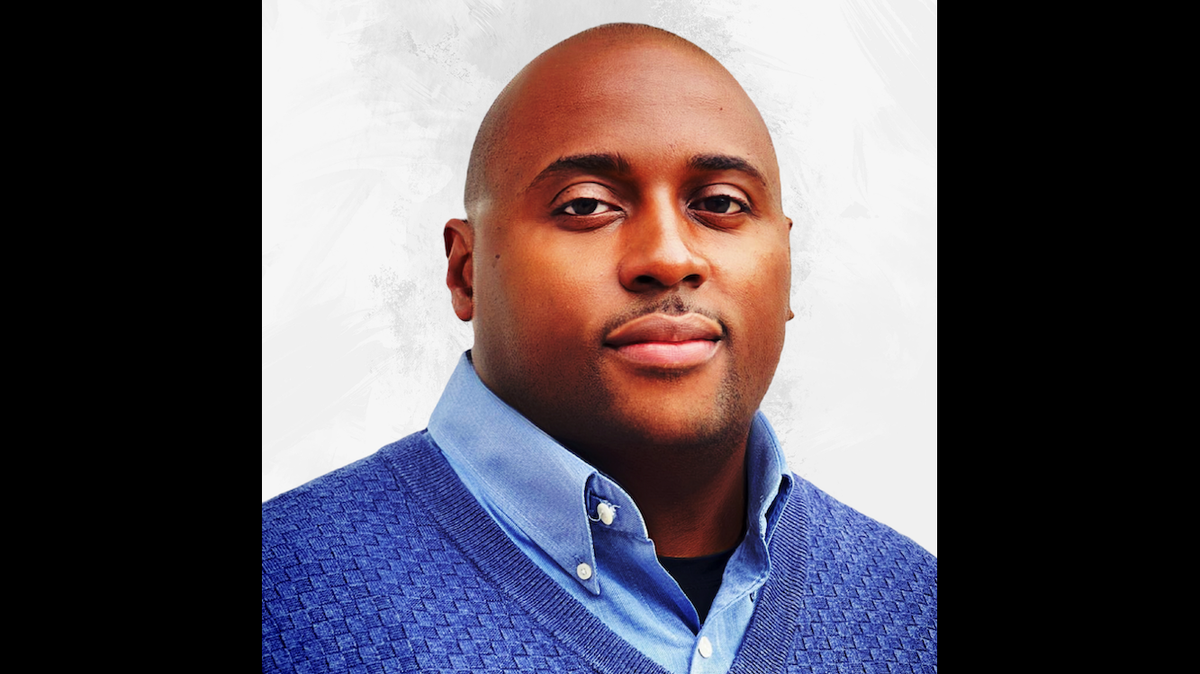
Raleigh mayor candidate Eugene Myrick answers our questions
READ MORE
2024 Raleigh Mayor and City Council elections
Raleigh voters will pick a new mayor and City Council members this November. All eight council seats, including the mayor’s, are up for grabs, with all the incumbents except for current Mayor Mary-Ann Baldwin seeking another two-year term.
Expand All
Raleigh mayor candidate Janet Cowell answers our questions
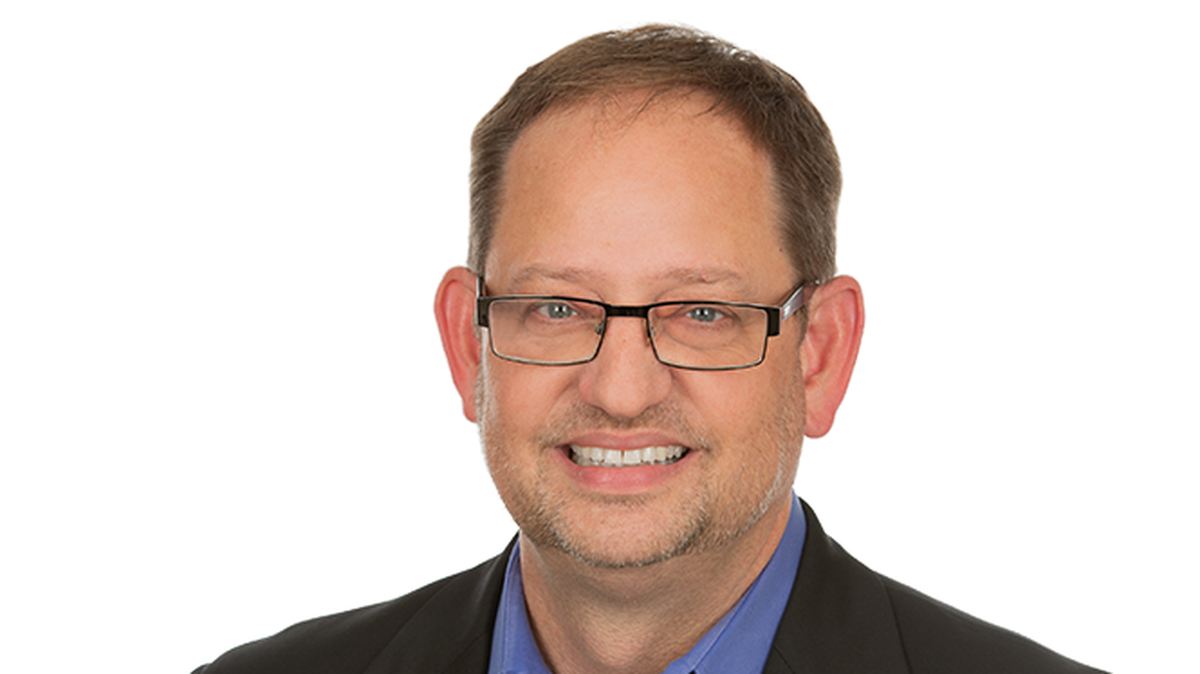
Paul Fitts, candidate for Raleigh mayor, answers our questions
Raleigh mayor candidate Eugene Myrick answers our questions
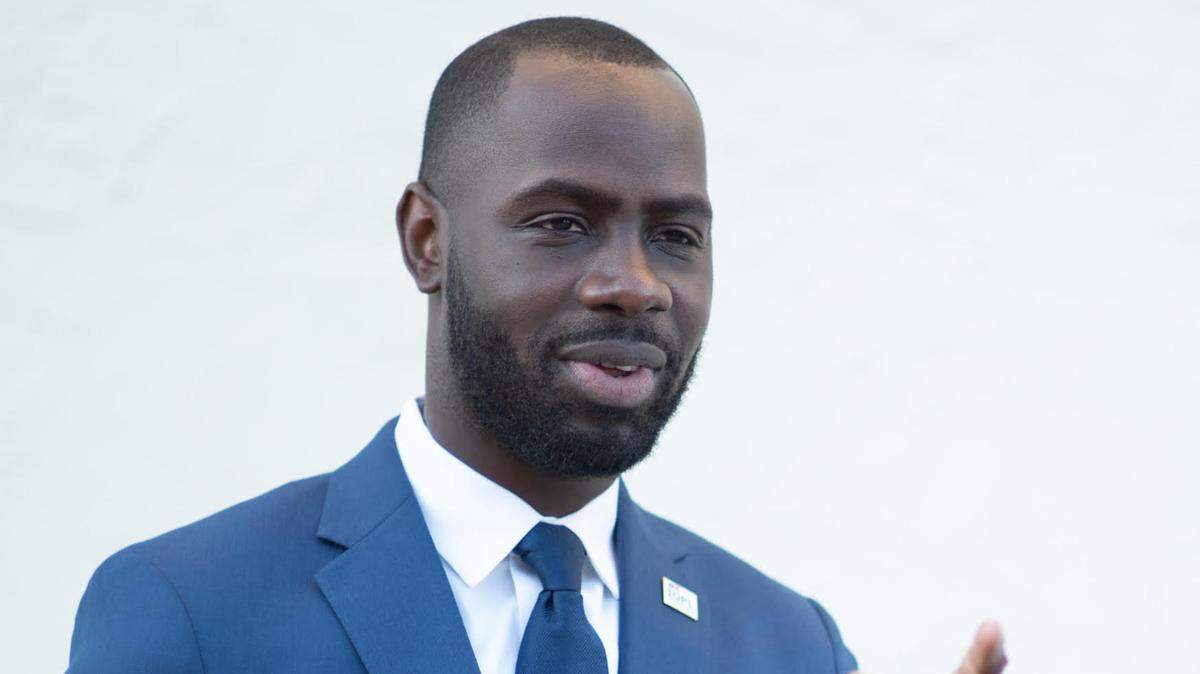
Raleigh mayor candidate Terrance Ruth answers our questions
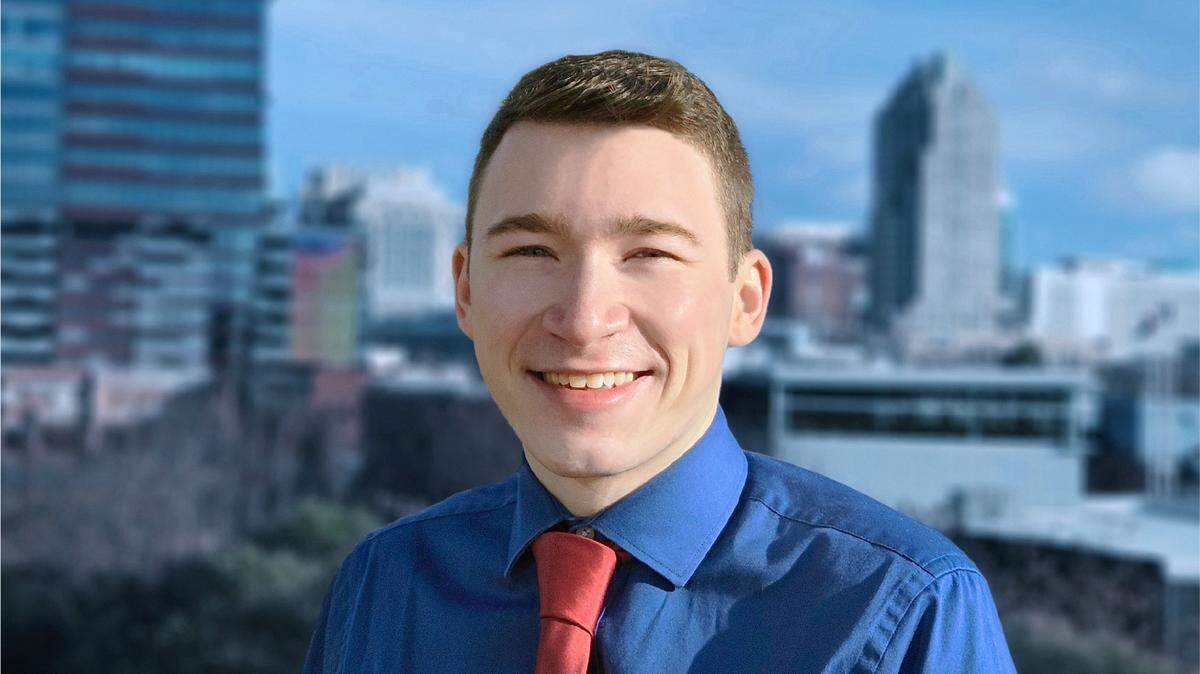
Raleigh mayor candidate James Shaughnessy IV answers our questions
Raleigh voters will pick a new mayor and City Council members this November.
All eight council seats, including the mayor’s, are up for grabs, with all the incumbents except for current Mayor Mary-Ann Baldwin seeking another two-year term.
Election Day is Tuesday, Nov. 5. Early voting runs from Thursday, Oct. 17, through Saturday, Nov. 2. The race is non-partisan.
To help inform voters across the state, this candidate questionnaire is available to be republished by local publications in North Carolina without any cost. Please consider subscribing to The News & Observer to help make this coverage possible.
Name: Eugene Myrick
District/seat: Raleigh mayor
Political party: Democrat
Age as of Nov. 5, 2024: 52
Campaign website: www.myrickformayor.com
Current occupation: Self-employed
Education: BA, International Relations - Shaw University Class of 1994
Offices held/sought: Brooklyn Borough President (New York)
Please list any notable government or civic involvement.
Community Liaison Experience: Worked as a community liaison for a NYC councilman, gaining experience in addressing constituent concerns and navigating city bureaucracy.
Public Office Campaign: Ran for public office in a large city with over 3 million people and received endorsements from multiple organizations, demonstrating your ability to build broad support and advocate effectively.
Save Our Shaw Coalition: Founded the Save Our Shaw Coalition, collected over 7,000 signatures against a rezoning that threatened to displace legacy residents, and hosted a nationally covered unity rally to unite diverse communities.
Consistent Advocacy: Acted as an unapologetic and consistent advocate at City Council meetings, addressing issues such as environmental concerns, flooding in Southeast Raleigh, irresponsible development, and traffic conditions.
Recycling and Environmental Justice: Promoted recycling initiatives and advocated for environmental justice and responsible development practices, including improving Raleigh’s transit system and protecting natural resources.
Biltmore Hills Neighborhood Association: Helped reestablish the Biltmore Hills Neighborhood Association and was instrumental in advocating for the neighborhood’s historic designation.
Omega Psi Phi Fraternity Inc.: A member of Omega Psi Phi Fraternity Inc., a public service organization. Participated in serving Thanksgiving dinners, delivering meals for Meals on Wheels, and volunteering with Habitat for Humanity.
Youth Mentorship and Music Therapy: Mentored youth with the Garner Road YMCA as a college student and created a music initiative in your neighborhood, collaborating with local churches and musical groups to provide music therapy for seniors.
Which city council district do you live in? C
What is the top issue facing Raleigh now and how would you address it?*
The top issue facing Raleigh right now is the housing and affordability crisis. Rising property values and rents are displacing many residents, particularly those from historically underserved communities. Our teachers, public-service workers, our elderly and low-wage earners are finding it incredibly difficult to live here.
To address this, I propose a multi-faceted approach:
Redefine Affordability: Shift from using Area Median Income (AMI) to Neighborhood Median Income (NMI) to better align affordability metrics with the actual needs of our communities. This will ensure housing is truly affordable for those who need it most.
Leverage City-Owned Land: Utilize city-owned land to develop 100% affordable housing. By reducing land costs, we can make housing more affordable and prevent displacement.
Strengthen Policies and Incentives: Work with the City Council to establish stronger policies and incentives for developers to create affordable units. This includes revisiting zoning laws to promote equitable growth and responsible development.
What is your strategy for increasing affordable housing in Raleigh?
To effectively increase affordable housing in Raleigh, my strategy focuses on a comprehensive approach that prioritizes both immediate and long-term solutions. A key component involves redefining affordability through the Neighborhood Median Income (NMI) metric.
1. Redefine Affordability Using Neighborhood Median Income (NMI):Current Issue: The Area Median Income (AMI) metric used in current housing policies often misrepresents the affordability needs of specific neighborhoods. AMI averages income levels across a large area, which can skew affordability metrics and leave many local residents unable to access affordable housing.
Proposed Solution: Adopt the Neighborhood Median Income (NMI) metric. NMI measures income levels within smaller, specific neighborhoods rather than broader regions. This approach ensures that affordability calculations reflect the actual economic conditions and needs of individual communities.
Benefits of NMI:
Precision: Provides a more accurate measure of what is affordable for residents within each neighborhood.
Equity: Addresses disparities by focusing on local economic realities, making it easier to target assistance where it’s most needed.
Inclusivity: Ensures that new developments and affordable housing projects truly meet the needs of local residents rather than broad averages that may not be representative.
2. Utilize City-Owned Land:Develop Affordable Housing: Use city-owned land to build 100% affordable housing projects. This reduces land costs, which are a significant barrier to affordability, and allows for greater control over ensuring housing remains within reach for low- and moderate-income families.
Avoid Displacement: Ensure that new developments, especially those funded by public land, do not displace existing residents. Developments should be designed to integrate with and benefit the existing community.
3. Strengthen Policies and Incentives: Work with the City Council to create policies and incentives that encourage developers to include more affordable units in their projects. This can include density bonuses, reduced fees, or expedited permitting processes for projects that meet affordability criteria.
Revisit Zoning Laws: Revise zoning regulations to promote more inclusive and equitable growth. Allow for higher density and mixed-use developments in areas with existing infrastructure to maximize the use of available land and resources.
4. Explore Innovative Approaches:Public-Private Partnerships: Collaborate with private developers, nonprofit organizations, and community groups to leverage additional resources and expertise in developing affordable housing.
Funding Models: Investigate and implement alternative funding models, such as low-income housing tax credits or community land trusts, to support the development and preservation of affordable housing.
By implementing these strategies, we can create a more accurate, equitable, and sustainable approach to increasing affordable housing in Raleigh. 100% affordable housing is achievable adapting this model. NMI (Neighbor Median Income) will ensure that our policies are closely aligned with the needs of our communities, while the other measures will help to expand and secure affordable housing opportunities for ALL residents.
Should the city be more aggressive about requiring affording units from developers or partner with nonprofits?
Given the urgency of the housing and affordability crisis, the city should adopt a dual strategy that combines aggressive requirements for affordable units from developers with strong partnerships with nonprofits. Here’s how each approach can be effectively implemented:
1. Aggressive Requirements for Developers:
Immediate Impact: Mandating that developers include a percentage of affordable units in new projects ensures a direct increase in the supply of affordable housing.
Leverage Development: By integrating affordable housing requirements into development agreements, the city can leverage ongoing growth to address housing needs.Implementation:
Inclusionary Zoning: Implement or strengthen inclusionary zoning policies that require new residential developments to include a specified percentage of affordable units.
Density Bonuses: Offer incentives such as density bonuses or expedited permits for projects that exceed the minimum affordable housing requirements, encouraging developers to go beyond the baseline.
Streamlined Processes: Simplify the approval process for projects that include affordable housing to make compliance more attractive to developers.
2. Partner with Nonprofits:
Expertise and Resources: Nonprofits often have specialized knowledge and experience in creating and managing affordable housing, and they can provide valuable resources and support.
Community Focus: Nonprofits are often deeply embedded in the communities they serve, ensuring that the housing solutions they develop are aligned with local needs.
Collaborative Projects: Partner with nonprofits to develop affordable housing on city-owned land. These partnerships can leverage both public land and nonprofit expertise to maximize the impact.
Funding and Support: Provide grants or subsidies to nonprofit organizations working on affordable housing projects, helping to reduce their financial burden and increase their capacity to serve more residents.
Shared Goals: Align city policies with nonprofit goals to ensure that both entities are working toward the same objectives and that resources are used efficiently.
To address the housing crisis effectively, the city should not choose between these approaches but rather integrate both strategies. By requiring developers to include affordable units and partnering with nonprofits to maximize resources and expertise, the city can create a robust and multi-faceted response to the housing and affordability crisis.
This combined approach will not only increase the availability of affordable housing but also ensure that developments are well-managed and aligned with community needs, ultimately leading to a more sustainable and inclusive solution to Raleigh’s housing challenges.
Additionally, leveraging city-owned land for affordable housing projects can significantly reduce costs and expedite development, ensuring that more units are built quickly and remain affordable for those who need them most.
Do you think Raleigh can support concert venues both downtown and in Dix Park?
Yes. However, it’s essential to carefully explore these options to address concerns about parking, rising taxes, and the impact on current residents. Responsible development is crucial to ensure that these projects enhance our city without compromising the quality of life for existing communities.
Would you describe Raleigh’s growth as too fast, too slow or just right?
I would describe Raleigh’s growth as too fast. While development is crucial for a thriving city, the rapid pace has led to significant issues, including the creation of food deserts, massive traffic inconveniences, and environmental concerns. Downtown neighborhoods are experiencing displacement, and long-time residents, particularly the elderly, are struggling to hold onto properties they’ve owned for generations.
We need to slow down and adopt a more balanced approach to ensure that growth is responsible, inclusive, and sustainable, addressing these challenges while preserving the character and well-being of our communities.
Do you think Raleigh is losing too many historic properties? If so, how should this be addressed?
Yes, Raleigh is losing too many historic properties, and this trend is concerning. The rapid pace of development and the current city council’s failure to fully address the concerns of constituents, the Planning Commission, and the Raleigh Historic Development Commission (RHDC) are contributing to this loss.
To address this issue, we need a proactive approach:
Strengthen Historic Preservation Policies: Implement more robust policies and protections for historic properties. This includes stricter guidelines for demolitions and redevelopment, ensuring that historic value is preserved and considered in planning decisions.
Enhance Community Involvement: Engage with residents, preservationists, and local organizations to gather input and build consensus on preservation priorities. Ensuring that community voices are heard and considered in decision-making is crucial.
Support the RHDC: Empower the Raleigh Historic Development Commission with additional resources and authority to effectively protect and manage historic properties. Their expertise is vital in preserving the city’s heritage.
Promote Adaptive Reuse: Encourage the adaptive reuse of historic buildings to accommodate new uses while preserving their historical character. This approach balances development needs with preservation.
Increase Transparency and Accountability: Ensure that the City Council and planning authorities are transparent about development plans and accountable to the community. Regular updates and open forums for public feedback can improve trust and collaboration.
This story was originally published September 24, 2024 at 6:10 PM.