The Supreme Court struck down many of Trump’s tariffs. What it means for NC
AI-generated summary reviewed by our newsroom.
- Supreme Court struck down tariffs on most U.S. trading partners.
- Days later, the Trump administration imposed a new 10% tariff on most imports.
- Companies likely pass costs to consumers; any refunds would go to importing firms.
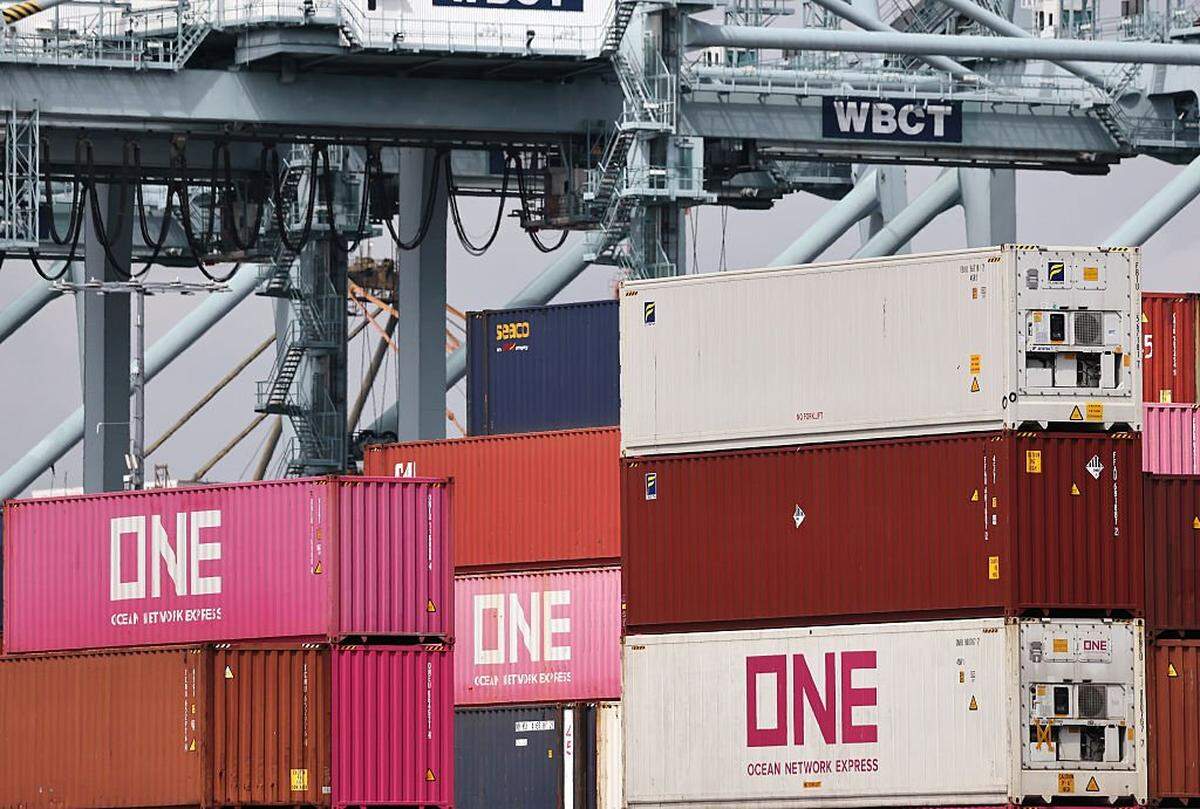
Last week, the Supreme Court of the United States struck down tariffs on imports from most of the country’s trading partners.
The tariffs, or taxes on goods entering the country, were imposed in 2025 by President Donald Trump, who cited the International Emergency Economic Powers Act of 1977 to issue the tariffs without congressional approval.
The president has since levied a new, 10% tariff on most global imports, citing different sections of federal law. The tariffs went into effect after midnight Tuesday, Feb. 24 and will expire in 150 days.
Some in North Carolina, including commercial shrimpers, have welcomed tariffs. But many North Carolinians may have paid more for certain imported goods over the past year, and are wondering how the recent Supreme Court decision affects them.
The News & Observer spoke with Andrew Greenland, assistant professor of economics at North Carolina State University, to learn more about the impacts of the ruling.
Will NC shoppers see prices drop?
Greenland doesn’t expect that the court’s decision will alleviate any pressures on prices.
For one, new tariffs have already gone into effect. And tariffs that did not rely on the IEEPA — such as those on steel — were not affected by the court’s decision. Elevated prices of metals such as steel and aluminum persist, affecting manufacturers such as John Deere, which has a factory in Kernersville.

The potential remains that the Trump administration uses the same federal laws that were not ruled illegal by the Supreme Court to justify the new tariffs, Greenland said, allowing them to continue beyond 150 days.
Unlike last year, firms didn’t have time to stockpile inventories to avoid price hikes. Reuters reported in April 2025, for example, that Apple was chartering flights to carry around 1.5 million iPhones to the United States from India, in an effort to “beat” the tariffs.
This time, though, tariffs went into effect days after Trump announced them.
“Those inventories are presumably drawn down at this point, and so any remaining tariffs in place, now firms are going to have to continue to pass those on,” Greenland said.
Will NC shoppers get any refunds?
The Supreme Court didn’t weigh in on how refunds, if given, would work.
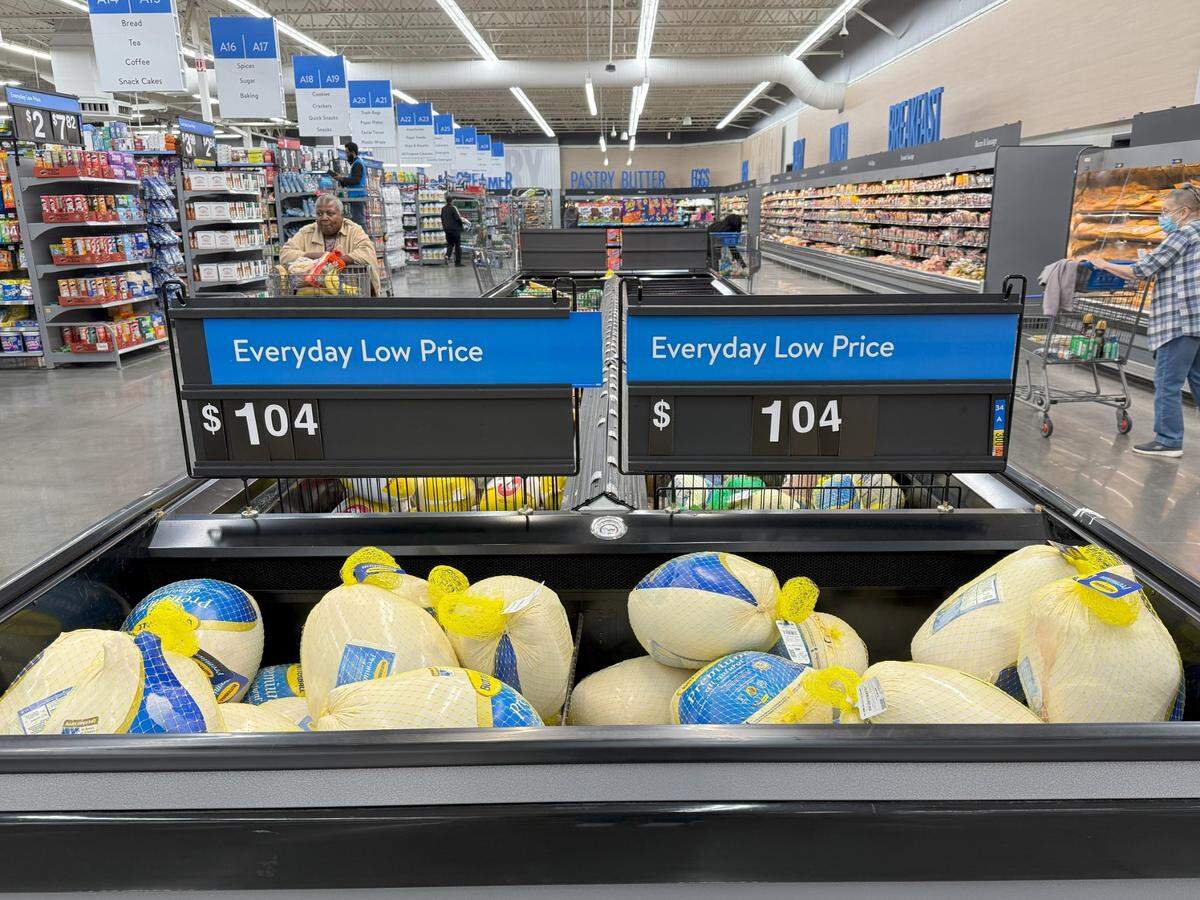
Primary importers pay taxes as goods enter the country, and in turn, they pass on at least some of the costs to consumers.
Firms may be raising prices of all of their goods, not just ones that are subject to tariffs, as a way to hide the costs or prevent demand for certain goods to decrease, Greenland said.
Because of that, it would be almost impossible for an individual consumer to prove that prices they paid were higher because of tariffs and demand money back.
“If someone were to turn around and get a refund from the government, that money is going to go to firms that paid those taxes on the way in,” Greenland said.
Many companies, including FedEx, Costco and Revlon, have already sued the government to recoup costs from the tariffs.
This story was originally published February 26, 2026 at 8:25 AM.