
Tornados are possible in NC today. 7 things to know to stay safe
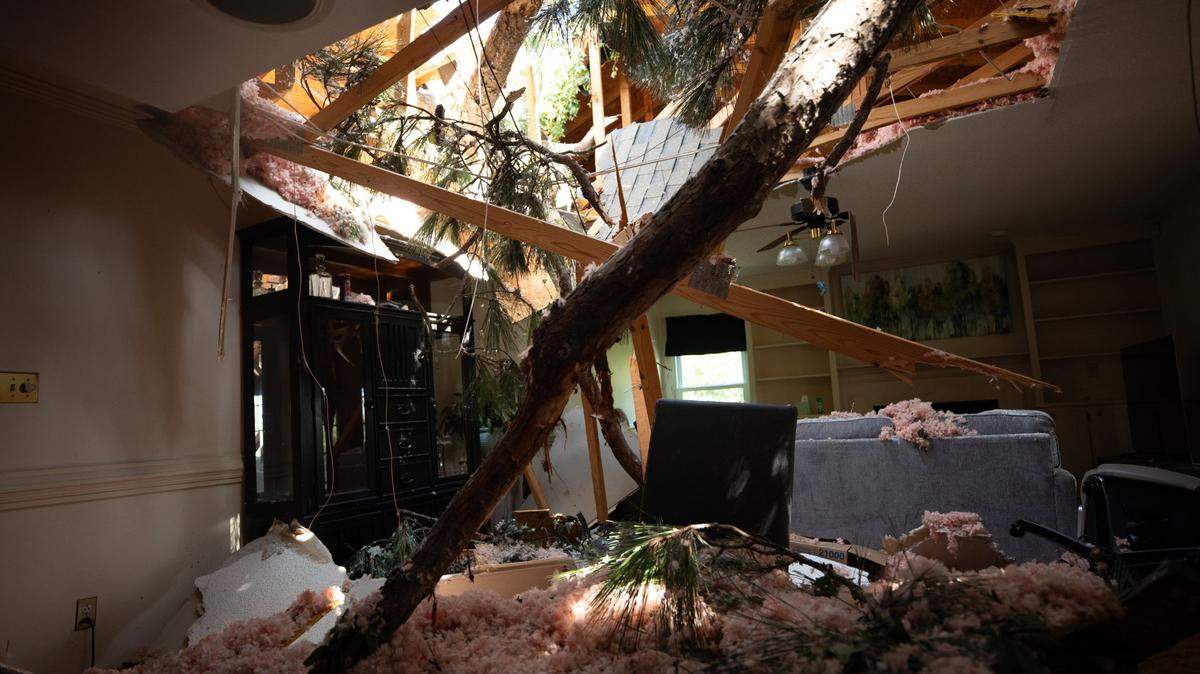
Tornadoes can strike North Carolina with little or no warning at any time of year, and the state’s emergency management agency calls them “nature’s most violent storms.” Knowing where to shelter and how to stay informed can make a life-or-death difference when a warning is issued.
FULL STORY: Where are you safest during a tornado? A guide for being prepared in NC storms
Here are key takeaways:
• A tornado watch means tornadoes are possible in your area. A tornado warning means one has been sighted or detected on radar, and you should immediately move to shelter.
• The safest spot at home is an interior room on the lowest floor or a basement. Bathrooms, closets and areas under stairs are good options. Stay away from windows.
• If you live in a mobile home or are in your car when a tornado warning has been issued, leave it. Find a sturdier building, or if none is available, go outside and look for a ditch or low-lying area.
• Never try to outrun a tornado in your car. Get out, find sturdy shelter, and if you can’t, lie in a ditch or low-lying area. Do not shelter under bridges or overpasses — they could collapse.
• Danger signs include falling hail during a watch or warning, dark or greenish skies, low-lying rotating clouds, sudden stillness in the wind, and a loud roar that sounds like a freight train.
• Most tornadoes are on the ground for 15 minutes or less, but winds can reach 300 mph and damage paths can stretch one mile wide and 50 miles long.
• After a tornado passes, do not touch downed power lines. If you smell gas, turn off the main valve, open windows and leave immediately.
The summary points above were compiled with the help of AI tools and edited by journalists. The full story in the link at top was reported, written and edited entirely by journalists.