NC’s pollen is going to get worse before it gets better. The yellow timeline
AI-generated summary reviewed by our newsroom.
- Pine pollen will peak in the Triangle around March 30, then taper by early April.
- DEQ reports March days were moderate–high; March 23 was very high (1,450).
- Morning pollen production rises; residents can delay outdoor activity
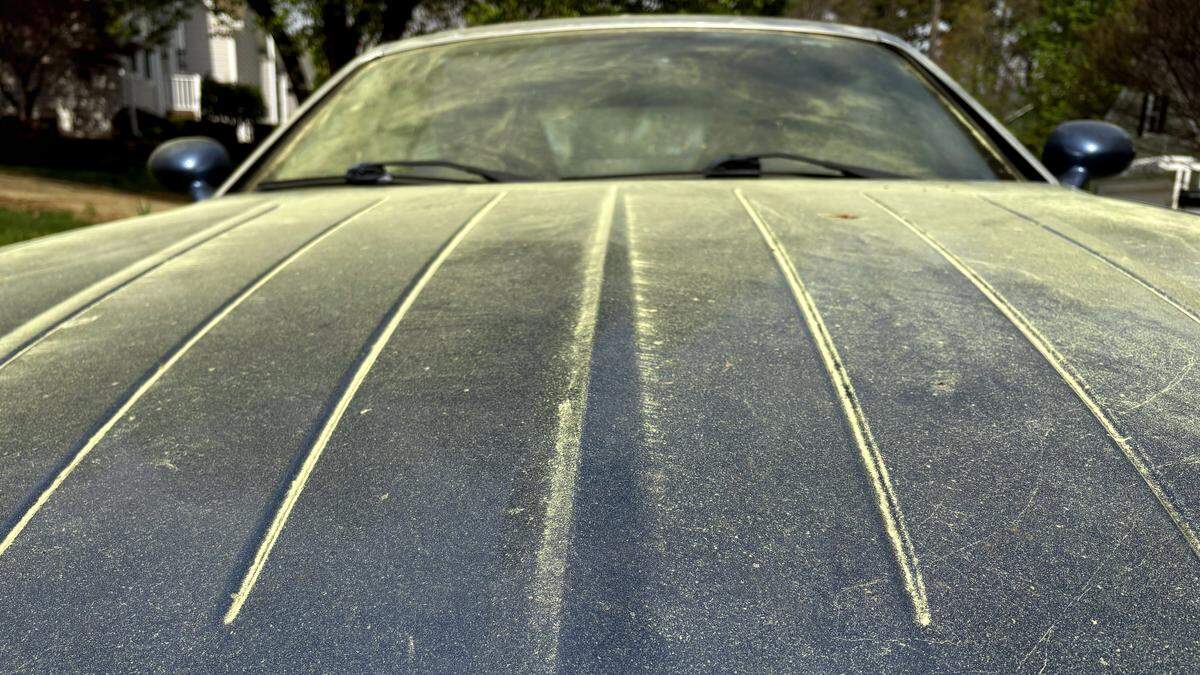
The yellow dust that plagues our car windows, patio furniture and rocking chairs is here — and it’s going to get worse.
Allergy season in North Carolina officially begins in March, ramping up mid-way and usually reaching a crescendo in April.
Some of that tree pollen can’t be seen in the air. But the stubborn yellow powder arrived in force in recent days.
The Triangle will likely see a peak in that yellow pine pollen next week, potentially on March 30, before tapering off by early April, said Robert Bardon, associate dean for Extension in the North Carolina State University’s College of Natural Resources.
Scientists and researchers created a formula that anticipates the peak pine pollen season through their work, he said.
“They were tracking the production of pine pollen in order to do crosses between the various tree families to develop, for example, disease resistance trees, and it would make sense they would focus on pine pollen,” he said.
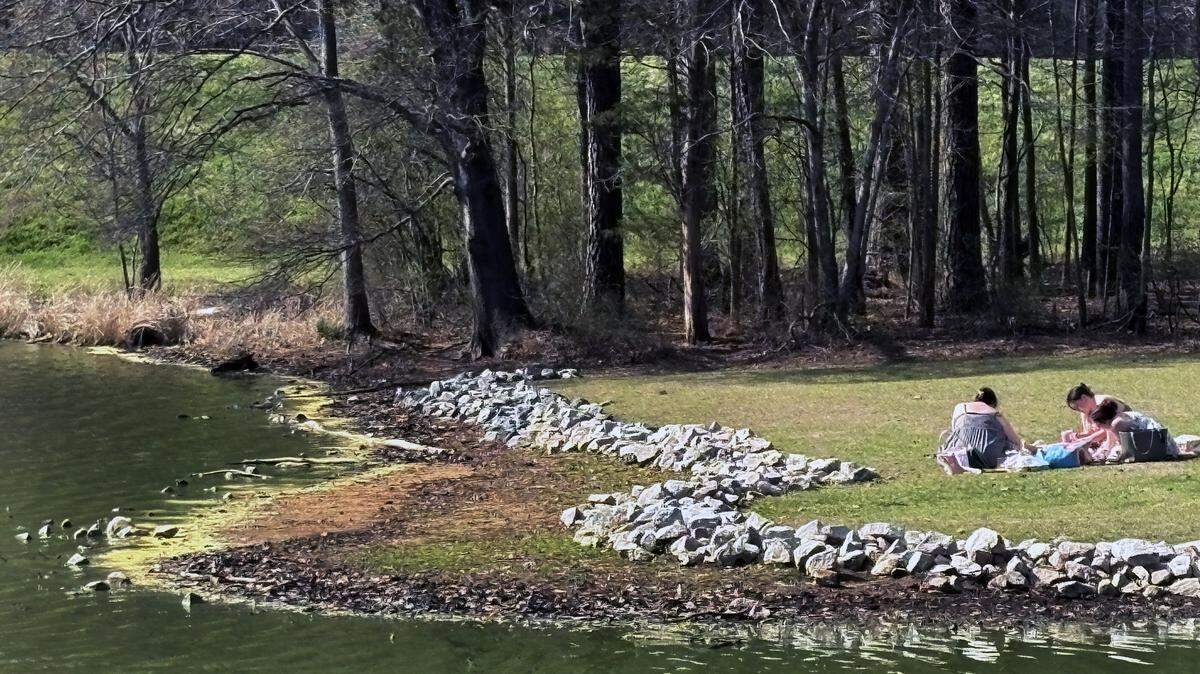
North Carolina allergy season
The North Carolina Department of Environmental Quality’s Division of Air Quality collects pollen and sends out a daily report measuring the pollen count as low, moderate, high and very high.
Every day measured in March has measured as high and moderate, with Monday, March 23, listed as very high with 1,450 visible grains per cubic meter. That’s the first “very high” measurement of the year.
Plants produce more pollen in the morning, Bardon said, and folks who allergies may want to avoid being outside early in the day.
“Instead of doing activities first thing in the morning, like taking children to the playground, they might want to hold off under later in the day,” he said. “Same with opening a window in the house. I would recommend doing it at night time.”
There was so much pollen in the atmosphere on Monday that it showed up as a “solid sheet” on the National Weather Service’s radar, said Nick Petro, warning coordination meteorlogist with the NSW Raleigh office.
Pines in North Carolina
While the pine pollen can be sneeze-inducing, the hardwood trees play an important part in North Carolina’s economy.
“Our forests are dominated by hardwoods, more so than pine, but pine is a big timber species for us,” he said. “It’s very important to the economics of our state. The most recent data (shows) the forest sector contributes $41.7 billion to our state economy and is the second-largest manufacturing industry in our state.”
Trees and the natural environment are reasons that people visit North Carolina, Bardon said, and tourism is another big driver for the state’s economy.
“Our natural resources, our forest provides a lot of the playground for people to get out into,” he said.
How to get a daily pollen report
The state injects bright pink dye to count the number of pollen grains, and the pollen report includes a breakdown for the predominant tree pollen including juniper, cedar, cypress, elm, maple and pine, which is the yellow pollen that covers the area.
You can subscribe to the daily pollen report by sending an email to DEQ.AQ.ask_ambient@deq.nc.gov.
Portions of this story were previously published in The News & Observer.
This story was originally published March 25, 2026 at 5:00 AM.