When can you wash your car? Here’s when pollen season will end in NC
AI-generated summary reviewed by our newsroom.
- Pine pollen peaked late March; some hardwood tree pollen can run into June.
- Pollen can damage paint and filters; use distilled water and microfiber cloth.
- Hardwood pollen ramps up in April and some types persist into June
Rachel Abbott washes her 14-seat party bus before every event she’s hired for.
It’s an even more laborious process during pollen season.
“Everything’s cleaned inside and out, and then pollen wise, honestly I do my best, but it’s an uphill battle,” said Abbott, owner and operator of The Rabbott. “I’ll wash it, but if there is pollen, everyone in the area understands the struggle.”
It’s pine pollen that causes the Triangle’s yellow haze, and it’s almost over.
Pine pollen production peaked in the last few days of March and has quickly begun tapering off, according to Robert Bardon, associate dean for Extension in the North Carolina University’s College of Natural Resources, in an email to The News & Observer.
If you’ve been holding out on washing your car, you’re probably safe to grab the hose and bucket this weekend.
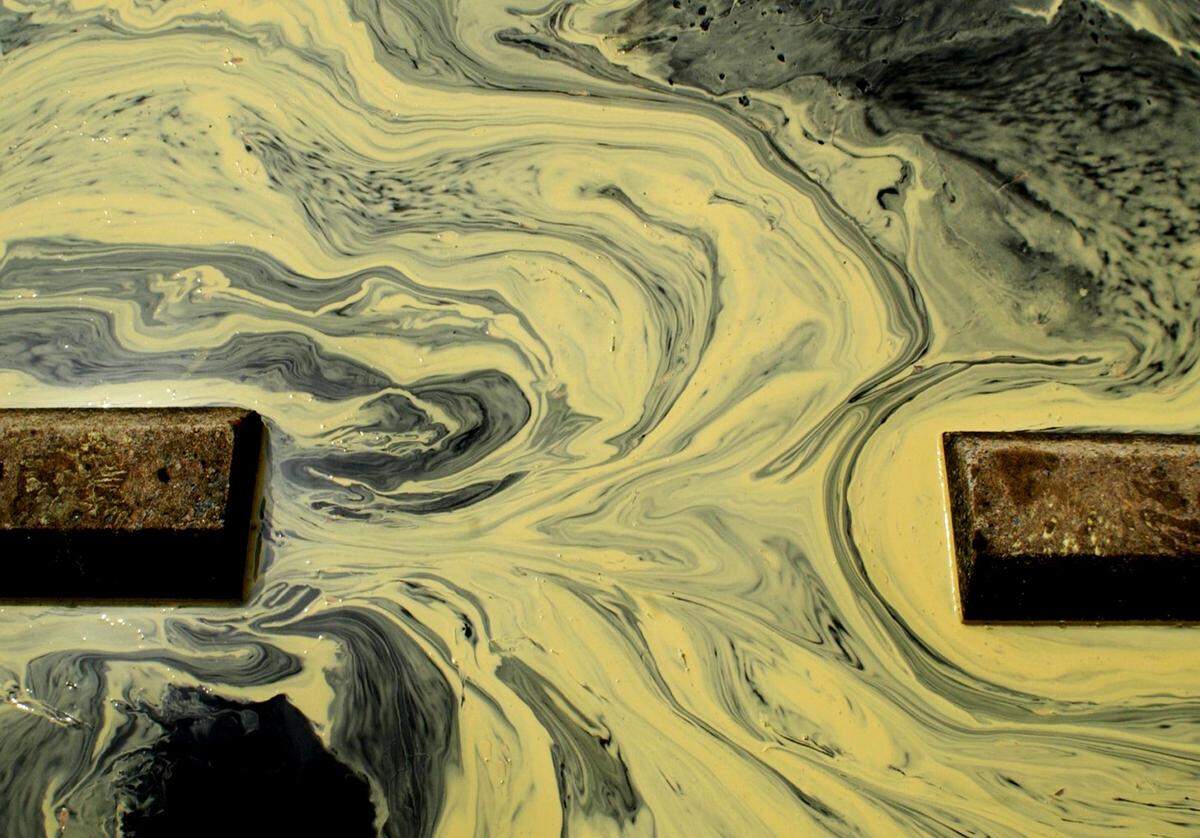
When is pollen season over in NC?
Tree pollen, bringing with it seasonal allergies for many, kicks off in mid-March and ramps up into April. Some hardwood tree pollen production runs into June, Bardon said.
“Hardwood tree pollen is more allergenic because the pollen grains are smaller and lighter than pine pollen grains, making them easier for the wind to carry and inhale,” he said in a College of Natural Resources article. “Pine pollen grains are also much smoother compared to hardwood trees, such as maple and oak, which produce a fine grain pollen that’s also quite rough. The smoother the grain, the less likely to be an irritant.”
Raleigh and Winston-Salem rank among the 20 worst places to live in the United States for allergy suffers, according to the Asthma and Allergy Foundation of America, The N&O previously reported.
As North Carolina moves into summer, grass and weed pollen will rise and then ragweed pollen begins in the fall, according to Shawn Taylor public information officer for the North Carolina’s Department of Environmental Quality’s Division of Air Quality.
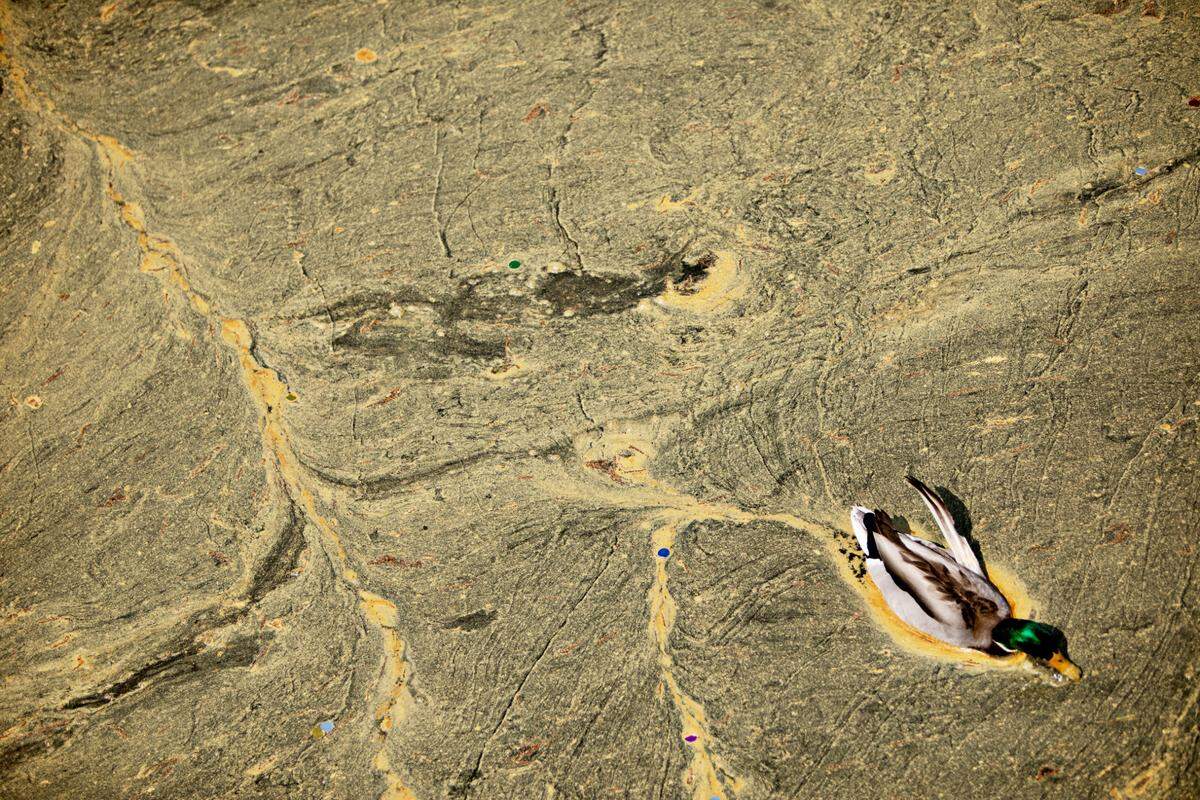
Vehicle maintenance during pollen season
Pollen can damage your vehicle’s paint and clog air filters, according to Chapel Hill Tire, which has auto shops around the Triangle.
“Pollen has tiny spikes that cause it to stick to a vehicle’s exterior, with these spikes digging into the paint,” according to the auto shop’s website. “When the pollen isn’t removed, it will expose your paint job to rust and oxidation.”
Chapel Hill Tire recommends people:
- Check their vehicle’s air filters.
- Wash their car more often.
- Use distilled water and microfiber cloth, which “excel at trapping pollen.”
- Apply a protective coating, which can make it easier to rinse pollen off a vehicle.
- Use a car cover when parking outdoors.
People should avoid wiping the pollen off cars without water or lubricant because it can scratch the vehicle’s paint, according to Johnson’s Mobile Detailing.
Of course, there’s always the option of letting Mother Nature handle the pollen, like Abbott does with her personal vehicle.
“Some people are very particular about how their things look, and other people don’t necessarily mind,” she said. “So if you want to wait, you can. That’s what I do.”
This story was originally published April 6, 2026 at 3:15 PM.