How Duke, UNC and NC State balance funding basketball in a football world
AI-generated summary reviewed by our newsroom.
- ACC revenue now skews to football, with 75% media share tied to gridiron success.
- UNC, Duke, NC State boost football and basketball investment to capture media dollars.
- Basketball remains cultural anchor but faces diluted identity and revenue uncertainty.
READ MORE
ACC Basketball Preview
What is the state of Triangle hoops in football-mad college sports? News and analysis from Duke, N.C. State, UNC.
Expand All
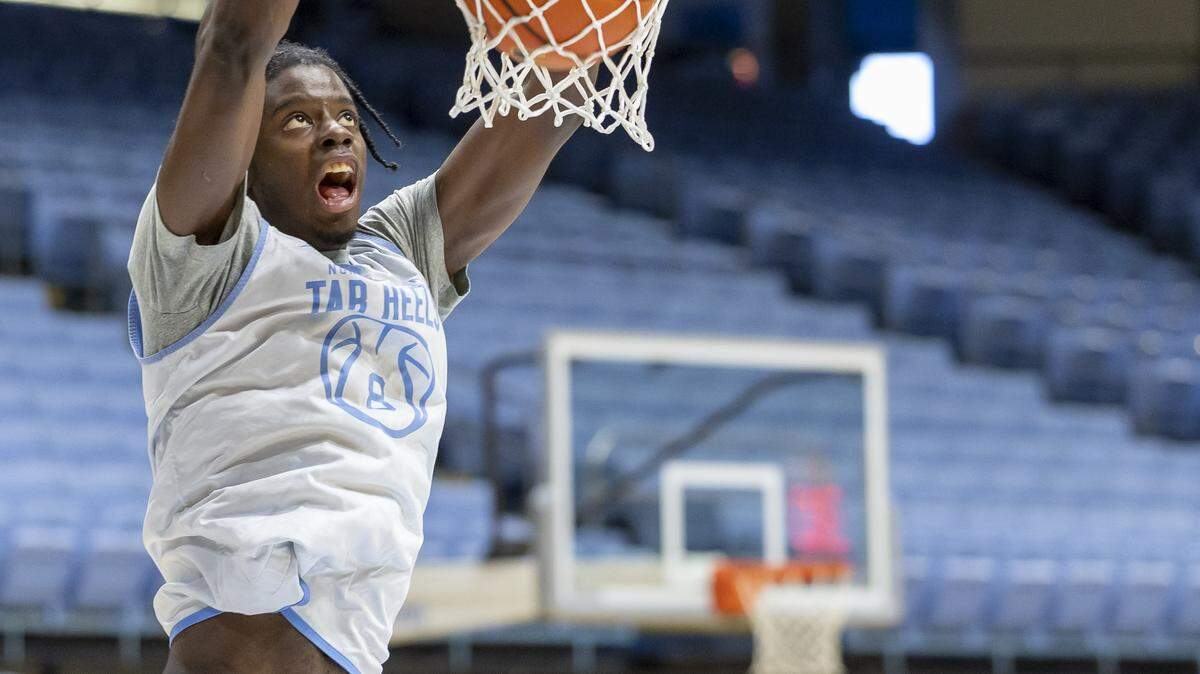
Seth Trimble didn’t crack a smile.
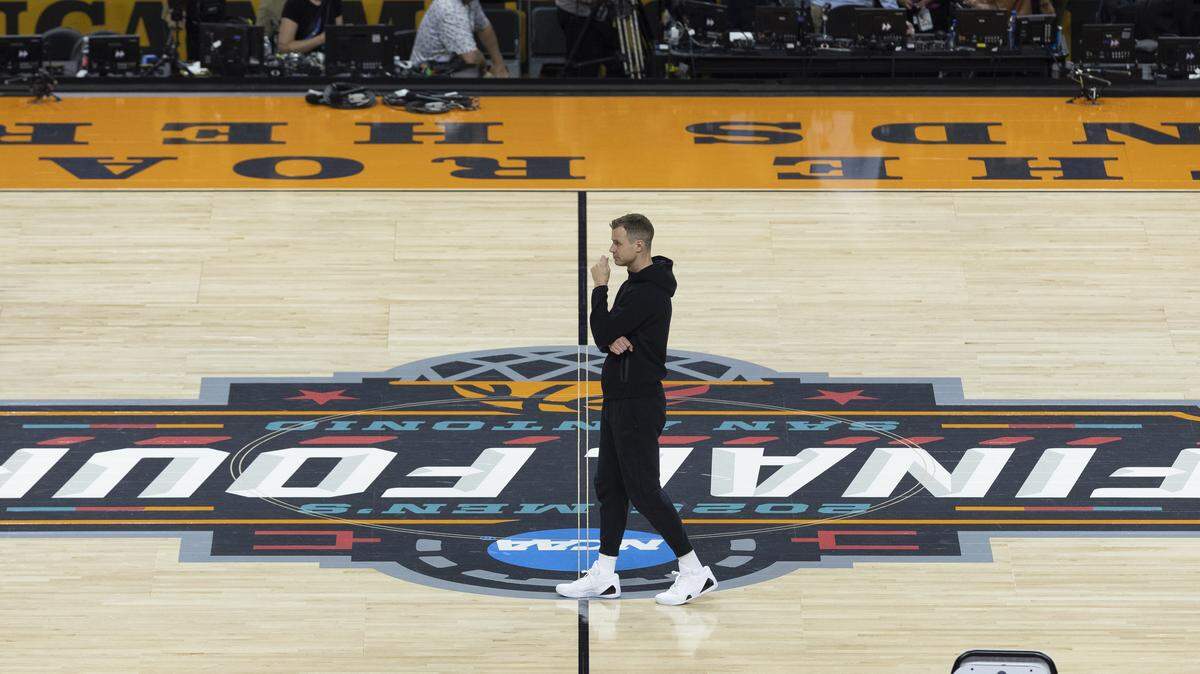
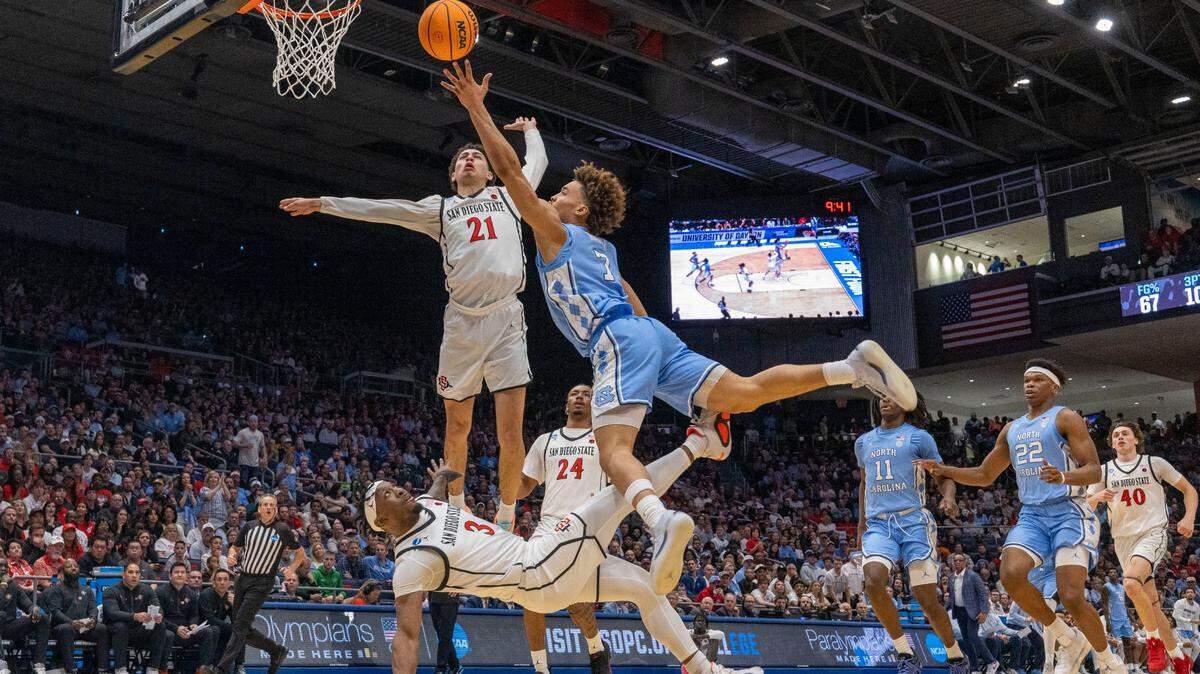
As his North Carolina teammates leapt from their seats this past Selection Sunday — celebrating an 11-seed and bid into the NCAA Tournament First Four — Trimble sat still, expression flat.
“I was just shocked,” Trimble said the next day at a press conference in Dayton, Ohio. “I expected ourselves to make the tournament, but the show had literally just started, so I was kind of just zoned out a little bit.”
For a basketball program measured by championships, the moment — barely tiptoeing into the Big Dance as the last pick — felt more relief than triumph.
Across ACC men’s basketball, it was a similar feeling.
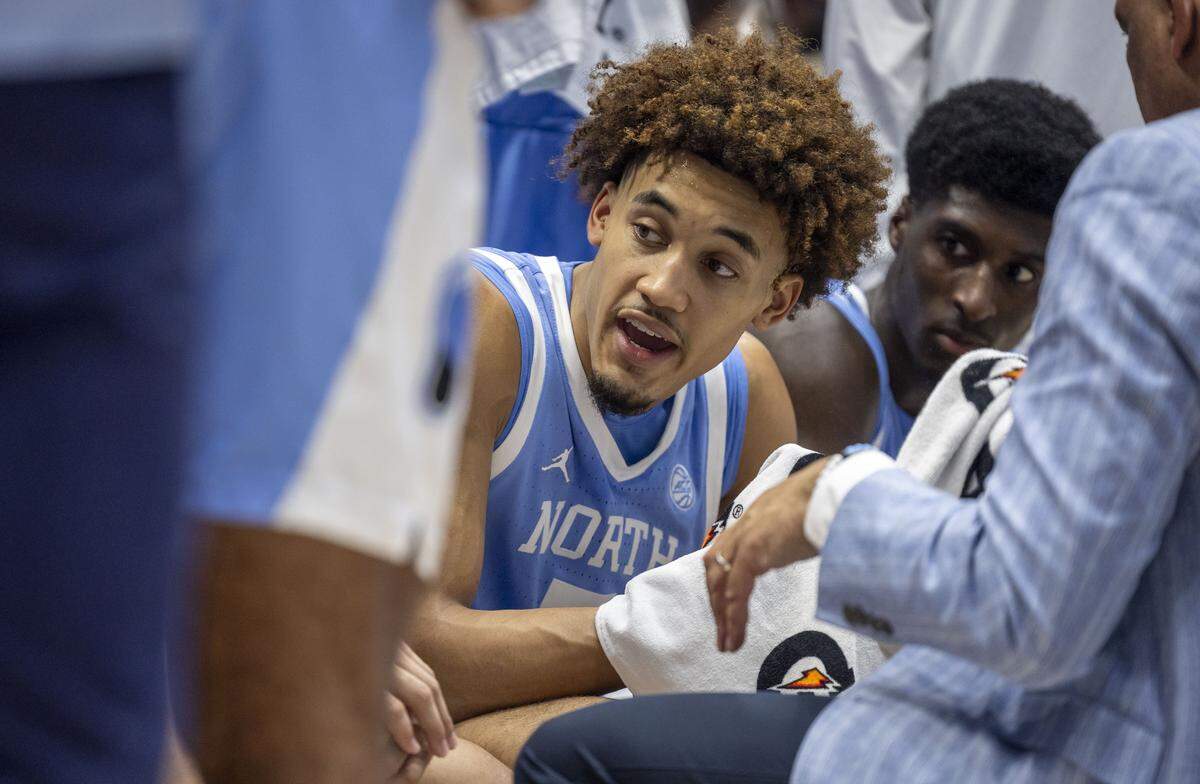
The ACC — now 18 schools in basketball, more than twice its original size and spanning both coasts — has seen diminished postseason returns in recent years. Just four ACC teams reached last season’s NCAA tournament: Duke, Clemson, Louisville and, sneaking in with the last spot, North Carolina — down from seven ACC bids (and three No. 1 seeds) in 2019, and a far cry from nine bids in both 2018 and 2017.
Still, the conference has reported record numbers in revenue distribution.
Tax documents released by the league in May show the ACC generated $711 million in the 2023-24 academic year and distributed an average of $45 million to its then-14 full-time member schools. Yet, the conference still trails the SEC and Big Ten, which distributed roughly $53 million and $63 million, respectively, to each member institution.
There’s no quick fix. ACC commissioner Jim Phillips knows this and has said so for years. In 2023, Phillips described the “right approach” as trying to narrow the per-school revenue gap — to “bridge it as far as you can.”
That’s dependent on, in large part, greater success in football, where it appears only Georgia Tech and Miami are CFP contenders for this postseason. As the ACC works hard to boost its revenue and raise its football profile to limited success — trying to keep pace with the football-rich SEC and Big Ten — where does that leave basketball?
The answer isn’t so simple.
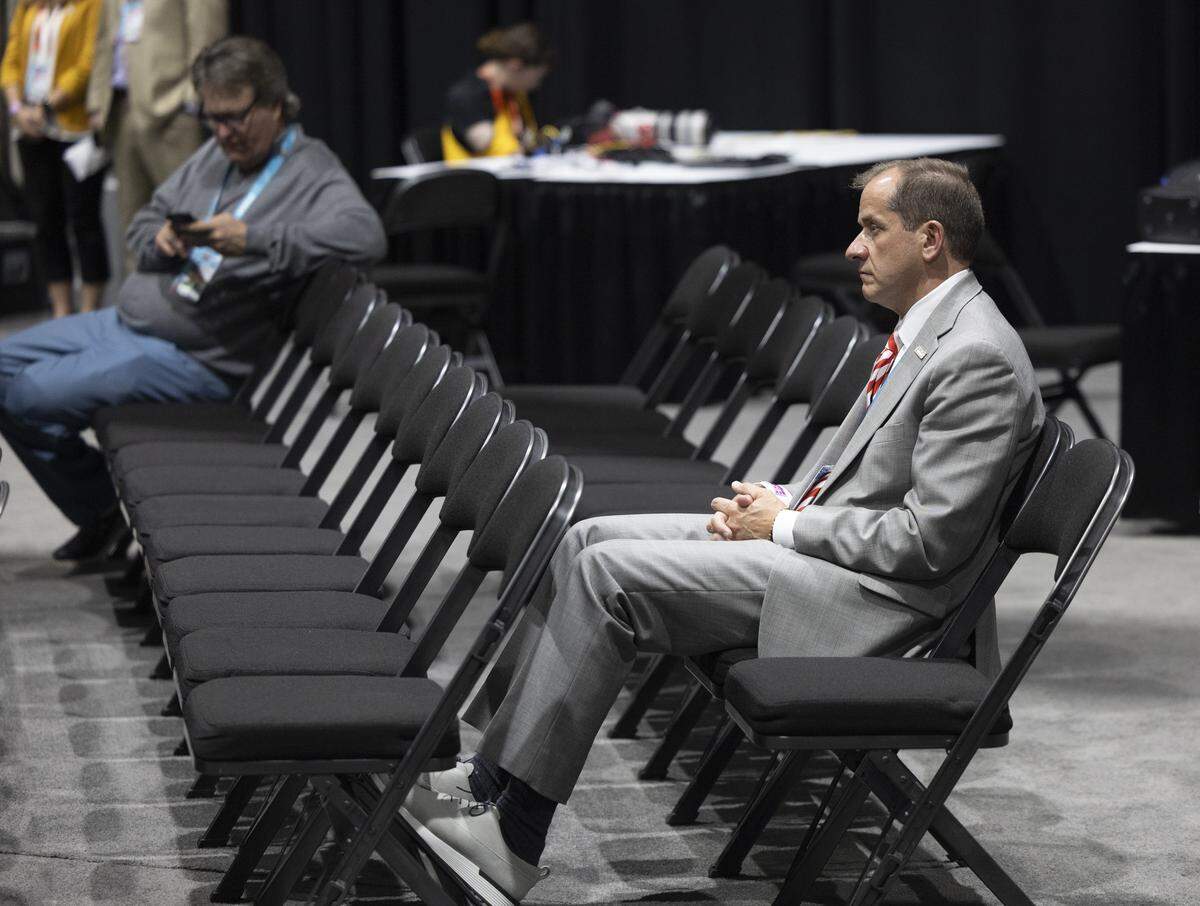
Phillips has stated repeatedly he’s felt “restless” about the state of men’s basketball in the conference. That feeling goes back about three years, he told the N&O.
While the numbers tell one story, tradition tells another. Though football now delivers roughly three-quarters of the ACC’s television revenue — a fact not at all surprising when you consider football’s unassailable financial dominance in the college sports landscape — the league is still judged by its basketball. And even Phillips would admit ACC hoops have “had a period where we’ve just dipped.”
Despite all this, Phillips insists the conference can chase football growth without sacrificing what made it great in the first place. A review of the Triangle’s three ACC schools proves, in varying capacities, UNC, Duke and N.C. State believe this, too.
“We all believe you don’t have to marginalize and lessen the importance of basketball for greater results in football,” Phillips told the N&O. “They’re not mutually exclusive from one another.
“You can. You can do all of it, and that’s been the intention.”
‘We are held to the highest standard’
Hubert Davis said he can’t remember a time there wasn’t excitement for college basketball around the Triangle, or the state of North Carolina.
“It’s always an excitement heading into basketball season,” the UNC head coach said. “And this year doesn’t seem any different than any other year. And every other year it’s been at the highest level.”
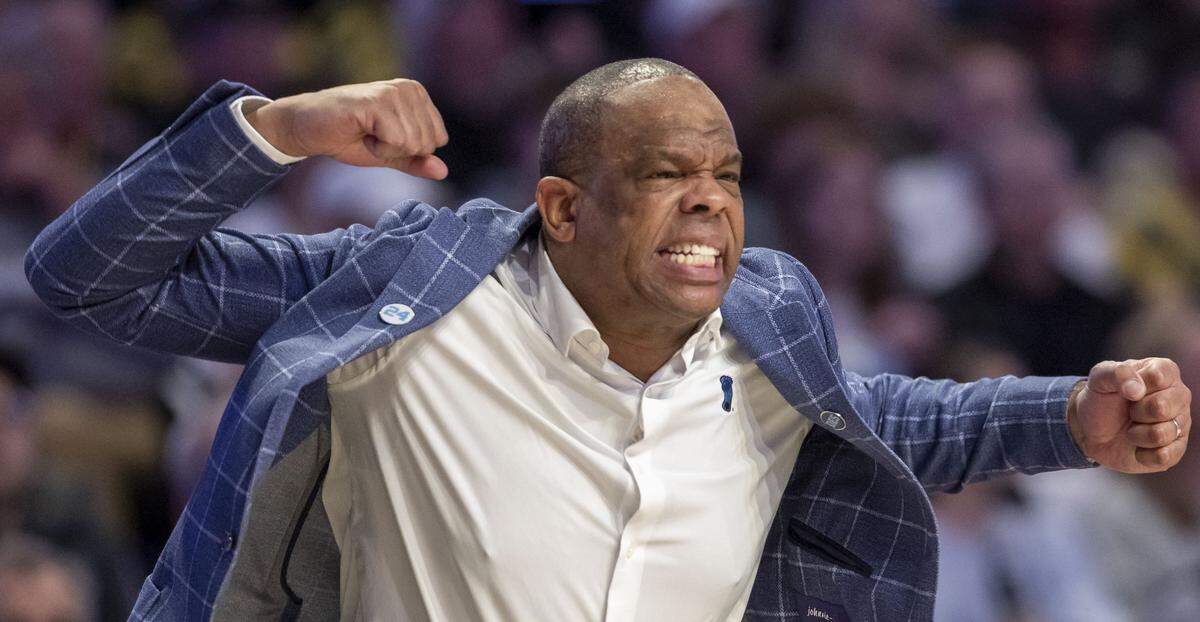
This season, all three Triangle women’s programs — UNC, N.C. State and Duke — open ranked in the preseason top 15. The men’s teams aren’t far behind, all in the top 26, each having reached a Final Four in recent years.
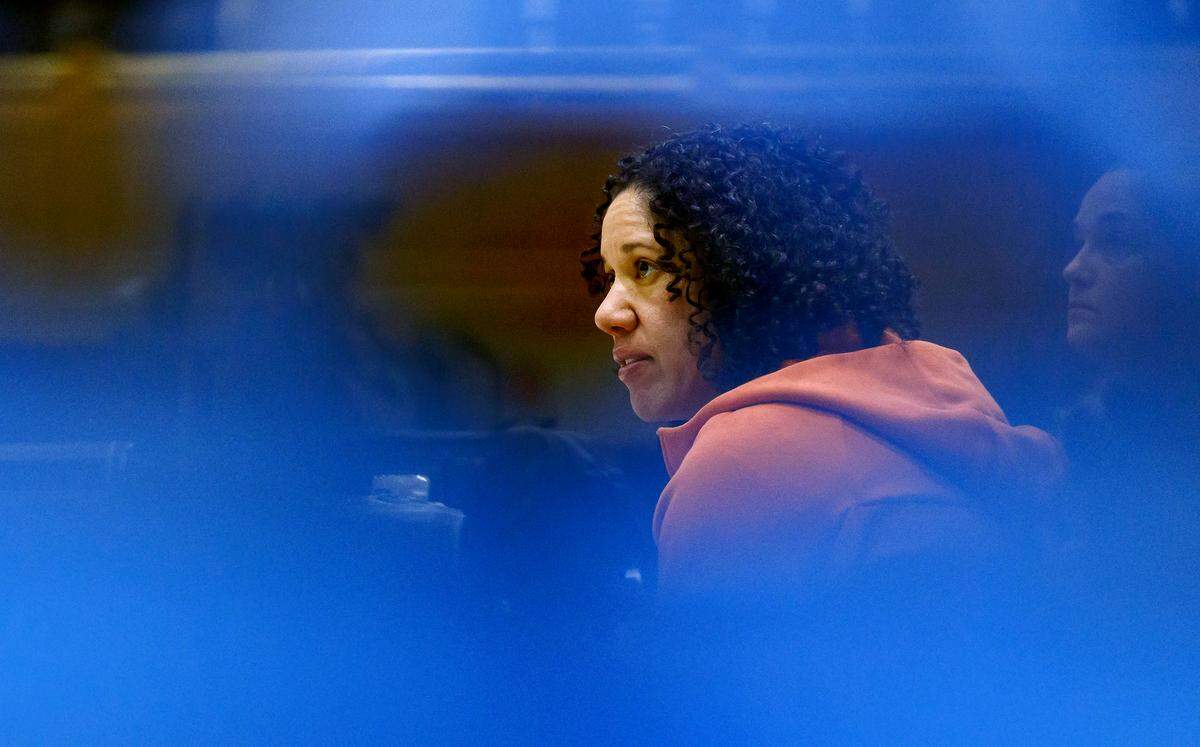
Success on the court has long been the conference’s calling card. But for decades, basketball wasn’t just the ACC’s cultural backbone — it was the league’s most important economic engine.
In the 1990s, the ACC — anchored by its unrivaled basketball brand value and a $300 million television deal with Raycom Sports and Jefferson Pilot Sports announced in 1999 — was the wealthiest league in the country on a per-school basis.
“I think it’s a tremendous plus for our schools as we look ahead — from a financial standpoint, from an exposure standpoint and from a stability standpoint,” then-ACC commissioner John Swofford said at the time, per Sports Business Journal. “We’re extremely pleased with every aspect of (the deal).”
But the landscape was about to change. Since then, football became vastly more important in terms of television ratings, causing the sport’s value to increase exponentially.
Patrick Crakes, a former Fox Sports executive and media consultant, pinpoints the late 1990s and 2000s as a turning point. Pay TV — meaning cable and satellite — was becoming cheap and widespread. Leichtman Research Group reported that pay TV penetration peaked at 87% in 2008.
As cable TV grew, there were suddenly a lot more channels that needed content. And so more games — especially college football — started getting airtime.
“There (was) a bit of an explosion in inventory, which drives value in college football,” Crakes said.
The ACC’s 2004 expansion was driven almost entirely by football. The league added Miami, Virginia Tech and Boston College in an attempt to strengthen its profile on the gridiron and reach the 12-team threshold needed for a conference championship game.
The increased TV money — from, of course, football — was the centerpiece of Swofford’s plan when he recruited Big East schools in those contentious early-2000s negotiations.
“The Big East was really ravaged by the departure of these football-playing schools to the ACC,” Big East commissioner Val Ackerman told the N&O. “That’s a bit of an irony here.”
In 2004, the expanding ACC announced a new, seven-year television deal for football with ABC and ESPN. The Associated Press reported at the time that the overall deal was worth $258 million, or an average of $37.6 million a year.
Men’s basketball, meanwhile, took a hit. Since joining the ACC, Virginia Tech and Boston College have only combined for six NCAA Tournament wins.
The next wave of expansion, which brought in Syracuse, Pittsburgh and Notre Dame in the early 2010s, was more basketball-minded. And yet, only Notre Dame (a league member in all sports but football) has won an ACC men’s basketball title since the three schools joined the conference.
Because of this — and myriad other reasons — there’s been a gradual dilution of the ACC’s basketball identity, even as the league’s footprint and television reach expanded.
Part of it is coaching turnover. A decade ago, the ACC had four active Naismith Hall of Fame coaches among its ranks in UNC’s Roy Williams, Duke’s Mike Krzyzewski, Louisville’s Rick Pitino and Jim Boeheim of Syracuse. Respected, accomplished veterans like Notre Dame’s Mike Brey, Florida State’s Leonard Hamilton, Miami’s Jim Larrañaga and Virginia’s Tony Bennett were also in the league.
They’ve all since retired, except the 73-year-old Pitino, who is now coaching St. John’s.
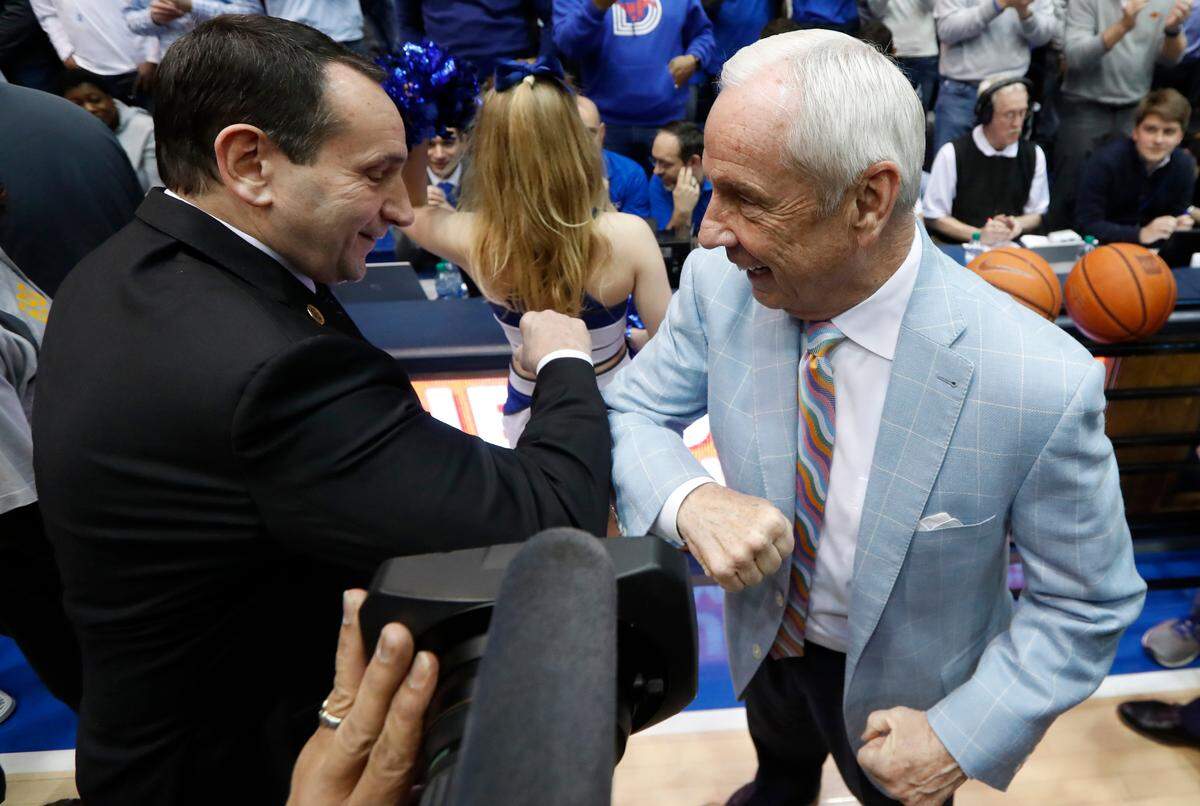
“Those are eight Hall of Fame coaches,” Phillips told the N&O. “So this isn’t one of those things where people have been escorted out … the number of wins, the number of Final Fours, the number of national championships — you can’t just duplicate those things.”
And so now that the ACC, a conference famous for men’s basketball, benefits far more financially for its meager gridiron glory, why continue to push hoops?
There’s the cultural angle, for one — and it runs deep. Basketball remains essential to the DNA of the ACC, still binding together a bi-coastal conference that has far less in common than it did in its glory days.
As Phillips explained, “we are held to the highest standard, which is accepted and embraced in the league.”
“The coaches embrace it. Athletic directors, I think the players do,” Phillips continued. “So it’s not anything we’re trying to run from.”
But this isn’t simply an exercise in charity. While college football remains the “bazooka,” said Crakes, men’s college basketball and women’s college basketball has “more value than ever.”
“The truth is, it’s still going to all be about college football and the ecosystem is going to live and die with that,” Crakes said. “And then men’s college basketball is going to come along as the force-multiplier behind it.”
‘Significant upside’ for UNC
For the Triangle’s major programs, the more apt question isn’t if you should invest in football and basketball — it’s whether you can do both well, especially in an environment where football dominates financially.
The stakes have shifted this year. Thanks in part to lawsuits from top ACC football brands Florida State and Clemson, ACC revenue distribution is changing.
This year, the ACC is adding an additional revenue distribution model based on viewership. Forty percent of league revenue (from the ACC’s base media rights deal) is split evenly among conference teams, while the rest is tied up to football and basketball viewership.
Men’s basketball makes up 25% of that unequal split. Football accounts for 75%.
“They’ve given us what the percentages are going to be over the years,” UNC athletic director Bubba Cunningham said in August. “You can estimate based on what you think your viewership is going to be. We’ve done that. We’ve run some preliminary stuff… we will get more money because of our media interest as we go forward.”
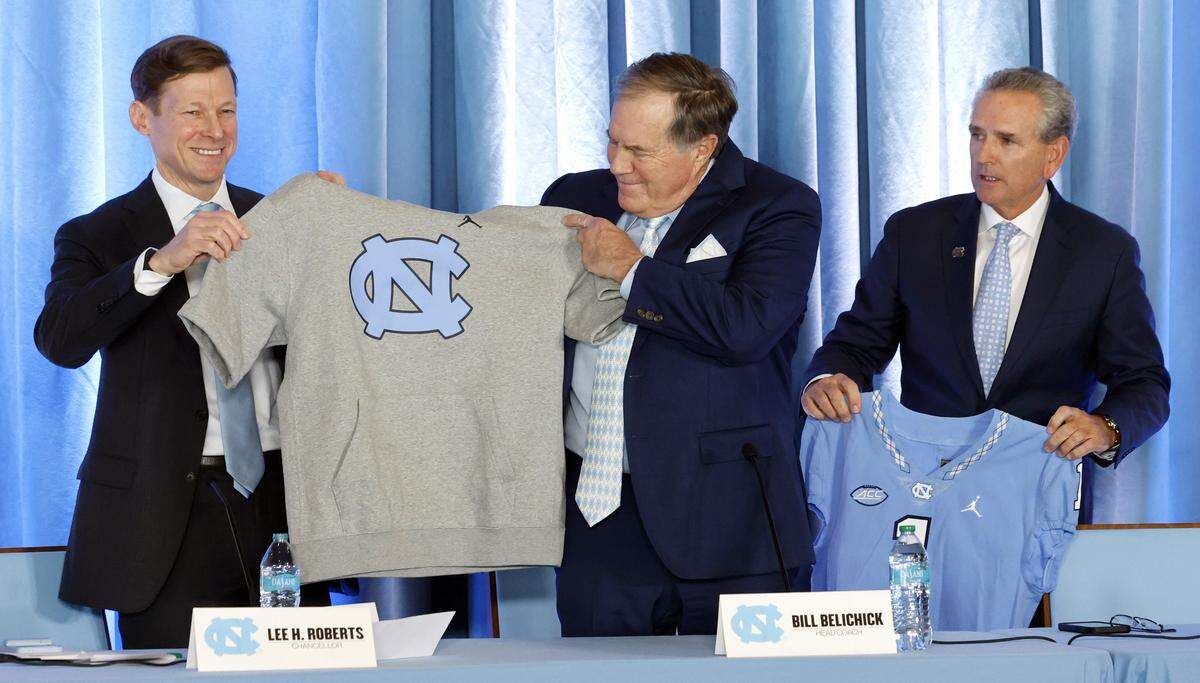
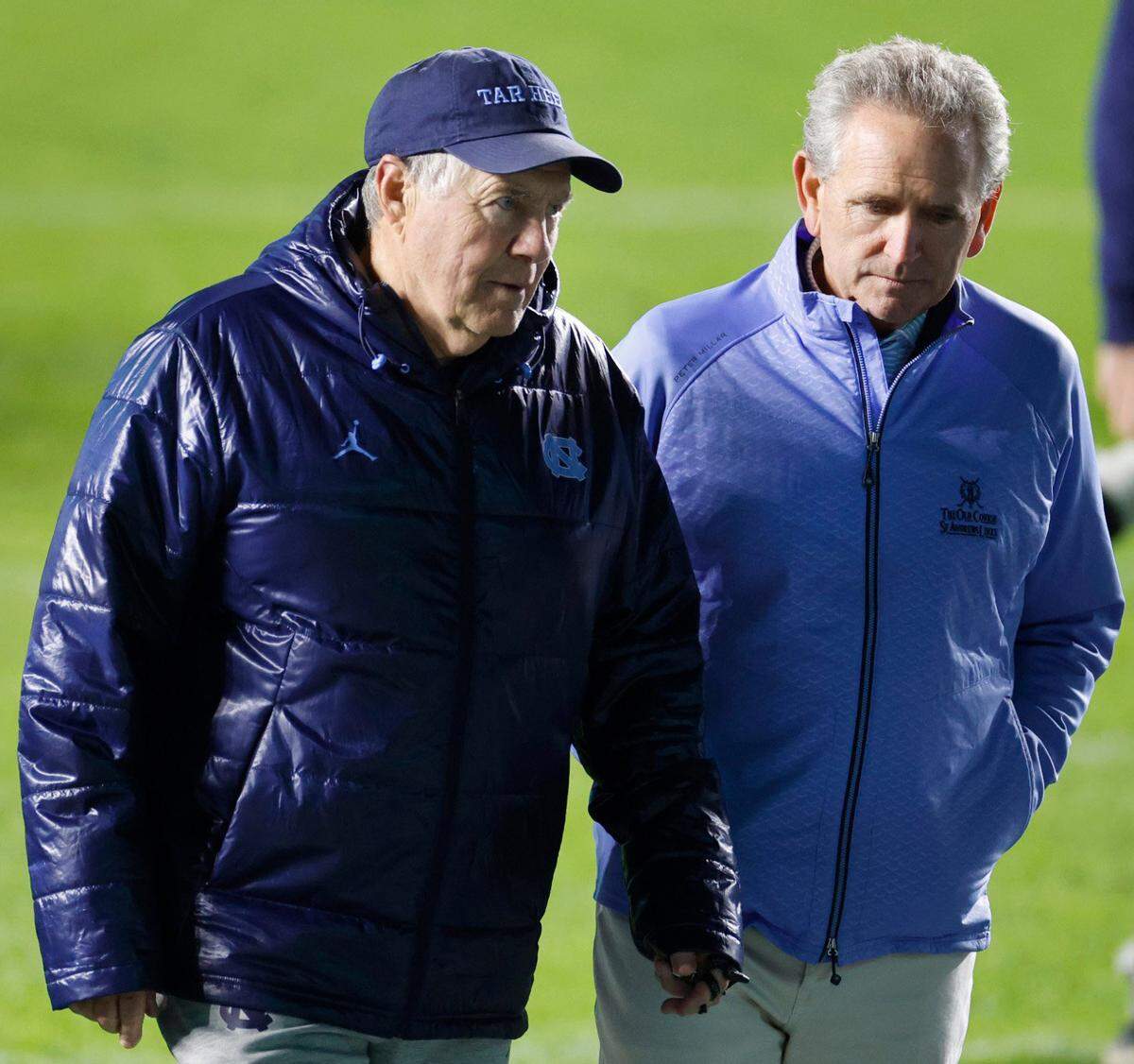
North Carolina’s investment in football has been well-documented: $10 million annually for Bill Belichick — making him the highest paid public employee in the state — and over $1.5 million for general manager Michael Lombardi, believed to be one of the highest front office salaries in college football. The two hires this offseason were part of an all-chips-in gamble the North Carolina athletic department made on football.
Cunningham has been adamant that he and the administration believe the university will receive a positive return on its investment. Cunningham said in August, before North Carolina played a single snap under Belichick, that “the investment is already starting to pay off.”
But Cunningham has been equally adamant that you can “do both” — invest in football and basketball to great success.
“I always have,” Cunningham.
Inside Carolina reported in June that UNC surpassed the $14 million mark in its financial commitment to this year’s roster — triple what was reportedly spent on last season’s roster. The hiring of men’s basketball executive director and general manager Jim Tanner for a salary of $850,000, as well as the exploration of renovating or relocating the Smith Center, are more signs of UNC’s renewed investment in both sports.
And that’s before you factor in the revenue sharing induced by the House v. NCAA settlement.
While most schools are earmarking 75% of their funds — which are capped at $20.5 million for the upcoming year — for football, North Carolina is adjusting that split in favor of hoops. On a Carolina Insider podcast appearance in August, Cunningham said North Carolina will distribute approximately 65% to football (about $13 million), 35% to men’s basketball (about $7 million) and roughly $250,000 each to women’s basketball and baseball.
“The fairest thing to do was give the revenue sharing to those sports that had generated it,” Cunningham said on the Carolina Insider episode.
In 2023-24, the most recent year with publicly-available numbers from the Equity in Athletics Disclosure Act report, football and men’s basketball combined for roughly $45.5 million in profit, with football accounting for $26.8 million and basketball generating $18.7 million.
An analysis by the Wall Street Journal in April projected that UNC men’s basketball had the “highest team valuation in the sport” at $378 million, as well as a cash flow of over $23 million and $38 million in revenue.
“I do think that we both believe that there’s potential to be unlocked for us to continue to grow and expand as the university grows,” incoming UNC Athletic Director Steve Newmark said in August.
North Carolina leadership hopes its big-time backing of both sports will continue to pay dividends with the ACC’s new revenue equation and success initiatives.
“I think there’s significant upside for us just in that, let alone what we can do ourselves,” Cunningham said.
The ‘Red Reckoning’
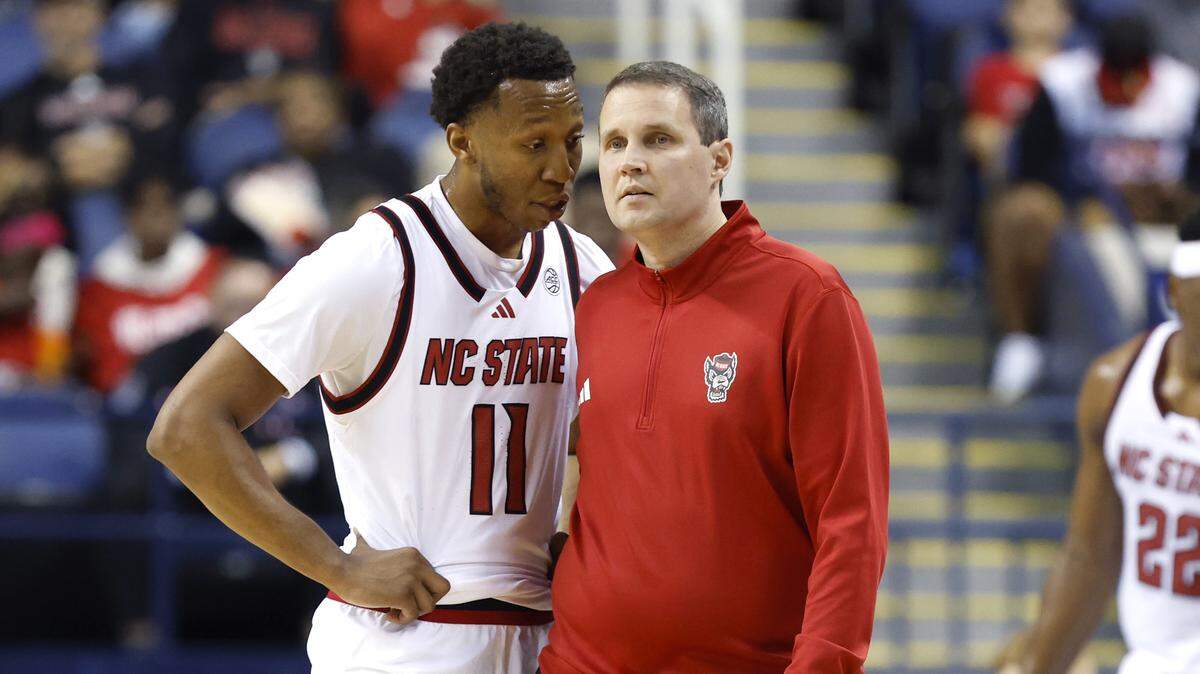
A few months after the hiring of Belichick and Lombardi, approximately 25 miles down the road, N.C. State hired Will Wade to lead its basketball team for a contract worth more than $17 million.
“I mean, we got to get better,” N.C. State athletic director Boo Corrigan said at The Raleigh Sports Club on Wednesday. “I believe we did with Will Wade. I think hiring Will Wade is going to help elevate N.C. State, which will therefore help elevate the ACC.”
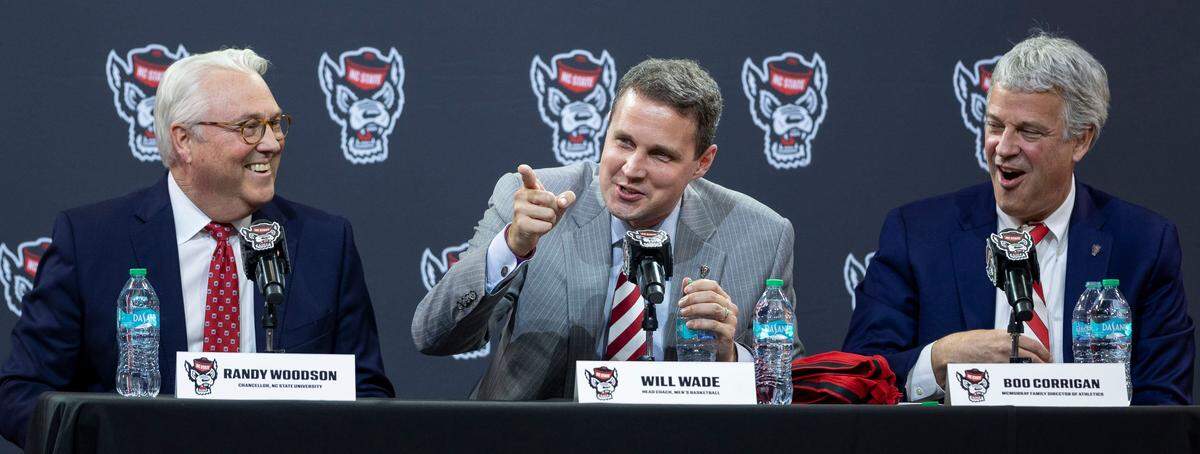
Wade has promised to deliver a “red reckoning” — immediate success backed by a win-now mentality and a retooled roster. He delivered success in the portal: landing No. 5 overall transfer Darrion Williams from Texas Tech — who has already locked down ACC preseason player of the year — to headline a top-15 transfer class nationally.
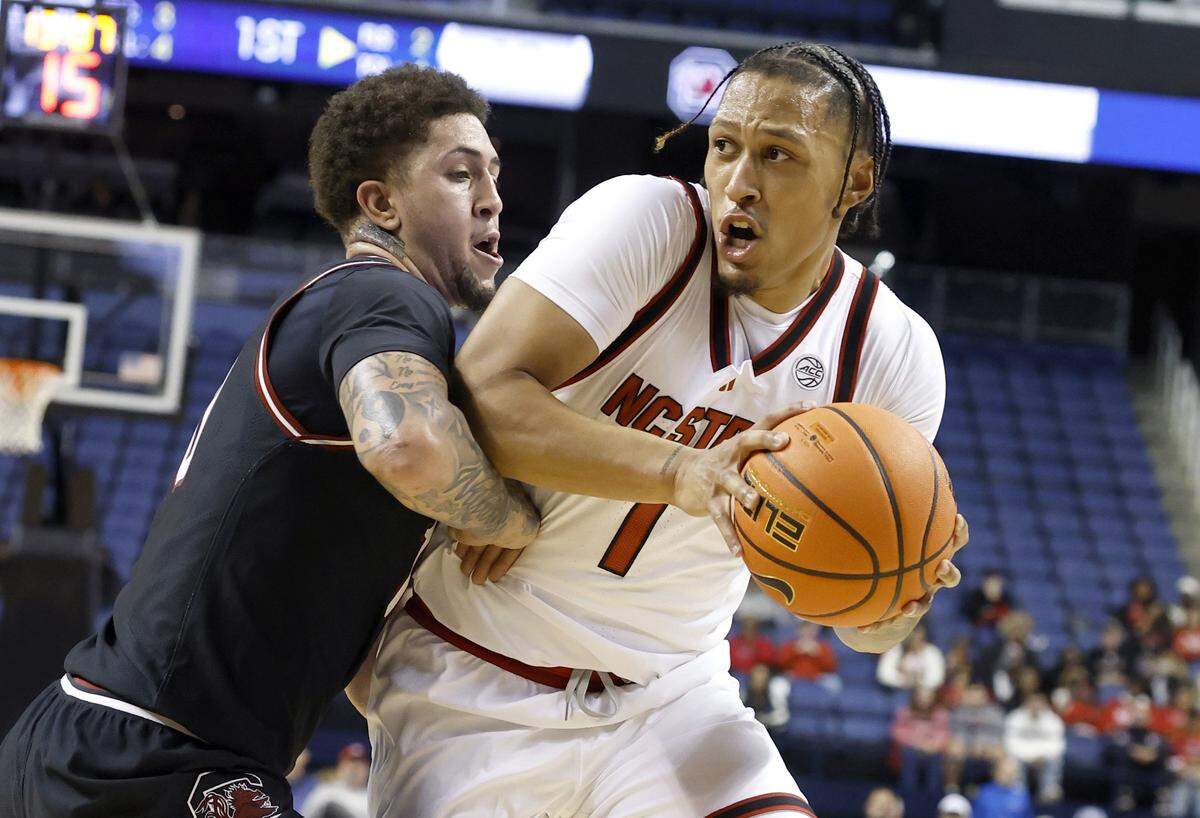
Williams is one of eight incoming transfers for the Wolfpack this season.
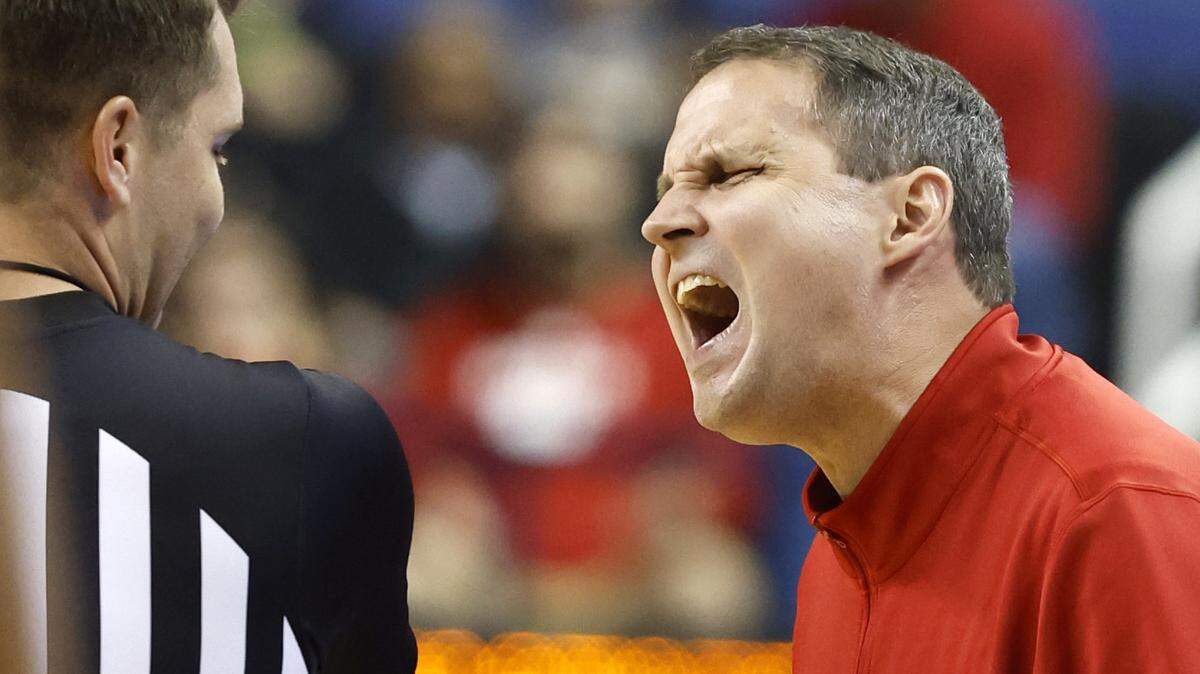
“The ‘red reckoning’ is about everybody being in it together,” Wade said. “And I think when all of us are in it together, N.C. State’s a force multiplier. When I mean in it together, it starts with our administration. They’re all in, they want to win. Then it goes to our players and our staff … It’s going to be a reckoning for the ACC and for college basketball.”
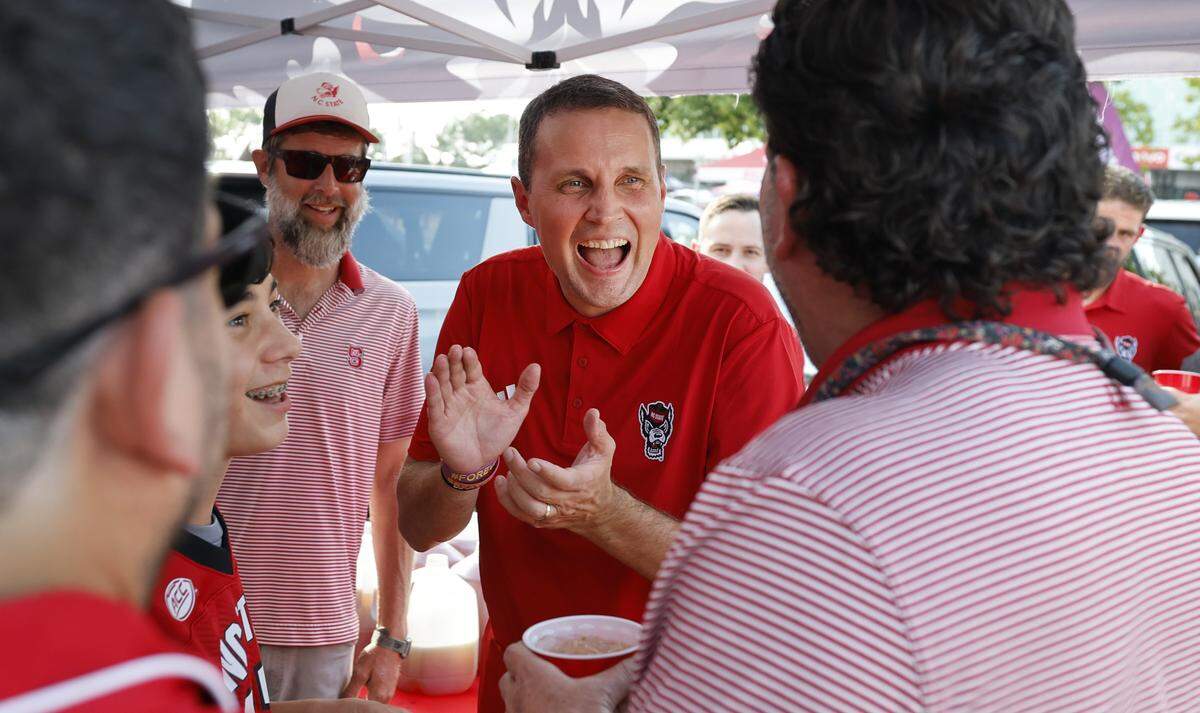
N.C. State has been equally aggressive in its revenue share approach, with Corrigan stating the school is going “all in” — fully funding its revenue-sharing budget to the maximum $20.5 million for the upcoming school year.
Corrigan has declined to share specific revenue share splits publicly.
The school had to get creative to raise the funds, changing parking and the annual donation structure of its Pack Forward initiative. N.C. State has explored hosting more concerts at Carter-Finley Stadium, such as Chris Brown’s show on Oct. 14, and is continuing to search for naming-rights opportunities at the stadium.
Throughout all of this, Corrigan has emphasized the importance of supporting the two main revenue drivers of Wolfpack athletics — football and basketball — to create a robust athletic department.
Football and men’s basketball combined for $97.5 million in revenue in 2023-24, with football accounting for $77.6 million, per the most recent EADA report.
“The best thing that we can do is be really good in football and basketball,” Corrigan said in August. “It’s a very frank conversation with our coaches.”
Duke ‘going for it’
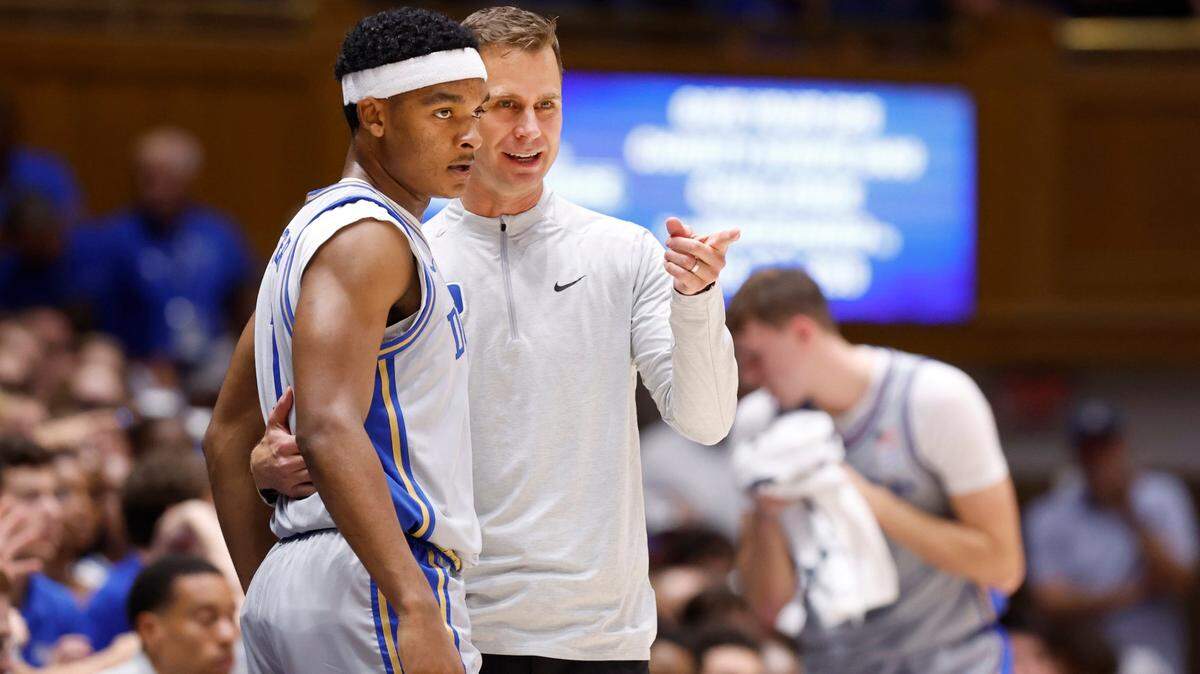
When Duke signed Tulane transfer quarterback Darian Mensah to an eye-popping $8 million deal this offseason, it signaled something unmistakable: the basketball school was serious about football.
Athletic director Nina King has pointed to the Mensah signing as proof that Duke is “going for it” — that the Blue Devils intend to compete for ACC titles in both major men’s sports.
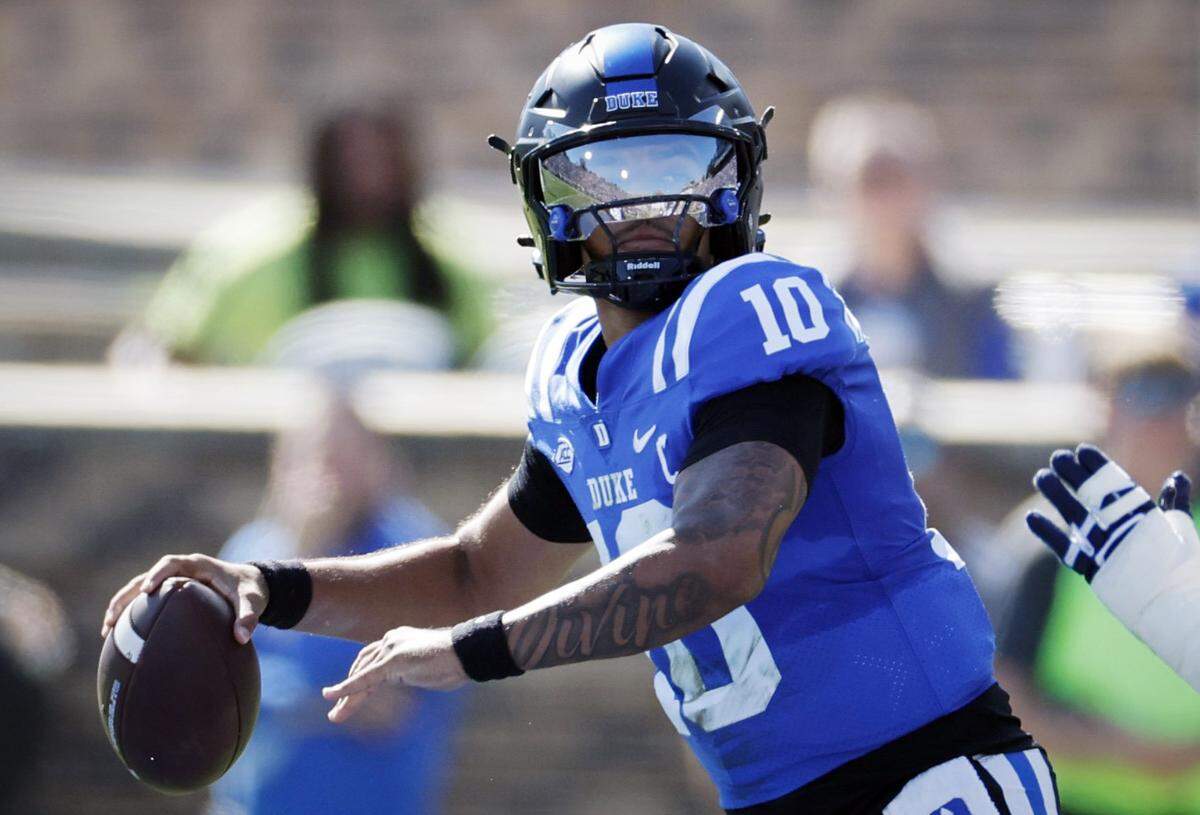
“We’ve got this men’s basketball program that is absolutely elite, top of the top in the brand,” King told CBS Sports in September. “But why can’t football be right there with men’s basketball? We’re here. We want to compete.”
Duke athletics communications declined to make King available for this story.
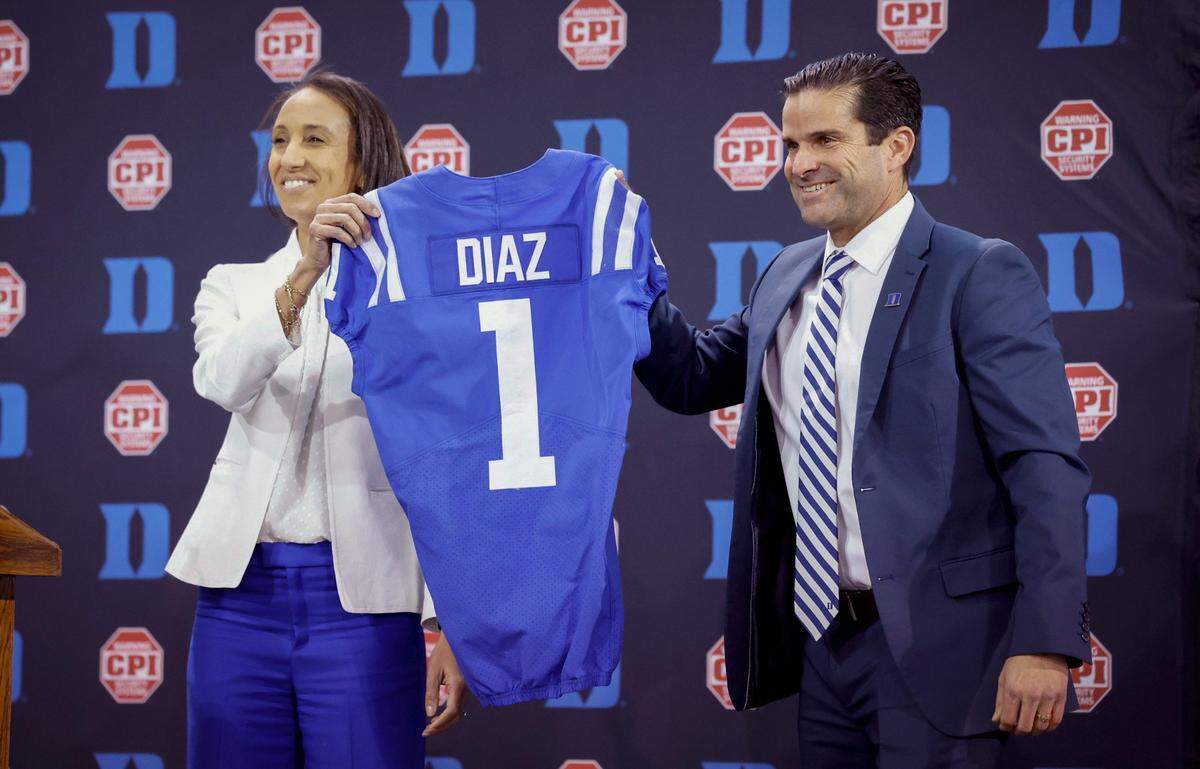
Yet, even as Duke has pushed its donor base to recognize football’s potential, its enduring identity — both locally and nationally — remains basketball. The last two EADA reports show Duke topping the nation in men’s basketball revenue, outpacing the competition by at least $5 million each year.
That success comes amid financial strain in the department. At Duke’s April meeting of the Academic Council, Duke athletics chief financial officer Erica Aresco presented a budget review highlighting that while athletics revenue continues to grow, expenses are rising faster. The department projects a $5.6 million deficit for the next fiscal year.
It’s worth noting here that Duke isn’t alone — the vast majority of athletic programs operate at a deficit. But Duke’s choices amid this era of belt-tightening and cost-cutting underscore its priorities.
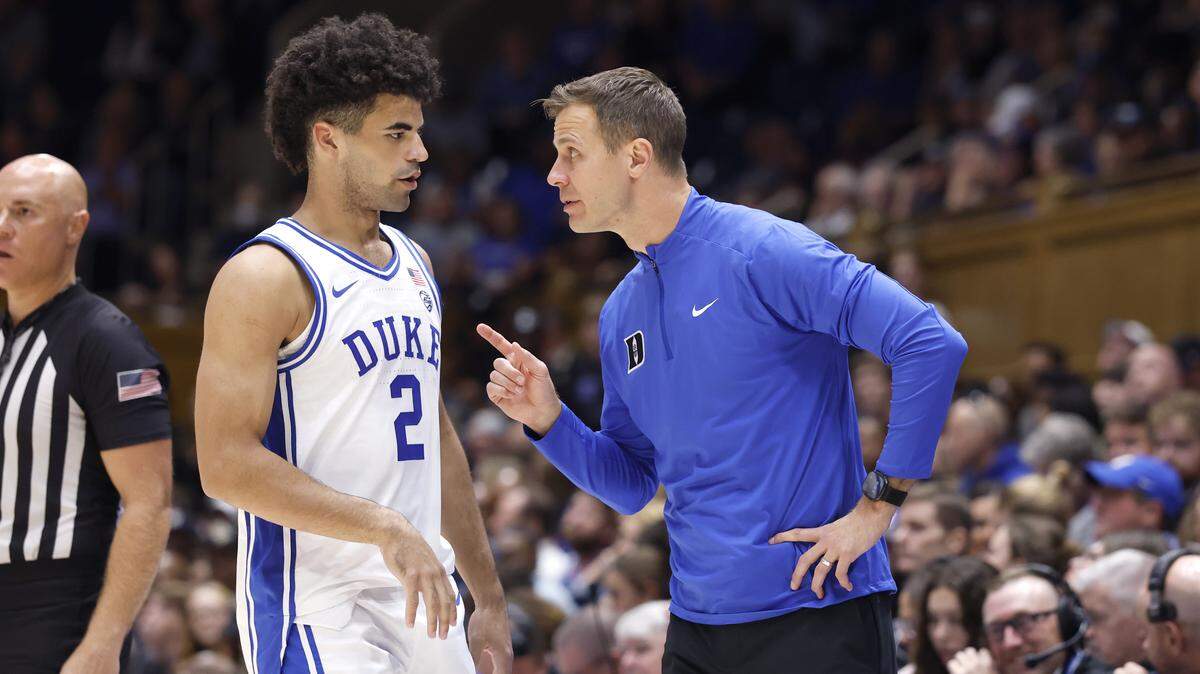
In October, the school extended head coach Jon Scheyer’s contract through 2031. Behind the scenes, wealthy alumni have continued to lead the way. On top of Duke’s Legacy Fund, recent investment has been supported by a discreet network of boosters operating the One Vision Futures Fund. As detailed in the Wall Street Journal, this NIL collective formed in 2023 by Duke alums Jeff Fox, Dan Levitan and Steve Duncker in order to give Scheyer the resources needed to compete in today’s college landscape.
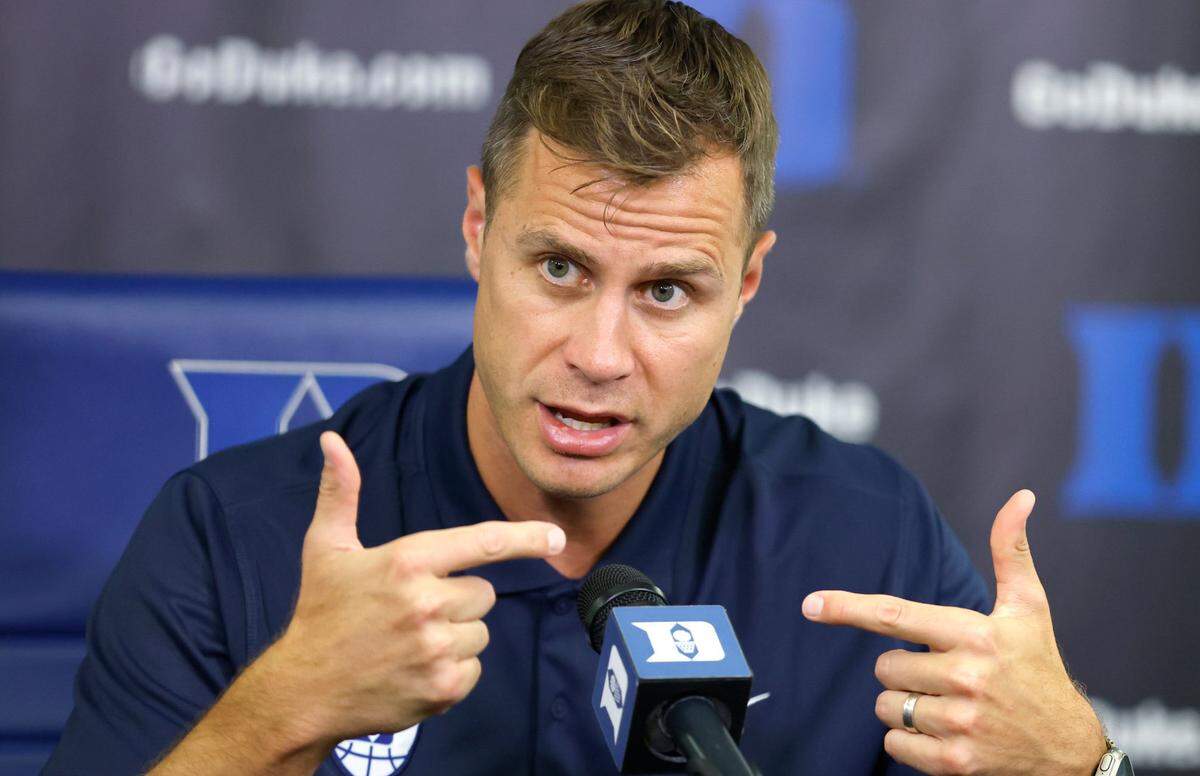
Men’s hoops remains a financial powerhouse at Duke, bringing in $19.4 million in profit —compared to $24 million for football — according to the most recent EADA report.
Thanks in large part to ticket sales, Duke and North Carolina are among the few programs nationally where men’s basketball rivals football in financial importance. According to the WSJ’s analysis, the two schools on Tobacco Road were the only teams that eclipsed $300 million in total enterprise value.
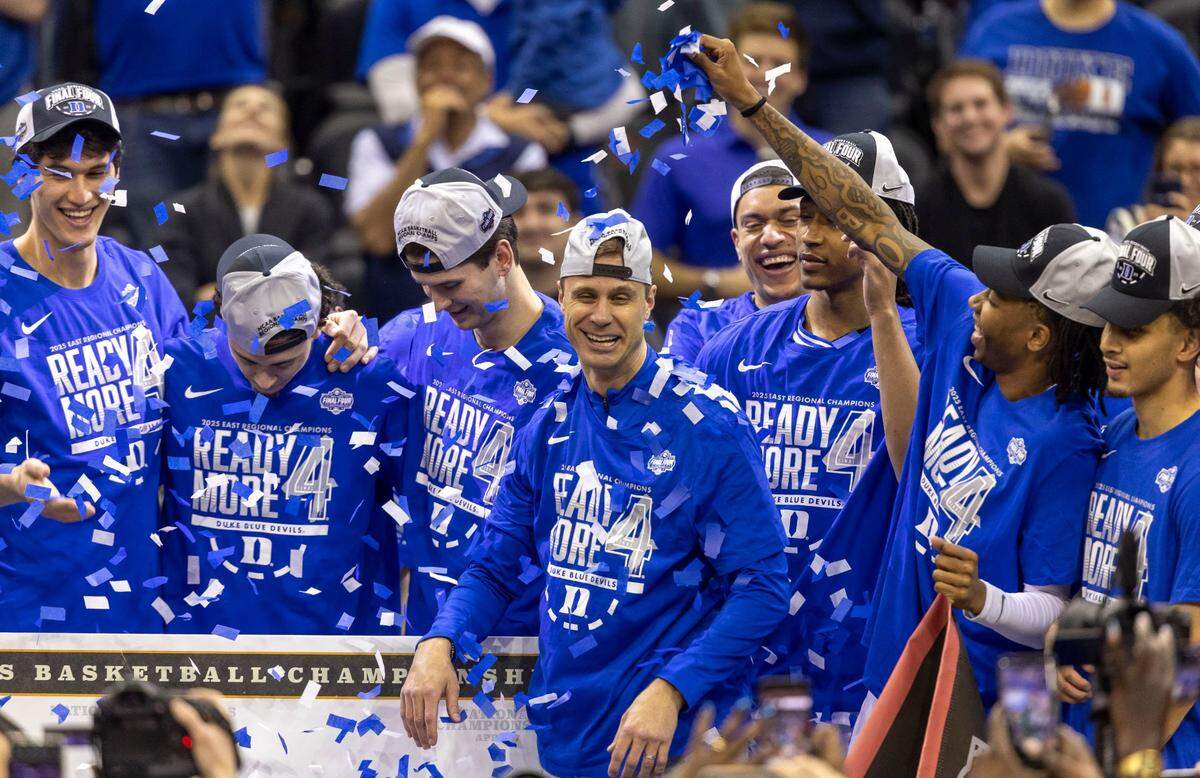
How much these schools’ investment in hoops — or N.C. State’s promised “red reckoning” — ultimately pay off is yet to be seen. There is no crystal ball for this kind of thing. What is clear, though, is that the Triangle schools are betting big on basketball’s continued power to define, and perhaps help sustain, their programs in an era increasingly shaped by football money.
Phillips said he’s pleased in this investment he’s seen across ACC campuses. And while success will come down to what happens on the hardwood — and how it translates to viewership, NCAA berths and postseason success — Phillips’ restlessness, at least for now, is giving way to optimism.
“I don’t think there’s any question the league is back on an uptick,” Phillips said. “We’re going to be better this year than we were last year — and we’re going to continue on that direction.”
This story was originally published October 30, 2025 at 5:15 AM.