Issiah Ross trial live updates: Orange County murder case goes to the jury
READ MORE
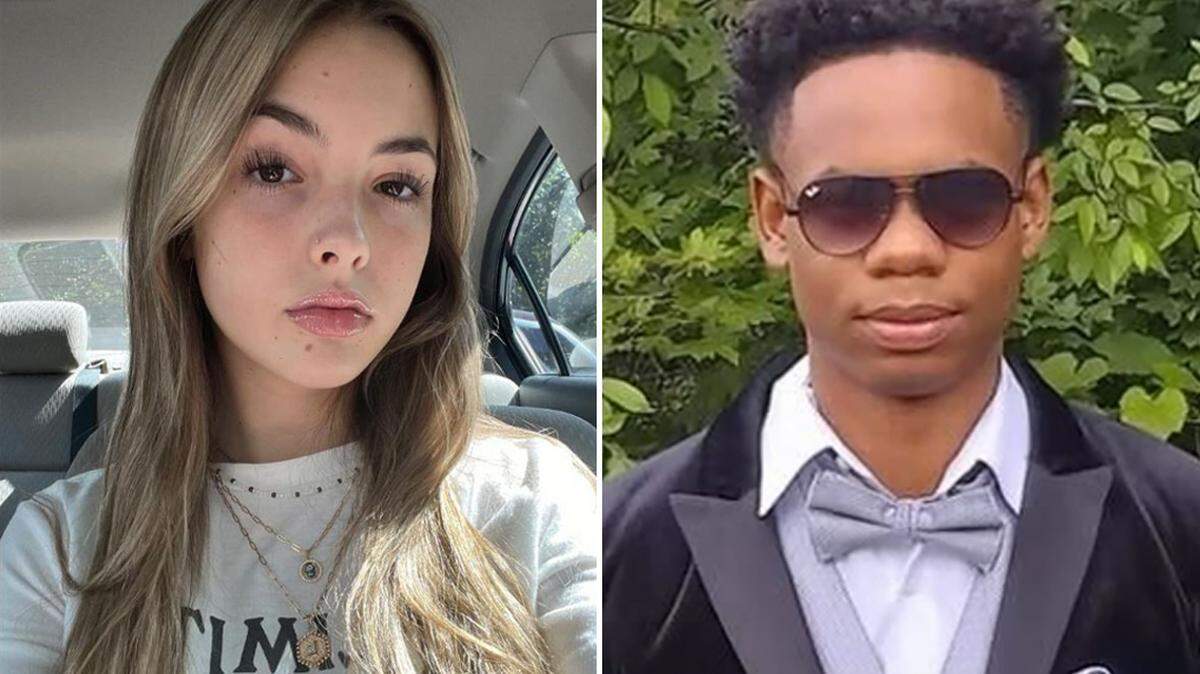
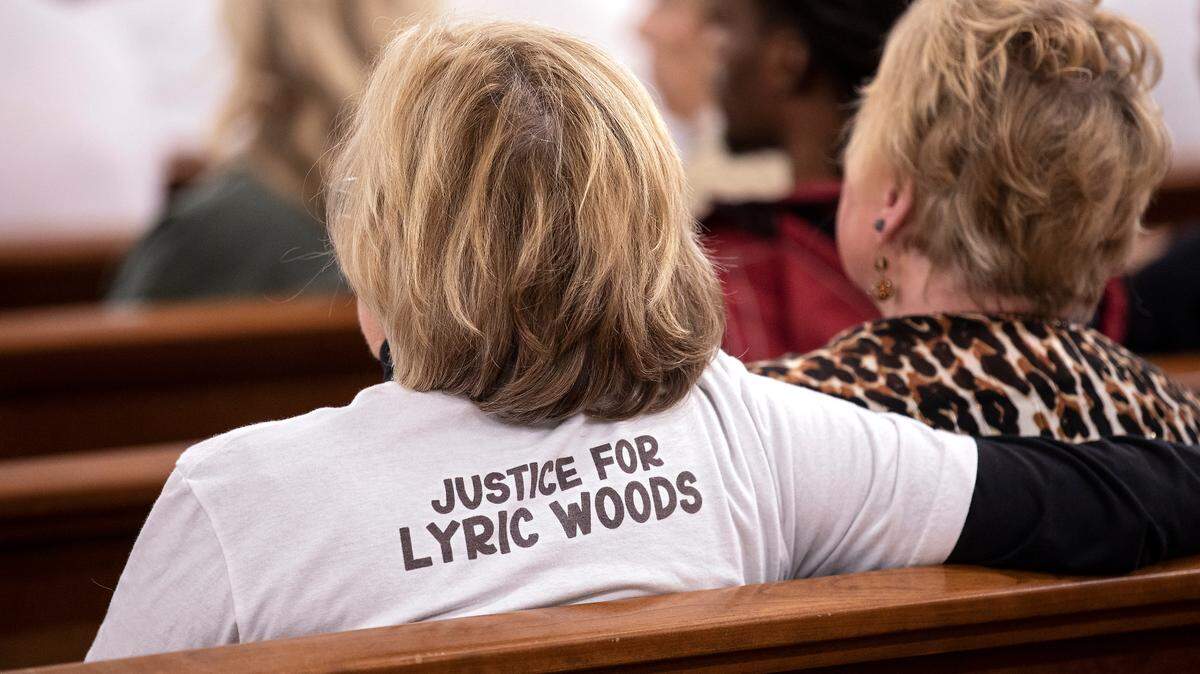
The deaths of Lyric Woods & Devin Clark
On Sept. 18, 2022, two missing teens were found dead with gunshot wounds in Orange County near Efland. Here is ongoing coverage from The News & Observer of the investigation, its aftermath and trial.
Expand All
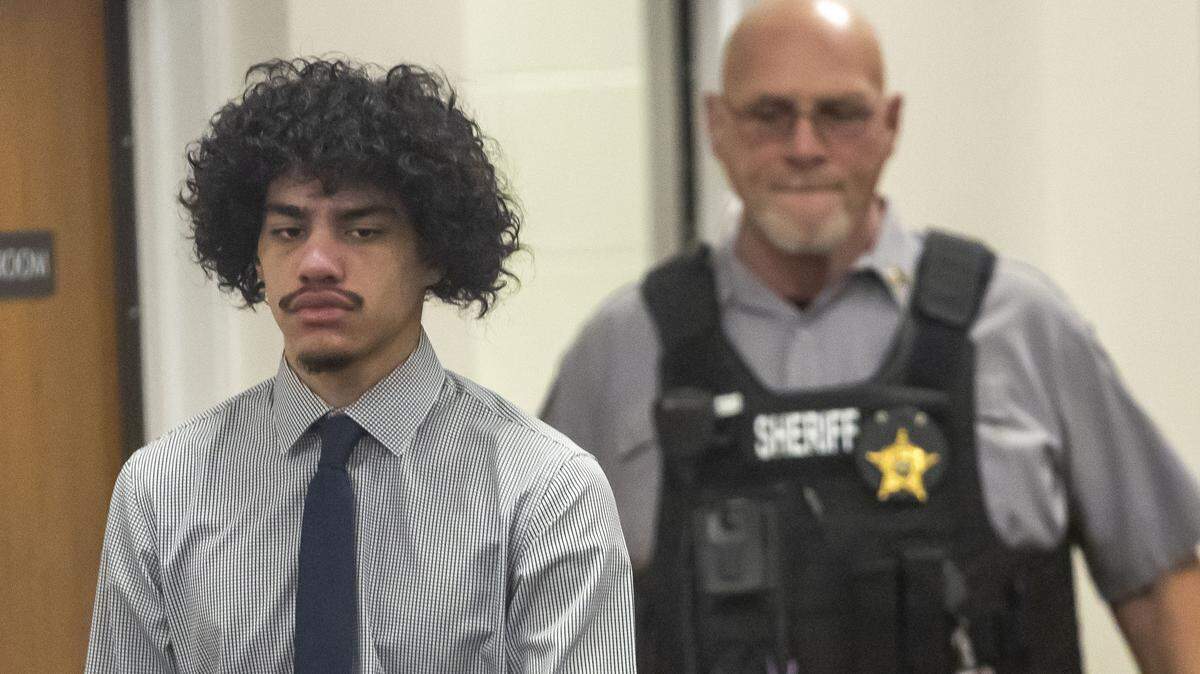
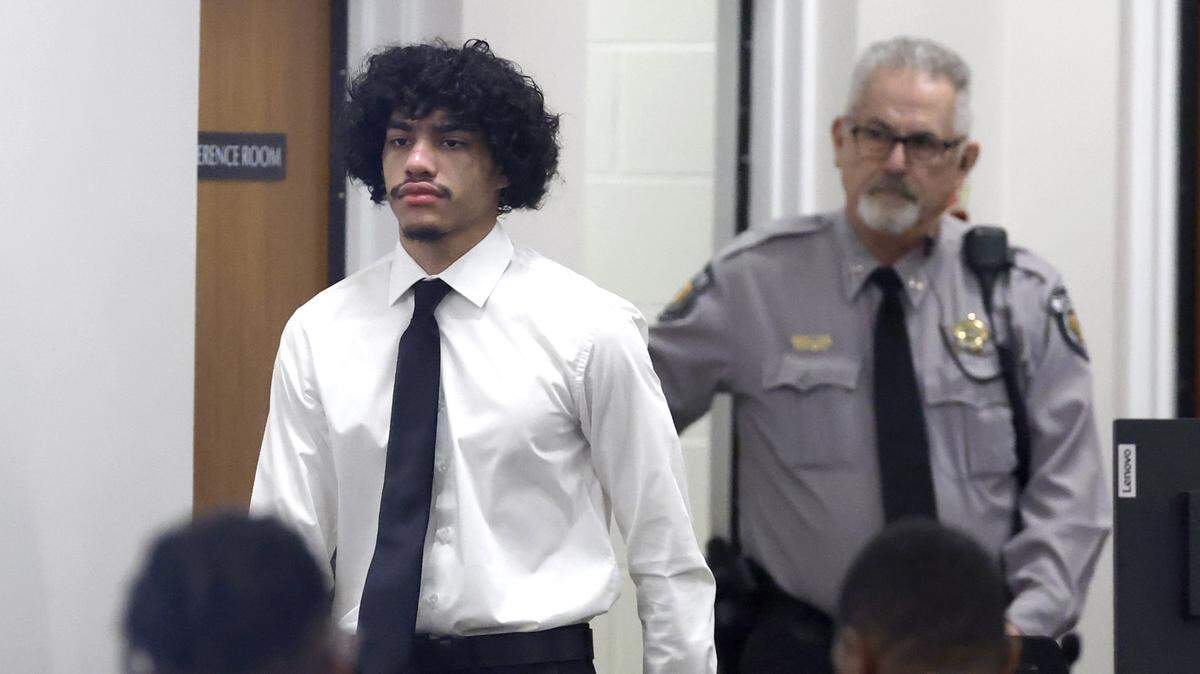
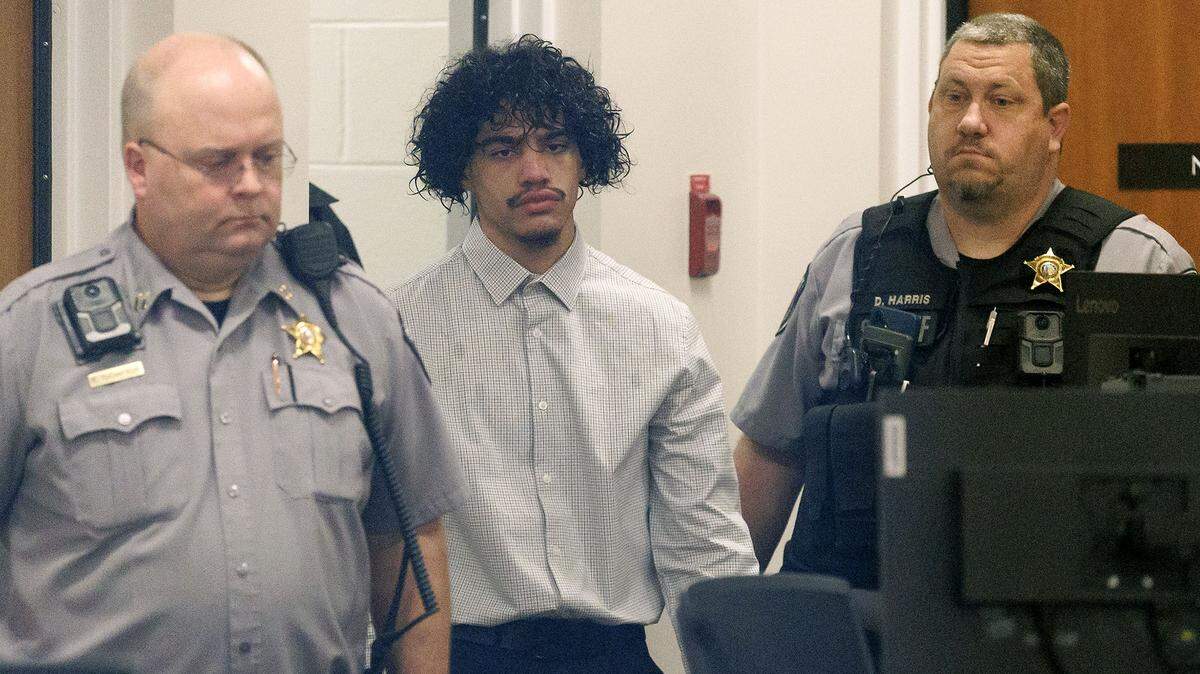
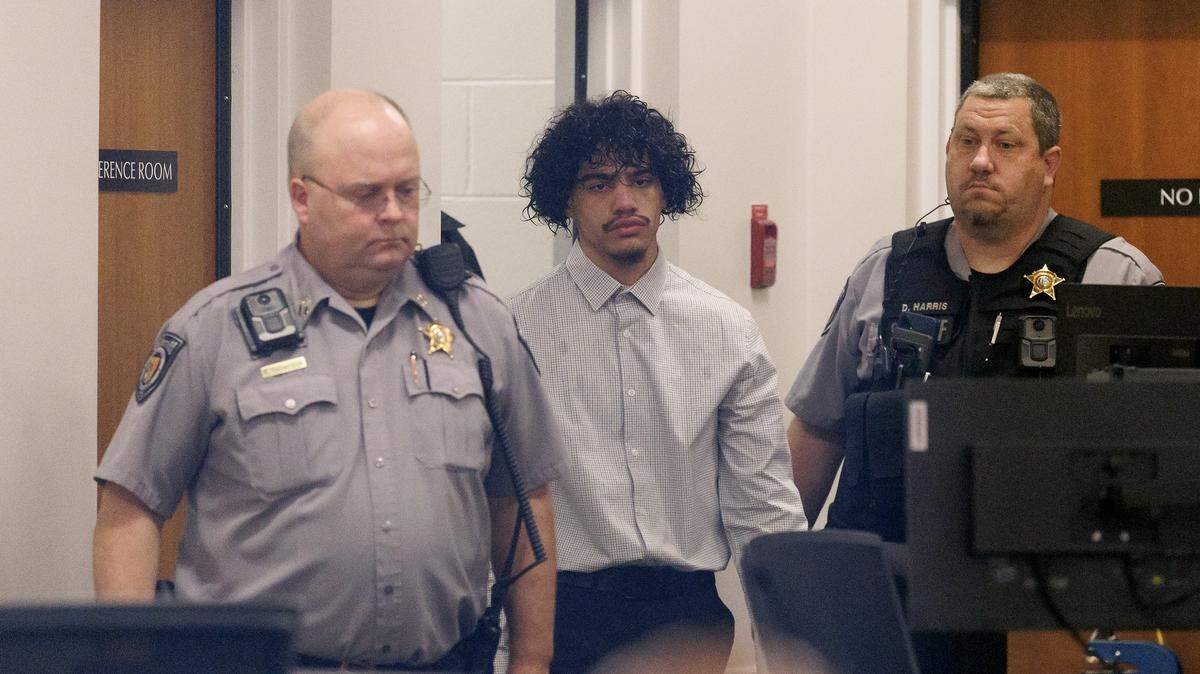
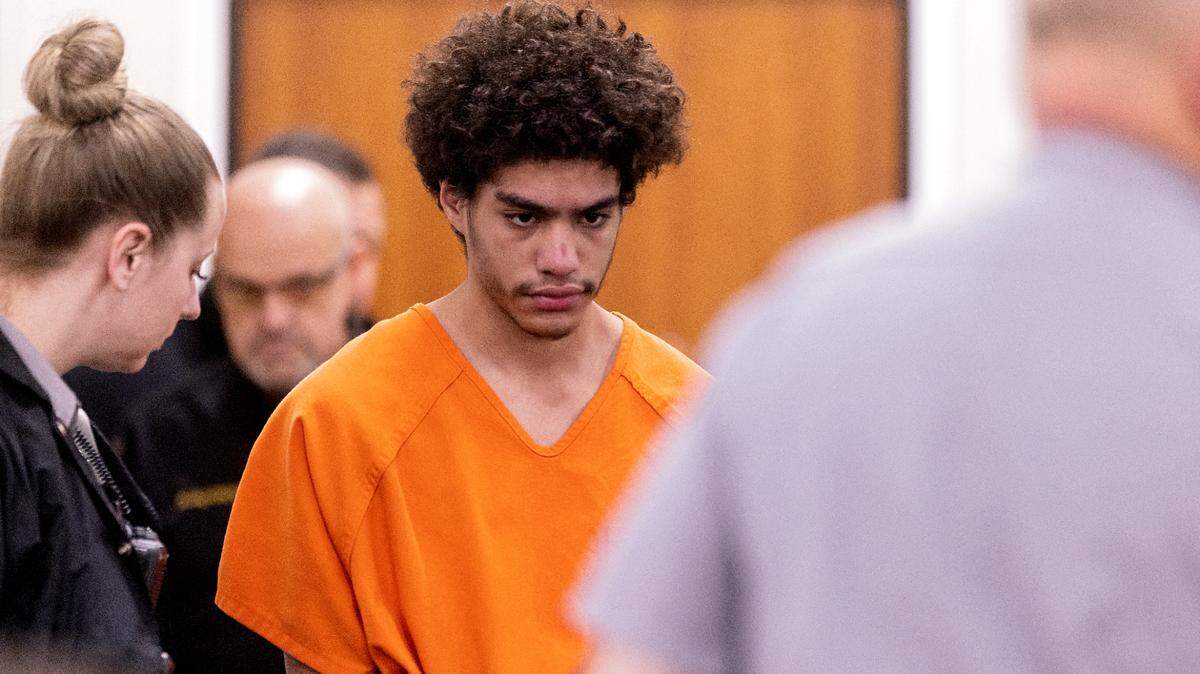
After deliberating Thursday and Friday, jurors did not decide the fate of a Mebane man accused of killing two teenagers in Orange County in 2022.
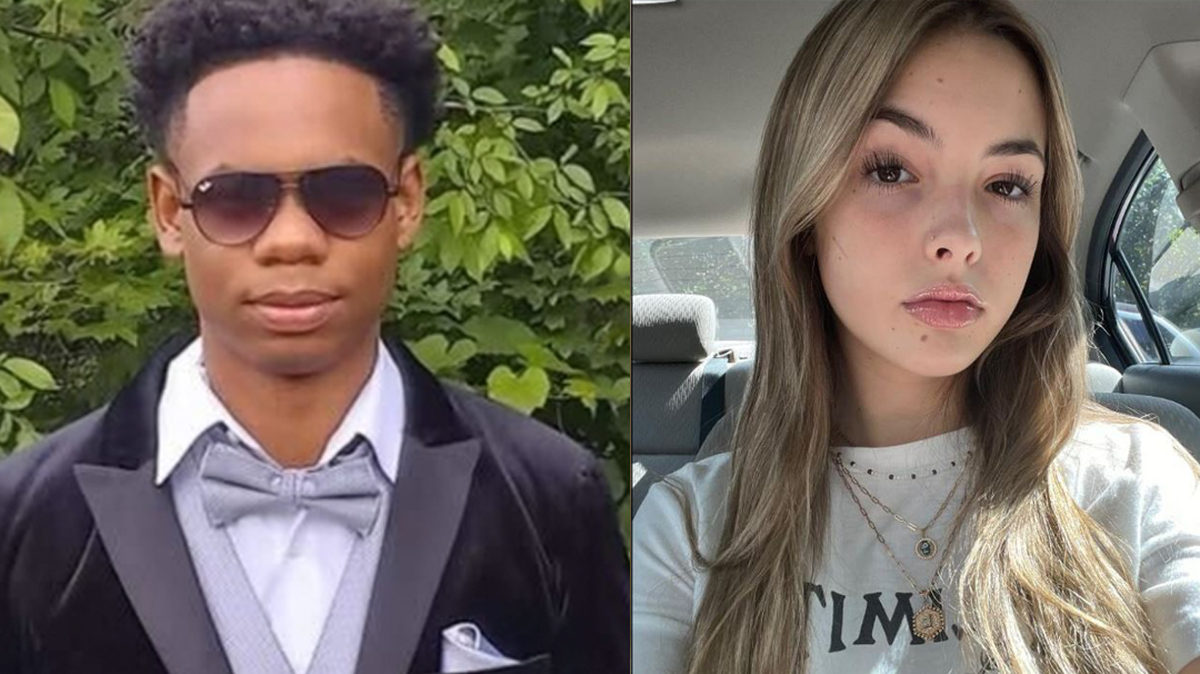
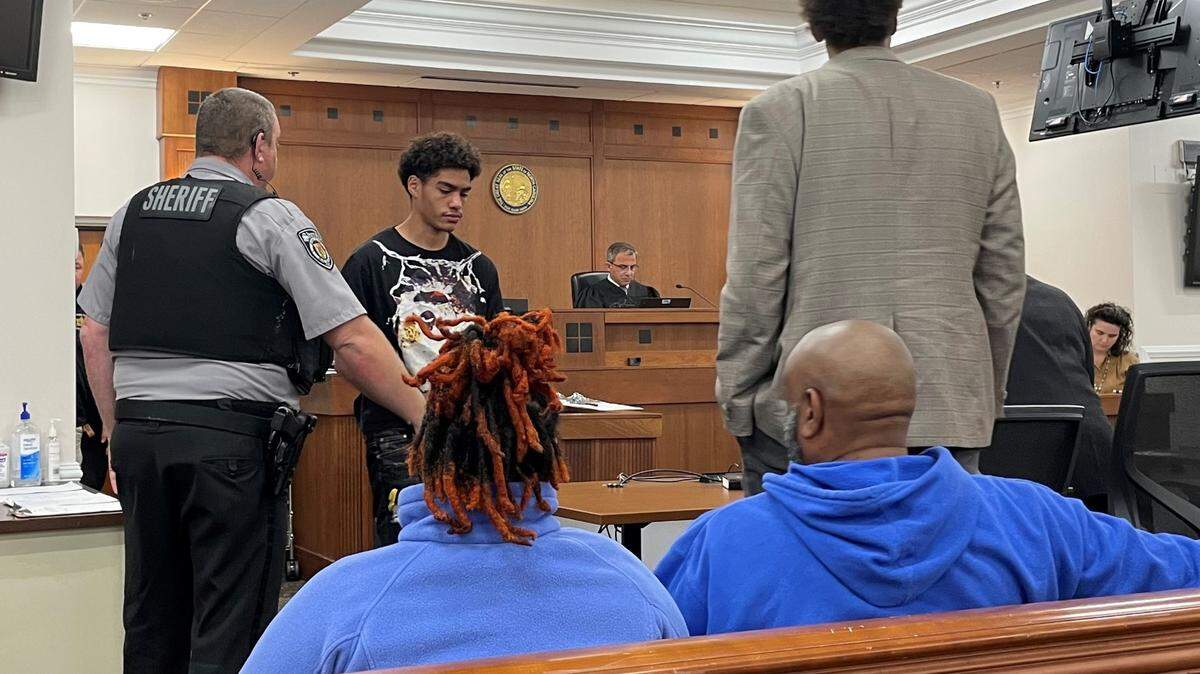
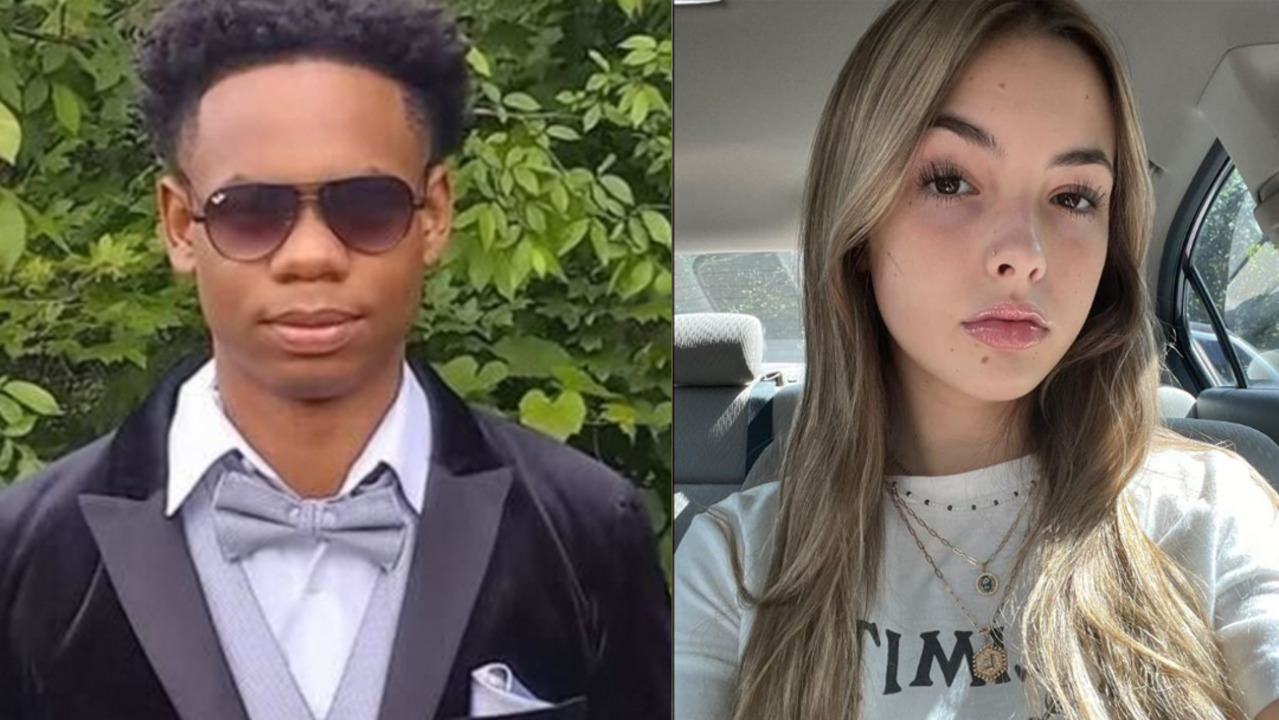
Issiah Ross, 21, is charged with two counts of first-degree murder in the deaths of Devin Clark, 18, and Lyric Woods, 14, off Buckhorn Road in Efland.
If found guilty, Ross could face up to two life sentences in prison.
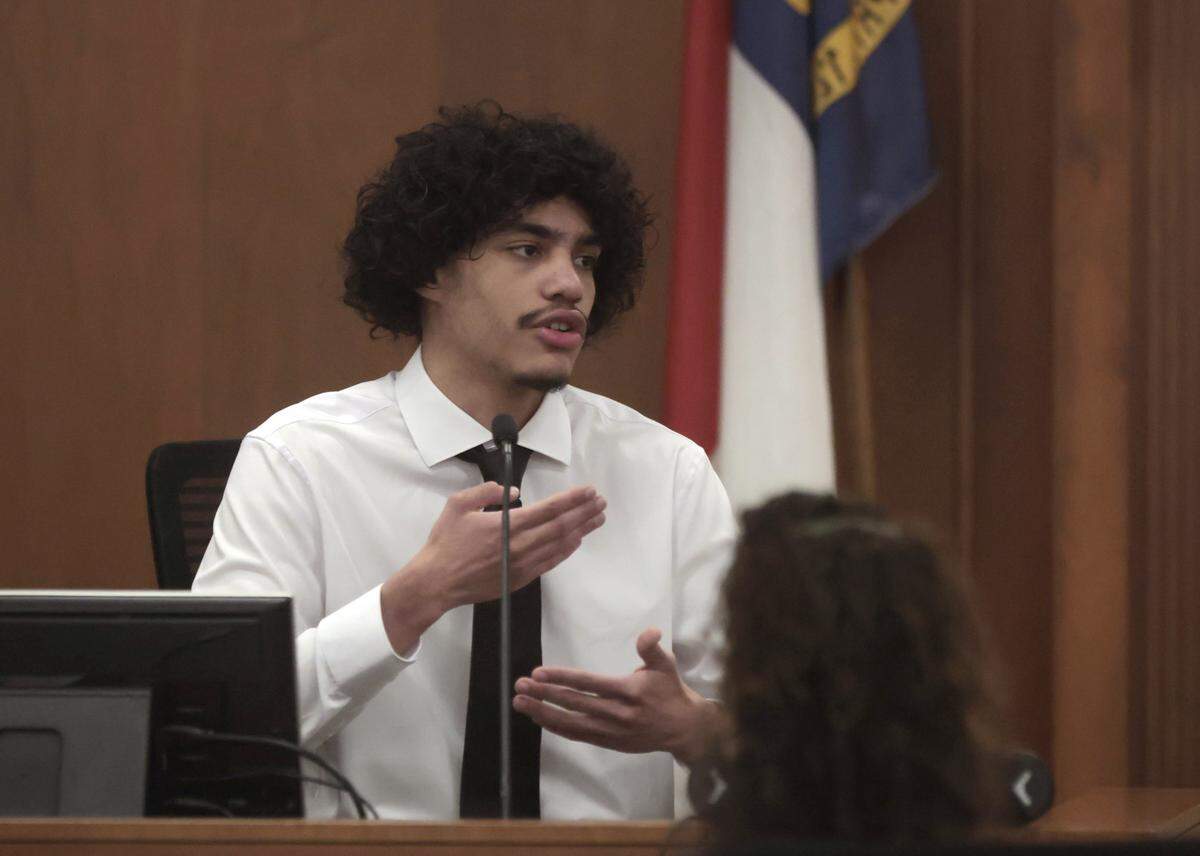
The defense maintains that Clark — not Ross — shot Woods and that Clark turned the gun on Ross before Ross wrestled the gun away and shot him in self-defense.
Jury begins deliberations
After closing statements and a 15-minute break on Thursday, Orange County Superior Court Judge Stephanie Reese instructed the jury on how to determine if Ross is guilty and if so on what charges. At 3:58 p.m., Reese sent the jury out for them to appoint a foreperson and come to a verdict.
Reese said she would send the jurors home if they didn’t reach a verdict by 5 p.m., unless they said they were close to a decision.
Prosecution’s closing argument
Orange County Assistant District Attorney Anna Orr suggested that a disagreement between Ross, Woods and Clark may have emerged because Ross thought he would get a turn to have sex with Woods after Clark — but no evidence presented suggested that Woods was aware of that.
Woods may have told Clark that she wouldn’t let him “pimp her around,” but that was in reference to not wanting to have sex with Ross, Orr told the jury. That disagreement motivated Ross to shoot both of them, Orr said.
Orr argued that gunshot wounds in the backs of Woods and Clark show the two were running away from Ross into an open field until they fell and could not run anymore.
“Fear runs away,” Orr said. “It does not give chase.”
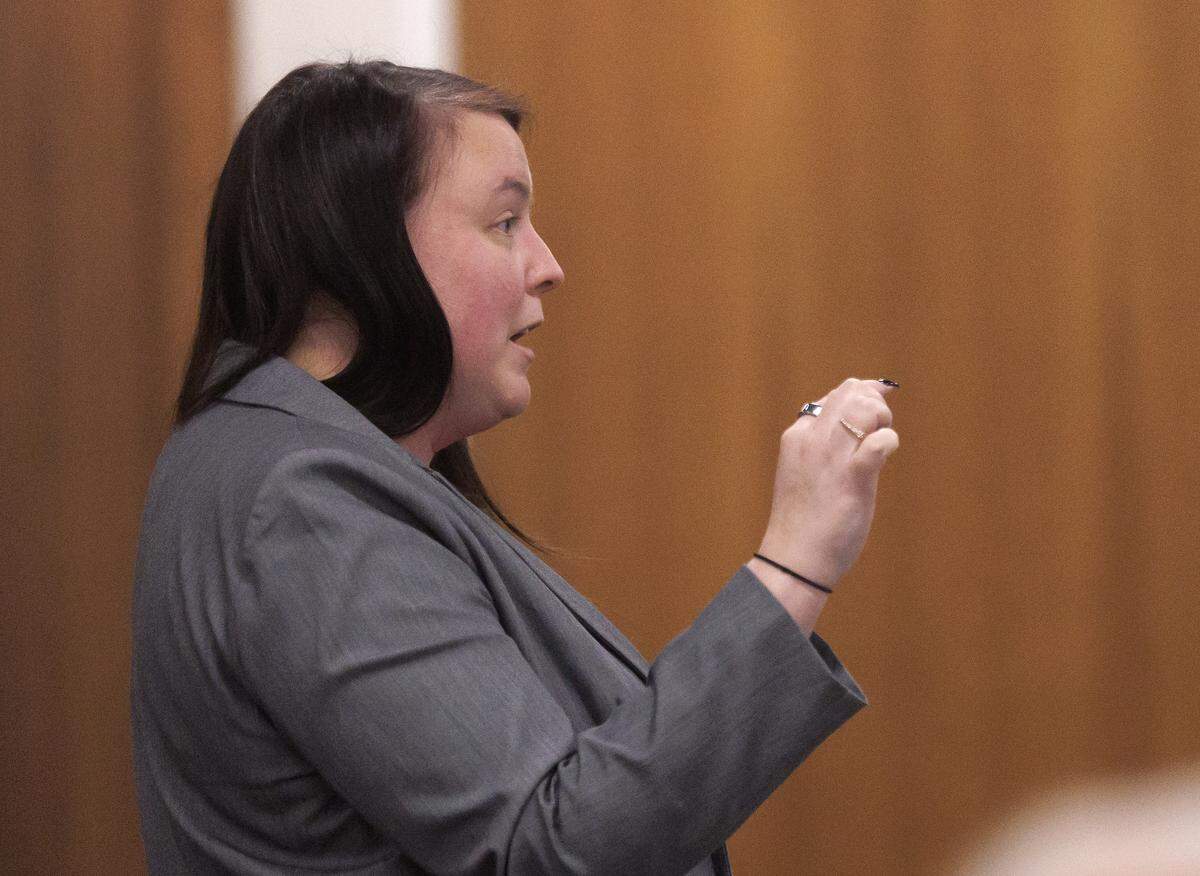
Orr cited the testimony of James Rodgers, who lived nearby and said he heard gunshots that woke him up before hearing several more gunshots 10 minutes later. The delay, Orr told the jury, was Ross thinking over his next move. Afterward, he took “insurance” shots to the heads of Clark and Woods to make sure they were dead.
Orr attacked the credibility of Ross’ testimony, telling the jury that he is not a neutral witness and the only person in the courtroom with a stake in the verdict. Orr said Ross showed no emotion on the stand and that his delivery and affect were “completely flat.”
Orr also challenged Ross’ claim that he took his black Under Armour quarter zip from the scene because he was seen on surveillance footage wearing what appeared to be a black quarter zip. Nor could Ross have thrown Clark’s belongings out of the car, as Clark’s phone and gun have never been found.
“He told you what he needs you to believe, not what the physical evidence proves,“ Orr said.
Defense’s closing argument
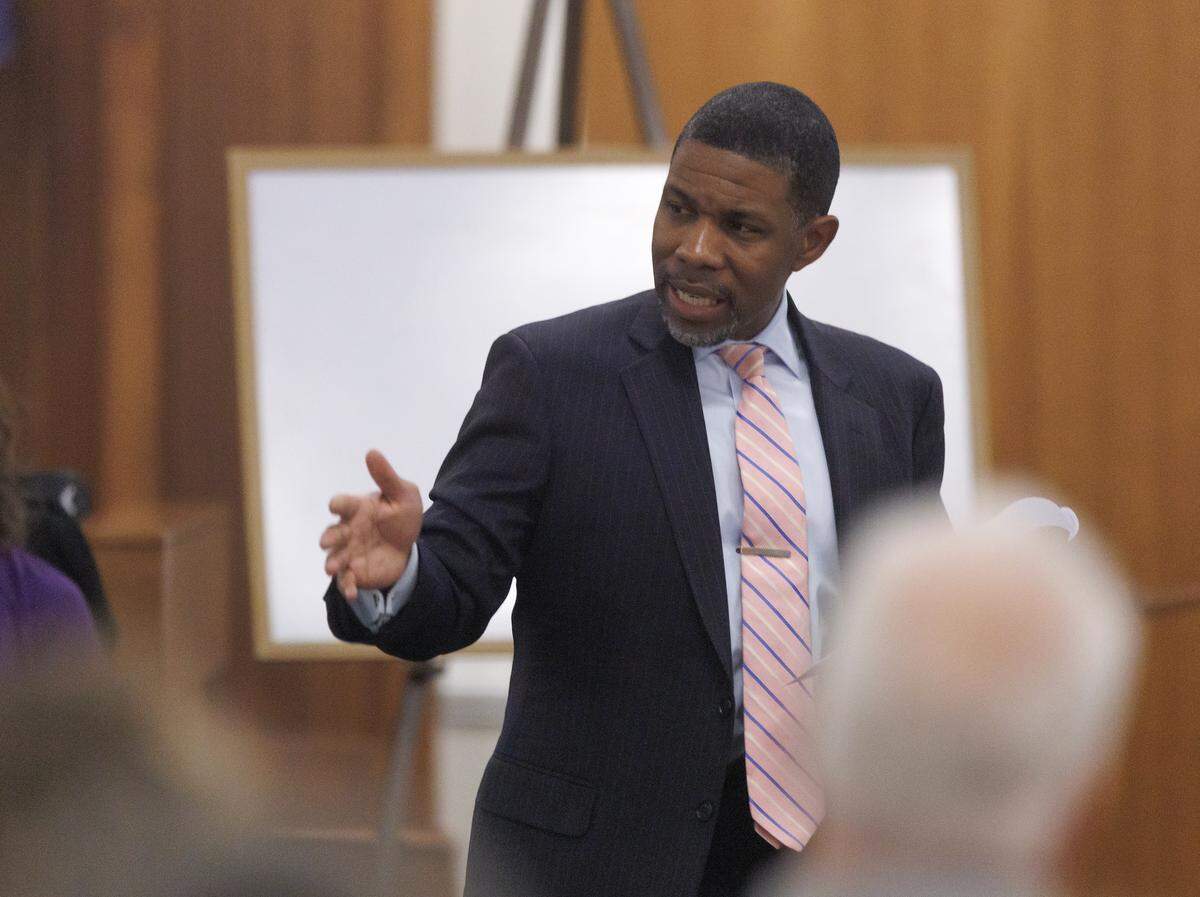
Ross’ defense attorney, Jonathan Trapp, acknowledged the “tragic” set of events that led to the trial.
“There are no winners in this situation. None.”
Trapp told the jury that all of them were once teenagers and made bad decisions “but it didn’t have such serious consequences.”
Trapp emphasized that given the short sequence of events, Ross had no time to plan the alleged murders, so the killings did not meet the threshold for first-degree murder. Trapp pointed to an autopsy showing Clark had a busted lip, indicating there was a struggle.
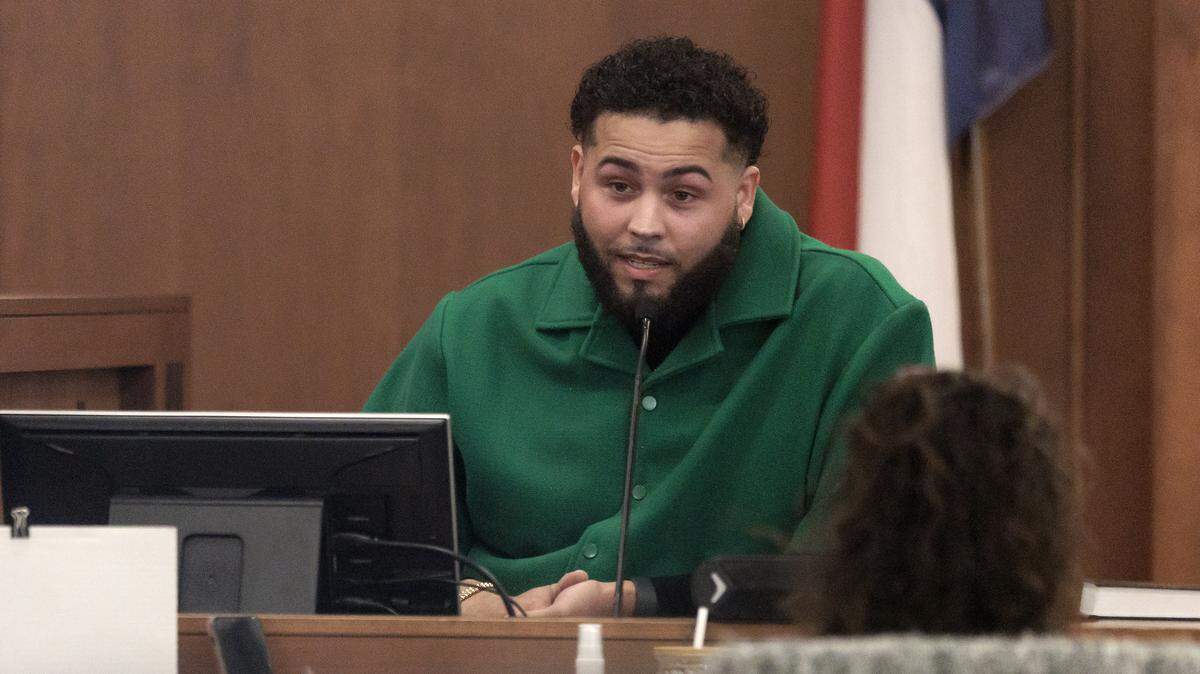
During his closing statement, Trapp attacked the testimony of Ross’ former friend, Christian Sykes. Sykes testified that Ross admitted killing Clark and Woods on a call the Sunday after Woods and Clark were killed. Trapp told the jury that the physical evidence showed that there were no bullet holes or blood in the car Ross drove, despite Sykes saying the shooting happened in the car.
Instructions to the jury
The judge gave instructions for jurors to consider:
- First-degree murder for Clark
- Voluntary manslaughter for Clark
- Second-degree murder for Clark
- Self-defense for Clark
- Excessive force for Clark
- First-degree murder for Woods (no instruction on self-defense)
Defense rests, no further evidence from the state
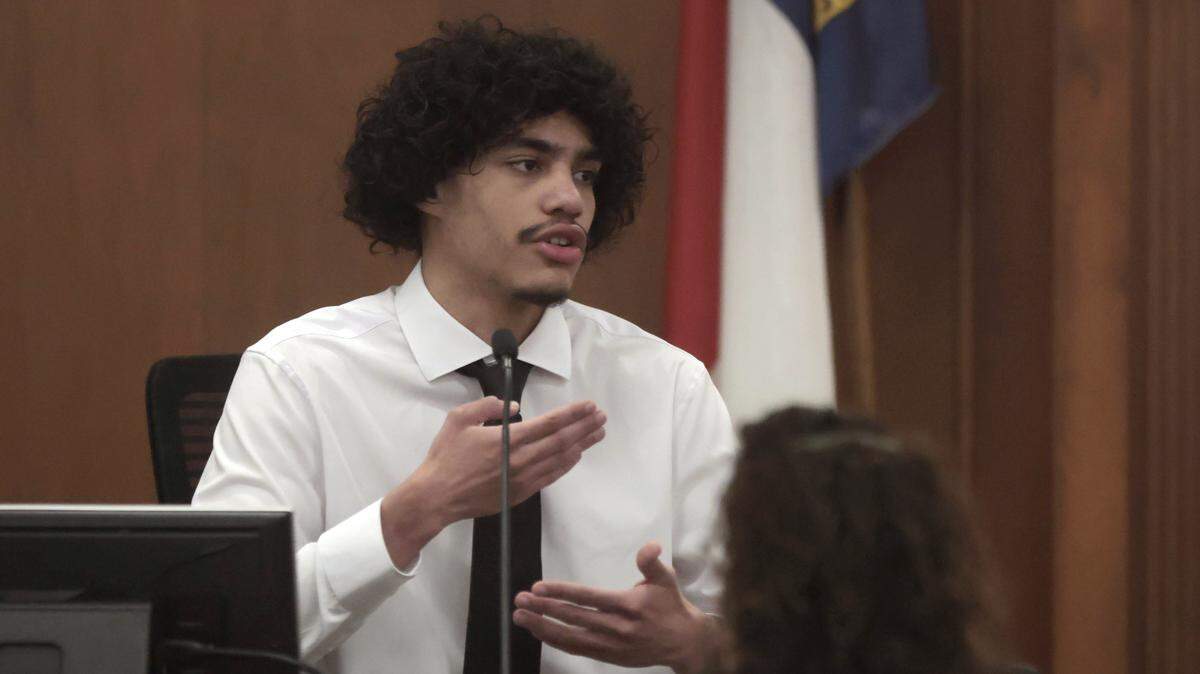
The defense put Ross on the stand as its only evidence, and the state declined to offer rebuttal evidence.
In finishing his testimony, Ross said once he seized the gun from Clark — and Clark punched him in the torso — he fired multiple times at Clark in quick succession.
Autopsies showed Clark was shot five times and Woods was shot seven times. Ross testified that it was dark and he doesn’t “really have the best vision,” so he couldn’t see how many times he shot Clark.
“If I had sat there and let him do what he was going to do, I wouldn’t be sitting here talking to you today,” Ross testified.
Ross also denied ever telling Sykes that he killed Clark and Woods, as Sykes testified on Tuesday.
During the cross-examination, the prosecution, led by Orr, asked Ross if he checked for either Woods’ or Clark’s pulse once their bodies were on the ground. Ross said he did not but that they appeared dead.
Orr then asked Ross about a series of Snapchat messages he sent to a group chat that included both Ross and Clark. Orr read a message from 3:52 a.m. on Sept. 17, 2022, where Ross texted that he was “slump” — sleeping, Ross testified — and tagged Clark to say that he didn’t have a “wheel” — car, according to Ross — because his mother wouldn’t let him.
Ross testified that he didn’t recall those messages but “evidently” sent them, admitting that he knew Clark was dead by then.
Orr read more messages from throughout the weekend as the group wondered where Clark was and eventually learned he was dead, with Ross messaging he “can’t believe this [expletive] Devin missing” and “this [expletive] making me sick to my stomach.”
Ross testified that he didn’t recall sending any of those messages.
This story was originally published January 22, 2026 at 11:50 AM.
.jpg)