Orange County jurors must weigh conflicting stories when double murder trial resumes
AI-generated summary reviewed by our newsroom.
- Jurors have absorbed competing testimony, forensic reports, closing arguments.
- Prosecutor said Ross killed intentionally; defense described a self‑defense struggle.
- Verdict choices range from acquittal to first‑degree murder or lesser charges.
READ MORE
The deaths of Lyric Woods & Devin Clark
On Sept. 18, 2022, two missing teens were found dead with gunshot wounds in Orange County near Efland. Here is ongoing coverage from The News & Observer of the investigation, its aftermath and trial.
Expand All
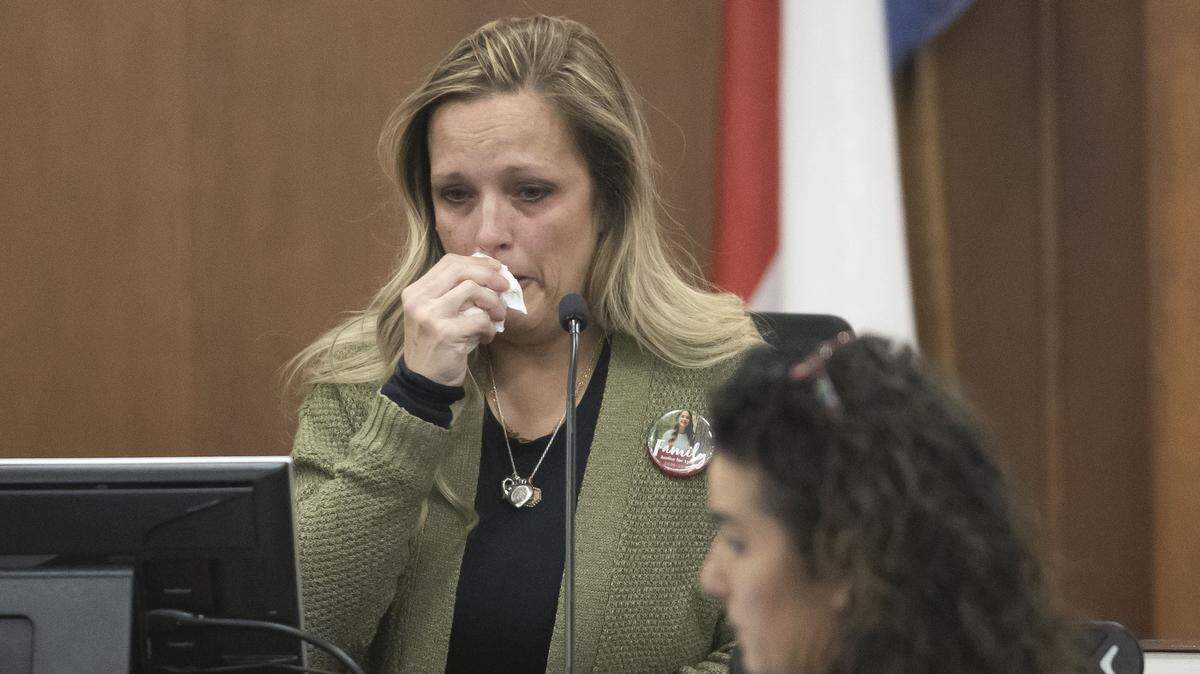
Only three people witnessed what happened in the early morning hours of a September night in 2022, when a 14-year-old slipped out of her Orange County home and climbed into an SUV with two older teens.
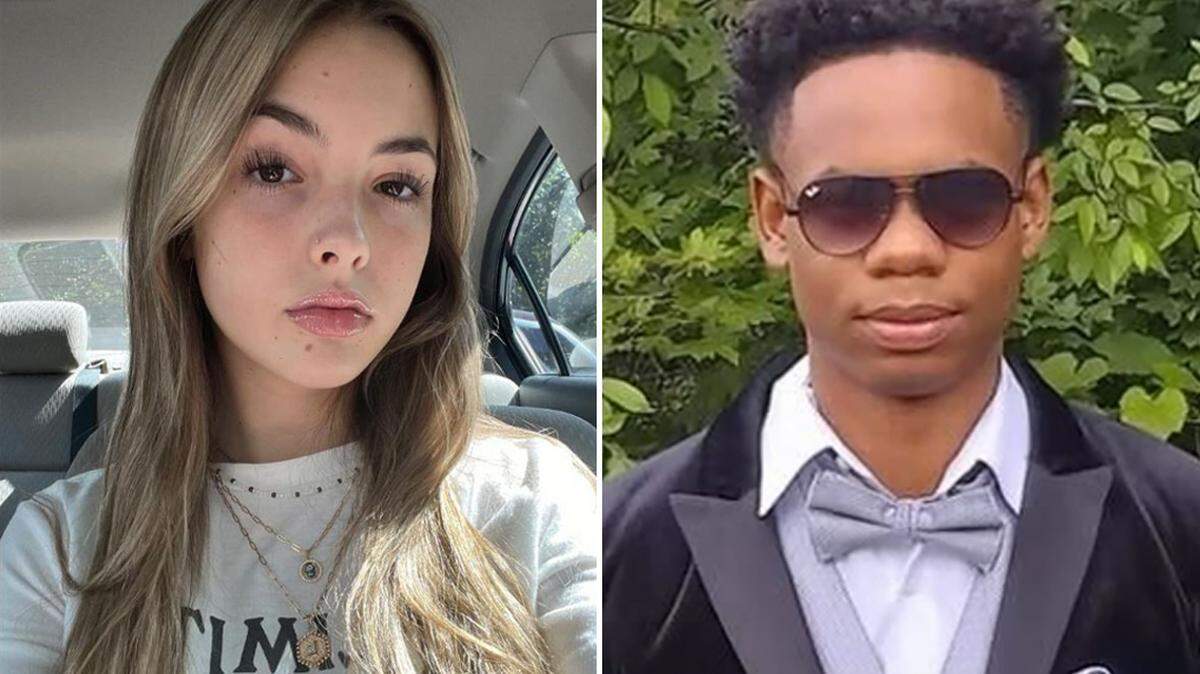
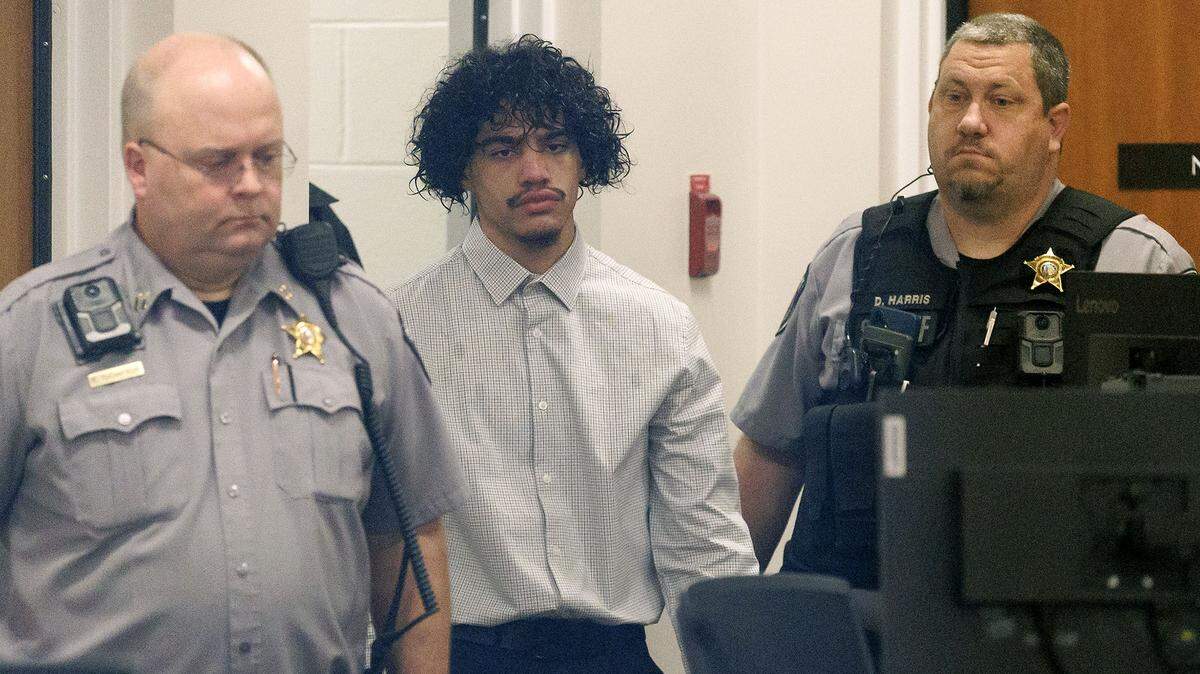
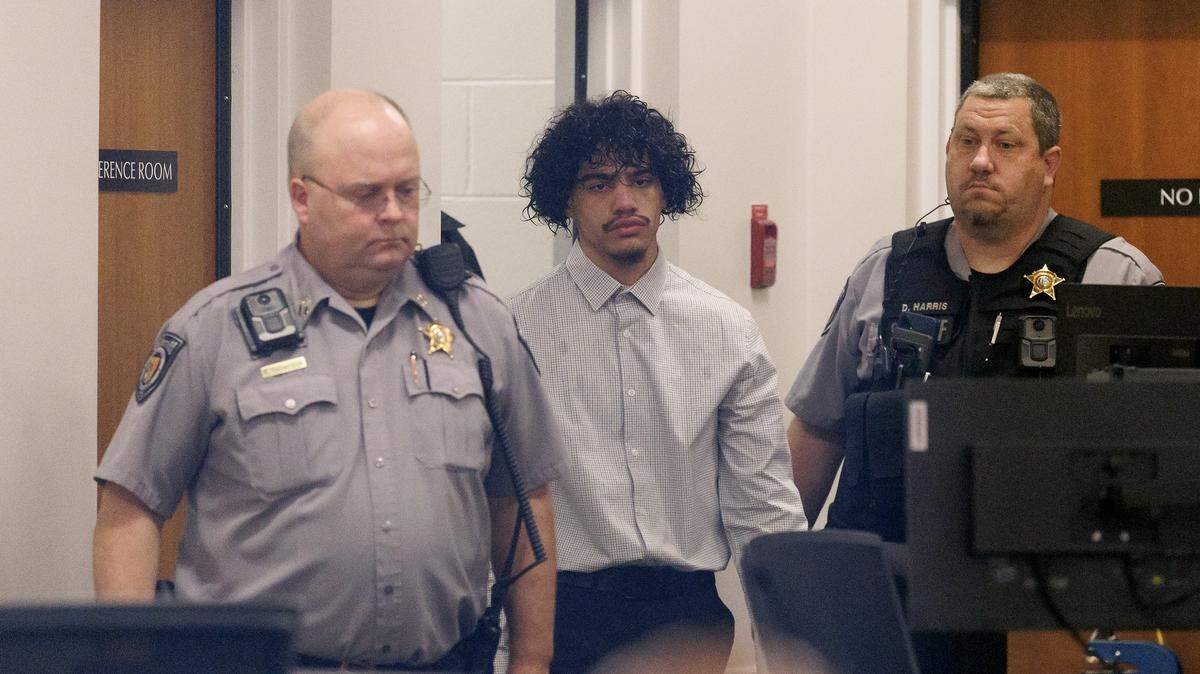
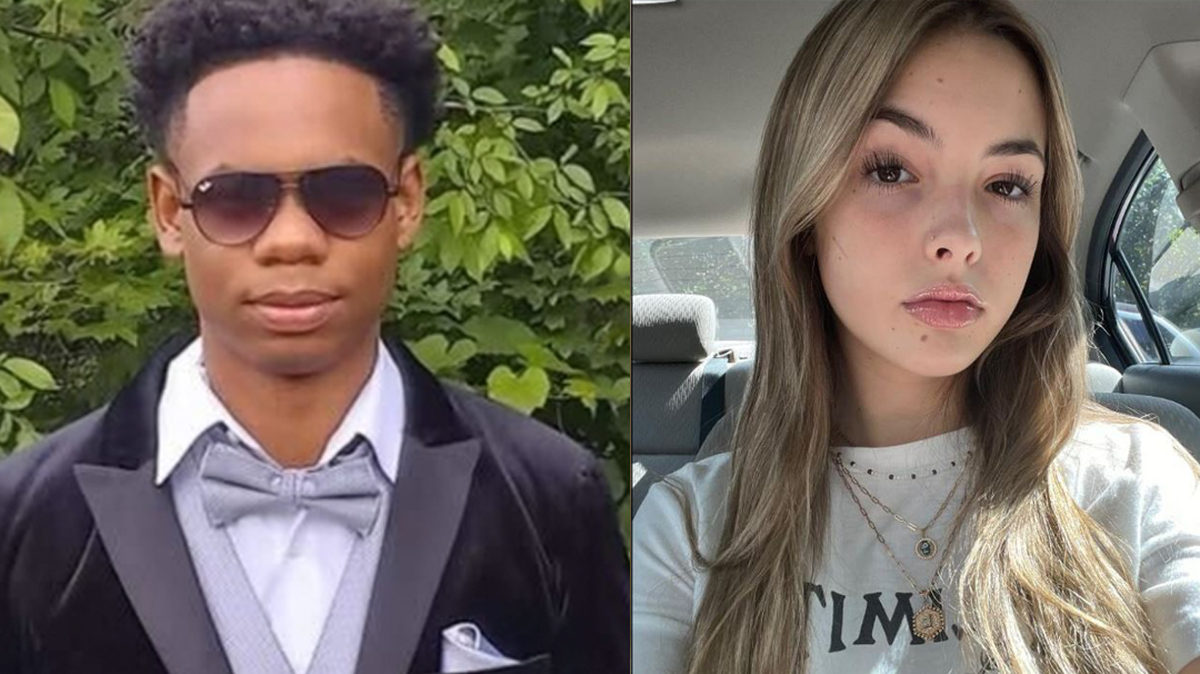
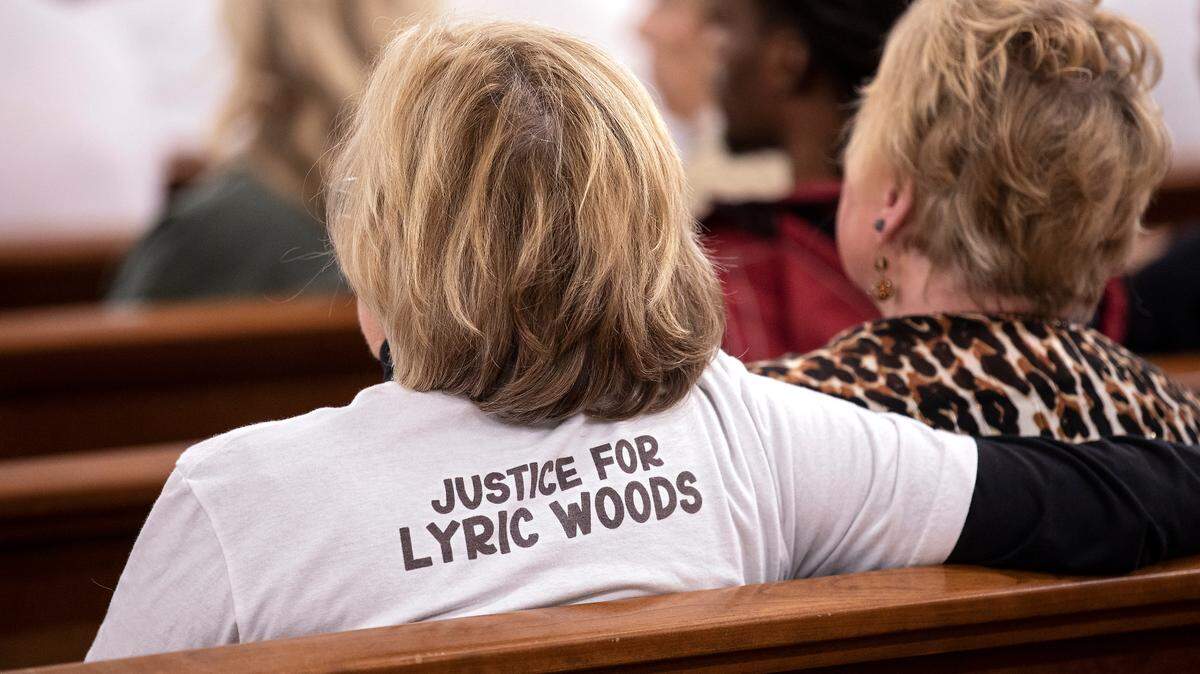
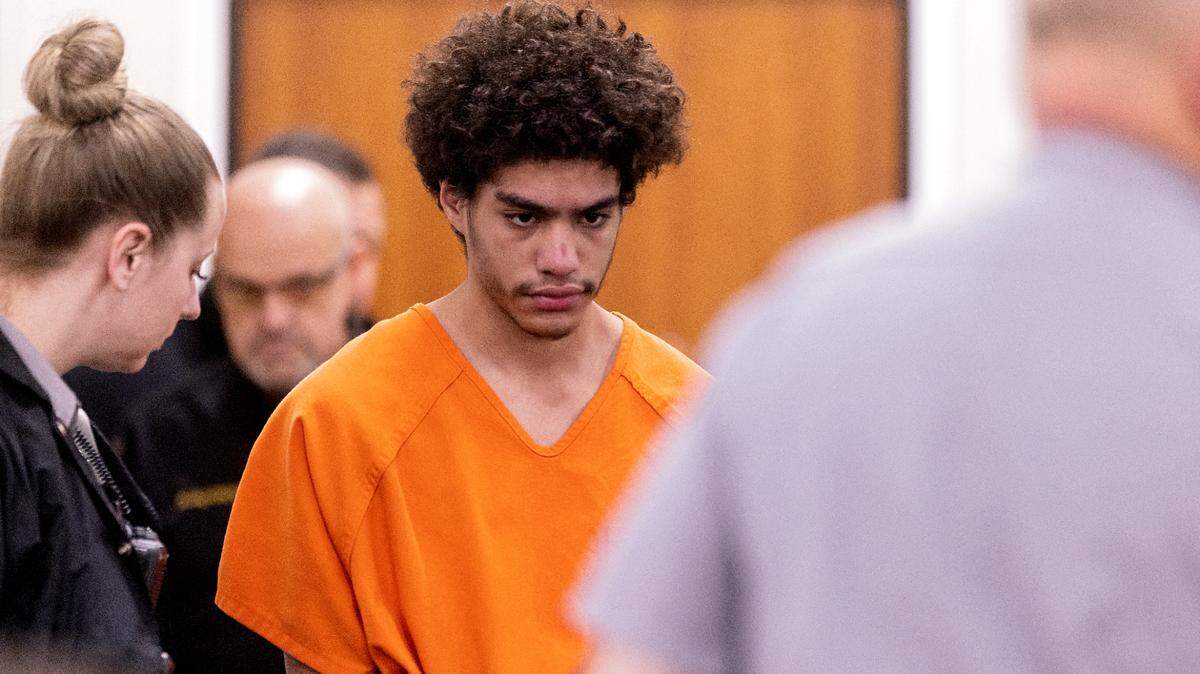
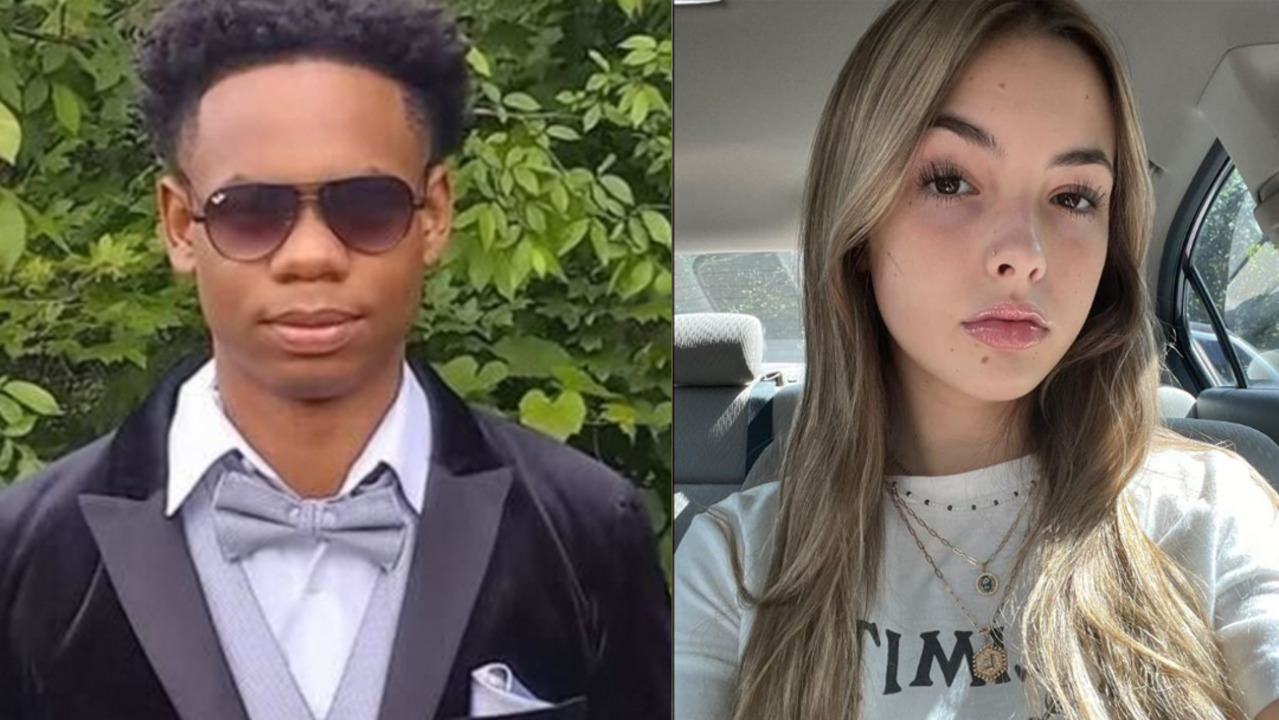
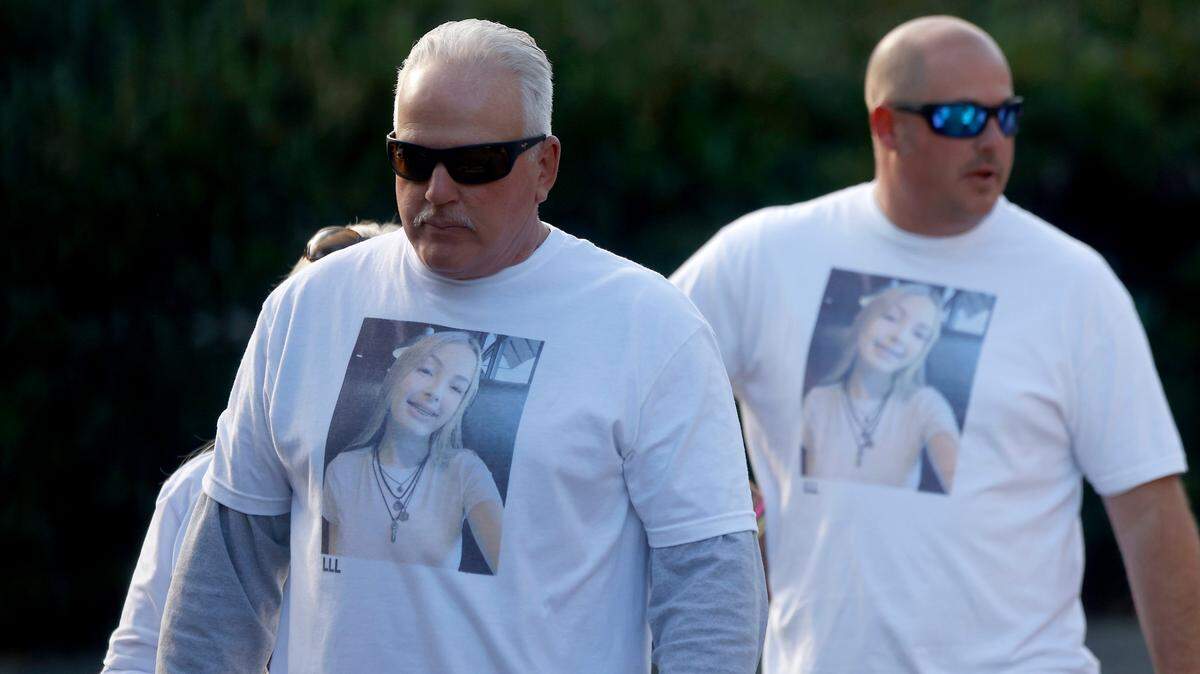
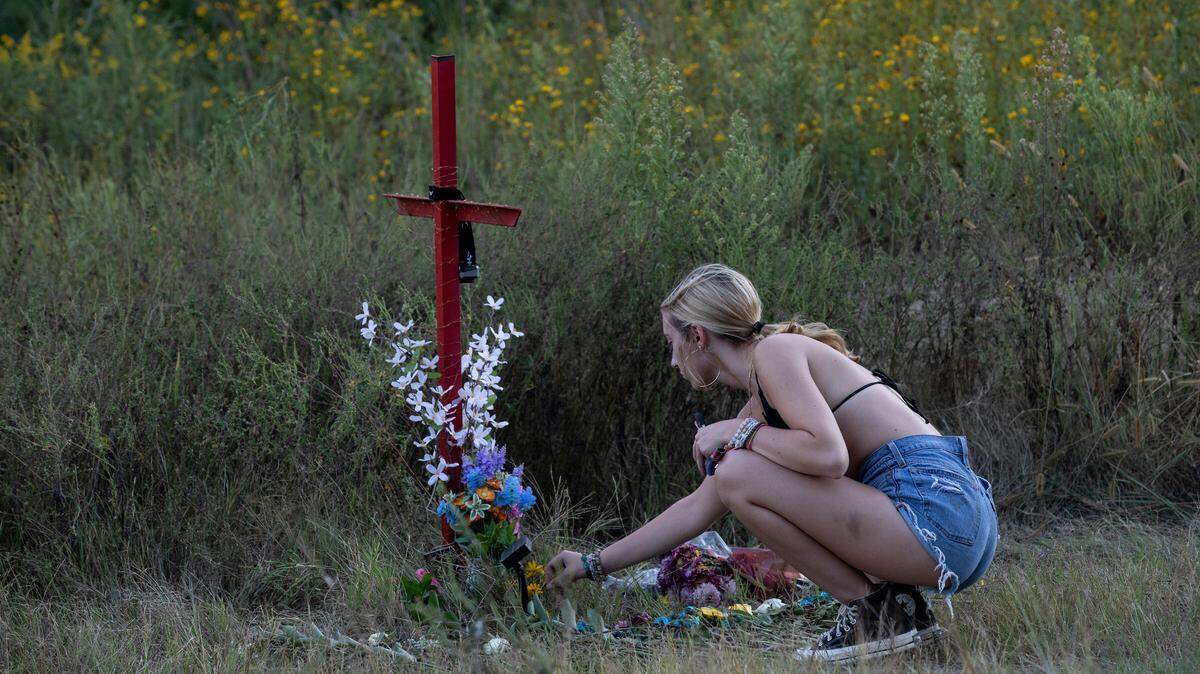
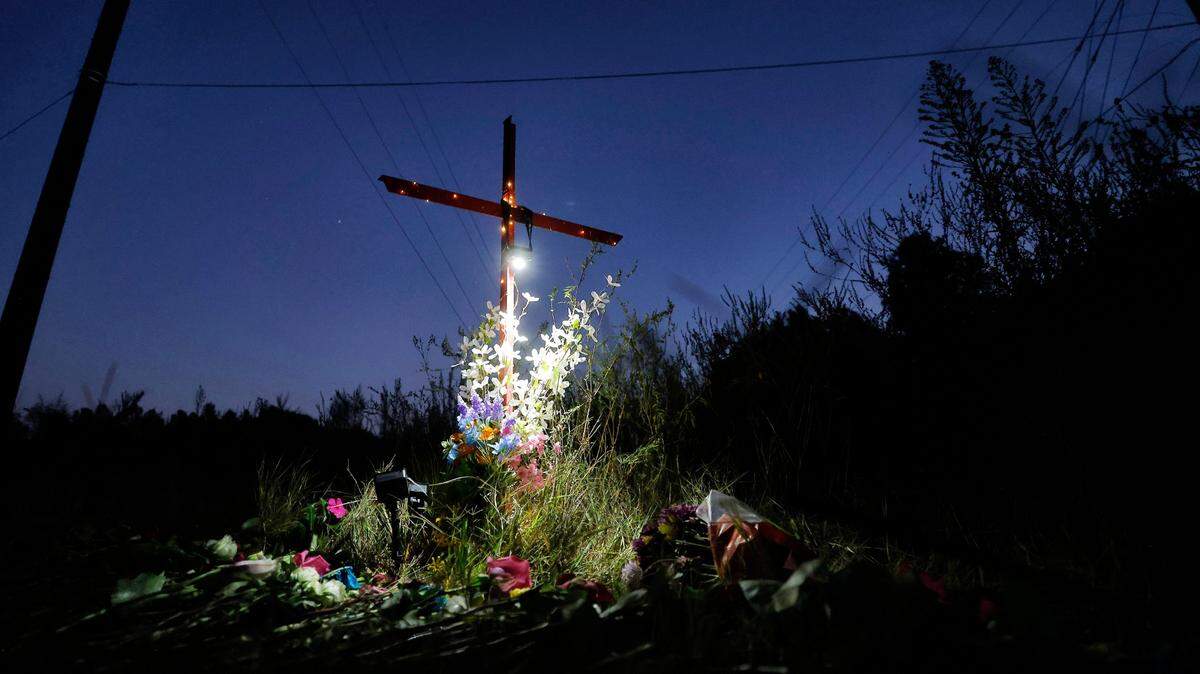
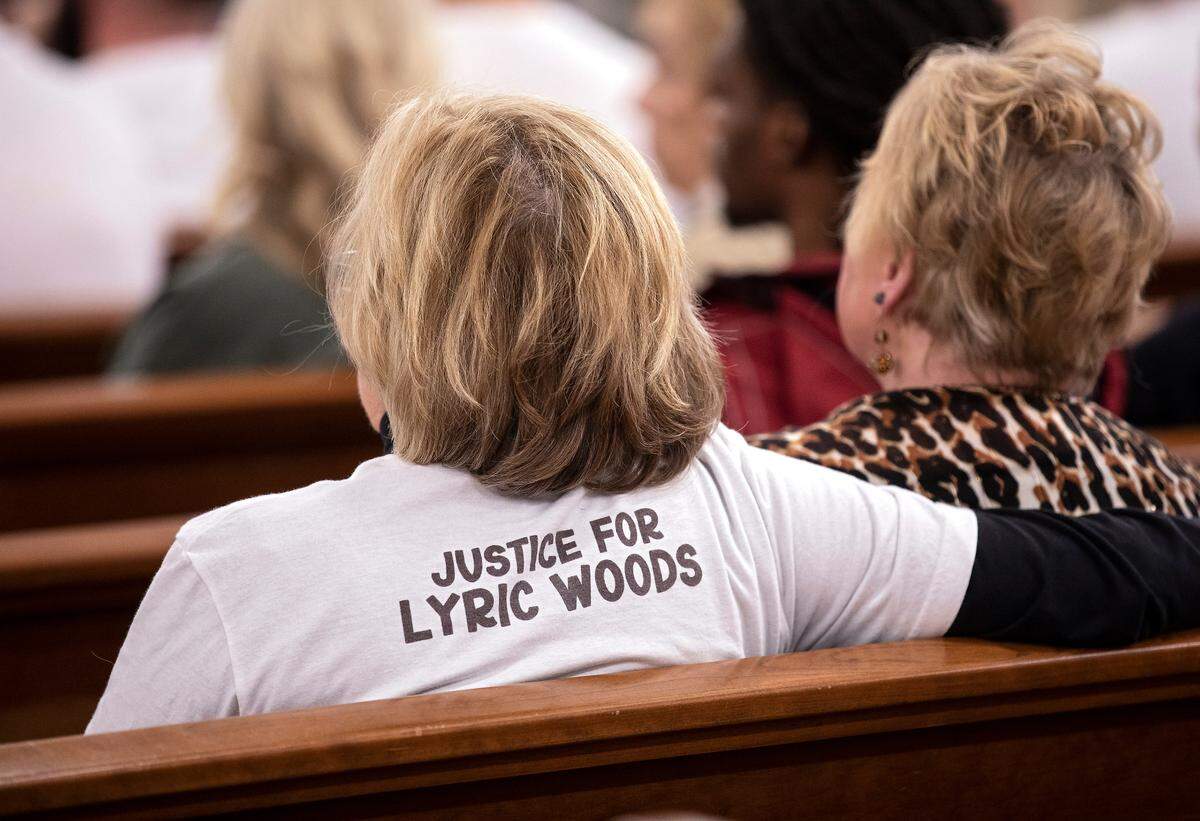
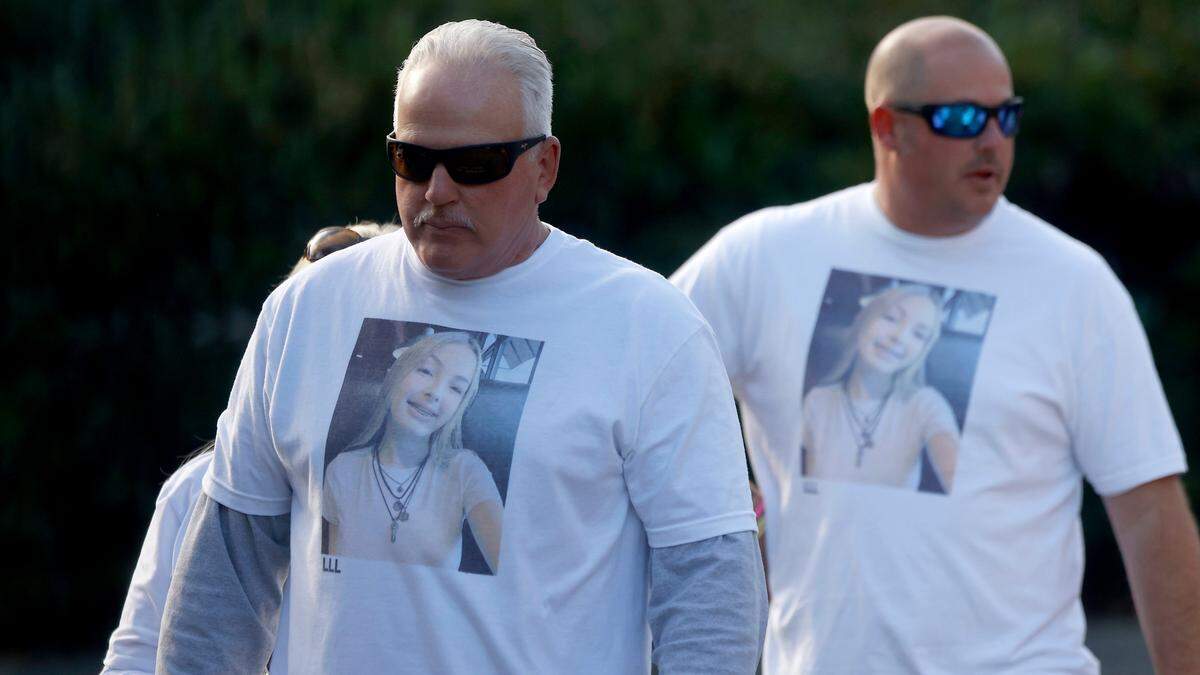
The next day, 14-year-old Lyric Woods and 18-year-old Devin Clark were found shot to death in a nearby field off Buckhorn Road. Issiah Ross, then 17, was charged with their murders. His trial started Jan. 12.
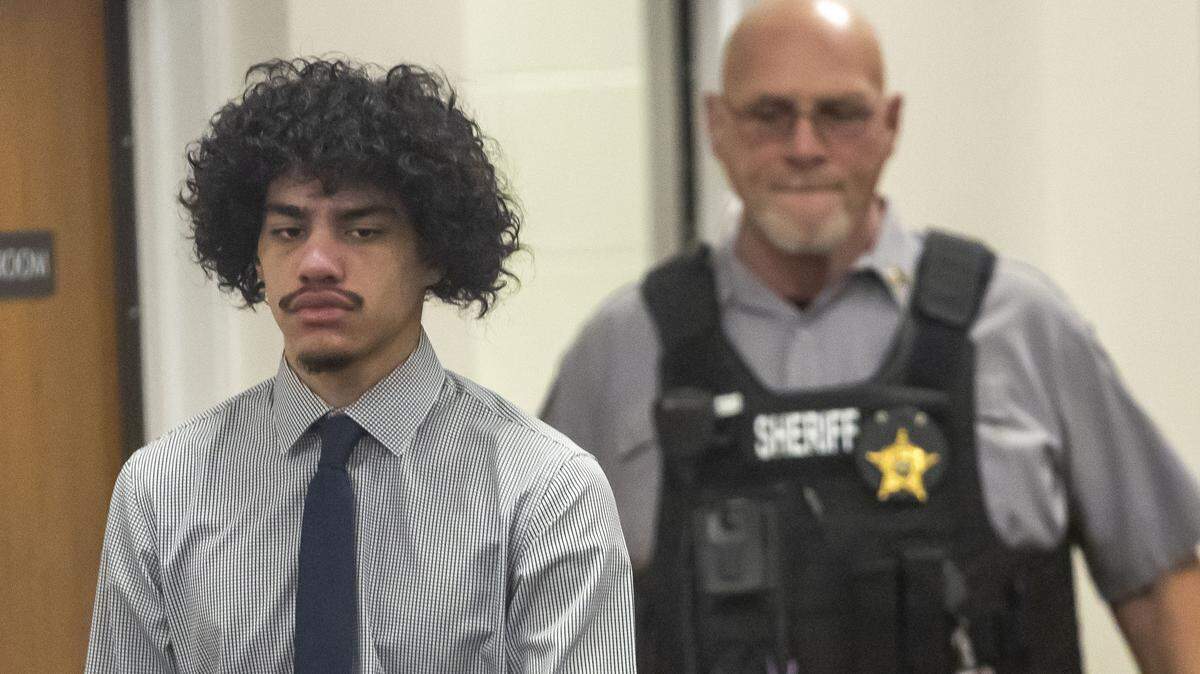
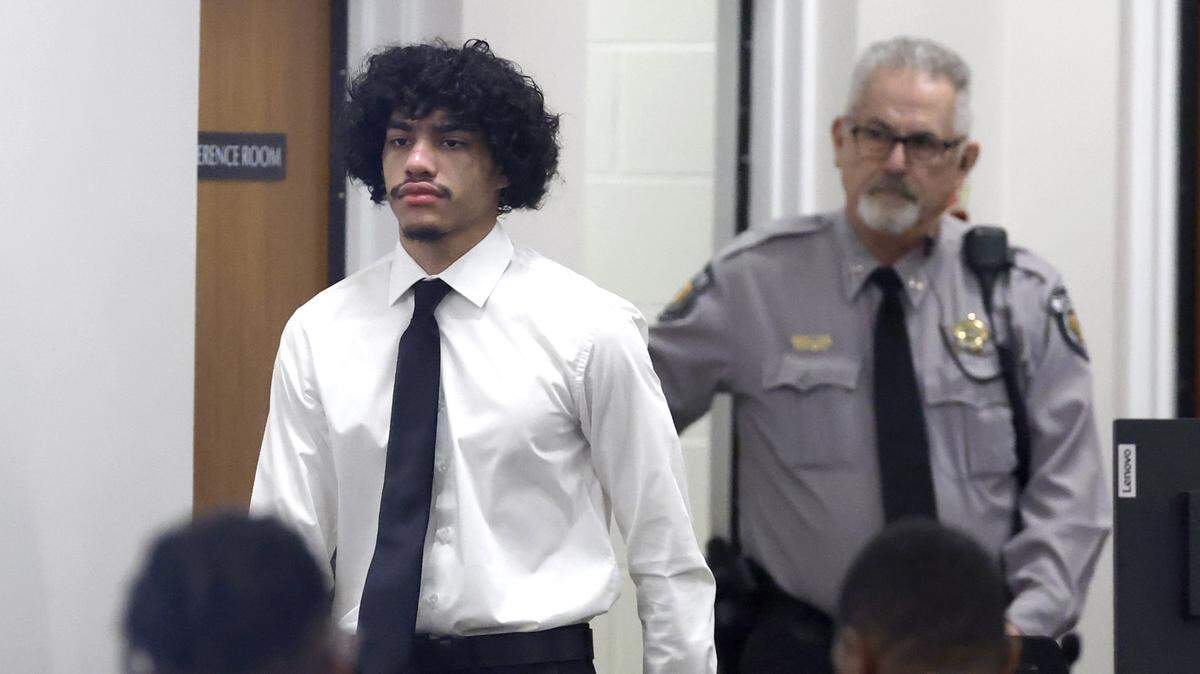
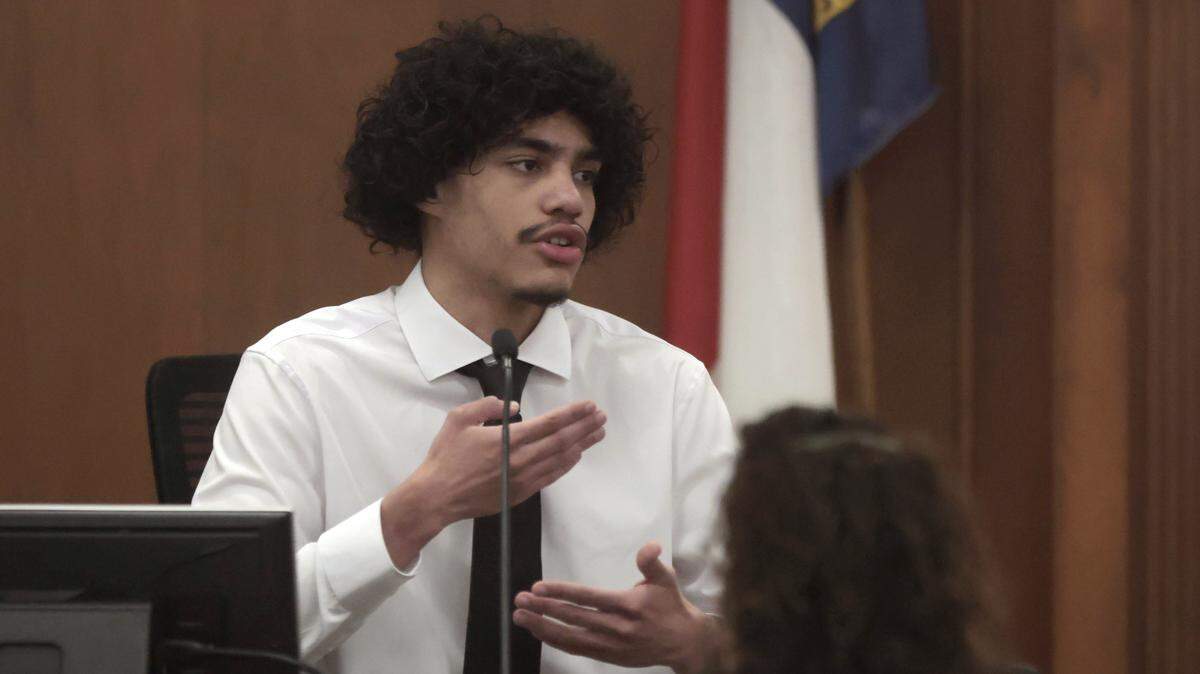
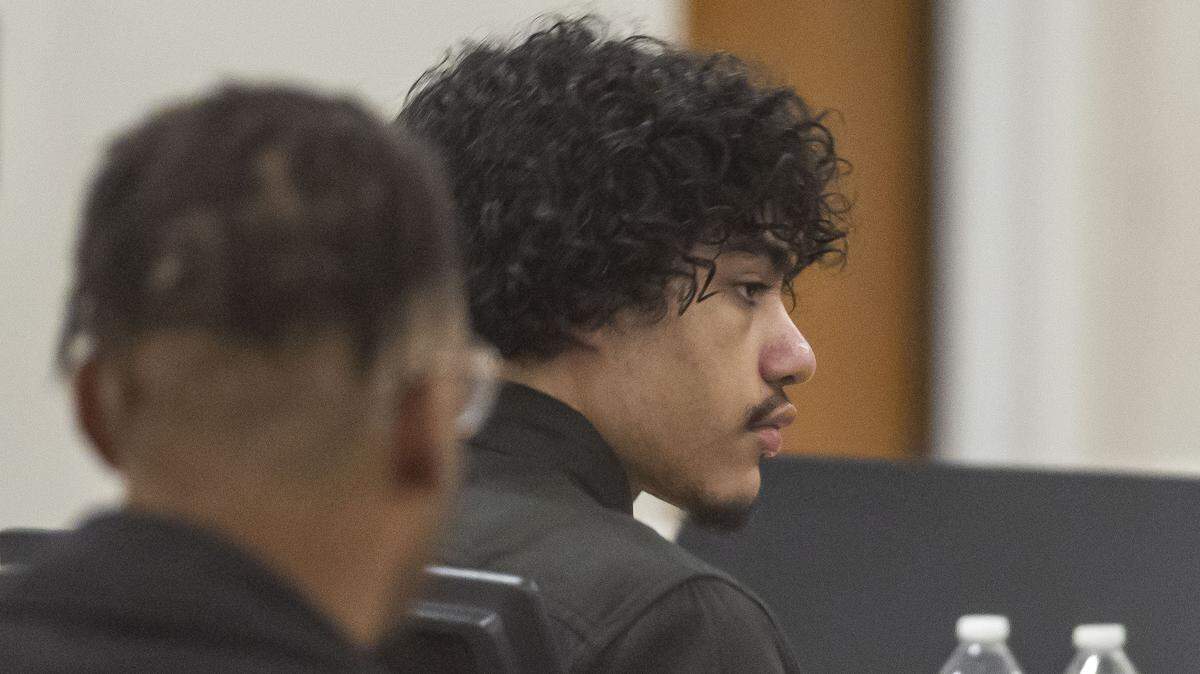
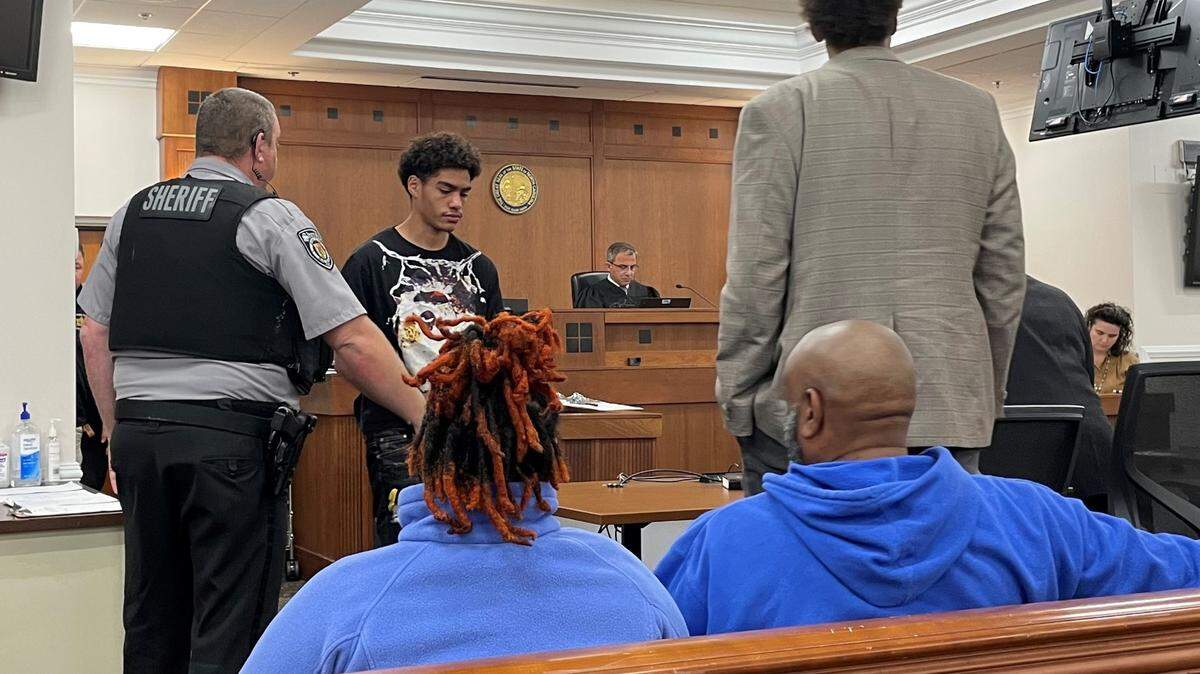
Over the last two weeks, the victims’ parents, investigators, a medical examiner and others have shared evidence with 15 jurors, including three alternates, in an Orange County courtroom. Ross, now 21, told his version of events too, claiming he acted in self-defense after Clark shot Woods and turned a gun on him.
The jurors learned about Snapchat messages promising sex, spent bullets, blood stains and the bodies of two young people left on the ground with multiple gunshot wounds fired from front and back.
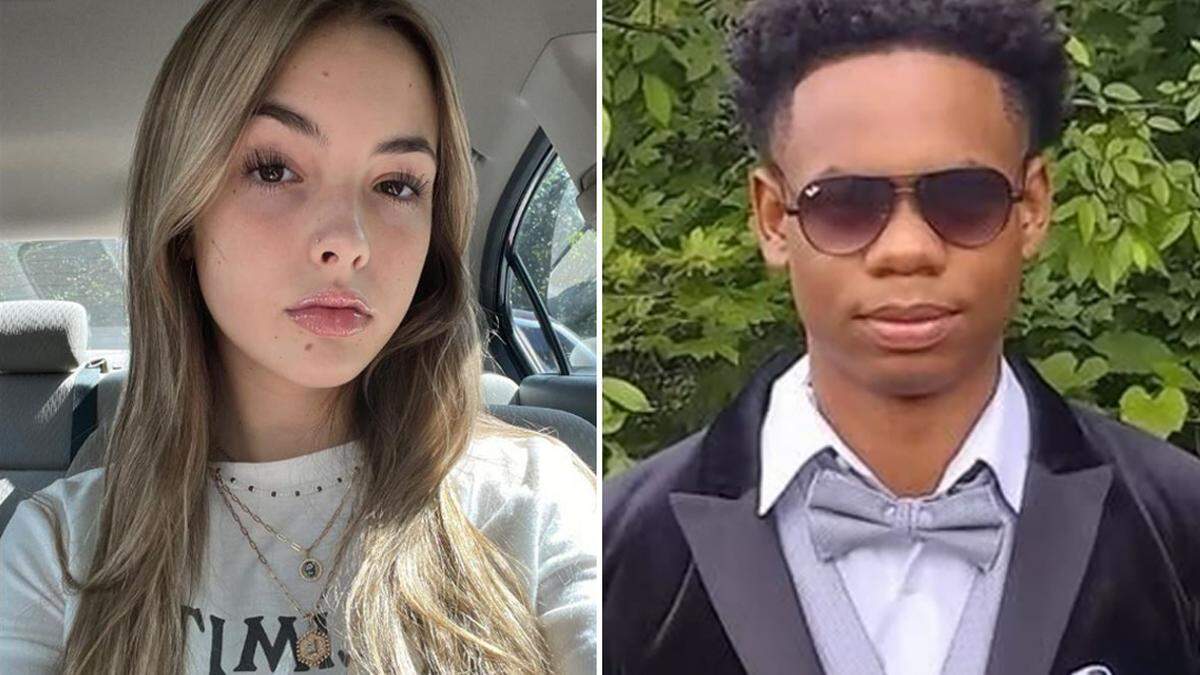
Evidence confirms that Woods told Clark where to pick her up, and that Clark recruited Ross to drive him there, promising that Woods would have sex with both of them. Uncertain is whether Woods had any idea Clark had made that offer.
Jurors must piece together their best understanding of what happened next, based on whom they believe and why. They began deliberating Thursday afternoon and continued Friday, but winter weather paused their work Monday and Tuesday.
The jury is expected to resume deliberations Wednesday morning.
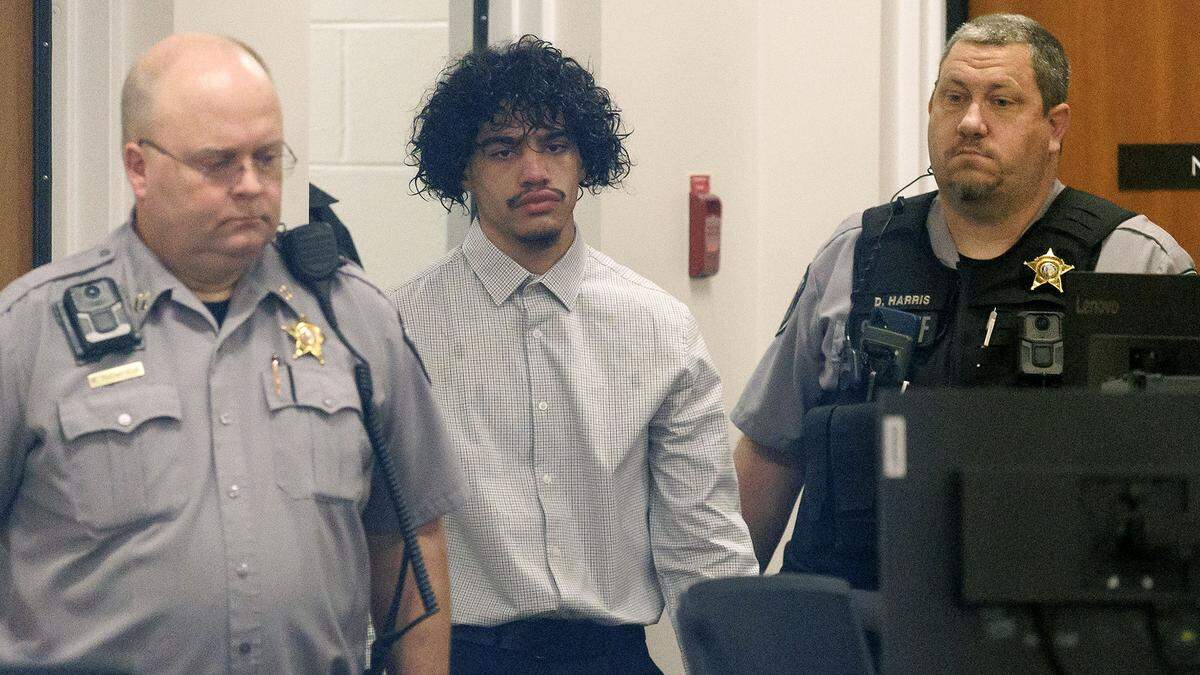
Who killed who and why?
Testimony indicates that Woods and Clark knew each other, and Ross and Clark, who both attended Eastern Alamance High School, had hung out a few times. Ross said he didn’t know Woods.
Assistant District Attorney Anna Orr contends that after a dispute, Ross shot Woods and Clark, possibly after Woods refused to have sex with Ross.
Ross shot the teens as they ran toward an open field, Orr contends. After the victims fell, Ross took “insurance shots,” pulling the trigger eight more times to make sure they died, Orr said.
“The backs of these victims tell you everything you need to know,” Orr said in her closing arguments.
Ross and defense attorney Jonathan Trapp tell a very different story.
Ross, who took the stand over two days last week, told jurors that Clark and Woods fought, possibly over Woods refusing to have sex with Ross, and that Clark shot Woods. Then Clark turned the gun on Ross, who fought for the gun and shot Clark in self-defense, Ross said.
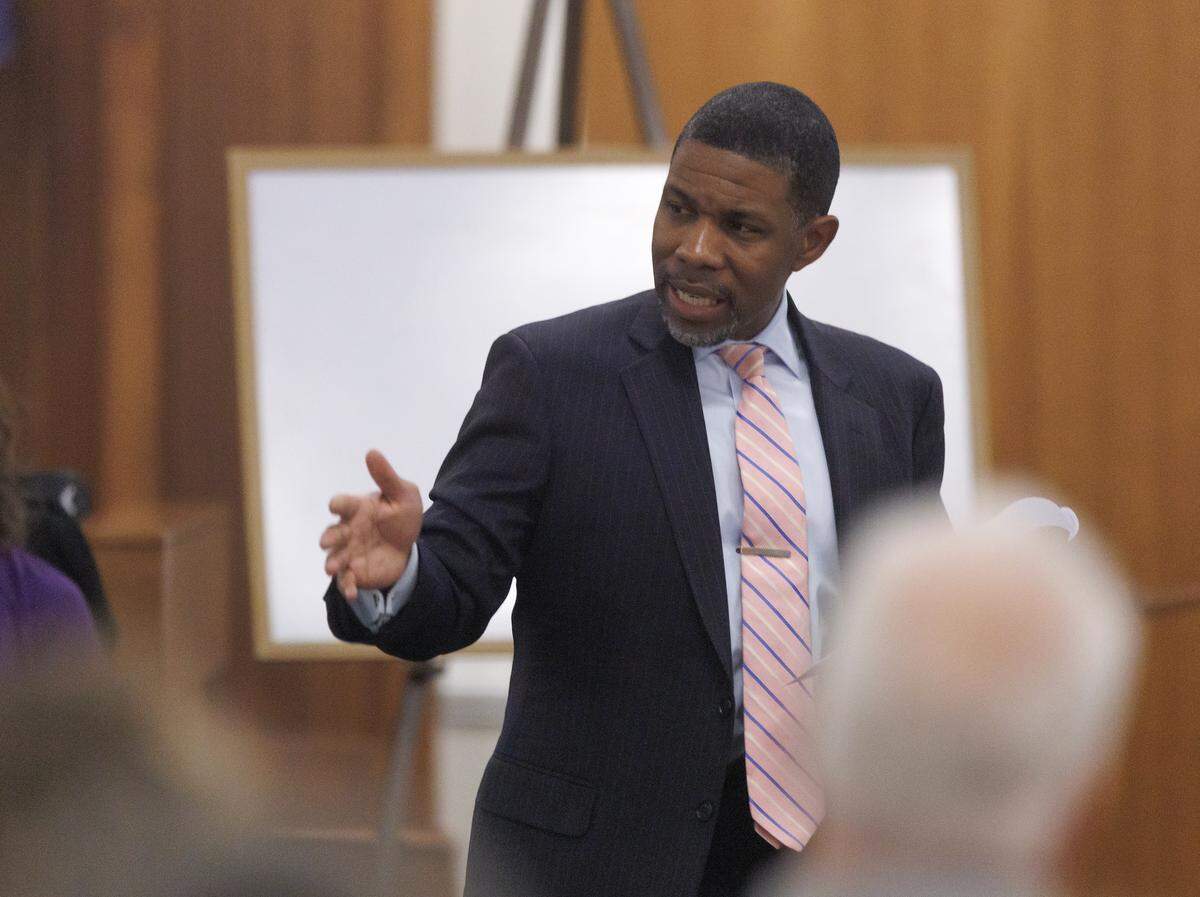
Ross wasn’t thinking about where he was shooting; he was a 17-year-old kid who thought he was sneaking out to have sex, not to witness a murder, Trapp said in his closing arguments.
“This was a kid who was trying to save his life,” Trapp said.
Who brought the gun?
Expert witnesses said the gun used in the shooting was a 9 mm and that all the shots came from the same gun.
The murder weapon has never been found but here is what the evidence indicates so far:
Ross says Clark brought the gun in a backpack and that he threw the gun in the woods along Buckhorn Road after the shooting.
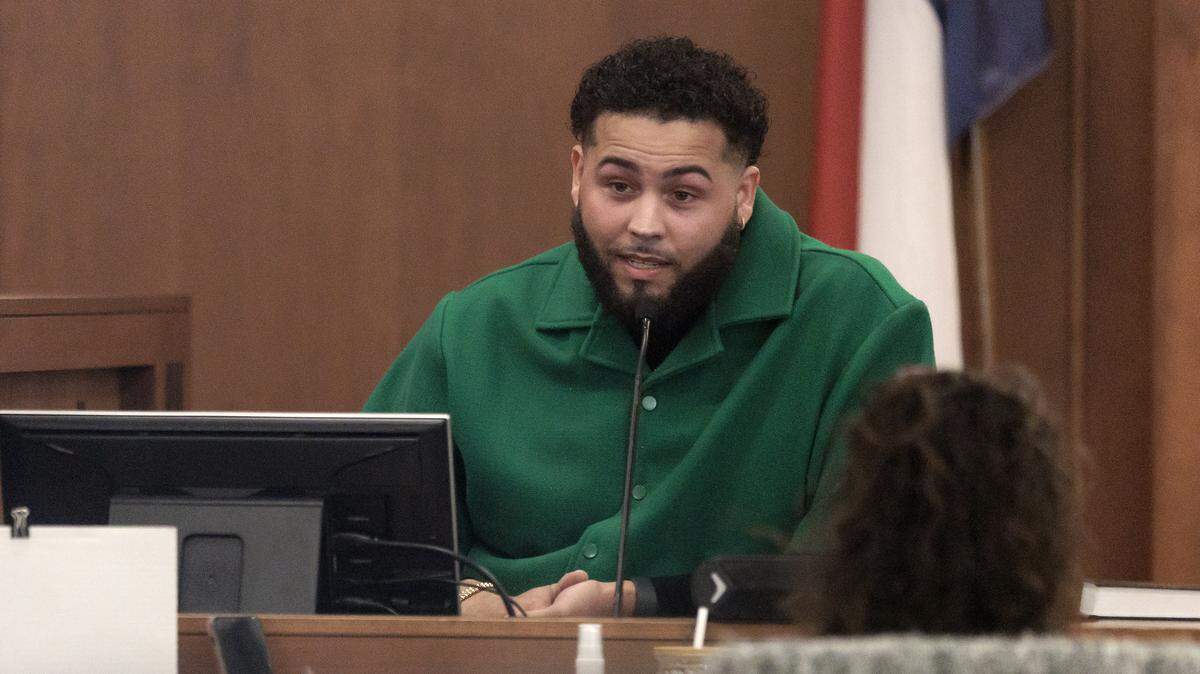
Clark’s father, Dexter Clark Jr., testified that his 9 mm firearm and some ammunition were missing. Clark would use the gun when they went shooting on the weekends at a local gun club, Clark’s father said.
.JPG "RAL_ROSSTRIAL-NE-011426-RTW_7 (1).JPG")
What are the jury’s options?
On Thursday, Superior Court Judge Stephanie Reese outlined the criminal charges that jurors could consider:
First-degree murder
If jurors believe Orr’s scenario, they could find Ross guilty of two counts of first-degree murder. That requires all 12 of the jurors to have a strong belief that Ross planned to deliberately kill Woods and Clark.
A first-degree murder conviction for an adult can result in the death penalty or life in prison, but since Ross was 17 at the time of the murders, he is only eligible for life in prison. Orr would need to request a hearing and convince the judge that Ross is beyond rehabilitation to get a sentence of life in prison.
Second degree-murder
The second option is to find Ross guilty of second-degree murder. Under that scenario, the jury would have to conclude that Ross killed Clark intentionally, but it wasn’t planned. Ross could be sentenced up to 31 years in prison.
During a hearing while the jury was out of the room last week, the judge and the attorneys seemed to agree that the evidence didn’t support second-degree murder charges.
Voluntary manslaughter
Jurors would need to believe that Ross thought he needed to use deadly force to protect himself, but that his belief was unreasonable or that his response was excessive. If Ross is found guilty of voluntary manslaughter, he could face up to nine years in prison.
Not guilty
The jurors would have to believe the evidence did not support any of the charges, or believe that Ross killed Clark in self-defense.
Ross turned down a plea
After the shooting, Ross left North Carolina for Delaware, where he was arrested on double murder charges 15 days later.
At the start of the trial, Ross turned down an offer to plead guilty to two counts of second-degree murder and serve 40 to 50 years in prison.
Some court observers thought that he was foolish. But as the jury’s deliberation extends from hours into days, it could be a sign that jurors are seriously considering lesser charges, or even Ross’s argument that the shooting was self-defense.
What jurors have asked for
During their deliberations to date, the jurors asked to see several pieces of evidence again.
That included a police recording of an interview with Christian Sykes, a former friend of Ross. Sykes testified that he told deputies that Ross told him via a Snapchat video conversation that he shot Clark and Woods.
Clark pulled out a gun and kept pointing it at Ross, Sykes said Ross told him. Ross told Sykes he wrestled the gun from Clark and shot him in the car before turning around and shooting Woods in the back seat, Sykes told deputies.
The evidence didn’t support that story, since no blood, bullet holes or ammunition casing were found in the car, according to testimony and Trapp’s closing arguments.
However, Sykes’ testimony did raise other questions.
Sykes said that Ross showed him a black gun during the video chat, but Dexter Clark testified that the gun taken from his home and discovered missing on Sept. 18, 2022, was gray and green.
Jurors also requested and watched surveillance video showing Ross filling his mother’s SUV with gas at a nearby gas station after the shootings, and law enforcement photos of the crime scene.
They reviewed the medical examiner’s reports showing where Woods and Clark were shot too.
They asked for a transcript of Ross’ testimony, but the judge refused, a common ruling after such requests. It typically takes days to weeks for the court reporter to transcribe extended testimony.
Around 4:30 p.m. Friday, Reese asked the jurors where they were in the process. The foreman said he thought they would reach a verdict if they had another hour, but then withdrew the assertion after the expressions of other jurors questioned that claim.
Staff reporter Tammy Grubb contributed to this story.
Virginia Bridges covers criminal justice in the Triangle and across North Carolina for The News & Observer. Her work is produced with financial support from the nonprofit The Just Trust. The N&O maintains full editorial control of its journalism.
This story was originally published January 27, 2026 at 3:12 PM.