Issiah Ross testifies 2022 shooting of teen in Orange County was self-defense
AI-generated summary reviewed by our newsroom.
- Issiah Ross testified he acted in self-defense after Devin Clark pointed a gun.
- Prosecutors showed DNA on parts of the car; one rim tested chemically for blood.
- Ross faces two first-degree murder charges and up to two life sentences.
READ MORE
The deaths of Lyric Woods & Devin Clark
On Sept. 18, 2022, two missing teens were found dead with gunshot wounds in Orange County near Efland. Here is ongoing coverage from The News & Observer of the investigation, its aftermath and trial.
Expand All
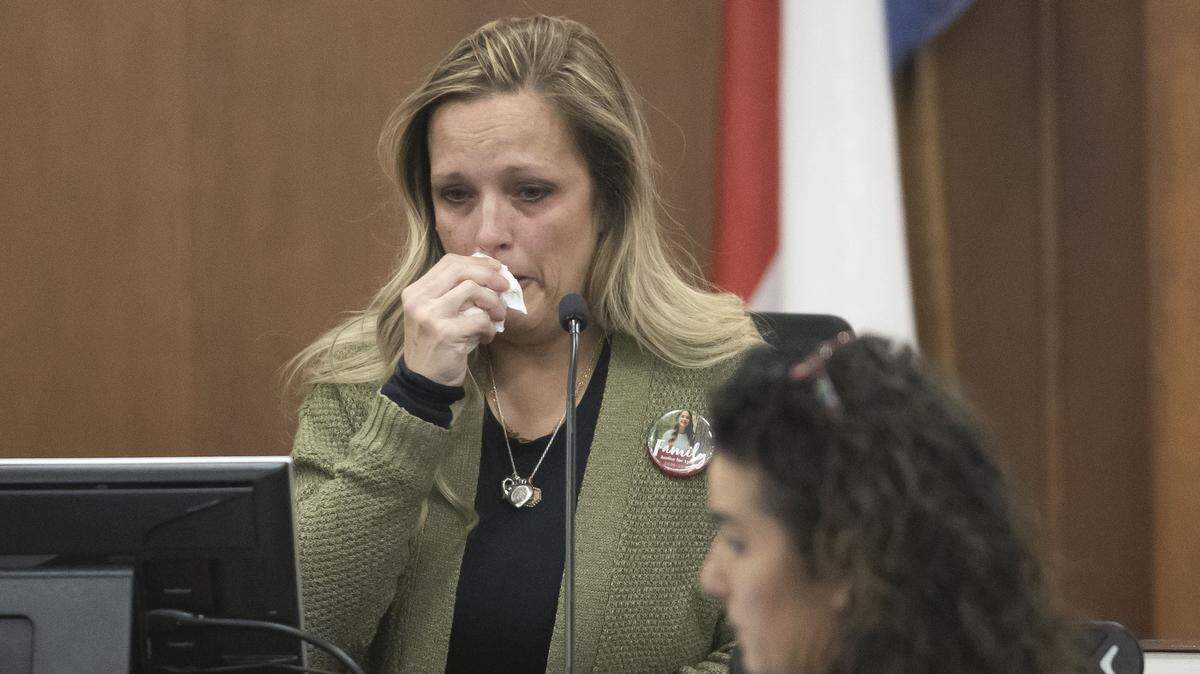
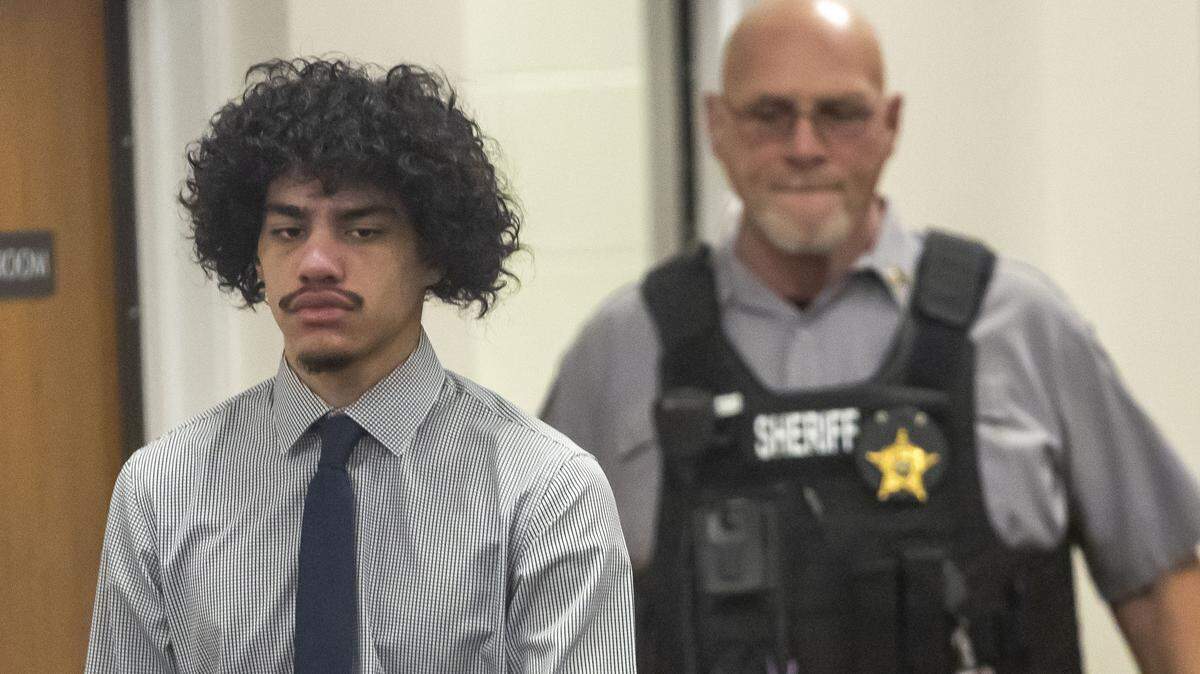
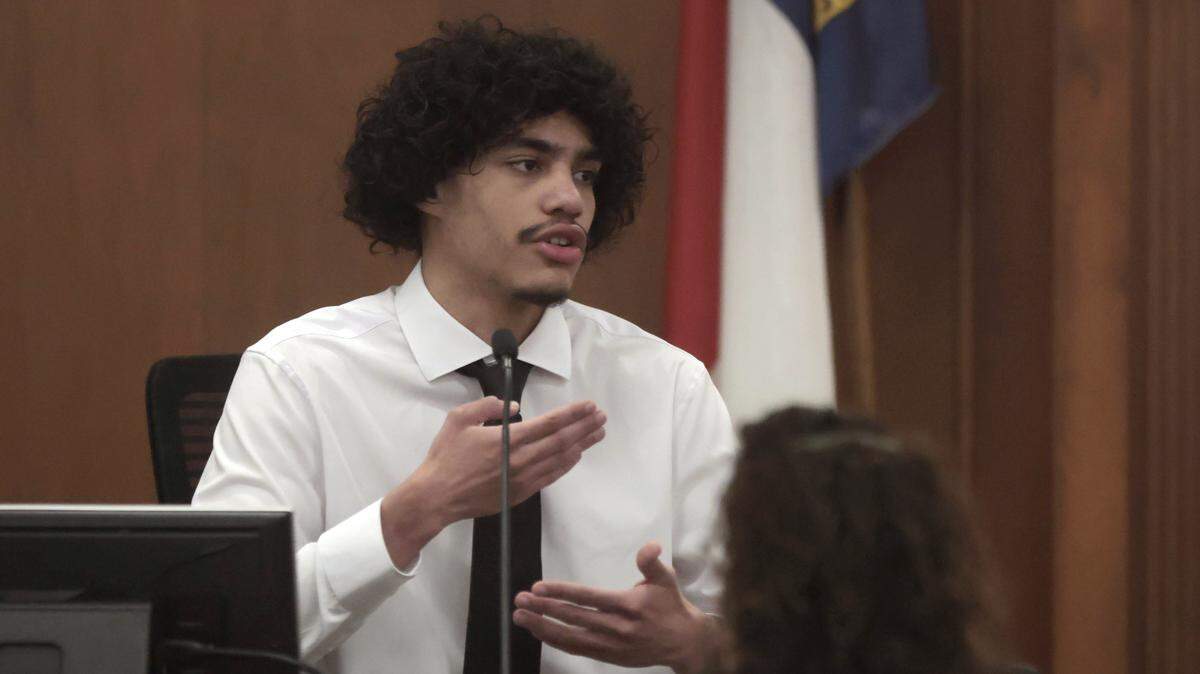
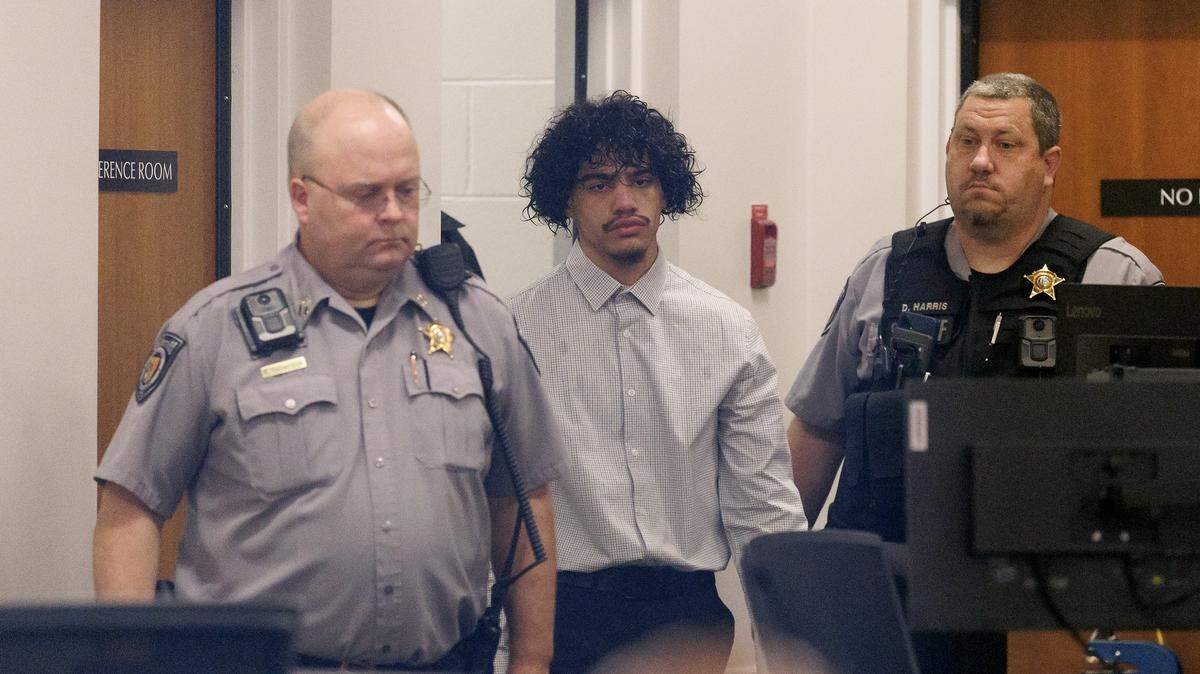
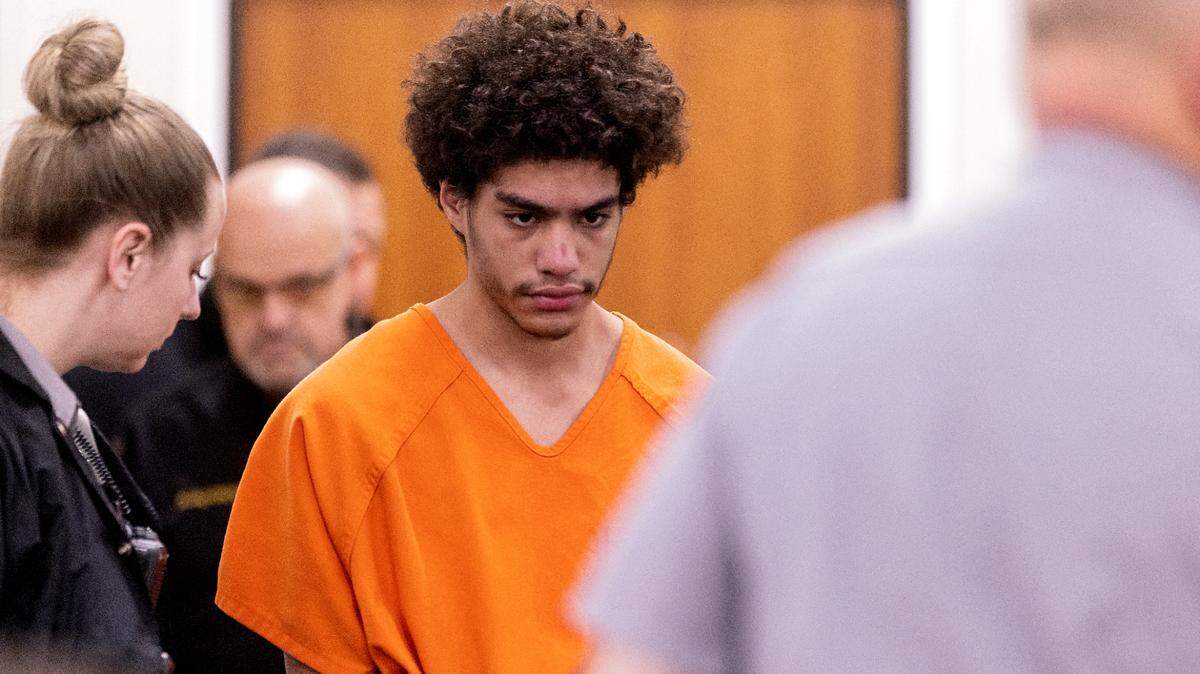
The Mebane man charged with killing two teenagers in 2022 testified that he acted in self-defense after the young man he shot first turned the gun on him.
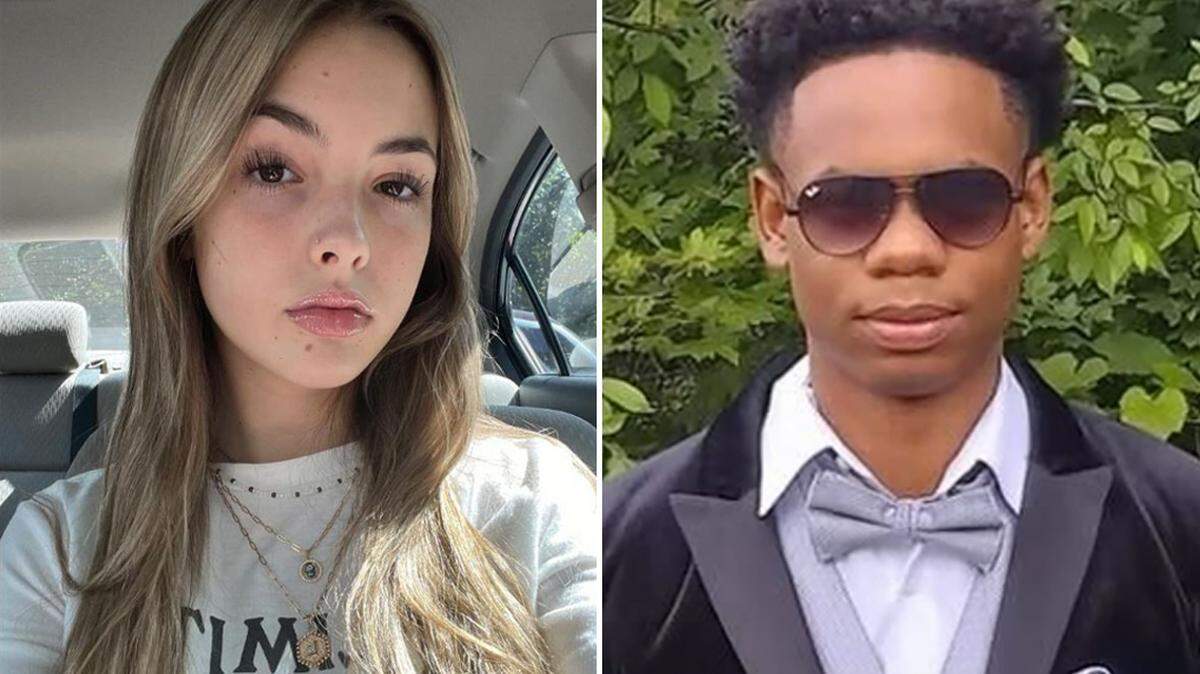
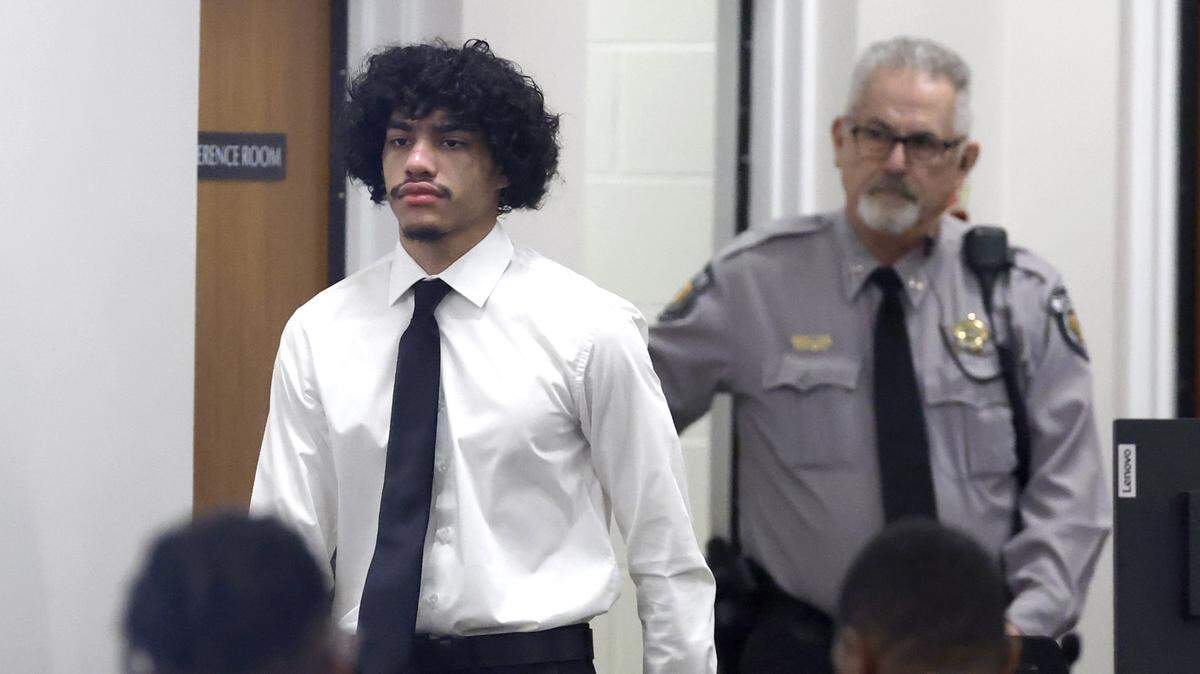
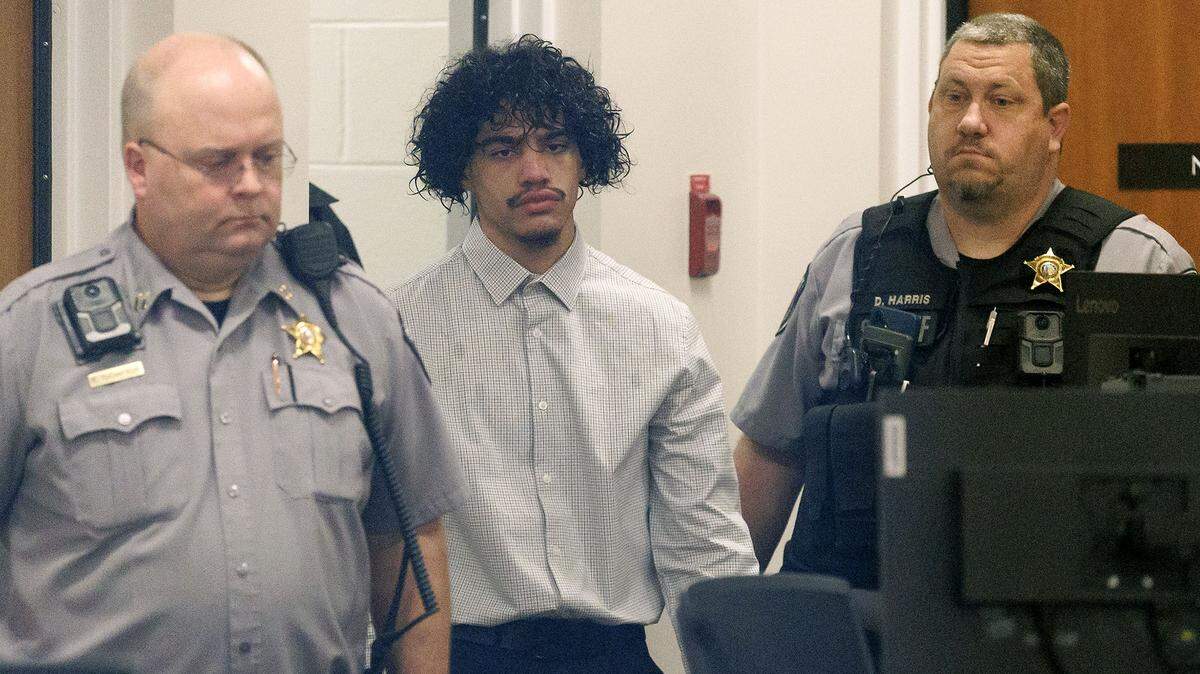
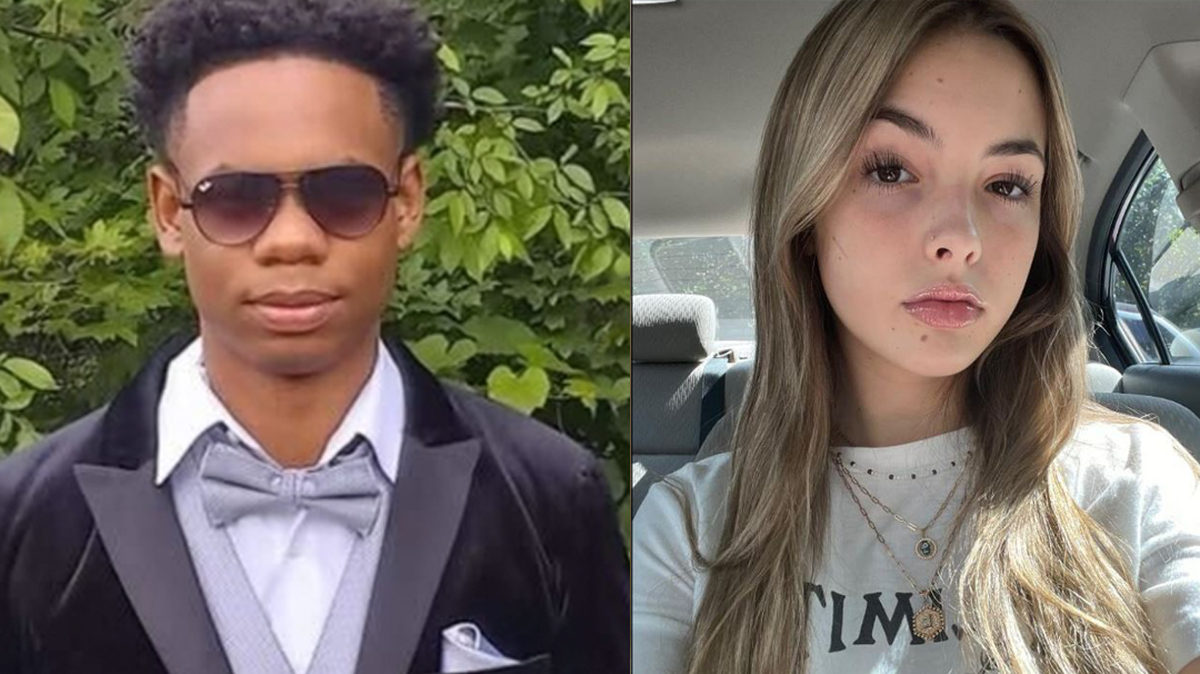
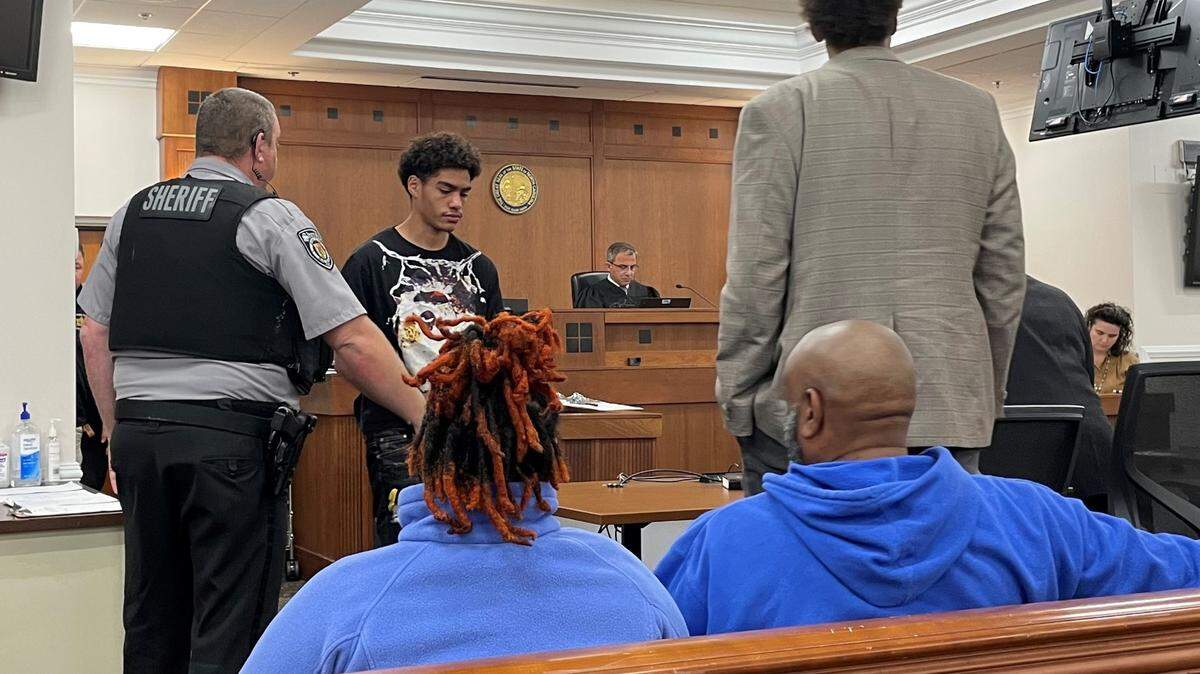
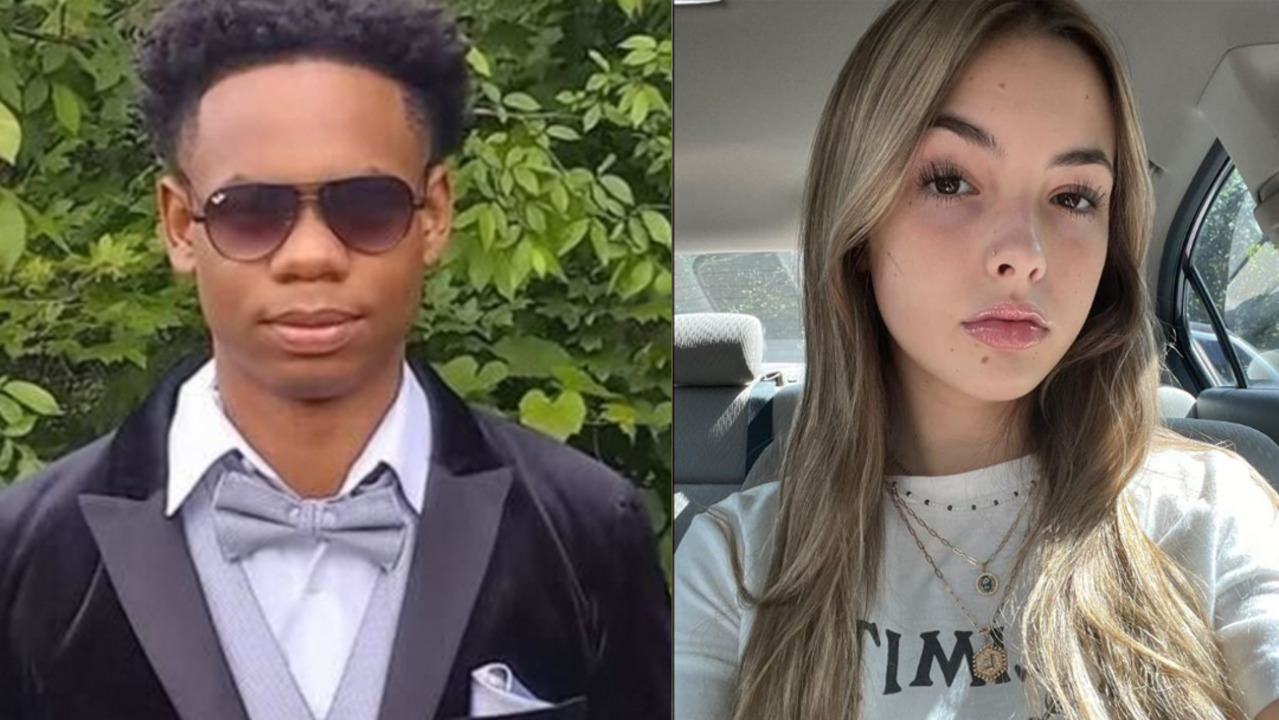
Issiah Ross, 21, took the stand Wednesday at the Orange County Courthouse in Hillsborough. He is accused of first-degree murder in the deaths of Devin Clark, 18, and Lyric Woods, 14, on Sept. 17, 2022 in Efland when he was 17. If convicted, he would face up to two life sentences in prison.
During opening statements, Ross’ attorney, Jonathan Trapp, said Clark shot Woods during an argument then turned the gun on Ross, who “was left with a tough decision to save his own life.”
Ross’ defense will not introduce any other evidence besides his testimony.
How the night began, according to Ross
Ross said he moved from Delaware to North Carolina when he was 16. He lived with his mother and her partner, Antwan Bryant.
Not long after arriving in North Carolina, Bryant brought Ross to a family gathering where he met Clark, Ross testified. Ross hung out with Clark about five or six times after that, describing Clark as a “pretty cool dude.” Prior to Sept. 17, 2022, Ross had never met Woods, he said.
The night Clark and Woods were killed, Ross testified he got a message on Snapchat from Clark asking if he had a car and wanted “free buns” — that is, sex, according to Ross. Ross took his mother’s white GMC Terrain without her permission and went to Clark’s house.
Clark got into the car with a bookbag — Ross testified he didn’t know what was inside the bag. Clark gave Ross an address but did not say who they were picking up or how many people. Ross testified Clark asked if he cared if Clark “went first” — that is, be first to have sex with the girl.
When they pulled up to the address, Clark told Ross to stop and dim the headlights, Ross testified. Ross didn’t have a license, so driving was a “new experience,” and he struggled to figure out how to turn the lights off. Ross was still trying to figure out how to turn the lights off once Woods got into the car.
Clark then told Ross to drive to a location off Buckhorn Road in Efland, where the three stopped, Ross testified.
How Ross testified the shooting unfolded
Clark gave Ross his vape, and Ross hopped out of the car to give Clark and Woods privacy, Ross testified. He said he only heard muffled voices before Woods got out of the car with Clark.
Woods told Clark that she “expected more respect,” wasn’t going to allow Clark to “push her around” and would get the police involved, Ross testified. Clark went to the passenger side to get his bookbag, which had a large, multicolored handgun. Ross testified that he heard gunshots and saw Woods running away before falling on the ground and rocking back and forth while crying and screaming.
Ross testified that he “didn’t want to believe that what’s happening was happening.” Clark then asked Ross to leave and keep quiet about the shooting, Ross testified. Ross said he refused, telling Clark he was not “going down” with him.
Clark then asked if Ross knew what time it was and pointed the gun at him, Ross testified.
Ross said he lunged for the gun and headbutted Clark to knock him back and get the gun loose from him. Once Ross got the gun, he started shooting. Ross testified that he didn’t remember how many times he shot Clark.
After the shooting, Ross said he panicked. He tried leaving but Ross’ and Woods’ bodies were in the way, so he got out of the car to flip Clark’s body and drag them away. After going to get gas — Ross testified that the tank was completely empty — Ross went to go get his Under Armour quarter zip.
Ross didn’t call the police because his “brain was literally melting” and he thought going home would fix his problems, he testified. When he got home, he lay down on his bed “staring at nothing” and telling himself he needed to get a lawyer so he could turn himself in.
Conflicting stories
The next morning, Ross’ mother noticed damage on her car’s bumper — Ross testified that he had hit a concrete pole at the gas station. Ross said he lied and denied driving her car, and that his mother forced him to pack up and go stay with his father in Delaware.
On Sept. 18, 2022, the day after the shootings, Ross’ friend Christian Sykes called to ask if Ross wanted to smoke cannabis together, Ross testified. Ross told him he wasn’t in the mood, and Sykes asked why. Ross said he then briefly described what had happened and that he had “almost died.”
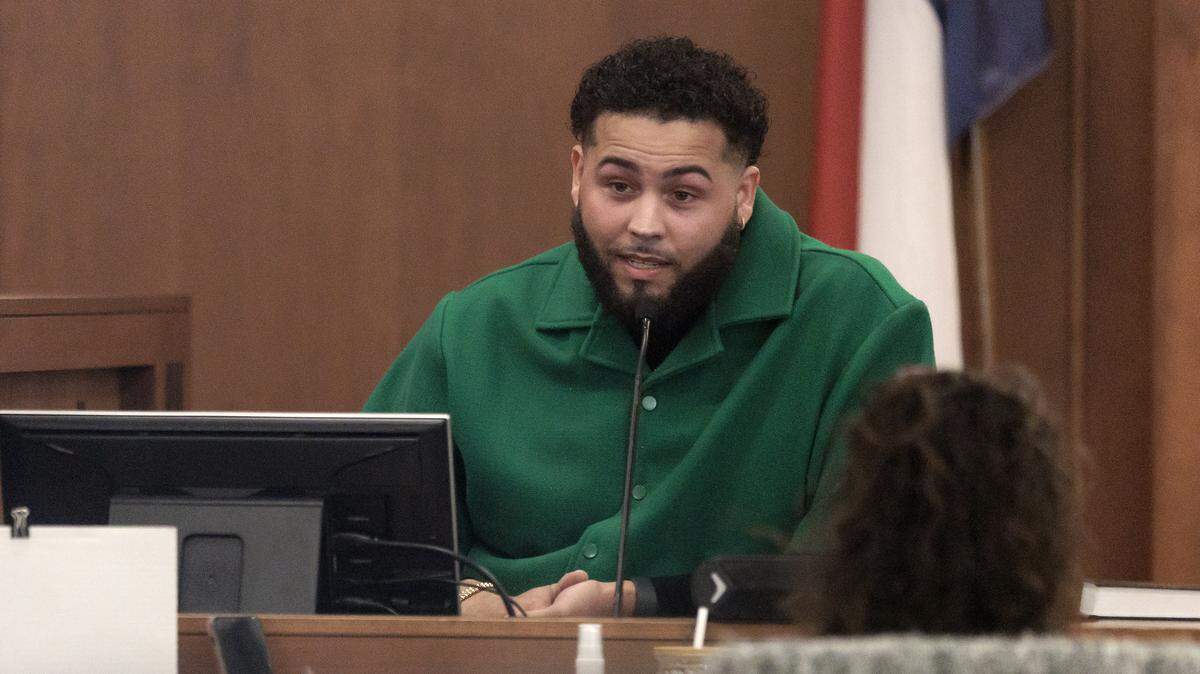
Sykes testified Tuesday that Ross told him that, after Clark kept pointing his gun’s laser beam at Ross, Ross took the gun and shot Clark, then turned to shoot Woods in the back seat.
Sykes testified that he asked Ross in a text message if the girl he had shot was named Lyric. Ross messaged him “Yeah, Lyric and Devin, rest up,” Sykes told a police officer.
Ross testified that he never texted Sykes about the shooting.
Forensic experts explain evidence
Wednesday morning, the prosecution called two forensic scientists at the North Carolina State Crime Laboratory: Evie Nguyen and Wendell Ivory. Ngyuen, who conducts hair analysis, testified that the evidence she reviewed did not show any hairs from Ross on either Clark or Woods.
Ivory, who examined DNA evidence in the case, testified that one part of the white GMC Terrain in which Ross was driving Clark and Woods — a tire rim on the exterior — showed a reddish-brown stain. Further testing showed a “chemical indication that blood was present,” Ivory testified.
Other parts of the car, including the inside, suggested traces of Clark’s and Woods’ DNA but did not chemically indicate blood.
The prosecution rested its case around 3:30 p.m., and after a brief recess, Ross began his testimony after 4 p.m. The trial resumed with Ross’ testimony Thursday morning, with closing arguments scheduled for the afternoon, after the print deadline for this story.
For the latest in this case, please see newsobserver.com
This story was originally published January 21, 2026 at 7:12 PM.
.jpg)