Avian flu is still ‘widespread.’ Is it safe to put out bird feeders? It depends.
READ MORE
Read more stories about birds
From hummingbirds to cardinals, bird feeders to bird flu — here are more stories about the winged creatures we love to see in our backyards (and beyond).
Expand All
As the highly contagious and deadly strain of avian flu — called High Path Avian Influenza, or HPAI — caused problems in North Carolina and nationwide last spring, agriculture officials advised many not to hang bird feeders in their backyards.
This spring, the USDA still classifies the outbreak as “widespread” among wild birds, but as long as you don’t own poultry, officials say it is OK to once again hang the birdfeeder and clean out the bird bath.
But it’s still important to follow certain precautions. Here are the best practices to keep birds (and us humans) safe.
Is it OK to put out bird feeders in 2023?
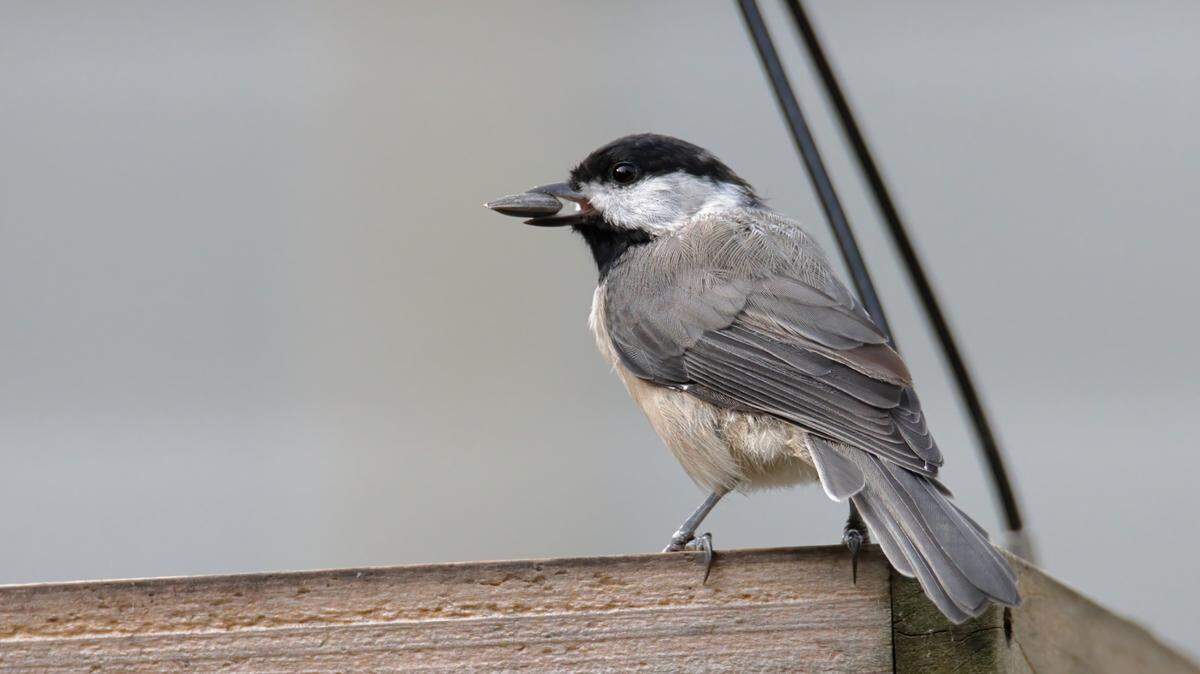
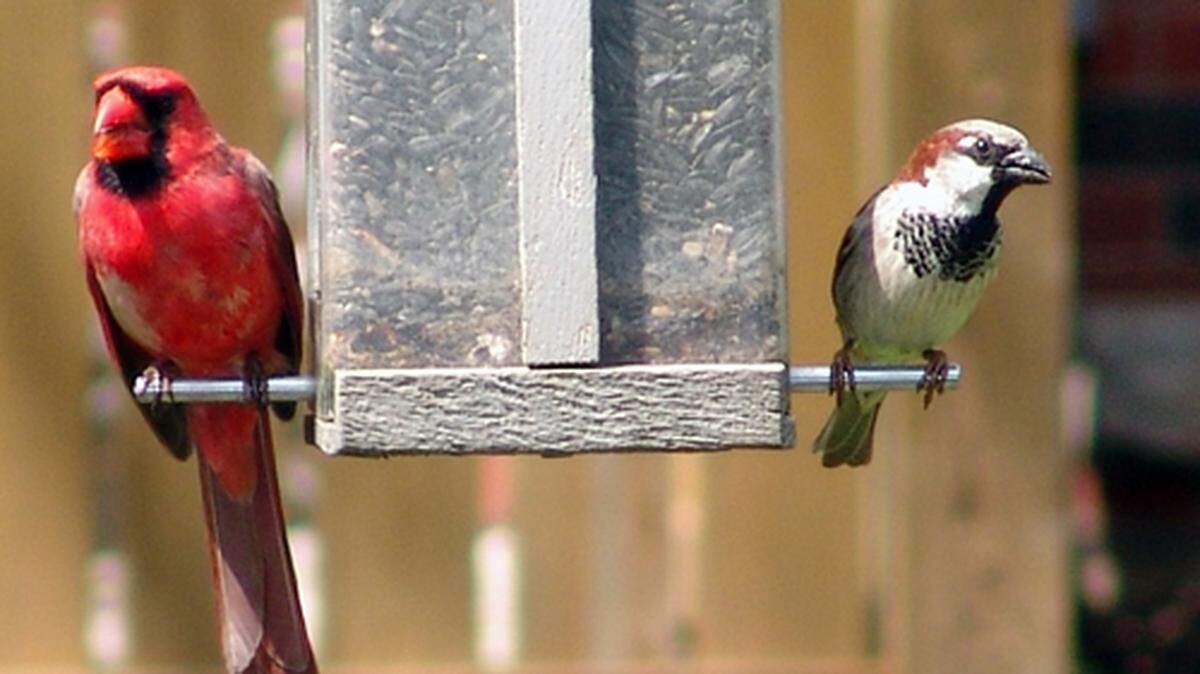
▪ If you don’t own poultry, such as chickens or turkeys, you can keep a bird feeder and/or a bird bath outside.
“If you don’t own poultry, the NC Wildlife Resources Commission recommends you clean your bird seed feeders and bird baths a minimum of every two weeks with a dilute bleach solution before rinsing and allowing it to air dry completely before refilling,” The NC Department of Agriculture and Consumer Services wrote on its website.
The dilute bleach solution should be no more than one-part bleach to nine-parts water, the department advises.
▪ If you do own poultry, you should not hang bird feeders or put out bird baths, NCDA&CS says.
Wild birds will gather where there’s food and water available, and HPAI is still a risk with migratory and non-migratory birds in the state, said Heather Overton, assistant director of public affairs for the department.
“We would encourage local backyard poultry owners to continue to practice strict biosecurity,” she said.
Learn more about biosecurity practices at ncagr.gov/avianflu.
Bird feeder cleaning and safety
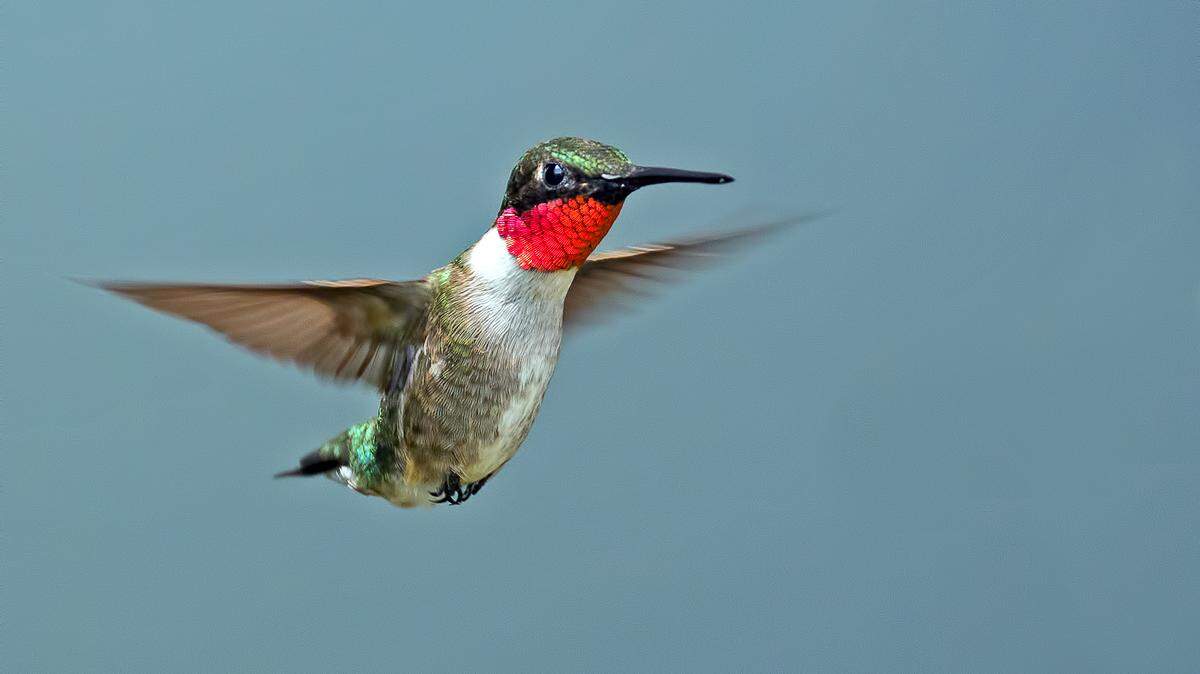
▪ Hummingbird feeders should be cleaned at least twice per week, NCDA&CS says.
“The nature of how these birds feed (nectar) may make them less of a risk for attracting wild birds,” Overton said.
“There have been no reports of hummingbirds catching high path avian influenza.”
▪ Keep feeders clean: Be sure to follow NC Wildlife recommendations that seed feeders and bird baths be cleaned a minimum of every two weeks with a dilute bleach solution. Rise and allow to air dry completely before refilling.
▪ Practice personal hygiene when dealing with your backyard feeders.
“Avian influenza is a serious issue, and it is a growing concern. It does not necessarily mean you should not feed birds, but it does mean taking precautions for your own hygiene,” said Andrew Farnsworth, a senior research associate with The Cornell Lab of Ornithology.
“For example, not touching your face and nose before washing your hands and after handling feeders, and also cleaning feeders regularly.”
Avian flu in North Carolina
A case of HPAI was most recently identified in Rowan County in January of this year. It was the first confirmed positive case in this county, and it was identified in an emu.
In late spring and early summer of last year, HPAI was identified in nine poultry farms across Johnston and Wayne counties. It was recently found in single backyard flocks in Wake, Durham and Carteret counties, plus two flocks in Union County, according to NCDA&CS.
The type of HPAI identified is considered low risk to people, but it’s highly contagious to other birds, which can include backyard poultry flocks, per the Centers for Disease Control and Prevention.
The virus isn’t considered a food safety threat, and infected birds don’t enter the food supply, the Department of Agriculture and Consumer Services says.
To learn more about the virus and its statewide spread, visit ces.ncsu.edu and search “High Path Avian Influenza (HPAI) Update.”
This story was originally published March 14, 2023 at 11:38 AM.